

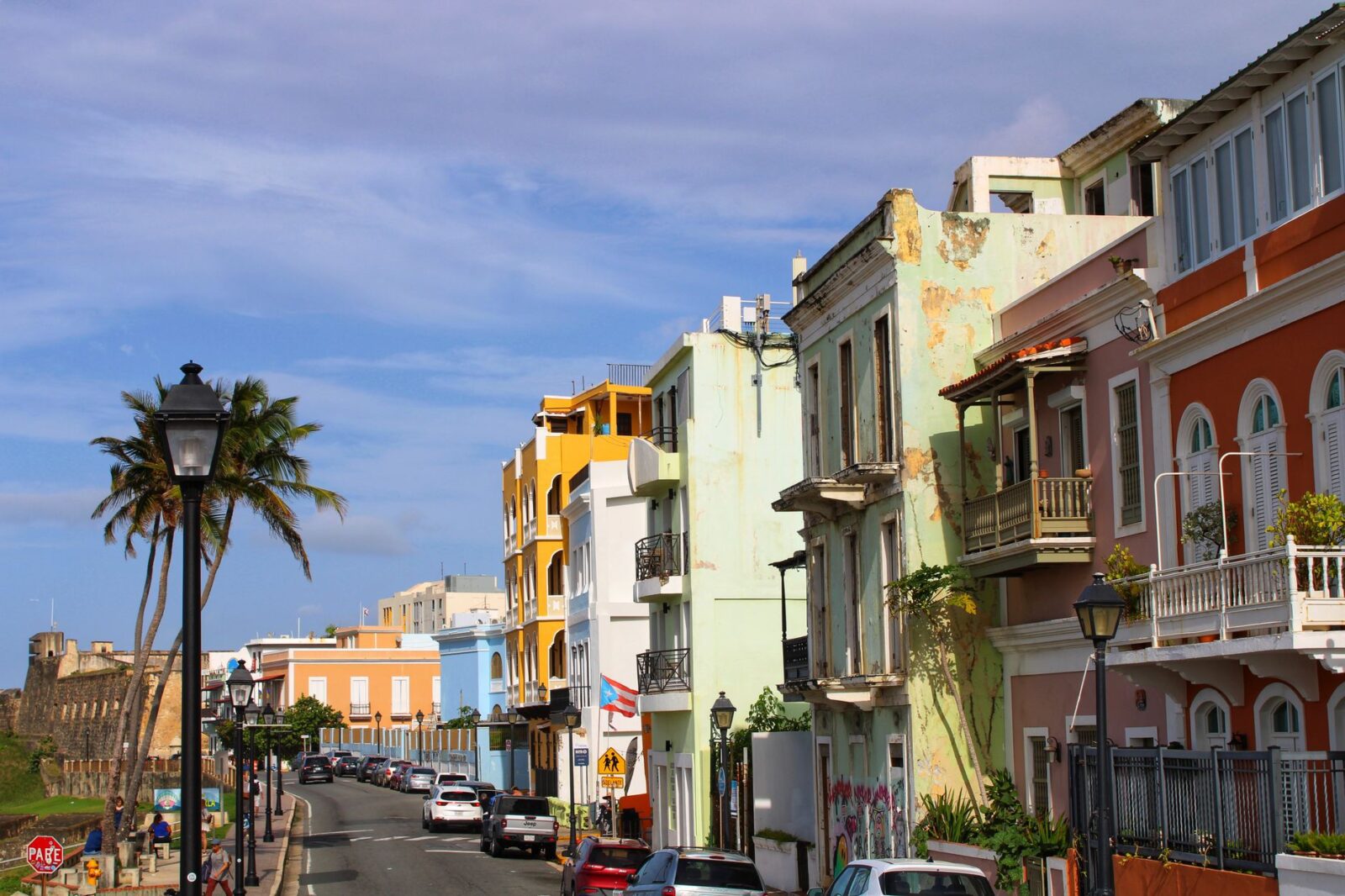
Lisbon’s Rainbow Revelation: Over 2.6 Million Colors Detected
A recent analysis by travel insurance company JustCover scanned thousands of photos of Lisbon and found that the city contains more than 2.6 million distinct colors. This figure comes from measuring hues in buildings, tiles, street art, and even the sky over the Tagus River. The study used a pixel‑by‑pixel comparison across representative images taken from ground level, rooftops, and aerial drones.
The result surprised many because Lisbon’s charm is often associated with its historic trams and pastel‑colored facades, not a statistical rainbow. Researchers noted that the city’s famous azulejo tiles contribute a huge variety of blues, yellows, and greens, while the narrow Alfama streets add warm ochres and reds. The sheer density of pigmented surfaces makes Lisbon a living palette.
For travelers, this means every turn offers a new visual surprise. A practical tip is to visit the Miradouro de Santa Catarina at sunset, where the light amplifies the tile colors, creating a photographer’s dream. Bring a polarising filter to cut glare and truly capture the spectrum.
Chefchaouen: Why Every Wall is Shades of Blue in Morocco
Chefchaouen, nestled in the Rif Mountains, is famous for its streets painted in varying shades of blue. The tradition began in the 15th century when Jewish refugees arrived and painted their homes blue as a symbol of the sky and heaven, reminding them of spiritual devotion. Over time, the practice spread to the entire medina.
Locals say the blue also helps keep homes cool during hot summers, as the color reflects sunlight rather than absorbing it. Some believe it repels mosquitoes, though scientific evidence is limited. The city’s blue walls have become a major draw for Instagram‑seekers, prompting the municipal government to maintain a uniform palette.
Visitors should explore the medina early in the morning to avoid crowds and capture the soft light that makes the blues appear almost luminescent. A comfortable pair of walking shoes is essential, as the streets are steep and paved with uneven stone.
Burano: The Italian Island Where Houses Compete in Hue
Burano, a small island in the Venetian Lagoon, is known for its brightly painted fishermen’s houses. According to local legend, the vivid colors helped sailors identify their homes through the lagoon’s frequent fog. Each family chose a distinct hue, leading to a patchwork of reds, yellows, greens, and blues that still exists today.
The island’s painting tradition is tightly regulated: residents must obtain permission from the local council before repainting, ensuring that new colors harmonize with the existing scheme. This rule preserves the island’s picturesque character while allowing creative expression.
For a memorable experience, take the vaporetto from Venice to Burano in the late afternoon, when the sun casts a warm glow over the canals. Try the island’s famous biscotti, a sweet, almond‑flavored cookie that pairs perfectly with a glass of local wine.
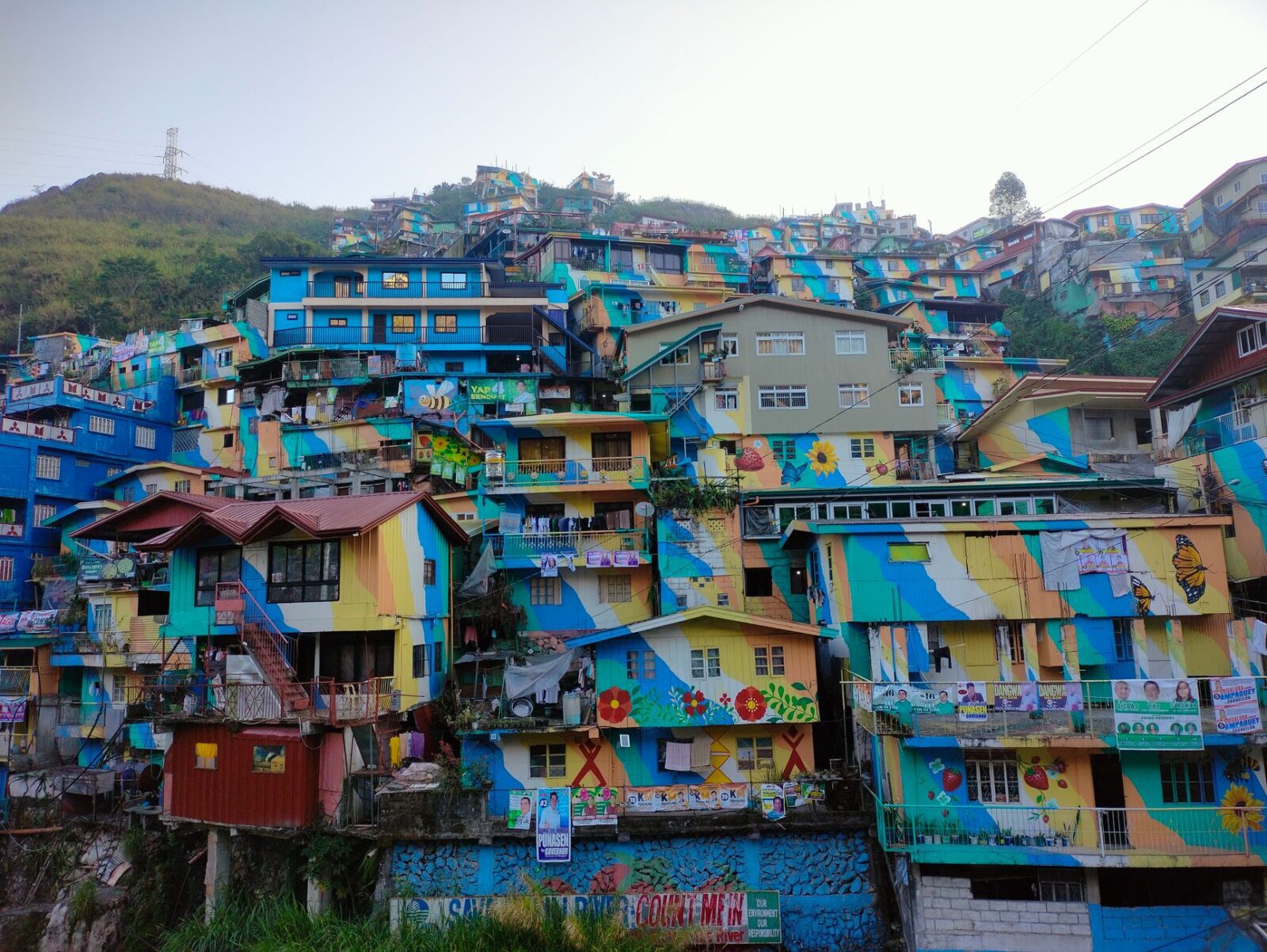
Valparaíso: Chile’s Port City Painted by Hillside Artists
Valparaíso’s steep hills are covered in a kaleidoscope of murals, graffiti, and painted houses that tell stories of the city’s maritime heritage. The tradition began in the early 20th century when port workers and artists started decorating the facades of warehouses and homes to brighten the often‑gray industrial landscape.
Today, the city’s open‑air gallery includes works by renowned Chilean muralists such as Roberto Matta and emerging street artists who use the walls to comment on social and political themes. The UNESCO‑listed historic quarter is a living canvas that evolves with each new generation.
Travelers should ride the historic ascensores (funiculars) to reach the highest viewpoints, where the full spectrum of colors unfolds beneath the Pacific. Wear sturdy shoes, as many pathways are narrow and steep, and consider a guided tour to learn the stories behind the most iconic murals.
Guanajuato: Mexico’s Underground Tunnels and Candy-Colored Facades
Guanajuato’s historic center is a maze of narrow alleys and plazas lined with buildings painted in pastel pinks, lime greens, and sunny yellows. The city’s unique layout includes a network of underground tunnels that were originally built to divert floodwaters from the Guanajuato River and now serve as vehicular roads.
The colorful facades date back to the colonial era when wealthy mining barons painted their homes to display prosperity and to differentiate their properties in the crowded valley. The tradition continued through the 20th century, supported by local artisans who specialize in traditional lime‑based paints.
Visitors can explore the Alley of the Kiss, a narrow passage where legend says couples who kiss here will enjoy seven years of happiness. A practical tip is to visit the Museo de las Momias early in the day to avoid the heat, then wander the colorful streets as the temperature drops in the evening.
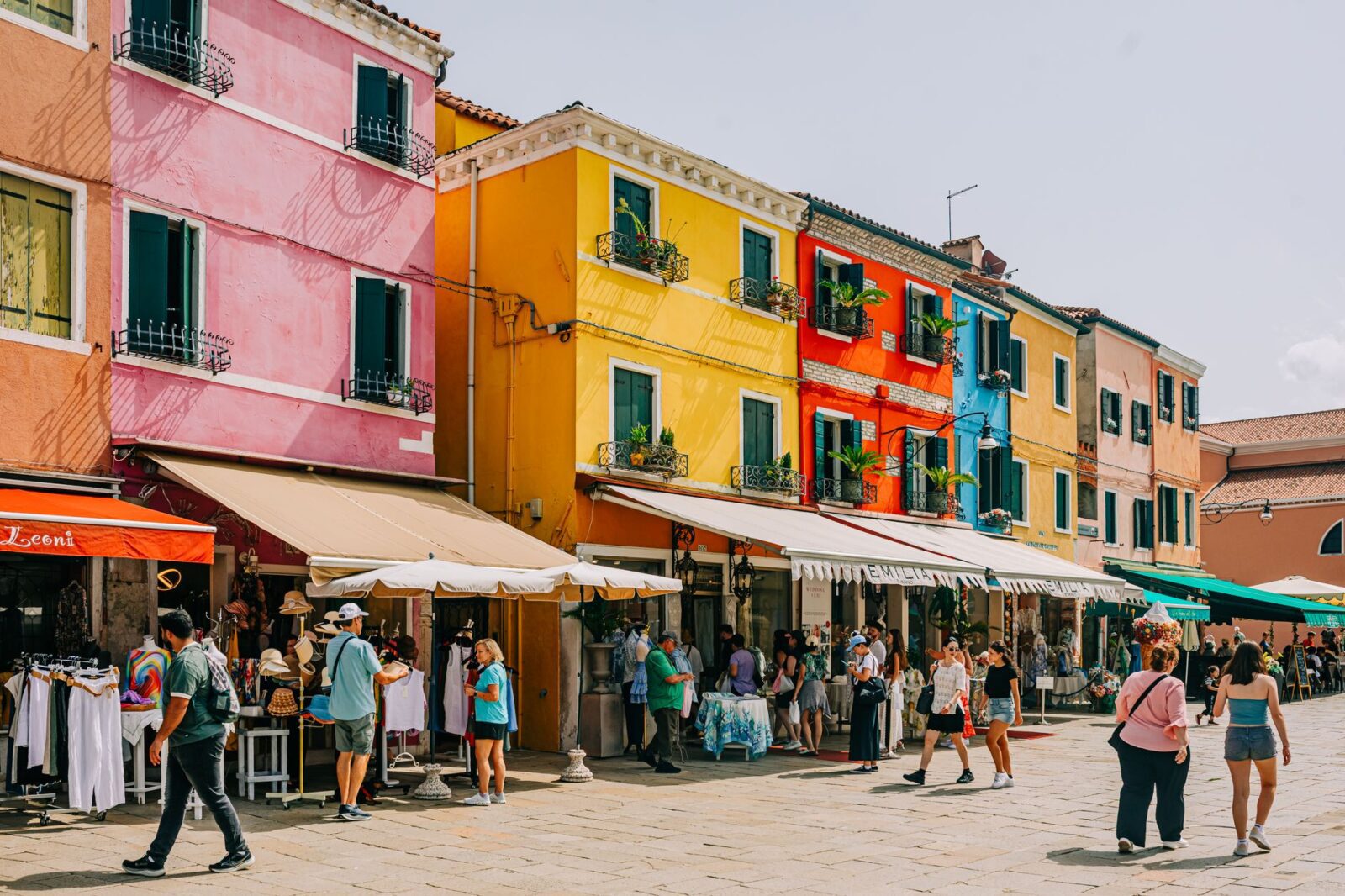
Jodhpur: The Blue City of India and Its Ancient Cooling Trick
Jodhpur, known as the Blue City, features a striking cluster of indigo‑washed houses in the old town surrounding the Mehrangarh Fort. The blue wash, made from a mixture of limestone and copper sulfate, was originally applied by Brahmin households to signify their high caste status.
Beyond symbolism, the blue coating serves a practical purpose: it reflects the intense desert sun, helping to keep interiors cooler during scorching summers that regularly exceed 40 °C (104 °F). The color also acts as a natural deterrent to certain insects, adding to its functional appeal.
Travelers should time their visit for the early morning or late afternoon to avoid the harsh midday heat and to see the fort bathed in golden light. A stay in a heritage haveli (traditional mansion) offers a chance to experience the blue walls up close while enjoying Rajasthani hospitality.
Bo Kaap: Cape Town’s Malay Quarter and the Story Behind Its Bright Homes
Bo Kaap’s cobblestone streets are lined with houses painted in vivid pinks, turquoise, lime green, and sunny orange. The area was settled in the 1760s by enslaved people from Malaysia, Indonesia, and other parts of Africa, who brought with them a vibrant cultural heritage that is still celebrated today.
After the end of apartheid, residents began painting their homes in bright colors as an expression of freedom and joy. The municipal government encourages this practice, providing subsidies for paint to maintain the neighborhood’s distinctive look. The bright hues also help reflect sunlight, reducing indoor temperatures in the summer months.
Visitors should join a guided walking tour to learn about the Cape Malay cuisine, including dishes like bobotie and samoosas, and to hear personal stories from community elders. Dress modestly when entering mosques, and remember to ask permission before photographing private residences.
Pelourinho: Salvador’s Historic Center Where Colonial Past Meets Vivid Paint
Pelourinho, the historic heart of Salvador, Brazil, is a UNESCO World Heritage site renowned for its colonial‑era buildings painted in brilliant yellows, blues, and reds. The pastel palette dates back to the 18th century when Portuguese settlers used lime‑based washes to protect the façades from the humid tropical climate.
In recent decades, a cultural revival has seen local artists repaint many structures with even bolder colors, celebrating Afro‑Brazilian heritage through murals that depict orishas, capoeira, and carnival scenes. The result is a dynamic blend of historic architecture and contemporary street art.
Travelers should explore Pelourinho on foot, stopping at the Igreja de São Francisco to see its gilded interior, and then head to the nearby Mercado Modelo for handicrafts. A practical tip is to visit during the day’s cooler hours and to stay hydrated, as the humidity can be intense.
St. John’s: Newfoundland’s Colorful Row Houses and the Fog‑Fighting Tradition
St. John’s, the capital of Newfoundland and Labrador, is famous for its “Jellybean Row” – a series of terraced houses painted in bright primary colors that line the downtown streets. The tradition began in the mid‑20th century when residents chose vivid hues to make their homes stand out against the frequent fog and gray skies that envelop the city.
The bright paint serves a practical safety function: it helps mariners and pilots identify buildings from a distance during low‑visibility conditions. Over time, the colors have become a point of civic pride, with an annual “Paint the Town” festival encouraging residents to refresh their façades.
Visitors should walk along Water Street and Duckworth Street to see the full spectrum, and then signal their appreciation by trying a slice of touton (a fried dough snack) with molasses. A waterproof jacket is advisable, as the fog can roll in quickly off the Atlantic.
Wrocław: Poland’s Dwarf‑Filled Streets and the Post‑War Paint Revival
Wrocław, located in western Poland, is known for its Market Square surrounded by colorful townhouses that display shades of pastel pink, mint green, and soft lavender. After World War II, much of the city’s historic center was rebuilt, and authorities encouraged the use of cheerful colors to lift spirits and signal a new beginning.
The city’s whimsical charm is amplified by the presence of over 300 bronze dwarf statues scattered throughout the streets, each painted in bright hues that complement the buildings. This public art project began in 2005 as a tribute to the Orange Alternative movement, which used absurdity to protest communist rule.
For travelers, a delightful way to experience Wrocław is to rent a bicycle and follow the “Dwarf Trail,” a self‑guided route that leads to the most famous statues. Stop at the historic Piwnica Świdnicka restaurant, one of Europe’s oldest cellars, to sample traditional Polish pierogi while admiring the colorful façades outside.
Stay informed with the latest travel news, visa updates, and destination guides. Follow HimalayanCrest.com for weekly travel intelligence delivered by our editorial team.