

Why Culture Is Becoming the UAE’s Top Travel Draw
For years, travelers associated the United Arab Emirates with glittering skyscrapers, luxury shopping malls, and sun‑kissed beach resorts. Recent data shows a clear shift: cultural experiences now rank among the top three motivations for visiting the country, according to the UAE Ministry of Economy’s 2025 tourism report. This change is not a fleeting trend but the result of deliberate investment in museums, art fairs, and heritage projects across Abu Dhabi, Dubai, and Sharjah. Travelers are increasingly booking flights specifically to spend days wandering museum halls, attending gallery openings, and exploring historic neighborhoods.
The transformation reflects a broader global movement where tourists seek deeper connections with the places they visit. In the UAE, the blend of cutting‑edge architecture and authentic Emirati traditions offers a unique cultural palette that appeals to art lovers, history buffs, and curious explorers alike. As a result, travel agencies have begun designing itineraries that place cultural sites at the heart of the journey, treating them as primary destinations rather than optional add‑ons.
Landmark Museums That Are Redefining the Travel Experience
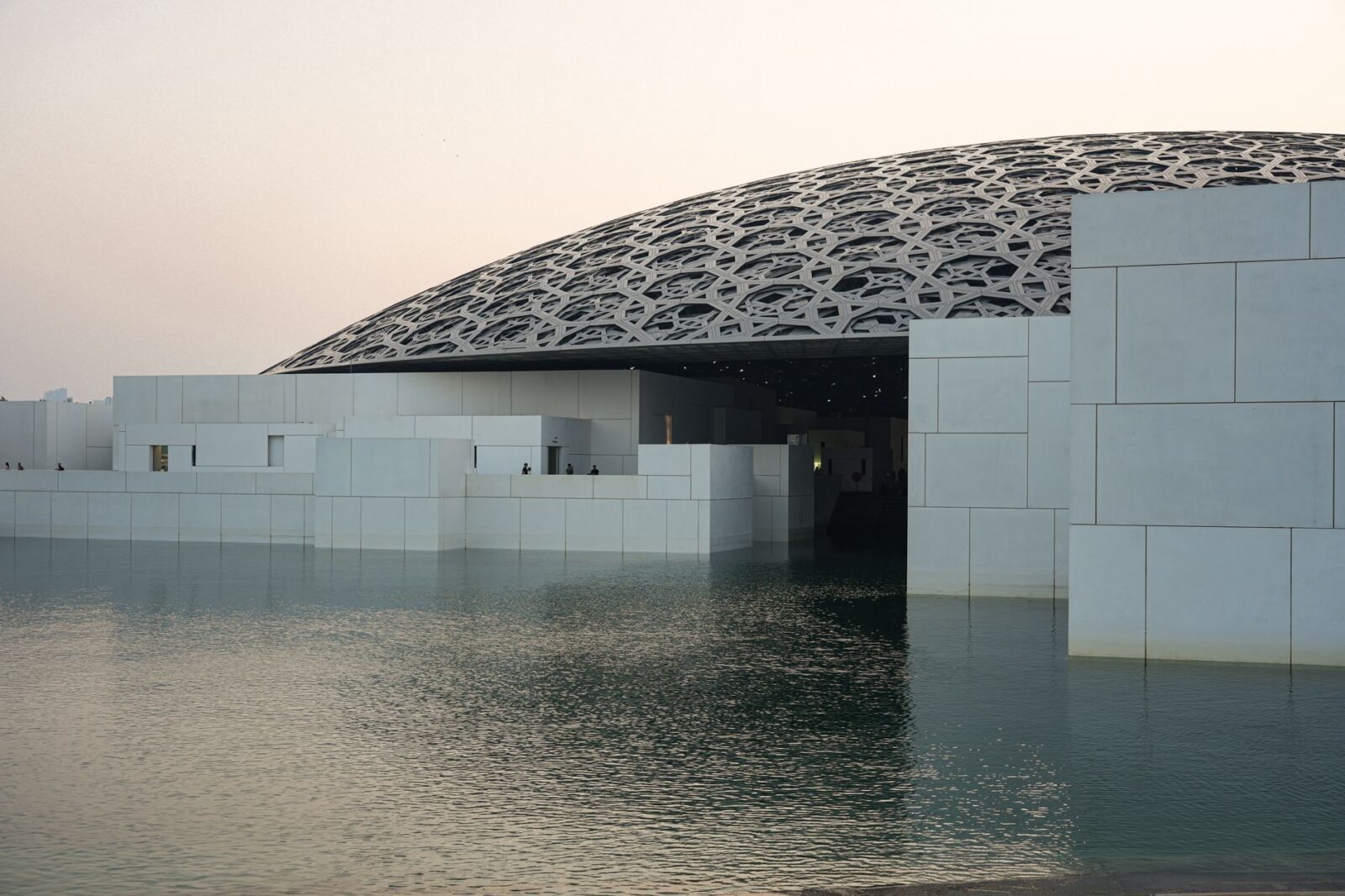
Abu Dhabi’s Louvre Abu Dhabi, which opened in November 2017, remains the flagship institution drawing international visitors. Its iconic dome creates a “rain of light” effect that has been praised by critics and tourists alike. Admission costs 63 UAE dirhams (approximately $17 USD) for adults, with reduced rates for students and seniors. In 2024 the museum welcomed over 1.8 million visitors, a 12% increase from the previous year, underscoring its growing appeal.
While the Guggenheim Abu Dhabi is still under construction, its anticipated opening in 2027 has already sparked excitement among art collectors and curators. The museum’s design by Frank Gehry promises to become another architectural landmark on Saadiyat Island. Meanwhile, Sharjah’s Art Museum, established in 1995, offers free entry to its permanent collections featuring works from across the Arab world and Iran. The museum’s regular temporary exhibitions attract scholars and casual visitors seeking a deeper understanding of regional artistic movements.
Dubai’s emerging museum scene includes the newly opened Museum of the Future, which opened in February 2022 and focuses on innovation, technology, and speculative design. Ticket prices are 145 AED (about $40 USD) for adults, and the museum’s immersive exhibits have become a popular stop for families and tech enthusiasts. Together, these institutions form a cultural corridor that encourages travelers to spend multiple days exploring different facets of Emirati and global creativity.
Art Fairs and Festivals Turning the Calendar Into a Cultural Circuit
The UAE’s art fair calendar has expanded significantly, giving travelers clear reasons to plan visits around specific events. Art Dubai, held annually in March at Madinat Jumeirah, is the region’s premier contemporary art fair. In 2025 it featured over 80 galleries from 40 countries and attracted roughly 25,000 visitors over four days. A standard day pass costs 100 AED (around $27 USD), while a full‑four‑day pass is priced at 350 AED (about $95 USD).
Abu Dhabi Art, taking place each November at the Manarat Al Saadiyat venue, showcases modern and contemporary works with a strong emphasis on Middle Eastern creators. The 2024 edition reported 18,000 attendees and highlighted emerging artists from Saudi Arabia, Egypt, and Iraq. Ticket prices are similar to Art Dubai, making it accessible for both serious collectors and curious tourists.
Beyond the major fairs, cities host numerous smaller festivals that enrich the cultural landscape. The Sharjah Biennial, held every two years, transforms the emirate into a sprawling exhibition space with installations in public squares, historic buildings, and desert outskirts. The 2025 edition drew over 120,000 visitors and included performances, film screenings, and workshops. These events provide travelers with immersive experiences that go beyond traditional gallery visits.
Heritage Neighborhoods and Public Art Projects Beyond the Galleries
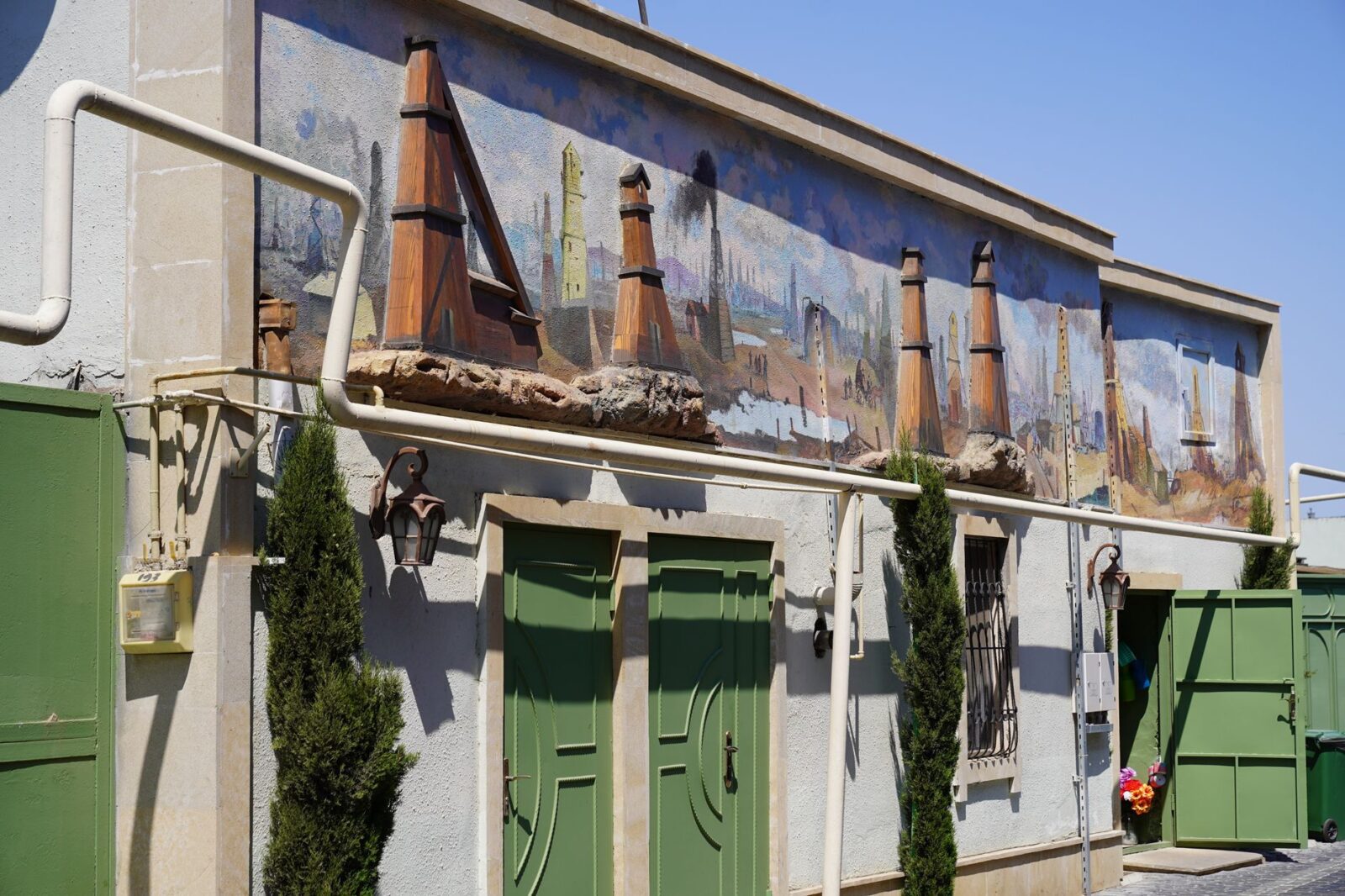
While museums and fairs capture headlines, the UAE’s cultural revival also thrives in its historic districts and public spaces. Dubai’s Al Fahidi Historical Neighborhood, with its winding lanes, wind‑tower architecture, and courtyard houses, offers a glimpse into life before the oil boom. Guided walking tours, often priced at 50 AED ($14 USD) per person, lead visitors through museums, art galleries, and traditional cafés serving Emirati dishes like machboos and luqaimat.
Sharjah’s Heart of Sharjah project continues to restore heritage buildings while integrating contemporary art installations. The initiative has turned entire blocks into open‑air museums where sculptures and murals dialogue with restored souks and mosques. Entry to most outdoor installations is free, encouraging spontaneous exploration.
Dubai’s Public Art program, overseen by Dubai Culture, aims to turn streets, parks, and transit hubs into curated art spaces. Recent projects include large‑scale murals along Sheikh Zayed Road, interactive light installations at Zabeel Park, and sculpture trails along the Dubai Water Canal. These works are freely accessible and provide a constantly evolving backdrop for both residents and tourists.
How Luxury Travel Is Evolving Into Art‑Centric Journeys
The notion that luxury in the UAE equals only five‑star hotels and designer boutiques is being reshaped by a new breed of affluent travelers who prioritize cultural enrichment. High‑end properties such as The Ritz‑Carlton, Dubai, and Emirates Palace, Abu Dhabi now offer curated art concierge services. These packages can include private museum tours, access to preview exhibitions, and meetings with resident artists, often starting at $500 USD per day in addition to room rates.
Luxury tour operators have responded by creating itineraries that blend five‑star accommodations with deep cultural immersion. A sample seven‑day itinerary might include two nights at a desert resort with a guided visit to the Al Ain Oasis UNESCO site, three nights in Dubai with private tours of Alserkal Avenue and the Dubai Opera, and two nights in Abu Dhabi featuring sunset views from the Louvre’s dome and a behind‑the‑scenes look at the Guggenheim construction site. The total cost for such a trip, excluding international flights, typically ranges from $4,500 to $6,500 USD per person.
Even travelers with moderate budgets can enjoy art‑focused luxury by selecting boutique hotels that emphasize local design. Properties like XVA Art Hotel in Dubai’s Al Fahidi district combine rooms decorated with contemporary Middle Eastern art with rates starting around $180 USD per night. This approach allows visitors to stay within a culturally rich environment without paying premium luxury prices.
Practical Tips: Planning a Culture‑Focused UAE Trip on Any Budget
First, determine which emirates align with your interests. Abu Dhabi excels in world‑class museums and island‑based cultural districts, Dubai offers a mix of contemporary art scenes and historic neighborhoods, and Sharjah stands out for its deep heritage programs and biennial exhibitions. Allocating at least two full days per emirate ensures enough time to explore major sites without feeling rushed.
Second, purchase a cultural pass where available. The Dubai Culture & Tourism Authority occasionally offers a “Dubai Culture Pass” that bundles entry to multiple museums, galleries, and heritage sites for a reduced rate. In 2025 a three‑day pass cost 250 AED (about $68 USD) and included access to the Dubai Museum, Etihad Museum, and selected galleries in Alserkal Avenue.
Third, use public transportation to save money and see the city like a local. Dubai’s Metro and bus network connect major cultural districts, with a one‑day pass priced at 20 AED (around $5.50 USD). Abu Dhabi’s public bus system offers similar affordability, and Sharjah’s centralized layout makes walking or short taxi rides economical.
Fourth, consider timing your visit around major events to maximize cultural exposure. Traveling in March aligns with Art Dubai, while November coincides with Abu Dhabi Art and the cooler weather ideal for outdoor heritage walks. Avoiding the peak summer months (June‑August) not only reduces heat but also often lowers hotel rates by 20‑30%.
Finally, budget for meals that reflect the local culture. A traditional Emirati lunch at a modest restaurant in Al Fahidi costs roughly 30‑40 AED ($8‑11 USD), while a fine‑dining experience featuring Emirati fusion cuisine at a luxury hotel may run 200‑250 AED ($55‑68 USD). Balancing splurges with affordable eateries helps keep daily food expenses between $30 and $70 USD for most travelers.
What This Shift Means for the Future of Middle East Tourism
The UAE’s cultural transformation is influencing neighboring countries to invest more heavily in their own artistic infrastructure. Saudi Arabia’s recent launch of the Diriyah Biennale and Qatar’s expansion of the Museum of Islamic Art signal a regional shift toward culture‑driven tourism. Industry analysts predict that by 2030, cultural tourism could account for over 35% of all international arrivals to the Gulf Cooperation Council (GCC) states, up from an estimated 22% in 2023.
For travelers, this means a growing array of options for combining luxury, adventure, and artistic exploration within a single region. The success of the UAE model demonstrates that destinations can move beyond reliance on retail and beach tourism to create sustainable, year‑round appeal rooted in creativity and heritage. As more museums open and art fairs mature, the UAE is likely to remain a benchmark for how a nation can redefine its global travel identity.
“Cultural tourism in the UAE has grown at an average annual rate of 14% since 2019, outpacing overall tourism growth of 9% during the same period.”
FAQ: Quick Answers for Travelers Considering a Cultural UAE Getaway
- Do I need a visa to visit the UAE for cultural tourism?
Most nationalities can obtain a visa on arrival or apply for an e‑visa online. Citizens of the GCC, EU, United States, Canada, Australia, and many Asian countries receive a 30‑day tourist visa free of charge upon arrival. It is advisable to check the latest requirements on the official UAE government portal (https://www.uae-embassy.org) before traveling. - What is the best time of year to enjoy outdoor heritage sites and public art?
The period from late October to early April offers pleasant temperatures, ranging from 20°C to 30°C (68°F to 86°F). This window coincides with major cultural events such as Art Dubai (March) and Abu Dhabi Art (November), making it ideal for combining indoor museum visits with outdoor explorations. - How much should I budget for a five‑day cultural trip focusing on museums and art fairs?
A mid‑range traveler can expect to spend approximately $800‑$1,200 USD excluding international flights. This estimate includes three‑star hotel accommodation ($70‑$100 per night), museum entry fees ($15‑$25 per site), public transport ($5‑$8 per day), meals ($30‑$50 per day), and a one‑day art fair pass ($27‑$95). Luxury travelers should add $250‑$400 per night for premium hotels and private guided tours. - Are there any free cultural attractions worth visiting?
Yes. Many heritage neighborhoods such as Al Fahidi in Dubai and the Heart of Sharjah offer free wandering opportunities. Public art installations along Sheikh Zayed Road, Zabeel Park, and the Dubai Water Canal are accessible at no cost. Additionally, the Sharjah Art Museum’s permanent collection and several smaller galleries in Alserkal Avenue host free entry days, typically on Thursdays. - Can I combine a cultural trip with other activities like desert safaris or beach relaxation?
Absolutely. Most tour operators offer customizable packages that pair morning museum visits with afternoon desert excursions or evening beachfront dining. For example, a day in Abu Dhabi could start at the Louvre, continue with a heritage walk in Al Ain, and end with a sunset camel trek in the Liwa desert. This flexibility allows travelers to enjoy both the cultural depth and the traditional Emirati adventure experiences.
Stay informed with the latest travel news, visa updates, and destination guides. Follow HimalayanCrest.com for weekly travel intelligence delivered by our editorial team.