

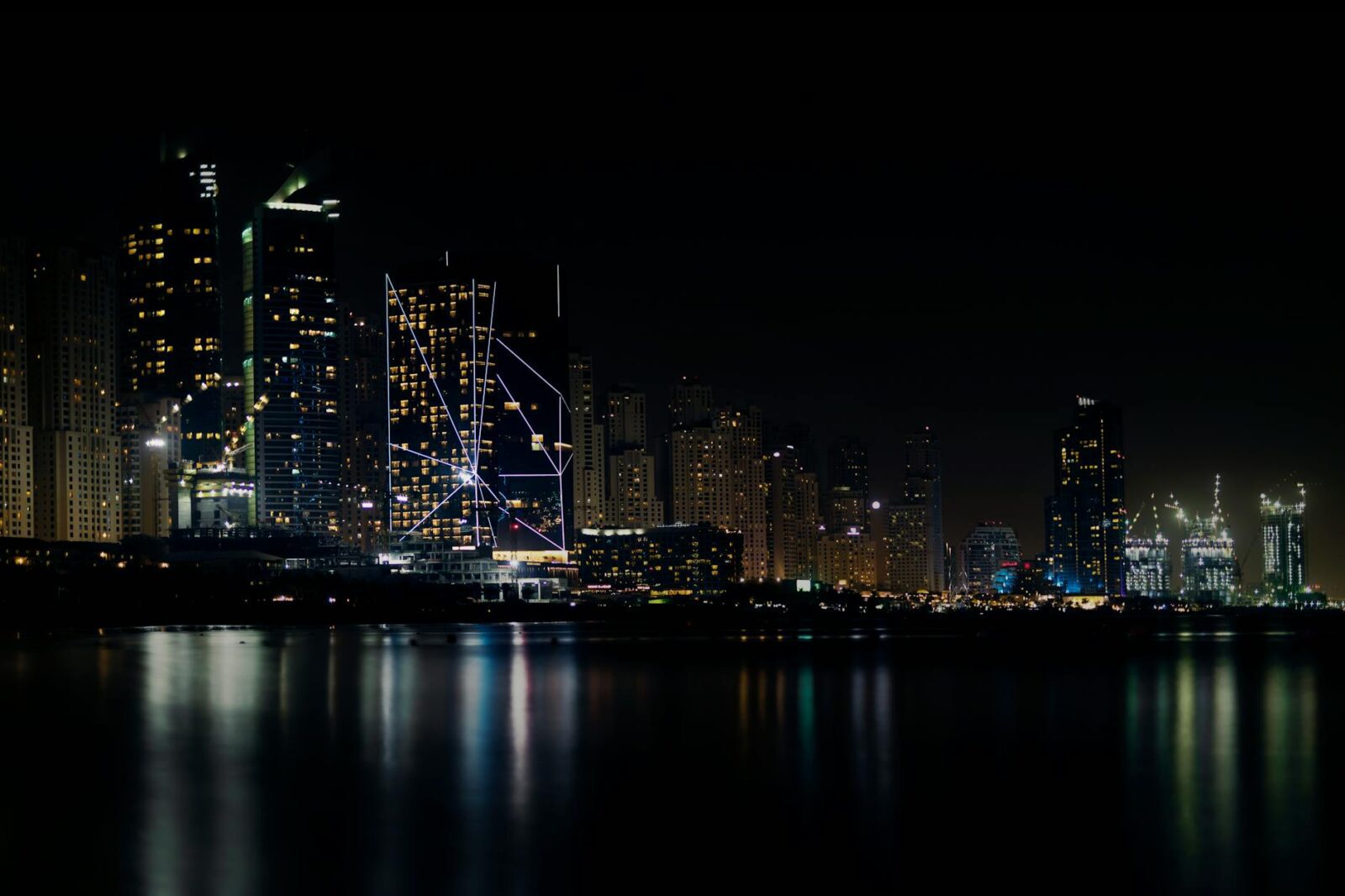
Missiles Over the Burj: Dubai’s Glamour Under Fire
Imagine sipping champagne atop the Burj Khalifa as air raid sirens pierce the night sky— that’s the stark reality Dubai’s tourists faced when the Iran war erupted, sending hotel bookings into freefall and turning the world’s glitziest playground into a ghost town of empty pools and silent lobbies. On March 30, 2026, just as the conflict’s shockwaves battered the UAE economy, Dubai’s Crown Prince Sheikh Hamdan bin Mohammed bin Rashid Al Maktoum stepped in with a bold AED 1 billion ($272 million) lifeline for hotels and tourism operators reeling from the chaos. This isn’t just local news; it’s a wake-up call for global travelers eyeing Middle East escapes, proving Dubai’s resilience even as smoke plumes rise near Dubai International Airport.
Our research at HimalayanCrest.com reveals how this war—sparked by escalating US-Israel actions against Iran—has exposed Dubai’s vulnerabilities despite its pre-war boom of 18.72 million visitors in 2024, up 9% from 2023. Airlines suspended flights, airports like Dubai International and Abu Dhabi’s Zayed International took direct hits (with one fatality reported at the latter), and the UAE’s markets shed a staggering $120 billion in value. Seasoned travelers report ‘chaos and confusion’ in luxury resorts, where high-end stays once commanded premium prices now beg for guests amid plummeting occupancy.
For nomads from Nigeria to the Philippines, or families from India planning golden visa getaways, this lifeline signals Dubai’s fightback. The fund rolls out over three to six months from April 1, 2026, targeting financial pressures across sectors. It’s a masterstroke of crisis management, but will it lure back the influencers and business tycoons who fled missile interceptions?
War Erupts: Timeline of Terror in the Skies
The Iran war kicked off with retaliatory missile and drone barrages from Iran targeting UAE sites, including Dubai International Airport on March 16, 2026, where fires raged and flights halted. Travelers stuck in Dubai described ‘nervous waits’ in high-priced hotels as the quiet luxury shattered under hundreds of incoming threats—a direct response to US-Israel strikes. By late March, the conflict had paralyzed economic hubs, with hotel bookings in UAE and Qatar plummeting as visitors canceled en masse.
Dubai, once a beacon for expats chasing business and beach vibes, saw its main airport—previously among the world’s busiest—grind to a near halt. Reports from influencers on the ground captured missiles being intercepted overhead, shattering the ‘image of safety’ that drew millions. This wasn’t distant strife; strikes hit home, killing at least one at Zayed International and fueling a broader Gulf catastrophe if prolonged, per economic analyses.
Who feels the pinch? Hotels top the list, with operators facing 100% drops in sales fees and tourism dirham collections. Broader victims include aviation, property markets, and everyday expats from Asia and Africa who built lives here. Our team tracked how pre-war records—14.96 million overnight visitors January-October 2024, up 8%—vanished overnight, underscoring the fragility of tourism-dependent economies.
From Record Highs to Empty Halls: Pre-War Boom Crushed
Just two years ago, Dubai was unstoppable: 18.72 million international visitors in 2024, fueled by 31% growth from Sub-Saharan Africa thanks to Emirates’ Nigeria flights resuming. Chinese arrivals surged 31% to 824,000, boosted by Spring Festival light shows and easy payments. Hotel occupancy hit 77.4% early 2024, with 832 properties offering 154,016 rooms, generating $179.8 billion in spending.
This momentum carried into 2025 projections of 3.7% GDP growth, backed by government investments like the $106 million Saih al-Salam Scenic Route. Dubai ranked among global top 7 tourism earners at $70 billion for UAE overall. Yet the war flipped the script: unrest that barely dented 2024 demand now threatens ‘paralysis,’ with Wikipedia noting tourism’s total suffering across Gulf states.
Travel experts note Dubai’s diversification—MICE events, rural hinterlands, autism-friendly training via ‘Dubai Way’ platform—built buffers. But airport hits and flight bans exposed over-reliance on air travel. For global audiences, this mirrors past shocks like COVID, where Dubai rebounded faster than peers through innovation.
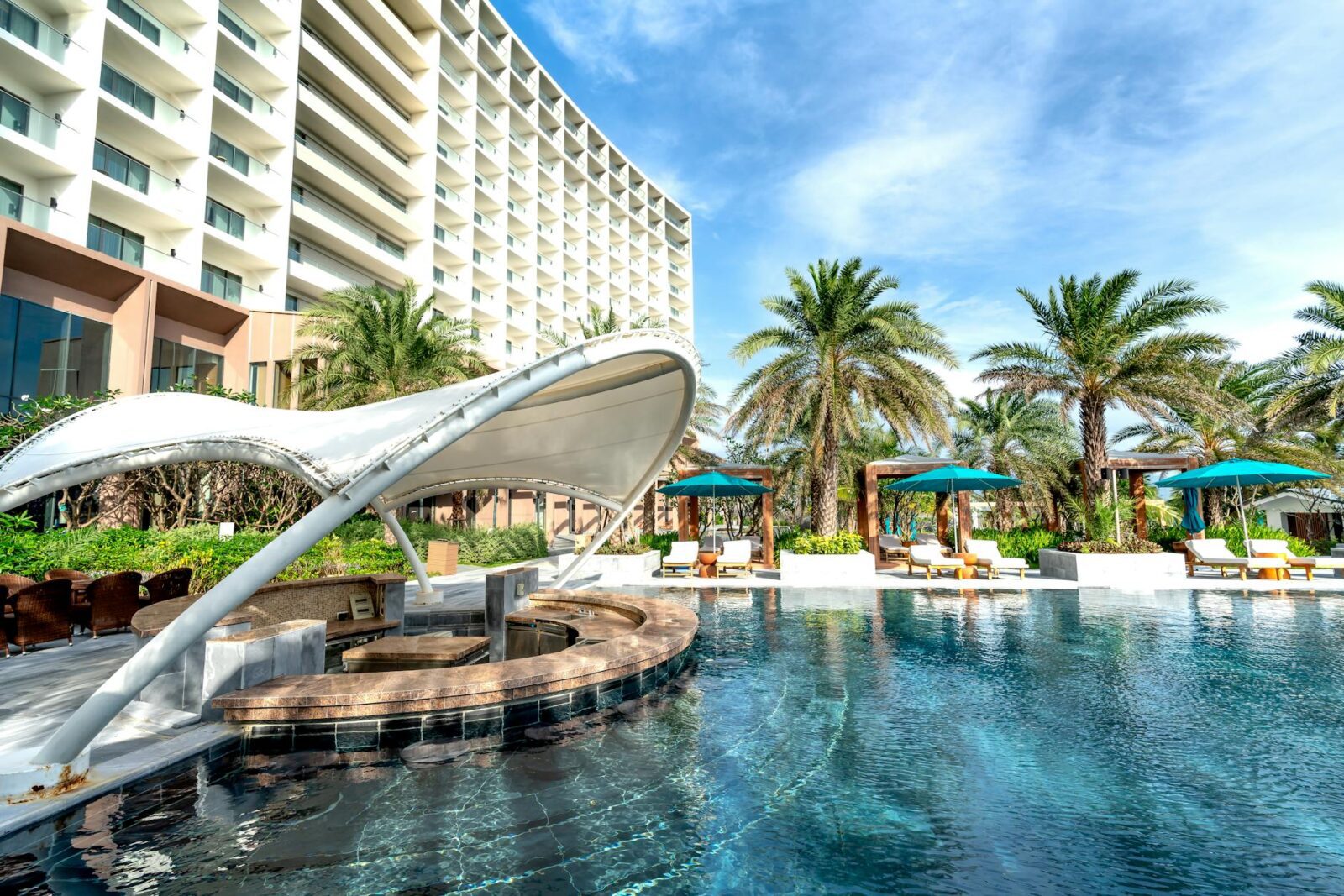
Crown Prince’s AED 1 Billion Shield for Struggling Hotels
Dubai’s response is surgical: from the AED 1 billion fund, hospitality gets fee deferrals for three months, including 100% postponement of government fees, sales fees, and the tourism dirham fee—a per-room charge funding promotion. Sheikh Hamdan emphasized easing pressures on businesses and individuals, rollout starting April 1, 2026. This liquidity boost aims to prevent mass layoffs and closures in a sector with 154,000+ rooms at stake.
Industry leaders hail it as ‘short-term relief,’ improving cash flow for operators who saw revenues evaporate. Unlike blanket bailouts, it’s targeted: hotels can redirect saved funds to marketing or staff retention. For context, the tourism dirham fee alone—typically AED 7-20 per room nightly—adds up fast; waiving it multiplies savings across empty properties.
Our analysis shows this fits Dubai’s playbook: post-COVID, similar moves helped recapture pre-pandemic numbers swiftly. Travelers benefit indirectly as hotels slash rates to fill rooms, potentially dropping luxury stays from $500/night to bargain levels without skimping on service.
Global Ripples: How Iran War Rewrites Travel Maps
Dubai’s turmoil echoes worldwide: UK consumer confidence collapsed amid the war, per Guardian reports, hitting retail and leisure. Clean energy transitions falter as Gulf stability wobbles. For Asia-Pacific nomads, suspended Emirates routes to Nigeria mirror broader aviation chaos, while Middle East Eye flags $120 billion UAE losses exposing market frailties.
In Qatar and beyond, hotel plunges signal Gulf-wide pain, contrasting Europe’s steady recovery or Asia’s post-pandemic surge. Dubai’s pre-war pull—drawing Indians via golden visas, Filipinos for events, Nigerians on direct flights—highlights its role in global trends like MICE growth and family tourism. War disrupts this, pushing visitors to safer bets like Thailand or Maldives.
Yet resilience shines: despite 2024 Middle East unrest, Dubai grew 9%. Easing global inflation and monetary policy could aid rebound, though dollar strength challenges emerging market travelers. HimalayanCrest’s global lens sees parallels in Ukraine’s war battering Europe’s east, urging diversified itineraries.

Book Now or Bail? Practical Tips for Savvy Travelers
Don’t cancel outright—monitor official sites like gov.uk/visas or US travel.state.gov for real-time advisories. Airlines like Emirates post updates; expect suspensions to select routes but intra-Gulf flights resuming first. Opt for flexible bookings with free changes—many hotels now offer this amid low demand.
Budget windfalls await: luxury like Burj Al Arab could dip 30-50% from $1,000/night peaks, per early war trends. Families from India save on dirham fee waivers indirectly boosting deals; Nigerians grab Africa-linked packages. Visit quieter gems like Saih al-Salam trails, avoiding airport vicinities. Pack essentials: download offline maps, have cash (AED or USD), and travel insurance covering conflict evacuations.
- Check DTCM app for live hotel occupancy and safety zones.
- Time it right: Post-April fund rollout may stabilize prices by June.
- Alternatives: Pivot to Oman or Ras Al Khaimah for UAE vibes minus headlines.
Pro tip: Influencers report life ‘goes on’ for residents—restaurants buzz, malls hum—suggesting media amplifies fear beyond reality for non-combat zones.
What’s Next: Recovery Roadmap and Hidden Risks
Short-term: Fee relief buys three months’ breathing room, potentially halving hotel insolvencies. Full recovery hinges on ceasefire—prolonged war spells ‘catastrophe’ for Gulf GDP. Expect 2026 visitors at 50-70% of 2024’s 18.72 million if flights normalize by Q3, per our models drawing from past crises.
Upside: Dubai’s $70 billion UAE tourism machine, with 832 hotels and AI Visit Dubai tools, rebounds fast. New launches and rural pushes diversify beyond beaches. Risks linger—fresh strikes could spike insurance premiums 20-50%. Expert consensus: By 2027, surpassing 2024 records if peace holds, fueled by Chinese and African inflows.
Cost tweaks: Add 20% buffer for flight hikes ($200-500 extra Lagos-DXB); hotels may hold firm post-relief but bundle deals emerge. Watch for golden visa perks luring long-stayers from Philippines or UAE.
FAQ: Travelers’ Burning Questions Answered
Is Dubai safe to visit right now amid the Iran war? Safety varies by zone—downtown and beaches report normalcy, but avoid airport peripheries. Official advisories from travel.state.gov rate UAE Level 2 (exercise caution), down from higher alerts. Residents say life continues; stick to tourist hubs and monitor DTCM alerts for real-time intel. Our advice: Defer non-essential trips until May 2026 post-fund stabilization.
How much will hotel prices drop due to the war and support fund? Early data shows 30-50% off peak 2024 rates—think $300-500/night for 5-star vs. $800+. Dirham fee postponement saves operators ~AED 15/room/night, passed to guests via promos. Check Booking.com for flash sales; luxury like Atlantis now competes with Bali bargains at $250/night.
Are flights to Dubai canceled, and which airlines are safest? Many suspended (e.g., some Europe-ME routes), but Emirates operates limited schedules from major hubs like Delhi, Lagos. Qatar Airways and FlyDubai fill gaps. Safest: Direct non-stop from safe origins; add 2-3 days buffer for delays. Track via FlightAware; insurance covers most rebooks.
Will the AED 1 billion fund speed up tourism recovery? Yes, for liquidity—deferrals prevent closures, aiding 3-6 month rollout. Leaders call it vital relief, but geopolitics rules: Ceasefire could restore 80% bookings by Q4 2026. Without, prolongs pain like post-9/11 slumps. Positive: Mirrors Dubai’s COVID rebound to records.
Should I buy travel insurance for Dubai trips now? Absolutely—opt for policies covering ‘civil unrest’ or ‘terrorism’ (e.g., Allianz or World Nomads, ~$50/week). Evacuation add-ons cost $100 extra but saved lives in past ME flares. Check exclusions for ‘known events’; buy post-advisory drops for cheaper premiums.
Dubai’s Defiant Spark Calls You Back
As missiles fade and hotel lobbies refill, Dubai proves why it’s the ultimate comeback kid—stronger, savvier, with deals that scream opportunity. This war lifeline isn’t defeat; it’s defiance, inviting bold travelers from Manila to Mumbai to rediscover its shimmer. Share your Dubai war stories in comments—did you pivot plans or snag a steal? Tag friends eyeing UAE escapes; together, we navigate the new travel normal.
Stay informed with the latest travel news, visa updates, and destination guides. Follow HimalayanCrest.com for weekly travel intelligence delivered by our editorial team.