


Rome Just Became the Second-Largest Luxury Hotel Hub in Europe—Here’s What That Means for Your Trip
Rome is experiencing a hotel renaissance that rivals London itself. According to Tourism Rome, the Eternal City now ranks second only to London for the number of five-star hotel rooms available, with even more high-end properties launching throughout 2026. This explosion of luxury accommodations—from restored heritage properties to cutting-edge design hotels—has fundamentally changed how travelers can experience Rome. But with hundreds of new options, choosing where to stay has become more complex than ever. The real question isn’t just which hotel to book, but which neighborhood aligns with the Rome experience you actually want: Are you chasing Instagram-worthy Colosseum views, seeking bohemian charm in local wine bars, or looking for serene tranquility away from the tourist crush?
The expansion matters because it signals something deeper about Rome’s tourism evolution. For decades, Rome’s hotel landscape was dominated by a handful of locally-owned properties and international chains clustered in predictable areas. Today, boutique hotels, design-forward guesthouses, and luxury brands are spreading across neighborhoods that tourists rarely ventured into a decade ago. This democratization of quality accommodations means travelers can now experience Rome like locals—living in residential neighborhoods with authentic cafes, family-run restaurants, and genuine street life—without sacrificing comfort or convenience.
The Historic Center: Timeless Elegance at a Premium
The Historic Centre (Centro Storico) remains the gravitational center of Rome tourism, and for good reason. This is where the Pantheon, Trevi Fountain, Spanish Steps, and Piazza Navona cluster within walking distance of each other. The neighborhood pulses with energy from dawn until well past midnight, with cobblestone streets lined with gelato shops, trattorias, and centuries-old churches at nearly every corner. For first-time visitors, staying here means maximum convenience—you can see major attractions without burning through days on public transportation.
The trade-off is both financial and atmospheric. Historic Centre hotels command premium prices, and the streets become tourist gauntlets by midday. However, if you’re willing to pay for location, properties here deliver exceptional value in terms of walkability. The Albergo del Senato exemplifies this sweet spot: a 3-star hotel with a 9.2/10 rating that overlooks the Pantheon directly, putting Piazza Navona and Trevi Fountain within a 5-minute walk. Room rates range from €€ to €€€ (approximately $150-250 USD), making it accessible compared to nearby luxury options. The Condotti Boutique Hotel, a 4-star property near the Spanish Steps, offers family rooms and apartments alongside elegant marble floors and antique furnishings, with rates in the €€€ range ($200-350 USD). For travelers who want maximum historical immersion and don’t mind the crowds, the Historic Centre delivers unmatched convenience.
Trastevere: Charm, Authenticity, and That Golden-Hour Magic
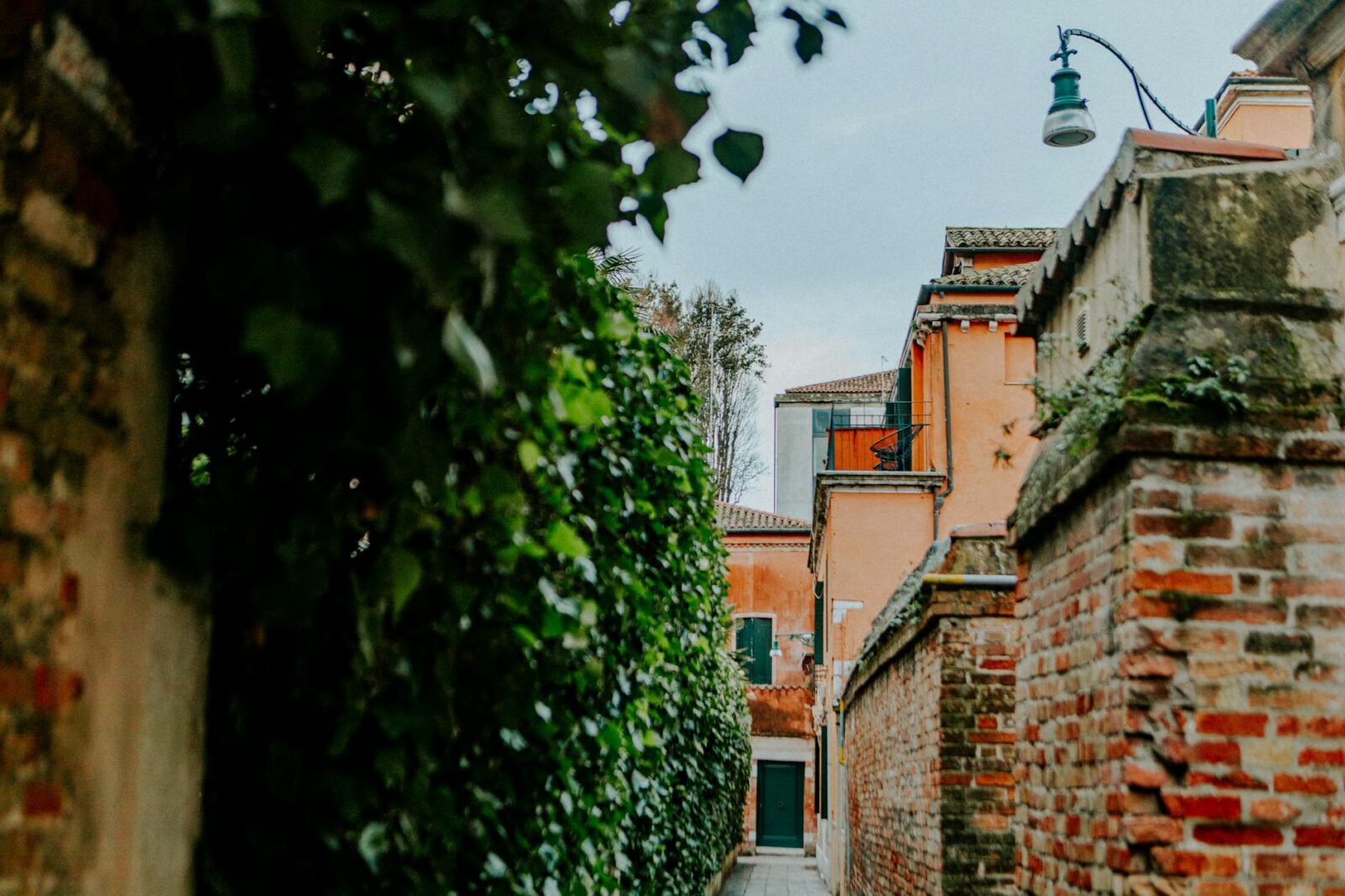
If the Historic Centre is Rome’s beating heart, Trastevere is its romantic soul. Located across the Tiber River on Rome’s west bank, Trastevere has become the most charming neighborhood for travelers seeking authentic Roman atmosphere without sacrificing modern comfort. Narrow, winding streets lined with ivy-covered buildings, amber streetlights reflecting off ancient cobblestones, and the sound of live music drifting from hidden piazzas define the Trastevere experience. Locals still outnumber tourists here, and the neighborhood retains a village-like quality that feels impossible in the crowded Historic Centre.
The neighborhood’s bohemian character makes it ideal for couples, creative travelers, and anyone who values ambiance over proximity to every single monument. Yes, the Vatican is roughly a 30-minute walk away, and major attractions require more travel time than from the Historic Centre, but many seasoned Rome visitors argue this trade-off is worth it. Horti 14 Borgo exemplifies Trastevere’s boutique hotel scene: a mid-century modern property with huge rooms, incredible common areas, and terrific service positioned on Trastevere’s northern edge. Rates range from $250-500 USD, reflecting the neighborhood’s premium positioning. The hotel sits about a 15-minute walk from Trastevere’s heart, 20 minutes to Piazza Navona, and a half-hour stroll to Vatican City. This slight distance from Trastevere’s center is actually an advantage—you’re in a quieter, more residential part of the neighborhood where Romans actually live and eat.
Monti: Where Bohemian Cool Meets Ancient Rome
Monti has emerged as the neighborhood for travelers who want local authenticity with easy Colosseum access. Positioned between the Historic Centre and Termini train station, Monti covers a large geographic area and boasts the highest hotel density in Rome, precisely because it balances convenience with genuine neighborhood character. The district pulses with trendy wine bars, hip boutiques, and a lively buzz that attracts younger travelers and creative professionals. Wandering Monti’s streets, you’ll find vintage clothing shops alongside contemporary art galleries, family-owned trattorias serving Roman classics, and locals genuinely going about their daily lives rather than performing for tourists.
The real advantage? You’re a short stroll from the Colosseum and Roman Forum, yet embedded in a neighborhood with authentic local energy. Hotel Canova delivers clean, no-frills 3-star comfort in Monti’s heart at $125-200 USD per night, with breakfast available at nearby cafes on Via Urbana and Via dei Capocci rather than at the hotel. For travelers seeking design-forward accommodations, Casa Monti caters to design lovers with contemporary style and boutique service. The neighborhood works particularly well for solo travelers and groups of friends who want walkable access to major attractions without the overwhelming tourist density of the Historic Centre. Monti also positions you perfectly for exploring Rome’s archaeological heart—the Roman Forum, Palatine Hill, and Colosseum are genuinely walkable, not just theoretically close.
Prati: Vatican Proximity Without the Tourist Circus
Prati, the neighborhood immediately south of Vatican City, offers a strategic advantage for travelers whose primary goal includes St. Peter’s Basilica and the Vatican Museums. Unlike the Historic Centre, Prati maintains a residential, working-class Roman character despite its proximity to one of Christianity’s holiest sites. The neighborhood has its own restaurants, markets, and daily rhythm—you’re not walking through an open-air museum, but through an actual neighborhood where Romans buy groceries and meet friends for coffee.
The Starhotels Michelangelo exemplifies Prati’s appeal: an upscale property with comfortable, spacious rooms, excellent breakfast service, and St. Peter’s dome visible from your room as you step outside. Located technically in the nearby Aurelio district (just south of Vatican territory), this hotel bridges Prati’s accessibility with slightly quieter positioning. Rates range from $150-250 USD, making it more affordable than comparable Historic Centre properties while delivering superior amenities. Prati works best for travelers whose itinerary centers on Vatican attractions, families seeking quieter neighborhoods with good restaurant options, and anyone who values neighborhood authenticity over constant monument proximity.
Aventino: Tranquility for Discerning Travelers
Aventine Hill (Aventino) represents Rome’s most underrated neighborhood option for travelers seeking proximity to the center combined with genuine tranquility. Best suited for older travelers, couples, and anyone prioritizing peace over constant activity, Aventino delivers a fundamentally different Rome experience. The neighborhood sits less than a five-minute walk from the Circo Massimo metro station, ensuring easy access to attractions without requiring constant walking through crowded streets. This accessibility paradox—being close to everything while feeling removed from the tourist machinery—makes Aventino ideal for travelers who want flexibility without exhaustion.
The Corner Townhouse, a modern boutique property on Viale Aventino, captures Aventino’s essence: stylish, contemporary design positioned in a genuinely quiet neighborhood at $150-300 USD per night. The neighborhood suits travelers seeking respite from Rome’s relentless energy, families with young children who need peaceful evenings, and anyone prioritizing neighborhood character over monument-hopping convenience. Aventino also offers proximity to some of Rome’s most important archaeological sites—the Circus Maximus, Temple of Hercules, and Orange Garden—yet these areas draw far fewer tourists than the Colosseum or Forum.
The New Luxury Wave: Campo Marzio and Beyond
Rome’s hotel expansion isn’t just adding rooms to existing neighborhoods—it’s revitalizing entire districts through heritage restoration and luxury development. The Corinthia Rome exemplifies this trend: a luxury property that revitalized a historic 1920s Bank of Italy building in Campo Marzio, a district full of life and landmarks that had been closed for more than two decades. The hotel features 60 spacious, bright rooms with exquisite inlays, mosaics, and frescoes, including the Theodoli Heritage Suite on the piano nobile (the building’s principal floor) that incorporates the bank’s original board room. This pattern—restoring heritage buildings into luxury hotels—is reshaping Rome’s tourism geography by making neighborhoods beyond the traditional tourist corridor attractive and accessible.
These new luxury properties matter because they’re not just adding capacity; they’re fundamentally changing which neighborhoods travelers consider viable. When a luxury brand like Corinthia invests in revitalizing a heritage building, it signals that the neighborhood is worth exploring beyond its historical significance. This creates a ripple effect: new restaurants open nearby, local businesses improve their offerings, and the neighborhood transforms from overlooked to desirable. For travelers booking in 2026, this means you can access genuinely new luxury experiences in neighborhoods that lacked high-end options just years ago.
Budget Strategy: How to Maximize Value Across Rome’s Neighborhoods
Rome’s expanded hotel market creates genuine budget flexibility if you understand neighborhood pricing dynamics. The Historic Centre commands premium rates—€€ to €€€ ($150-350+ USD)—because of unmatched monument proximity and constant demand. However, neighborhoods just one metro stop away often cost 30-40% less while delivering superior neighborhood character and local authenticity. Strategic positioning means choosing a neighborhood based on your actual daily activities, not just proximity to every attraction. If you’re spending three days exploring Vatican attractions, staying in Prati saves money and reduces daily commute stress. If you’re focused on archaeological sites, Monti positions you better than Trastevere despite being cheaper.
The emerging luxury properties in previously overlooked neighborhoods offer another budget angle: you can access luxury amenities (spa, fine dining, exceptional service) at rates lower than comparable Historic Centre properties because you’re in a less-saturated market. The Horti 14 Borgo in Trastevere at $250-500 USD offers mid-century modern design and service quality that would cost 50% more in the Historic Centre, yet you’re in a more charming neighborhood. For budget-conscious travelers, consider booking 3-star properties in Monti ($125-200 USD) or Aventino ($150-300 USD) rather than budget chains in the Historic Centre—you’ll save money while gaining authentic neighborhood experience.
What to Expect: Booking Trends and Availability in 2026
Rome’s hotel expansion means 2026 offers genuine choice for the first time in decades, but availability dynamics are shifting. The proliferation of luxury properties means high-end rooms are more available, but mid-range 3-star properties in desirable neighborhoods are becoming harder to book, especially during peak season (April-May, September-October). Early booking remains essential—aim for 2-3 months in advance for peak season, 4-6 weeks for shoulder season. The new luxury properties, while expensive, often have better availability than established mid-range hotels because they’re newer to the market and less known by guidebook-dependent travelers.
Expect dynamic pricing to intensify as more properties compete for market share. Hotels that recently opened or underwent major renovation often offer promotional rates during their first year to build occupancy—if you’re flexible on dates, you can capture significant savings on luxury properties. Conversely, established mid-range properties in prime neighborhoods maintain steady pricing because demand reliably exceeds supply. The strategic move: book luxury properties during their first year of operation for exceptional value, or choose mid-range properties in emerging neighborhoods where supply is still catching up to demand.
Frequently Asked Questions
Which neighborhood is best for first-time visitors to Rome?
The Historic Centre offers maximum convenience and proximity to major attractions, making it ideal for first-timers with limited time who want to see everything efficiently. However, if you have 4+ days and value authentic experience over constant monument-hopping, Trastevere or Monti offer superior neighborhood character with only slightly longer travel times to major sites. First-timers should prioritize their actual interests: if you want to maximize attractions, choose the Historic Centre; if you want to experience Rome like Romans do, choose Trastevere or Monti.
How far is each neighborhood from major attractions?
The Historic Centre puts you within 5-10 minute walks of the Pantheon, Trevi Fountain, Spanish Steps, and Piazza Navona. Trastevere is roughly 15-20 minutes to Piazza Navona and 30 minutes to Vatican City. Monti offers 5-10 minute walks to the Colosseum and Roman Forum. Prati is immediately adjacent to Vatican City. Aventino is 5 minutes by metro to major sites. Choose based on which attractions matter most to your itinerary rather than trying to be equidistant from everything.
What’s the price difference between neighborhoods?
Historic Centre hotels typically cost €€ to €€€ ($150-350+ USD) for comparable quality. Monti, Prati, and Aventino offer similar quality at $125-250 USD, representing 20-40% savings. Trastevere boutique properties run $250-500 USD but offer superior ambiance and neighborhood character that justifies premium pricing for many travelers. The savings aren’t always about finding cheaper hotels—they’re about finding better value through neighborhood choice.
Should I stay in one neighborhood or split my stay across multiple areas?
For trips under 4 days, stay in one neighborhood to minimize packing and logistics friction. For 5+ day trips, consider splitting: 2-3 nights in Monti for Colosseum/Forum exploration, then 2-3 nights in Trastevere for neighborhood immersion and Vatican day trips. This strategy lets you experience different Rome facets without constant hotel-switching exhaustion. Alternatively, stay in Prati for your entire trip if Vatican attractions dominate your itinerary—one neighborhood eliminates daily commute stress.
Are the new luxury hotels worth the premium pricing?
Yes, if you value design, service quality, and heritage restoration storytelling. The Corinthia Rome’s restoration of a 1920s Bank of Italy building offers historical significance beyond typical luxury hotels. However, if you prioritize location convenience and neighborhood authenticity over luxury amenities, mid-range properties in Monti or Aventino deliver superior value. Luxury properties justify their pricing through design, service, and often unique heritage positioning—not through location, which mid-range hotels can match.
Your Rome Neighborhood Decision Framework
Rome’s hotel expansion in 2026 means you can finally choose based on your actual travel style rather than settling for whatever was available. Ask yourself: Are you a monument-maximizer who wants to see everything efficiently? Choose the Historic Centre or Monti. Are you a neighborhood explorer who values ambiance and local authenticity over constant activity? Choose Trastevere or Aventino. Are you Vatican-focused? Choose Prati. Are you a luxury traveler seeking exceptional design and heritage storytelling? Explore the new properties in Campo Marzio and other emerging neighborhoods. The answer isn’t which neighborhood is objectively best—it’s which neighborhood aligns with the Rome experience you actually want to have. With more options than ever before, you can finally book based on your travel personality rather than availability constraints. The Eternal City is waiting, and this time, you get to choose exactly how you experience it.
Stay informed with the latest travel news, visa updates, and destination guides. Follow HimalayanCrest.com for weekly travel intelligence delivered by our editorial team.