


UK Venues Gear Up for Martyn’s Law Security Overhaul
Imagine strolling into a bustling London pub or attending a lively Edinburgh festival, only to notice subtle new security checks at the door—bag scans, staff with vigilant eyes, and clear emergency plans posted nearby. This is the future under Martyn’s Law, the Terrorism (Protection of Premises) Act 2025, which received Royal Assent on April 3, 2025. Born from the tragic Manchester Arena attack in 2017 that claimed 22 lives, this law mandates UK premises and events to bolster anti-terrorism measures, creating safer spaces for everyone from tourists to locals.
While the law won’t enforce until at least mid-2027—following a minimum 24-month implementation period—venues across England, Wales, Scotland, and Northern Ireland are already preparing. Travelers from India, Nigeria, the Philippines, or the UAE will feel the ripple effects at hotels, restaurants, and events they frequent. Our research at HimalayanCrest.com shows this shift prioritizes public safety without immediate compliance costs, using free government guidance to help venues assess risks.
Seasoned travelers report that proactive venues are turning compliance into a selling point, advertising ‘Martyn’s Law ready’ to attract safety-conscious visitors. For global nomads and expats, this means more predictable security at public spots, potentially easing worries in a post-pandemic world. Check official updates at GOV.UK Martyn’s Law factsheets to stay ahead.
Core Changes: Two-Tier Duties for Premises and Events
Martyn’s Law introduces a balanced, two-tier system to enhance security without overwhelming smaller operators. Standard Tier applies to premises expecting 200+ individuals occasionally, like shops, restaurants, or visitor attractions in a building. These must document procedures to respond to terrorist threats, focusing on staff training and emergency plans—what’s ‘reasonably practicable’ based on their setup.
Enhanced Tier targets larger spots with 800+ people at events or high-capacity venues, requiring active steps to reduce vulnerabilities, such as better lighting, CCTV, or access controls. Responsible persons—often venue managers or companies—must assess risks using familiar methods like fire safety occupancy data. Non-individual operators designate a senior officer for oversight, ensuring accountability.
This proportionate approach applies UK-wide, including devolved nations, for uniform protection. Venues don’t need pricey consultants; upcoming statutory guidance from the Home Office will clarify scope via ProtectUK. Early adopters in hospitality, like pubs holding over 100 people, are already reviewing layouts to cut operational hikes.
Implementation starts no earlier than April 2027, giving 24+ months to prepare.
Which Spots Fall Under Martyn’s Law Scope?
Not every corner shop or quiet café makes the cut—Martyn’s Law targets public-facing premises meeting strict criteria. First, it must involve a building (or for events, accessible land). Second, usage falls under Schedule 1 categories: restaurants, hotels, leisure centers, schools, or shops. Third, expect at least 200 people occasionally for Standard Tier; events need 800 at once for scope.
Exclusions protect small spots like private homes or low-risk sites per Schedule 2. For events, the controller (e.g., festival organizer) is responsible, even on non-building land if public access is key. Scottish premises, for instance, face the same duties, as confirmed by legal experts monitoring UK-wide rollout.
Hospitality hits hardest: pubs, bars, hotels over 100 capacity must train staff on threats and drills. Schools and public venues prepare visitor management to align with duties. Use historic crowd data or fire calcs to gauge numbers—practical tools travelers already know from crowded Asian markets or Middle Eastern souks.
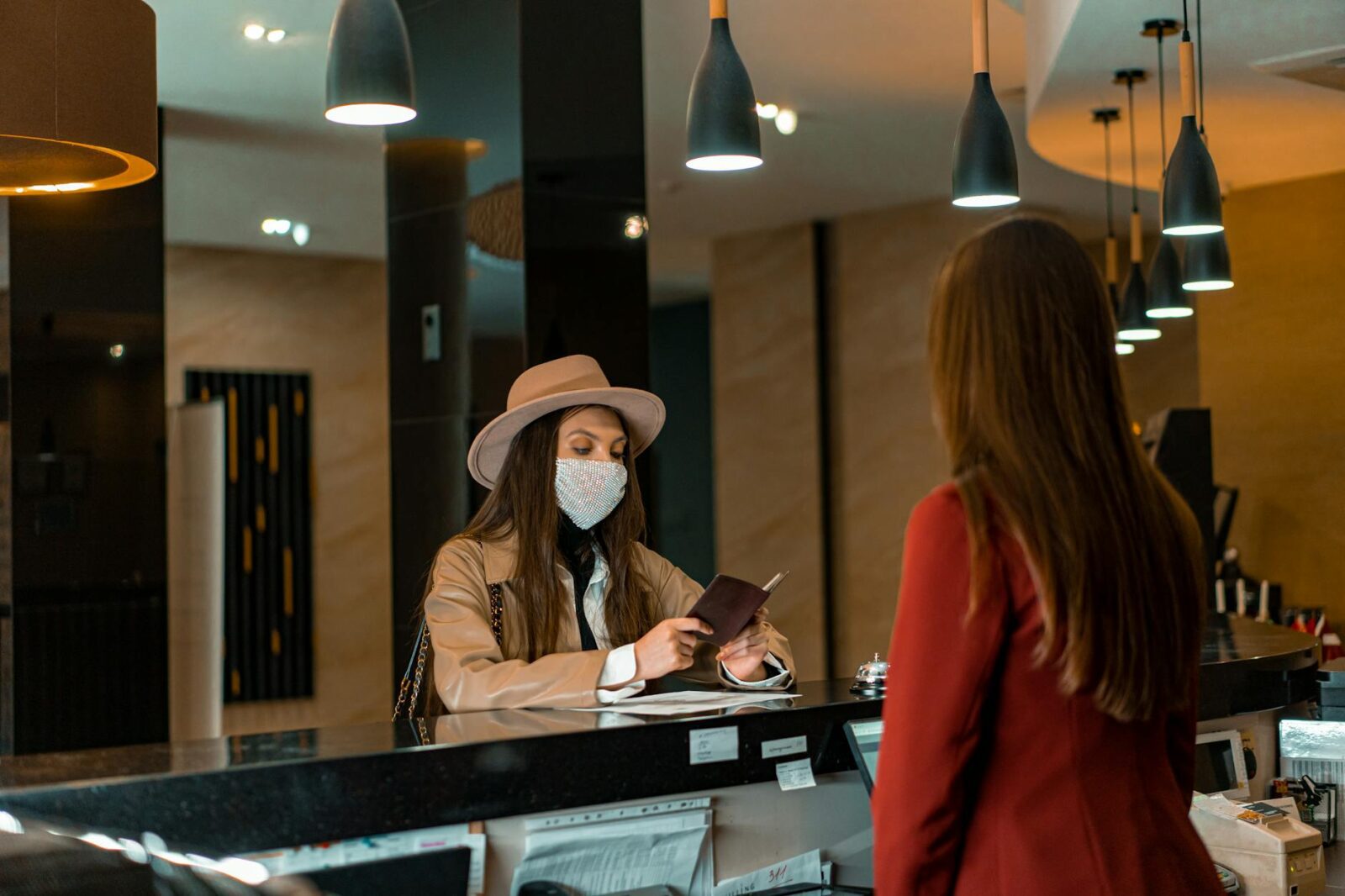
Enforcement and Penalties: Fines That Pack a Punch
Compliance isn’t optional once live—the Security Industry Authority (SIA) takes the regulator role, starting post-2027. Standard Tier faces fines up to $13,000 USD (£10,000) for breaches; Enhanced Tier risks up to $23 million USD (£18 million) or 5% global turnover in severe cases. Focus is preparedness, not punishment, with proportionate enforcement per SIA’s March 2026 update.
Responsible persons document protections and share with SIA upon request, proving risk reduction. No immediate action needed now, but myth-busters clarify: no rushed spending or complex audits required. Facilities managers view this as a chance to upgrade life-safety in high-footfall zones, much like enhanced baggage checks at Dubai airports.
For travelers, non-compliant venues could close temporarily, disrupting plans. Expat investors in UK property should note hospitality assets need these upgrades, impacting yields. Verify via GOV.UK Mythbuster PDF.

Step-by-Step: What Travelers Should Do Right Now
Global visitors aren’t directly liable, but smart prep ensures smooth UK trips. Step 1: Check your itinerary—list venues/events over 200 capacity via Google Maps or apps, noting if they advertise Martyn’s readiness. Step 2: Review UK entry at GOV.UK Visa Checker; no visa changes, but expect venue-level security.
Step 3: Pack light—minimal bags ease enhanced checks at larger sites post-2027. Download ProtectUK’s free resources for insights on threats. Step 4: For events, confirm organizer compliance via tickets or sites; Scottish festivals, for example, flag preparations early.
Step 5: Expats/retirees join local forums for venue updates; digital nomads in co-working spaces (if public-facing) watch for drills. Investors eyeing UK real estate? Factor $10,000-$20,000 USD per property in upgrades. Act now to avoid mid-trip surprises.
- Monitor GOV.UK factsheets weekly.
- Ask hotels: ‘Martyn’s Law status?’
- Carry digital ID for quick visitor logs.
Stay informed with the latest travel news, visa updates, and destination guides. Follow HimalayanCrest.com for weekly travel intelligence delivered by our editorial team.