

China’s 3,513 Skyscrapers Dwarf the World
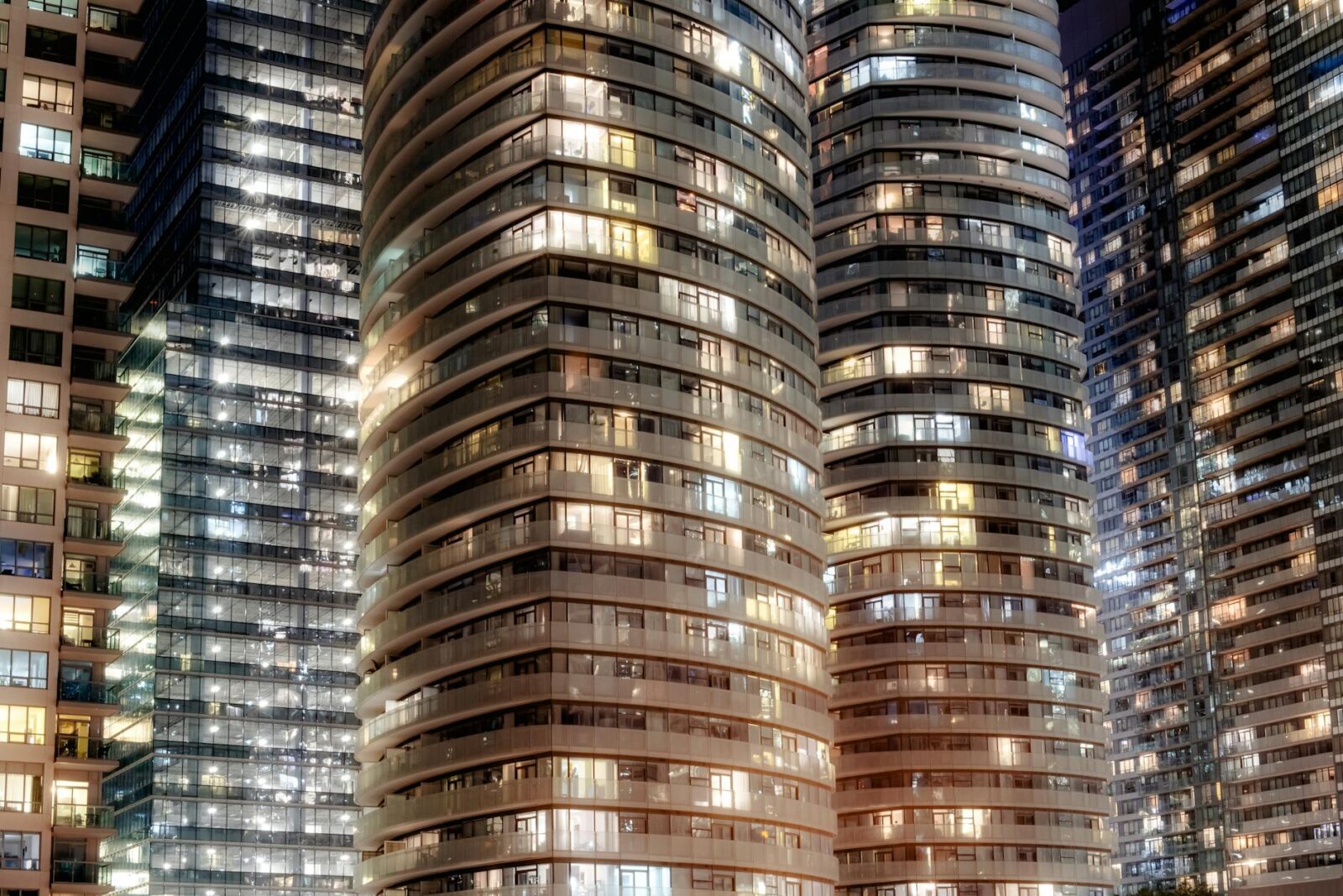
Picture this: China boasts 3,513 skyscrapers over 150 meters tall as of January 2026, more than the next nine countries combined. This towering dominance comes from explosive urban growth, with cities like Hong Kong (569 skyscrapers) and Shenzhen (465) leading the charge. What started as a trickle in the 1990s has exploded into a vertical revolution, driven by population pressures and economic booms in manufacturing hubs.
Travelers flock to these skylines for the thrill—imagine sipping tea atop the 632-meter Shanghai Tower, China’s tallest, while gazing over a sea of steel and glass. But there’s a why behind the madness: limited land in megacities forces builders skyward, creating neighborhoods where locals grab street noodles from high-rise food courts. For visitors, this means unbeatable views from affordable observation decks, often under $30 USD, blending ancient temples with futuristic spires.
Practically, time your trip to Shanghai or Shenzhen during golden hour for Instagram gold, but book tickets early—crowds swell on weekends. Our research shows these towers house not just offices but vibrant malls with dim sum stalls and tech gadget shops, perfect for a day’s urban adventure without breaking the bank.
Hong Kong Once Ruled, Now China’s Star City
Hong Kong held the crown for most skyscrapers until the early 2000s, now anchoring China’s lead with 569 towers over 150 meters. This shift reflects China’s policy push for vertical cities post-1997 handover, turning a compact harbor into a forest of gleaming icons. Historically, British colonial roots sparked the boom, but today’s frenzy ties to finance and trade.
For travelers, Victoria Peak offers the best vantage, where you can spot the International Commerce Centre piercing the clouds—entry around $15 USD. Dive into the culture: skyscrapers buzz with expat bars serving craft beers alongside dai pai dongs slinging fish ball noodles. The why? Scarce land prices skyscrapers sky-high, literally, fostering a 24/7 economy that never sleeps.
Pro tip: Ride the Star Ferry at dusk for a free skyline silhouette against the harbor, then ascend a tower for night views. Seasoned travelers report these heights reveal hidden hiking trails on nearby peaks, mixing urban grit with natural escapes just a tram ride away.
USA’s 929 Towers Still Steal the Show
The United States ranks second with 929 skyscrapers over 150 meters, centered in New York City, home to icons like One World Trade Center at 541 meters. From Chicago’s 1880s birthplace of the skyscraper to today’s mix, America’s tally reflects innovation amid sprawling suburbs. Yet, Asia’s pace has narrowed the gap since the 2000s.
Visitors love the Empire State Building’s observatory ($44 USD), where jazz echoes from nearby speakeasies serving sliders and craft cocktails. Economically, these towers symbolize capitalism’s rise, housing Wall Street firms that drive global markets. Culturally, they inspire movies—think King Kong—drawing film buffs to rooftop bars with skyline toasts.
Plan for windy observation decks in winter; pair with a hot dog from street carts below for authentic flavor. Our experts note NYC’s skyscrapers cluster in Midtown, walkable from diverse neighborhoods offering Ethiopian injera or Mexican tacos, making high-rise hops a foodie’s dream.
UAE’s 345 Towers Make Dubai a Desert Miracle
The United Arab Emirates shocks with 345 skyscrapers, 158 over 200 meters, and 36 supertalls over 300 meters, led by Dubai’s 33 supertalls. Oil wealth fueled this 21st-century boom, transforming dunes into a playground of excess since the 1990s. Dubai alone rivals entire nations in vertical ambition.
Burj Khalifa, at 828 meters the world’s tallest, offers decks from $50 USD with views of man-made islands. Travelers savor iftar feasts in tower-top restaurants during Ramadan, blending Middle Eastern lamb mandi with panoramic sands. The why: Diversifying from oil via tourism, these spires lure 17 million visitors yearly.
Insider advice: Visit at sunset for golden minaret silhouettes; nearby souks sell spices for $5 USD bags. These heights host luxury spas—perfect recovery after dune bashing—showing how UAE skyscrapers fuse adventure with opulence.
Malaysia’s 327 Towers Crown Kuala Lumpur
Malaysia holds fifth with 327 skyscrapers, 81 over 200 meters, dominated by Petronas Towers, once world’s tallest at 452 meters each. Rapid industrialization since the 1990s, fueled by palm oil and tech, birthed this skyline in steamy tropics. It’s a Southeast Asian surprise amid rainforests.
Ascend the skybridge for $25 USD, then explore KL’s base with nasi lemak stalls wafting coconut rice scents. Culturally, these towers host multicultural festivals—Chinese lanterns, Indian dances, Malay gamelan—reflecting Malaysia’s mosaic. Economically, they signal FDI booms, drawing expats to high-rise condos.
Travel smart: Monsoon season means misty views; pair tower visits with Batu Caves hikes nearby. Foodies rave about tower malls’ hawker centers, where $3 USD plates mix halal delights from across Asia.
India’s 431 Skyscrapers Surge from Mumbai
India ranks third with 431 skyscrapers, 96 over 200 meters, exploding from Mumbai’s Bandra-Kurla hubs. Post-2000 liberalization sparked this, easing land curbs amid 1.4 billion people. It’s vertical democracy in action.
Lodge in Worli’s towers for sea views, dine on vada pav ($1 USD) from street vendors below. The why: Urban migration packs cities, birthing economic engines like fintech districts. Travelers witness Diwali lights twinkling up 300-meter facades.
Book Mumbai’s high-tea lounges early; combine with Marine Drive walks. Our reports highlight how these spires neighbor slums, underscoring inequality—but also resilience, with rooftop community gardens blooming.
South Korea’s 281 Towers Light Up Seoul
South Korea packs 281 skyscrapers, 80 over 200m, with Lotte World Tower at 555 meters, sixth globally. Chaebol conglomerates drove post-war rises, turning Seoul into a neon wonder.
Observatory entry $20 USD overlooks hanok villages and K-pop billboards. Savor kimchi jjigae in tower food halls amid K-drama filming spots. Tech economy demands height for offices housing Samsung empires.
Night markets below offer $4 USD tteokbokki; hike nearby mountains for contrast. Travelers share how these towers pulse with youth culture, from arcade floors to street fashion.
Japan’s 284 Towers Blend Tradition in Tokyo
Japan’s 284 skyscrapers grace Tokyo, with 52 over 200m, like Abeno Harukas. Earthquake tech enables this in a quake-prone land, evolving from 1960s booms.
Shibuya Sky deck ($18 USD) frames Mt. Fuji; slurp ramen in basement eateries. Zen gardens atop towers mix old and new, reflecting disciplined growth.
Visit cherry blossom season for petal-framed views; onsen spas in high-rises relax post-sightseeing. Compact Tokyo makes tower-hopping via efficient trains a breeze.
20 Cities Now Boast 100+ Skyscrapers
Twenty cities worldwide have 100+ skyscrapers over 150m, including recent 2025 additions like Singapore, Hangzhou, Moscow, Toronto. Asia leads, but global spread shows urbanization’s reach.
From Bangkok’s Chao Phraya views to Toronto’s CN Tower vicinity, these hubs offer skyline cruises ($15-30 USD). Why? Population booms demand density, birthing tourist magnets.
Cross-continent itineraries link them—fly Dubai to Singapore for dual skylines. Diverse foods: pad thai highs to poutine lows.
Dubai Leads Supertalls with 33 Giants
Dubai tops with 33 supertalls over 300m, outpacing Shenzhen (22), NYC (18). Middle East boom post-2000 redefines deserts.
Burj views pair with desert safaris; souvlaki in diverse eateries. Oil-to-tourism pivot explains excess.
Golden hour yacht tours from tower bases—$50 USD thrills. Future: More mega-projects incoming.
China Has More 200m+ Than USA’s Total
China’s 1,316 buildings over 200m exceed USA’s 929 total skyscrapers. This 21st-century flip stunned experts.
Shenzhen’s drone shows light up nights; bubble tea in lobbies. State-led urbanization accelerates it.
Budget flights connect clusters; high-speed rail zips between. Travelers note cleaner air atop.
Skyscrapers Surged Since 1960 Globally
From 1960-2025, skyscrapers exploded, China leading, UAE rising fast. Asia, Middle East dominate top 15.
Track via apps for builds; observation passes save 20%. Economic shifts fuel vertical futures.
Plan multi-city trips: Asia hops via budget airlines. skylines evolve—visit often.
Travel Smart Amid the Skyscraper Boom
Book observation decks online to skip lines, saving hours—prices $15-50 USD worldwide. Use city passes for bundled access, like NYC’s $150 multi-tower deal. Dress for wind at heights; pack layers for AC blasts indoors.
Focus shoulder seasons: Avoid Chinese New Year crowds, UAE summer heat. Pair views with local bites—street food below towers keeps costs under $10 USD meals. Apps like Google Earth VR preview from home.
Safety first: Heed earthquake drills in Japan, Korea. Future outlook: 256 supertalls now, more by 2030—revisit favorites. Skylines tell stories of ambition; capture yours ethically, no drones in restricted zones.
FAQ: Skyscraper Skyline Secrets
Which country has the absolute most skyscrapers? China leads with 3,513 over 150m, including 130 supertalls. Hong Kong and Shenzhen pack the densest clusters—perfect for photo ops.
What’s the tallest building by country? UAE’s Burj Khalifa (828m), China’s Shanghai Tower (632m), USA’s One World Trade (541m). Check official sites like CTBUH for updates.
Are there skyscrapers in surprising places? Yes, North Korea has 18, Tanzania 4. Phnom Penh, Cambodia surprises with 6—rising fast in Southeast Asia.
How do I visit the best viewpoints affordably? Opt for free ferries (Hong Kong), public decks ($10-20 USD). City passes bundle 3-5 towers, slashing costs 30-50%.
Will more countries join the top ranks soon? Vietnam (43) and Indonesia (139) climb quick. By 2030, Africa may rise with Kenya’s Nairobi builds.
Stay informed with the latest travel news, visa updates, and destination guides. Follow HimalayanCrest.com for weekly travel intelligence delivered by our editorial team.