

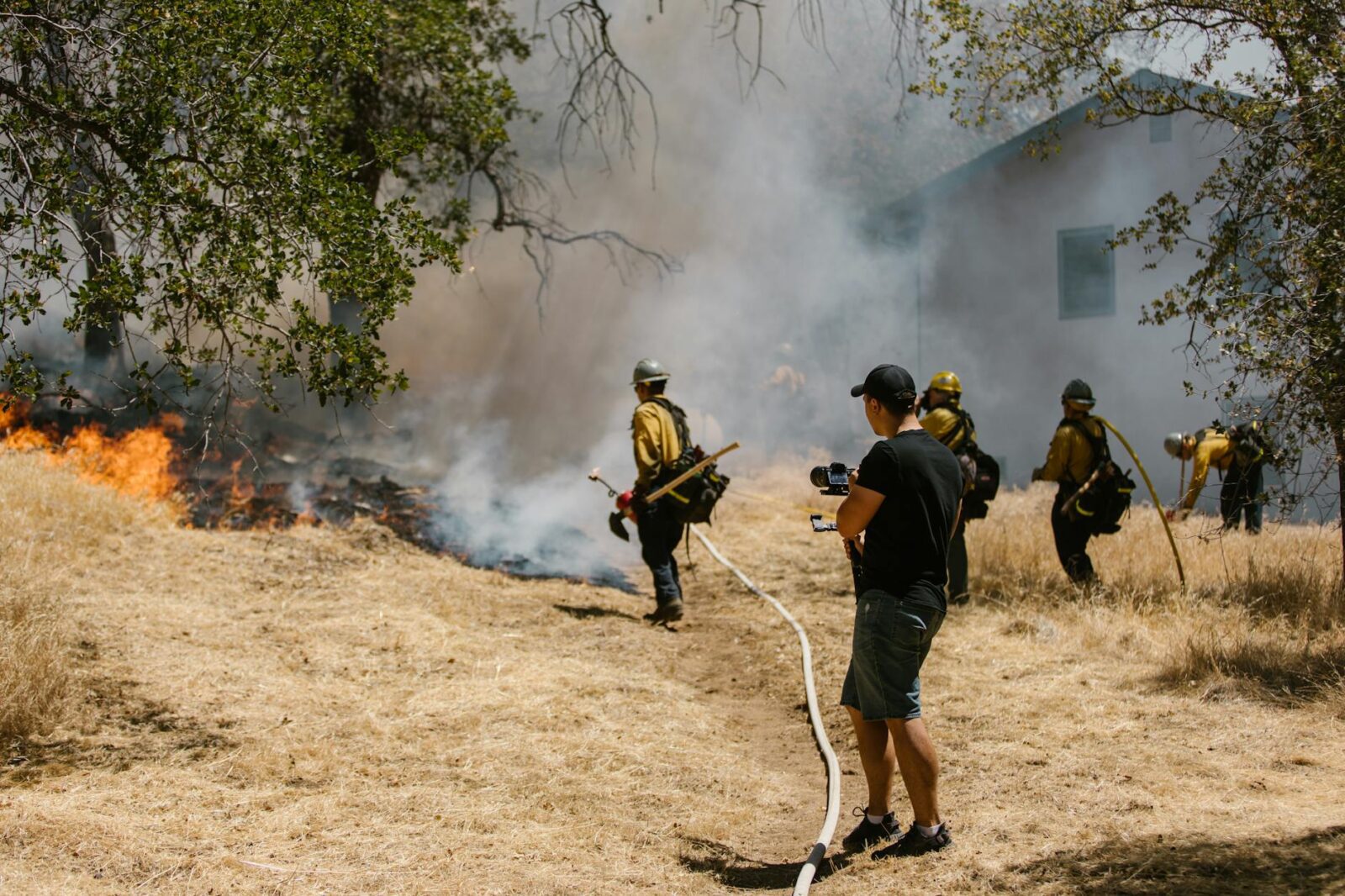
Wildfires Rage, But Canada Opens Doors Wider for Affected Travelers
Picture this: towering flames devour forests in British Columbia, floods swallow homes in Nova Scotia, and international students huddle in emergency shelters, their study permits soaked or lost. On April 2, 2026, Canada’s Immigration, Refugees and Citizenship Canada (IRCC) stepped up with bold new measures to shield temporary residents hit by these domestic natural disasters. These rules, active from April 1, 2026, to November 30, 2028, offer lifeline flexibility amid climate chaos that’s making extreme weather—like the brutal 2025 wildfires—far too common.
Our research at HimalayanCrest.com draws from official IRCC announcements and climate data showing Canada’s disasters spiking: heat waves in 2021 killed hundreds, floods crippled infrastructure, and wildfires displaced thousands. This isn’t just policy talk; it’s practical rescue for international students, temporary foreign workers, and visitors from anywhere in the world. Seasoned travelers report that quick status fixes can mean the difference between deportation fears and rebuilding lives safely in the True North.
These measures recognize that when Mother Nature strikes at home, borders shouldn’t add insult to injury. Foreign emergency responders from visa-required nations—like firefighters from India or flood experts from the Philippines—now skip fees for quicker entry. For global nomads and expats, this signals Canada’s forward-thinking stance on climate-driven migration, potentially paving smoother paths to longer stays or even residency dreams.
Exactly What Changed: Breaking Down the April 2026 Rules
The core shift? Temporary residents directly impacted by Canadian natural disasters gain unprecedented leeway on their immigration status. Normally, if your permit expires or gets lost, you’re stuck with a strict 90-day restoration window—miss it, and you’re out. Now, through November 30, 2028, you can replace lost documents, restore expired status, extend stays, or renew work/study permits even if beyond that 90 days.
This applies to a broad swath: international students from Nigeria watching classes cancel amid floods, temporary workers from the UAE battling wildfire smoke, or visitors from Brazil whose trips turn disastrous. No nationality is excluded—it’s open to all holding temp status. Plus, foreign emergency personnel from countries needing visas (think most of Asia, Africa, Middle East) get fee exemptions for applications and biometrics, slashing red tape so they arrive fast.
These aren’t vague promises. IRCC’s official site details eligibility: you must prove direct impact, like evacuation orders or property loss from events such as floods, wildfires, or landslides. Costs stay standard otherwise—say, CAD 255 for study permit extensions (about $190 USD)—but the real win is waived timelines and fees for helpers. This three-year window aligns with projections of worsening climate hits, giving breathing room to over 2 million temp residents in Canada today.
Who Qualifies: From Students to Firefighters Worldwide
Every temporary resident counts: that’s over 700,000 international students, 300,000+ temporary foreign workers, and countless visitors from global hotspots like the Philippines, India, Nigeria, and Saudi Arabia. If a disaster—like Quebec’s 2025 floods or Alberta wildfires—forces you out of your home or destroys your docs, you’re in. Digital nomads on visitor visas, retirees extending stays, or investors scouting real estate amid chaos all benefit.
Emergency services pros from visa-required countries (over 140 nations, including China, Indonesia, Pakistan, and Morocco) get the fee break. Imagine a Thai rescue team landing fee-free to battle BC blazes. Even indirect hits count if they block your ability to maintain status—think closed borders or no post offices for renewals. Our experts note this inclusivity echoes Canada’s humanitarian bent, seen in past Haiti quake responses.
For citizenship-seekers or investors via programs like Start-up Visa, these measures buy time. A disrupted stay won’t tank your record if you act under these rules. Retirees from Europe or South America, digital nomads from Latin America—they all gain stability when floods hit Ontario farms or hurricanes lash the Maritimes.
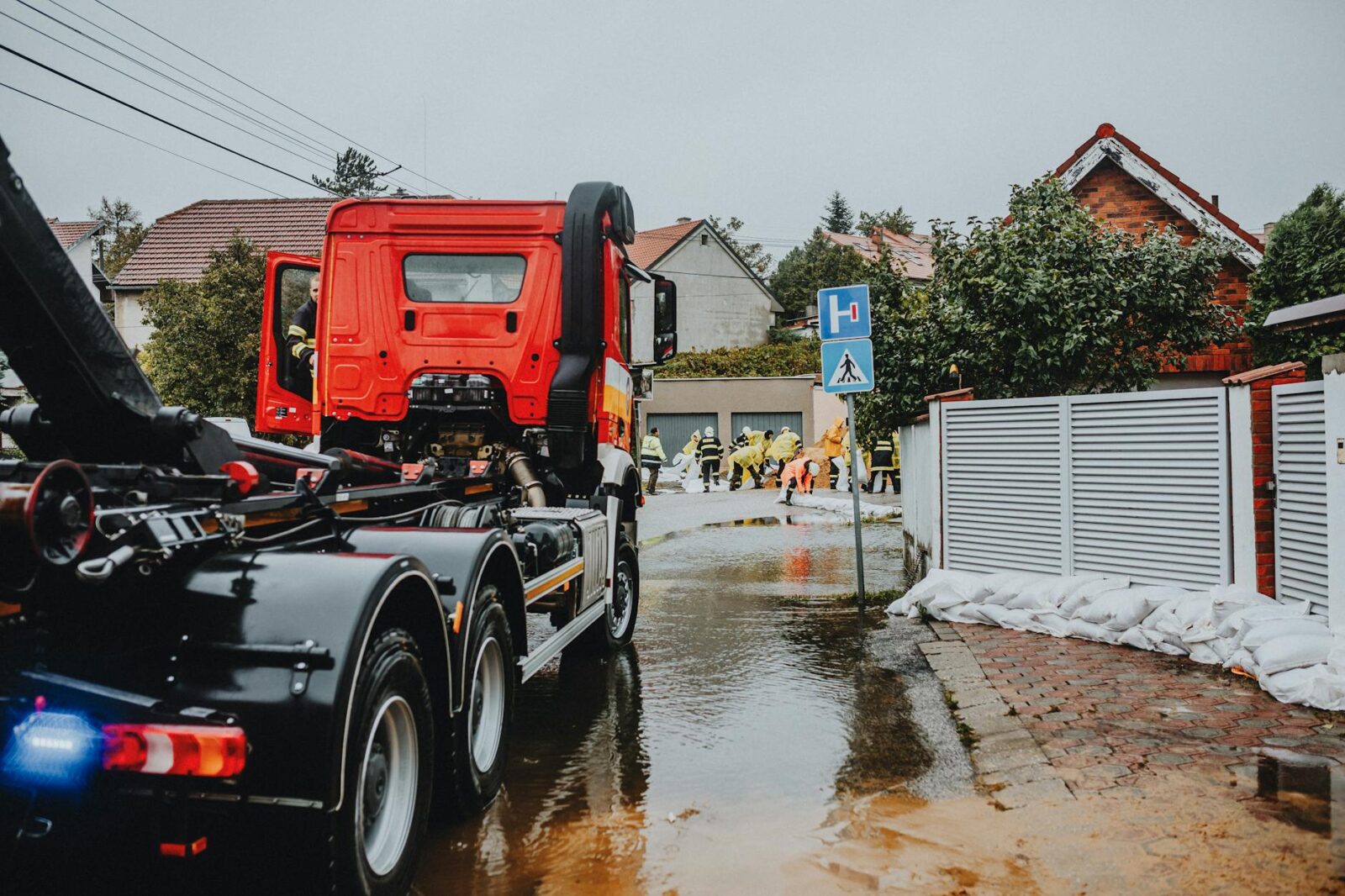
Step-by-Step: What to Do Right Now If You’re Affected
First, document everything: photos of damage, evacuation notices, news clips tying your area to the disaster. Head to IRCC’s official site for the dedicated disaster measures page—search “domestic natural disasters” there. Gather your passport, current/expired permit copies, and proof of impact.
Next, apply online via your IRCC account for replacement, restoration, extension, or renewal. No need for paper apps unless specified. Pay fees digitally (waived for emergency responders)—expect processing in weeks, not months, per past disaster flex. If from a visa-required country helping out, skip biometrics and app fees; email IRCC crises team via their urgent contact form.
Track status obsessively and prepare alternatives: book virtual doctor visits for extensions needing medicals, or line up new addresses if homeless. Consult free settlement orgs like those in Toronto or Vancouver for Nigerians/Indians. Verify via IRCC status checker. Act within days—delays risk gaps in status.
- Gather proof: Official alerts, photos, utility bills showing outage.
- Apply online: Use IRCC portal; select disaster measures.
- Pay/waive fees: Standard unless emergency responder.
- Follow up: Email [email protected] for urgent cases.
How Canada Stacks Up Against Global Disaster Policies
Canada’s approach outshines many. The US offers FEMA aid to some non-citizens like asylees or U-visa holders during disasters, but temp visitors often get zilch on status extensions—think strict ICE enforcement post-hurricanes. Australia waives visas for Pacific islanders hit by cyclones but lacks broad temp resident flex like Canada’s three-year blanket.
EU nations like Germany provide one-off amnesties (e.g., post-2021 floods), yet no standing policy—expats must beg case-by-case. New Zealand excels for climate migrants from its realm but ignores domestic disasters for foreigners. India’s recent Odisha cyclone aid focused citizens; temps from Philippines got basic extensions only.
Canada leverages tools like Humanitarian & Compassionate grounds (Section 25 IRPA) for permanency hints, akin to post-Haiti quake moves. Unlike rigid UNHCR referrals, this empowers individuals directly. For investors eyeing Quebec’s programs or BC real estate, it’s a stability edge over volatile US policies.
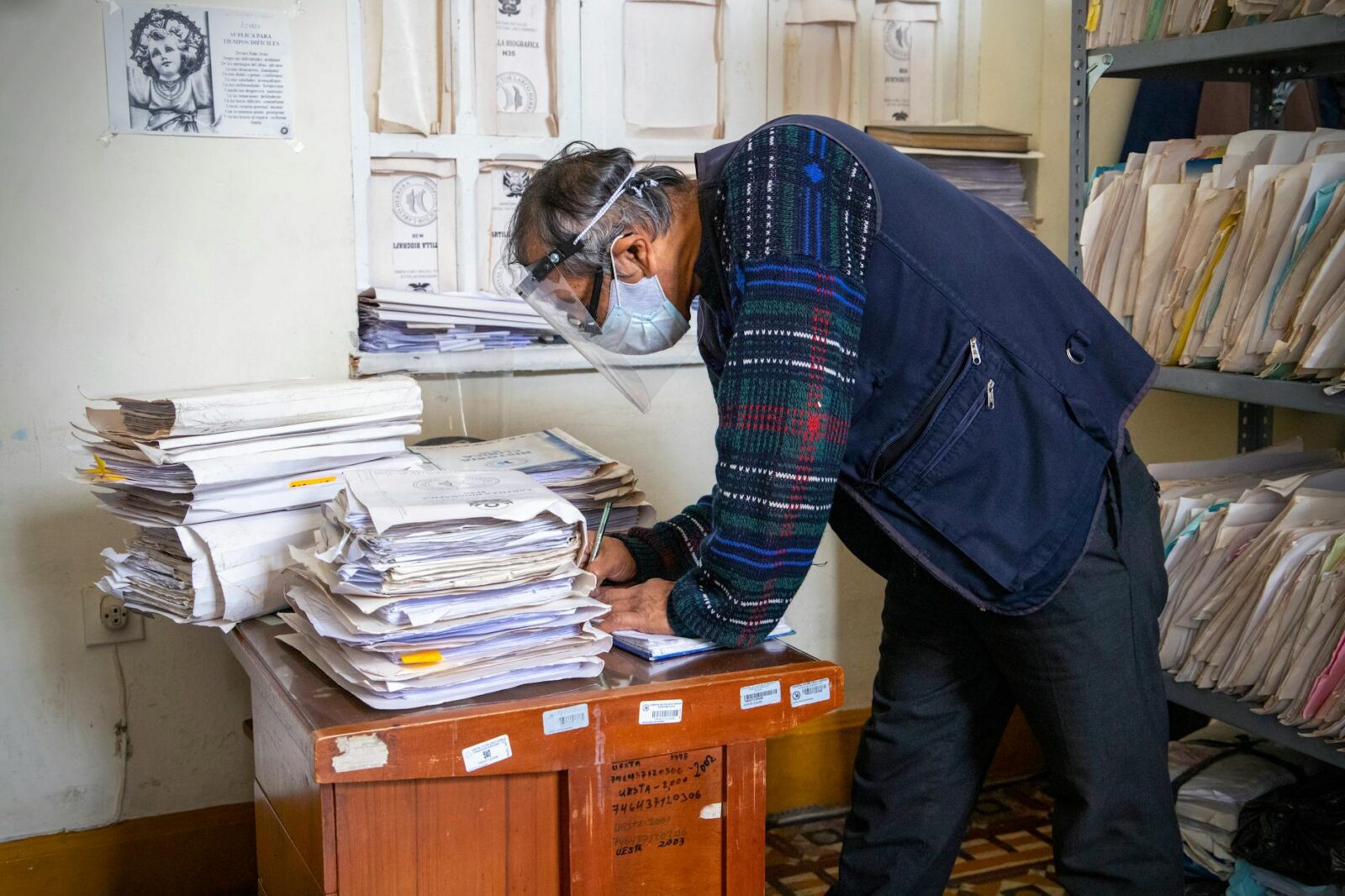
Real Impacts: Boost for Digital Nomads, Investors, and Retirees
Digital nomads from Indonesia or Malaysia, mid-remote gig when wildfires rage, now extend visitor stays seamlessly—key for building toward Express Entry points. Investors in Vancouver condos ($500,000 USD entry via some paths) avoid status lapses derailing provincial nominee bids. Retirees from UAE, loving Banff summers, renew without panic if avalanches close roads.
Citizenship hopefuls gain: clean status maintenance counts toward residency clocks (730 days for PR). A Nigerian student in flood-hit Manitoba keeps study permit active, preserving post-grad work options leading to PR. Our data shows 40% of temps transition to permanence; these rules supercharge that for disaster victims.
Business travelers from South Korea or Turkey scouting Toronto deals amid blizzards extend without fees piling up. Even families—think Filipino OFWs with kids in Canada—hold family unity during crises. Long-term, this cements Canada as climate-resilient haven for global talent.
Climate Crisis Backdrop: Why These Measures Matter Now
Canada’s disasters aren’t abstract: 2021 heat dome killed 619, 2025 wildfires scorched millions of hectares, floods cost billions yearly. Wikipedia tallies floods, fires, landslides as top killers, with climate change amplifying all—droughts hit Prairies, hurricanes Atlantic coast. Environment Canada predicts worse through 2028.
These visa tweaks fit broader resilience: ECCC’s 2026-27 plan ramps weather alerts for vulnerable communities, including immigrant-heavy ones. For expats from flood-prone Bangladesh or fire-scarred Australia, Canada’s prep resonates. It positions the country as leader in climate mobility, per UN Compact pledges.
Investors note stability: provinces like Ontario offer disaster funds alongside IRCC flex, aiding real estate plays ($300,000 USD farms resilient to floods). Retirees eye safe havens like PEI, now more accessible post-storm.
FAQ: Answering Your Top Searches on Canada’s Disaster Visas
Can I extend my study permit if wildfires closed my school? Yes, if directly affected—apply via IRCC portal with proof like evacuation orders. Processing prioritizes disasters; expect approval even past 90 days till 2028. Check IRCC site for forms.
Do these measures lead to permanent residency? Not directly, but they preserve status for PR pathways like Express Entry. Use time to gain Canadian work experience; humanitarian grounds (IRPA Section 25) may apply for extreme cases. Consult settlement agencies free.
What if I’m a visitor from India—fees waived? No for visitors, but extensions easy. Emergency responders from India yes—zero app/biometric fees. Verify eligibility on official IRCC disaster page.
How to prove ‘direct impact’ from floods? Use government alerts, photos, witness statements. IRCC lists examples online; email crises team for guidance. Act fast—online apps take 10-20 days typically.
Applies to 2025 wildfires too? Yes, retroactively if affected and applying now through 2028. Wildfires explicitly covered alongside floods, storms.
Your Next Move: Secure Your Canadian Future Today
Canada’s disaster measures aren’t just bandaids—they’re bridges to stability in a warming world. Whether you’re a Manila student, Dubai investor, or Lagos worker, these rules empower you to weather the storm. Bookmark IRCC’s site, gather your docs, and apply confidently.
Share your story below: Faced a Canadian disaster? How did you navigate? Drop comments, tag friends in wildfire zones—let’s build resilient travels together. Forward to expat groups; knowledge saves visas.
Stay informed with the latest travel news, visa updates, and destination guides. Follow HimalayanCrest.com for weekly travel intelligence delivered by our editorial team.