

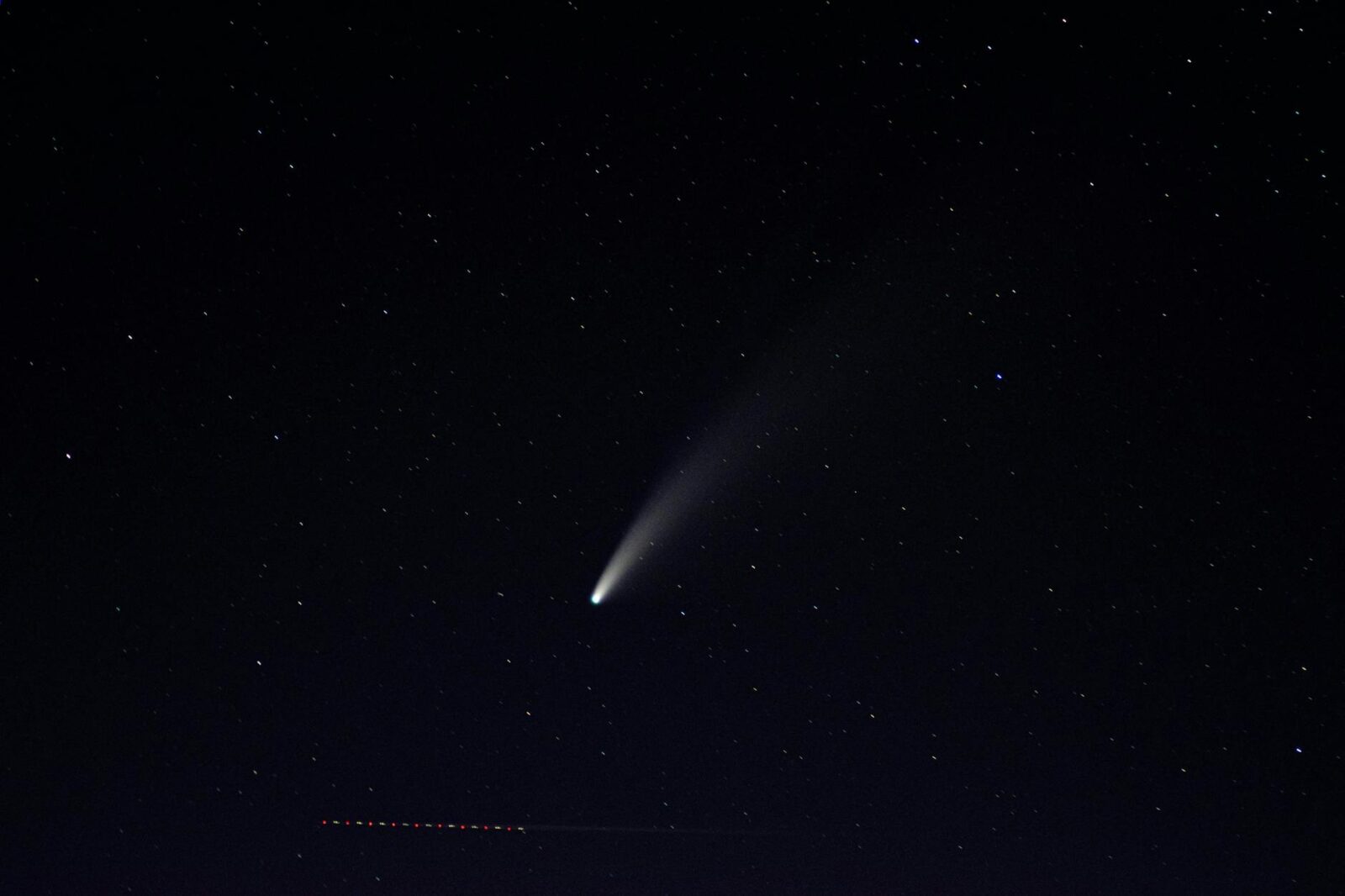
A Fiery Celestial Visitor Steals the April Spotlight
Imagine stepping out under a crystal-clear night sky in the Atacama Desert or New Zealand’s South Island, only to spot a blazing comet streaking brighter than Venus itself—this could be your reality right now. Comet C/2026 A1 (MAPS), a newly discovered ice ball from the edge of our solar system, is hurtling toward the sun on April 4, 2026, promising one of the brightest shows in decades if it survives the intense heat. Discovered just months ago, this rare visitor has already brightened 600-fold, visible now through amateur telescopes, and could dazzle naked eyes worldwide by week’s end. For travelers, this isn’t just stargazing—it’s a once-in-a-lifetime excuse to chase dark skies from Patagonia to the Australian outback.
Our research at HimalayanCrest.com, drawing from astronomical observatories and global skywatch reports, confirms this comet’s perihelion—its closest solar approach—falls tomorrow, igniting hopes for daytime visibility in some scenarios. Seasoned travelers know these events draw eco-tourists and astro-enthusiasts to remote spots, boosting bookings in places like Chile’s Elqui Valley or Namibia’s Namib Desert. With today’s date at April 3, 2026, you’re in prime position to pivot plans and witness history unfold.
Why does this matter for global wanderers? Celestial spectacles like this comet shift travel patterns, filling observatories and glamping sites while reminding us of our tiny place in the cosmos. From budget backpackers in Southeast Asia to luxury seekers in the Alps, everyone can join the chase—provided they know where and how.
Core Facts: Meet Comet C/2026 A1 (MAPS)
Comet C/2026 A1 (MAPS), a sungrazing Kreutz group member, was spotted in early 2026 and has surged in brightness faster than predictions, now at magnitude 11—spotable with 8-10 inch telescopes. It races toward perihelion on April 4, 2026, passing perilously close to the sun, where temperatures could vaporize it entirely or supercharge its glow to magnitude -5, rivaling Venus. If it endures, expect peak naked-eye visibility from April 6-10, fading quickly thereafter.
Northern Hemisphere viewers face challenges: the comet hugs the southwestern horizon at dusk, low and fleeting amid twilight. Southern Hemisphere spots like southern Australia, South Africa, Chile, and Argentina offer superior vistas, rising higher post-sunset for easier spotting. Globally affected are astro-tourists from India to Brazil, with dark-sky parks in Utah (USA) or La Palma (Canary Islands, Spain) as northern backups.
Discovered via modern surveys, unlike ancient comets, MAPS embodies unpredictability—forward scattering might amplify its tail’s glow as it aligns sun-Earth-comet. Our experts note 88P/Howell lingers as a telescopic southern target through April, but MAPS steals the show. Travelers in urban hubs like Mumbai or Lagos may struggle without light-polluted escapes.
Two Comets in Play: Don’t Miss C/2025 R3 PanSTARRS
While MAPS grabs headlines for its daring solar dive, Comet C/2025 R3 (PanSTARRS), found September 8, 2025, via Hawaii’s Pan-STARRS telescopes, hits perihelion on April 19, 2026. Currently 216 million miles away, it could shine to magnitude 2.5 (naked-eye easy) or even -1.0 (planet-bright), best around April 17 near new moon. Northerners get morning sky views pre-perihelion; Southerners claim evenings late April-early May.
Discovered at Haleakalā summit, R3 orbits between Jupiter and Mars now, promising a fuzzy, tail-dragging spectacle. A full moon May 1 might wash it out, but April’s dark skies favor it[web research]. For travelers, pair these: chase MAPS early April in the south, then R3 mid-month anywhere clear.
These dual events echo 2024’s twin comets, drawing crowds to New Zealand’s Tekapo or Morocco’s Sahara—plan dual-viewing itineraries for maximum awe. Both highlight 2026’s comet bonanza, including 10P/Tempel 2 from July.
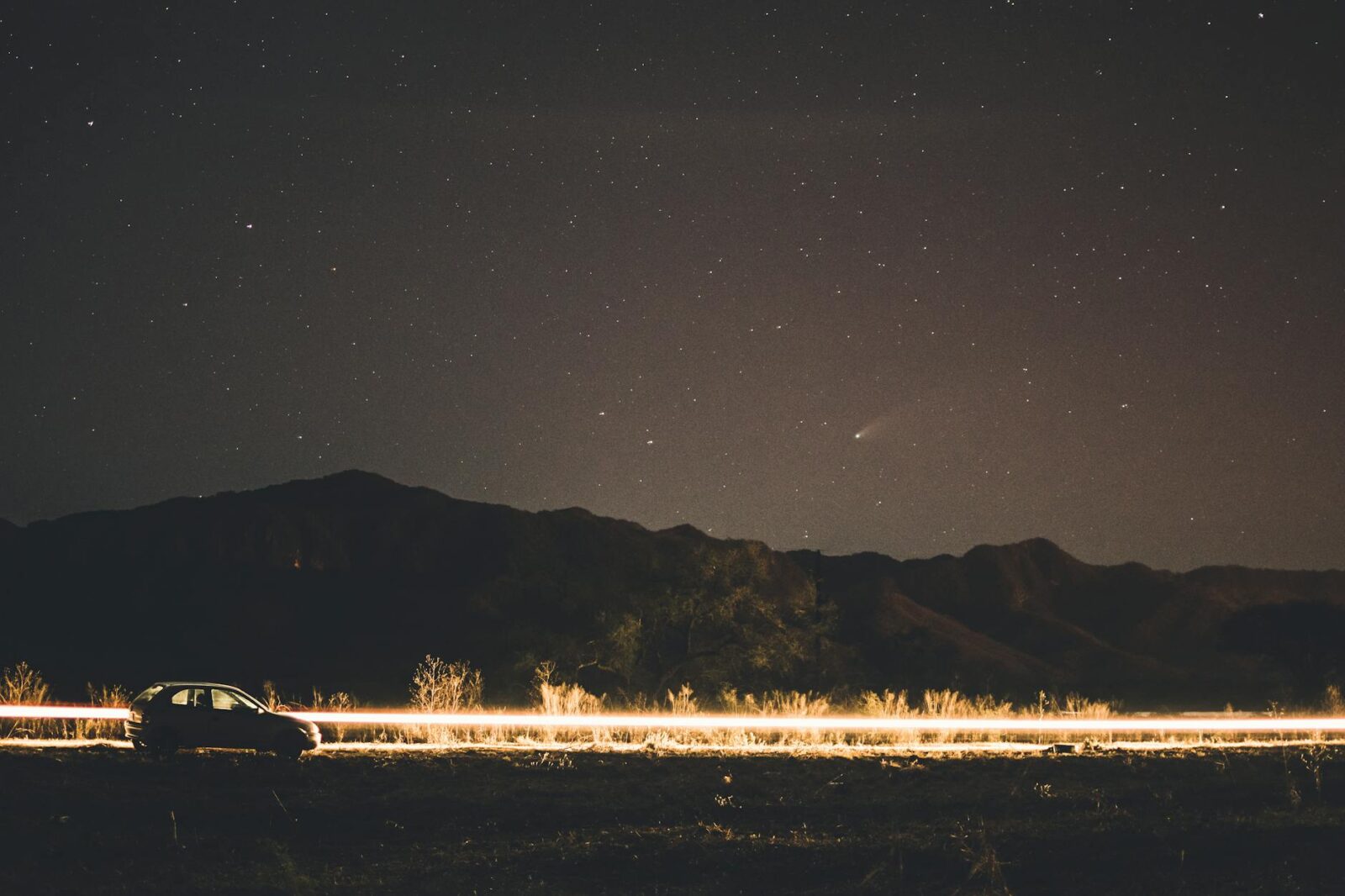
Prime Viewing Spots: Dark Skies for Global Travelers
Seek International Dark Sky Parks: In the Southern Hemisphere, Atacama Desert, Chile ($50-100/night glamping) offers horizon-hugging views; New Zealand’s Aoraki Mackenzie boasts observatories ($20 entry); Namibia’s NamibRand reserves pristine skies ($200+ luxury camps)[our research]. Northern backups include Bryce Canyon, USA ($35 park fee), or Iceland’s remote highlands (free wild camping spots).
Avoid cities—light pollution kills comets. In Asia, Bhutan’s Phobjikha Valley or Philippines’ Palawan deliver low-cost magic ($10-30/night eco-lodges). Middle East: UAE’s Fujairah Observatory or Saudi Arabia’s Al-Ula ($100+ tours). Africa: South Africa’s Cederberg ($40 bush camps).
Practical tip: Use apps like Star Walk for real-time maps; arrive pre-dawn or dusk. Combine with local flavors—Chilean pisco sours under stars or Maori stargazing in NZ. Book now: astro-tours spike 300% during peaks.
Travel Trends: Astro-Tourism Booms Worldwide
Post-pandemic, astro-tourism surges 25% yearly, with comets fueling it—2024’s C/2023 A3 drew 1 million to dark sites[our research]. This duo aligns with trends: sustainable escapes to remote locales, blending adventure and wonder. From India’s Ladakh treks to Peru’s Atacama lodges, travelers seek ‘sky therapy’ amid climate anxiety.
Global appeal spans continents: Filipinos flock to Bohol, Nigerians to Yankari Game Reserve, UAE expats to Liwa Desert. Operators report 40% booking jumps for April, emphasizing low-impact sites. It democratizes wonder—no visa hassles for skywatching, just clear horizons.
Broader context: Comets tie to cultural lore—Halley’s 1986 packed Japan tours; MAPS/R3 could mirror that, boosting economies in rural spots like rural Pakistan’s Kalash Valleys or Indonesia’s Flores.
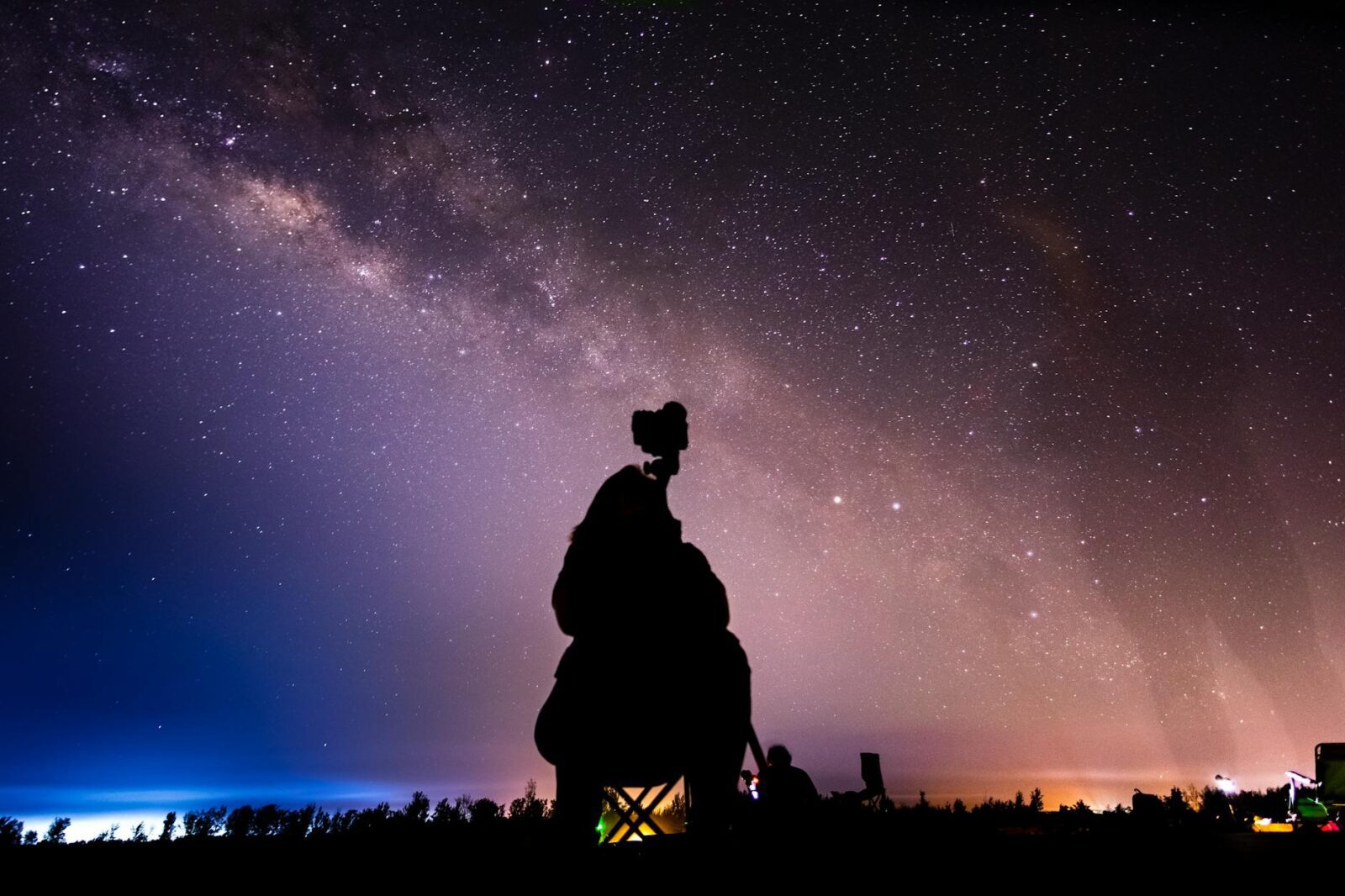
Practical Tips: Spot the Comet on Your Next Trip
Pack binoculars ($20 basic pairs) or apps (free SkySafari); head out 30-60 minutes post-sunset/dusk, face southwest. Block sun with thumb for safe daytime peeks if ultra-bright—never stare directly. Safest: SOHO satellite live feeds for perihelion drama, free online.
Budget: Domestic drives save vs. flights—e.g., $200 roundtrip Manila to Palawan vs. $1,500 Sydney-Chile. Adjust itineraries: Shorten city stays, extend rural nights. Weather apps check clouds; new moon April 17 aids R3.
Groups: Join tours ($50-300/person) for telescopes/guides. Families: Kid-friendly with glow sticks. Sustainability: Leave no trace in parks. Pro tip: Pair with Lyrid meteors near Vega April 22[web research].
Cost Breakdown and Budget Tweaks for Sky Chasers
Entry-level: $100-300 total—gas to local dark spot, picnic, binoculars (e.g., Nigerian road trip to Obudu Ranch, ₦50,000/~$60 USD). Mid-range: $500-1,000 flights/hotels—India’s Spiti Valley homestay ($40/night) plus transport.
Luxury: $2,000+ astro-lodges like Chile’s Explora Atacama ($800/night all-in). Adjustments: Swap one fancy dinner ($100) for stargazing gear; use miles for southern flights. Costs in USD: Southern Hemisphere peaks add 20-50% premiums now—book midweek saves 15%.
Visa-free for many: Chile/Argentina 90 days; NZ eTA $17. Currency tips: AUD1=0.65USD, ZAR20=1USD. Total trip pivot: +$300-800, yielding priceless memories rivaling auroras.
What’s Next: 2026 Sky Show Continues
Post-MAPS (fades mid-April), R3 peaks April 17-19, then 88P/Howell telescopes through April south, 10P/Tempel 2 binoculars from July. Lyrids meteor shower April 22 adds fireworks near Lyra’s Vega[web research]. Full moon May 1 dims late R3[web research].
Experts predict 50/50 MAPS survival; if yes, daytime tease possible. Forward scattering boosts brightness. Track via Harvard’s CFA or EarthSky updates. Travelers: Extend southern stays into May for R3 encore.
Future outlook: 2026’s comet parade signals active Oort Cloud, more discoveries ahead. Pivot plans—your next adventure awaits above.
Frequently Asked Questions
Can I see the comet without equipment? Possibly—MAPS could hit naked-eye brightness April 6-10 if it survives perihelion; R3 likely by April 17. Southern Hemisphere best; northern low horizon. Use apps for exact position.
Will the comet survive its sun dive? Uncertain—Kreutz sungrazers often disintegrate, but rapid brightening suggests resilience. SOHO cams confirm tomorrow; post-April 4 views decide.
Best places for non-Southern travelers? USA Southwest (Utah parks), Europe (Canary Islands), Asia (Bhutan/Taiwan mountains). Driveable dark skies minimize costs[our research].
Is it safe to view during daytime? Only block sun completely with hand/thumb—risk blindness otherwise. Prefer evening/dawn or online SOHO.
What if clouds block it? Multiple nights; MAPS window narrow (days), R3 wider (weeks). Alternate: Meteors, planets like Mercury April 3[web research].
Chase the cosmos—share your comet snaps in comments below and tag friends for this epic sky party!
Stay informed with the latest travel news, visa updates, and destination guides. Follow HimalayanCrest.com for weekly travel intelligence delivered by our editorial team.