

The Dance Between Monsoons and Sunshine: Understanding Thailand’s Climate Puzzle
Imagine standing on a Phuket beach at sunset in December, the Andaman Sea glassy and calm, the air crisp enough that you don’t immediately sweat through your shirt. Now picture yourself in the same spot in September—the sky bruised with clouds, rain arriving in dramatic sheets, the humidity so thick it feels like breathing underwater. Thailand isn’t one destination; it’s a collection of microclimates, each with its own rhythm, its own best moment to arrive. The difference between visiting at the right time and the wrong time isn’t just comfort—it’s the difference between an unforgettable adventure and a frustrating slog through heat, crowds, and flooded streets.
The reality that most travel guides gloss over is this: Thailand has no single “best time” to visit. Instead, it has a series of optimal windows that shift depending on which region you’re headed to and what you actually want to do there. The northern mountains demand different timing than the southern islands. Bangkok’s rhythm differs from Chiang Mai’s. Understanding these regional variations transforms your Thailand trip from a gamble into a precisely planned experience where every day delivers exactly what you hoped for.
Today’s travelers have more flexibility than ever before. Remote work means you’re not locked into school holidays or corporate vacation schedules. That flexibility is your superpower—use it to chase the best weather rather than fighting crowds during peak season. Our research across multiple 2026 travel reports shows that the savviest travelers are increasingly shifting their Thailand visits to shoulder seasons, discovering that February in the north or September on the Gulf islands offers better value, fewer tourists, and equally stunning experiences.
The Cool Season Sweet Spot: November Through February
November to February represents the golden window for most of Thailand, and for good reason. During these months, the entire country experiences its coolest, driest conditions—temperatures hover between 84°F and 95°F (29°C to 35°C) across most regions, humidity drops significantly, and rainfall becomes rare. This is peak season, and yes, prices reflect that reality. Hotel rates spike 30-50% above low-season rates, and popular restaurants require reservations weeks in advance. But there’s a reason travelers accept these premiums: the weather is simply superb.
November carries special magic. The rainy season has just ended, the air feels freshly washed, and the landscape glows an almost improbable green. This is when the famous Loi Krathong festival arrives—typically in mid-November—and temples across the country fill with locals and visitors floating candlelit rafts bearing offerings along canals and rivers. If you’re in Thailand during this festival, you’re witnessing something genuinely spiritual, not a tourist performance. The energy is different. Temperatures in November range from a pleasant 70-85°F in the evenings to warm afternoons, making it ideal for temple exploration, city walking, and beach time without the oppressive heat that arrives later.
December and January bring slightly cooler conditions, especially in the evenings, and these months attract the largest crowds. December coincides with global school holidays, so expect packed beaches, full hotels, and restaurant queues. January remains busy but slightly less frenzied. If you’re traveling with family or have fixed dates, these months work beautifully—just book accommodations 2-3 months ahead and expect to pay premium prices. February marks the tail end of this optimal window; temperatures begin rising noticeably by late February, and the heat becomes more pronounced, but it’s still far more comfortable than the months ahead.
The North: Chiang Mai, Chiang Rai, and Mountain Trekking Territory
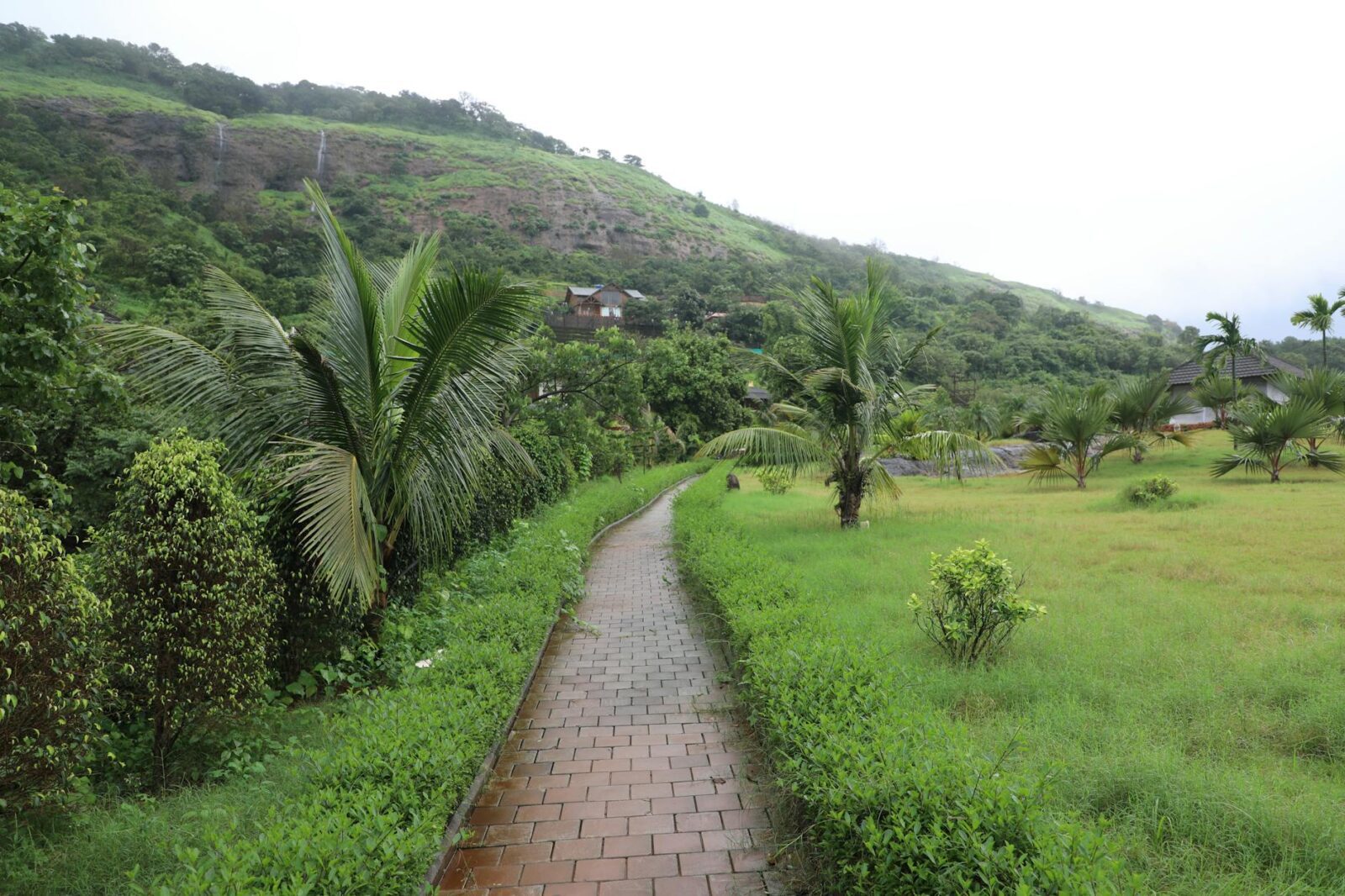
Northern Thailand follows its own weather pattern, and understanding this distinction could transform your trip. The dry season in the north runs from November through May, making this a six-month window rather than the four-month window that applies to other regions. If you’re specifically interested in trekking, temple visits, or exploring Chiang Mai’s old city and night markets, this extended window gives you real flexibility.
November through January represents the premium period for northern travel. Temperatures range from 17°C to 26°C (62°F to 79°F) in the evenings—genuinely cool by Thai standards—and daytime highs settle around 75-85°F. This coolness is crucial for trekking; the lower temperatures mean you won’t be completely drenched in sweat after an hour of hiking. The dry season means trails are passable, waterfalls have water (unlike the dry months of March-May when some dry up), and visibility is excellent for mountain views. February through May remains dry, but temperatures climb dramatically. March and April see highs regularly exceeding 95°F, and in central regions, temperatures can breach 104°F. The heat becomes genuinely uncomfortable for daytime activities, though it remains acceptable if you’re doing early morning temple visits and spending afternoons in air-conditioned cafés.
One critical detail that changes northern travel planning: in March and April, farmers burn stubble in preparation for planting, creating a haze that blankets the region. This isn’t just an aesthetic problem—the air quality deteriorates enough that people with respiratory sensitivities should avoid this period. If you’re planning northern trekking or mountain visits, November through February is non-negotiable. February works if you’re flexible on heat, but March and April should be avoided if you have any respiratory concerns or are particularly heat-sensitive.
The West Andaman Coast: Phuket, Krabi, and Island Paradise
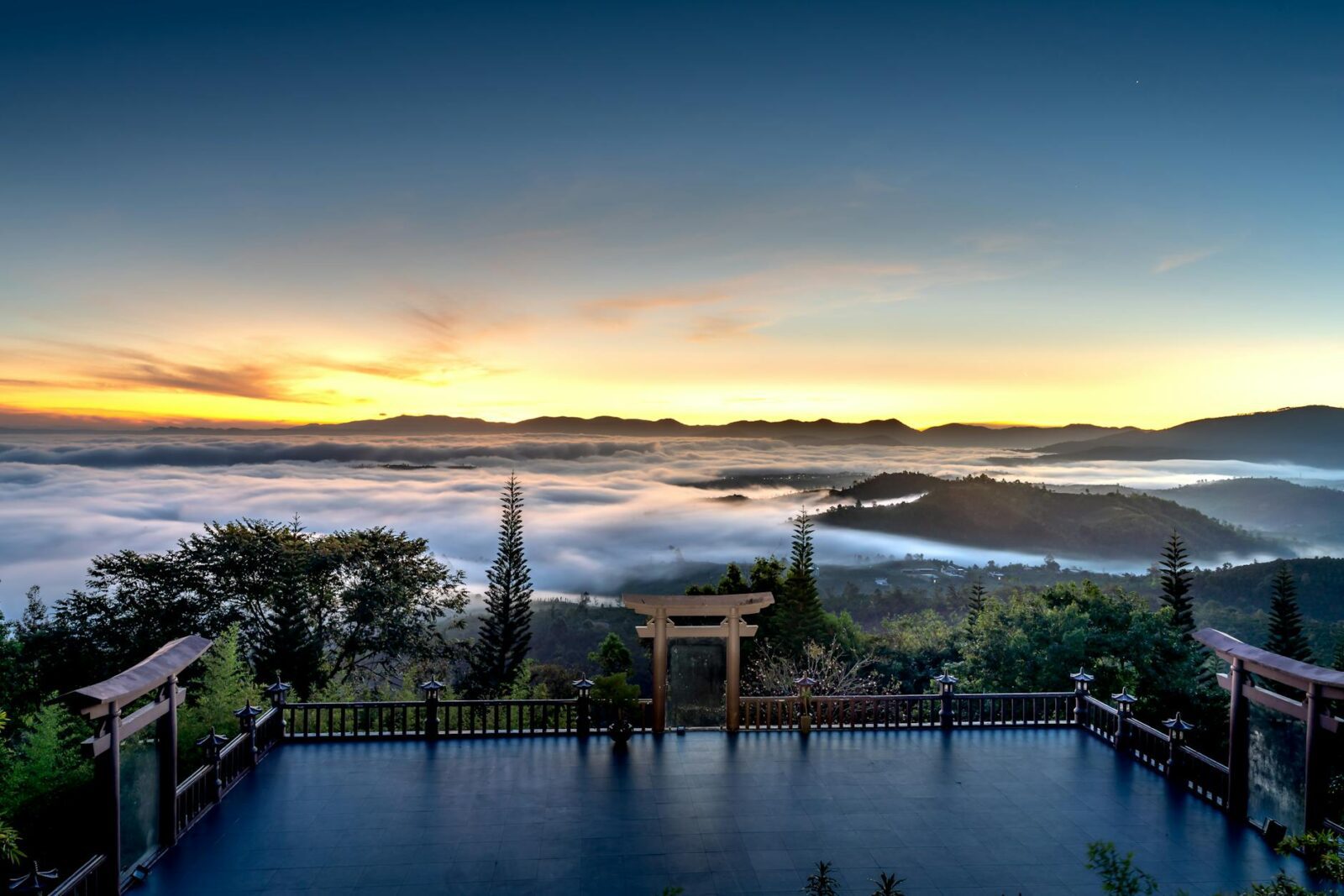
The Andaman side of Thailand—home to Phuket, Krabi, Khao Lak, and the famous Phi Phi Islands—operates on a different weather schedule than the rest of the country. The best window for the Andaman coast runs from October through April, with December through March representing peak conditions. This is the dry season for this region, when the southwest monsoon retreats and the northeast monsoon takes over, bringing clear skies and calm seas.
December through March is when Phuket truly shines. Temperatures remain warm but not oppressive—typically 82-88°F—and the sea is calm enough for sailing, snorkeling, and island-hopping to Phi Phi Islands, Koh Lanta, and beyond. The dry season generally lasts from December to March, with the thermometer hovering between 86-94°F, and these months offer the lowest rainfall and longest daylight hours. This is when you can actually see the underwater world while snorkeling; visibility is excellent, and the sea cooperates. October and November represent a shoulder season—still good, with improving weather as you move toward December, but with occasional rain and slightly rougher seas.
April marks a transition point. The weather remains dry and beautiful, but temperatures begin climbing toward oppressive levels, and by May the southwest monsoon arrives, bringing heavy rainfall to the Andaman coast. If you’re considering visiting Phuket in April, know that you’re trading ideal beach conditions for lower prices and fewer tourists—a reasonable trade-off if you can handle the heat. May through September is the rainy season here; rain comes in bursts of heavy intensity and stops just as suddenly, and the sea can be rough. However, this is also when prices drop 40-50%, and the rainforest surrounding national parks like Khao Sok becomes lush and verdant, with better wildlife spotting opportunities despite the rain.
The Gulf of Thailand: Koh Samui, Koh Phangan, and the East Coast Islands
Here’s where regional variation becomes genuinely important. The Gulf side of Thailand—including Koh Samui, Koh Phangan, Koh Tao, and the east coast—experiences a completely different monsoon pattern than the Andaman side. The Gulf’s best season runs from December through February, with April through September also viable depending on which specific island you’re visiting. This is crucial: if you’re island-hopping and planning to visit both Phuket (Andaman side) and Koh Samui (Gulf side), you need to time your visit carefully or accept some compromise on weather.
December through February delivers the Gulf islands’ optimal conditions. Expect little to no rain, refreshing winds that keep temperatures moderate, and calm seas ideal for water sports. Temperatures range from 29-35°C (84-95°F) during the day, dropping to pleasant levels in the evening. This is peak season, with all the pricing consequences that entails. However, here’s a regional advantage: the Gulf islands can actually be visited successfully from April through September, when the Andaman side is in monsoon season. The east coast experiences its wettest months from September to December, but the heaviest downpours fall around November. This means March through August can work for Gulf islands if you’re flexible about occasional rain and want to avoid peak-season crowds and prices.
A practical note: if you’re planning to visit both coasts, December through February works for everywhere, but it’s expensive and crowded. If you’re visiting only the Gulf islands, you have more flexibility. April through August offers acceptable weather with dramatically lower prices—expect 30-40% discounts compared to peak season. The trade-off is occasional rain and potentially rougher seas for water sports, but daily life continues normally, restaurants stay open, and you won’t be fighting crowds at temples or markets.
Central Thailand and Bangkok: Year-Round Heat with Strategic Timing
Bangkok and central Thailand present a different challenge. The best time to visit Bangkok is November through January, when temperatures are relatively cooler and humidity is lower. However, “cooler” is relative; even in peak cool season, Bangkok sees temperatures ranging from 79-97°F, and it’s always warm or hot. The city never truly cools down the way northern mountains do.
The rainy season in Bangkok runs from July through September, with sporadic tropical downpours occurring even outside this window. However, rain in Bangkok doesn’t stop the city—it just means you navigate around temporary flooding, carry an umbrella, and accept that humidity will be oppressive. March and April are ideal for beach vacations on nearby islands, but in the city itself, the heat becomes oppressively uncomfortable, especially for daytime exploration. If you’re planning a Bangkok-focused trip, aim for November through January. If you’re combining Bangkok with beach time, November through February works everywhere, or consider May through September for Gulf islands with a quick Bangkok stop (accepting that Bangkok will be hot and humid).
The Rainy Season Reality: May Through October
The rainy season—May through October—gets a bad reputation among guidebooks, but it deserves more nuanced consideration. Rain in Thailand typically arrives in bursts of heavy intensity and stops just as suddenly, rather than drizzling all day. A typical afternoon might see 90 minutes of intense rain followed by clearing skies and sunshine. This is very different from the constant drizzle of some climates. The rainy season also brings dramatically lower prices—expect 40-50% discounts on hotels and tours compared to peak season. Crowds vanish. Popular restaurants have tables available. This matters if you’re budget-conscious or traveling during school holidays when you need to escape peak-season pricing.
The rainy season is genuinely good for certain activities. Khao Sok National Park in southern Thailand receives most of its rainfall between May and October, yet this is actually an excellent time to visit. The rainforest is green and lush, wildlife is more active, and temperatures hover around 25-26°C (77-79°F)—cooler than peak season. If you’re interested in jungle trekking, wildlife spotting, or experiencing Thailand’s natural landscape at its most verdant, the rainy season delivers. August and September typically see the heaviest rainfall, while May, June, and early July have lighter rain with more sunny periods. If you’re considering low-season travel, June and July offer better weather than August and September.
Where to Stay: Neighborhoods and Budget Realities by Region
Accommodation pricing in Thailand varies dramatically by season, location, and neighborhood. Peak season (November-February) sees prices 30-50% higher than low season, but even within seasons, choosing the right neighborhood can cut costs significantly while improving your actual experience.
Bangkok Budget Options ($30-50/night): The backpacker hub of Khao San Road offers countless hostels and budget hotels in this price range, but expect noise, crowds, and a tourist bubble that insulates you from authentic Bangkok. Better value exists in neighborhoods like Ari or Thonglor, where you can find small hotels and guesthouses for $30-50 that offer actual neighborhood character—local restaurants, Thai families, street markets—rather than tourist infrastructure. These areas are 15-20 minutes from major attractions but feel like real Bangkok.
Bangkok Mid-Range ($80-150/night): Silom offers excellent mid-range hotels with rooftop bars, business centers, and proximity to the BTS Skytrain. Sukhumvit delivers similar quality with more nightlife options. You’ll find well-maintained hotels with air conditioning, hot water, and reliable WiFi in this price range. These neighborhoods are genuinely walkable and offer excellent street food and local restaurants within steps of your hotel.
Bangkok Luxury ($200+/night): The Mandarin Oriental, Four Seasons, and Peninsula offer world-class service, river views, and experiences that justify premium pricing. Many luxury hotels include spa access, multiple restaurants, and concierge services that enhance your stay significantly.
Chiang Mai Budget ($25-45/night): The Old City (inside the ancient moat) offers the most authentic experience. Guesthouses here are cheap, centrally located, and put you walking distance from temples, night bazaar, and local life. Avoid the tourist-heavy areas around Tha Phae Gate and instead explore side streets where locals actually stay.
Chiang Mai Mid-Range ($60-120/night): Boutique hotels in the Old City or Nimmanhaemin (a hip neighborhood popular with Thai creatives and expats) offer excellent value. These typically include breakfast, reliable WiFi, and helpful staff who actually know the city.
Island Accommodations: Phuket’s Patong Beach offers everything from $25 backpacker hostels to $500+ luxury resorts, with solid mid-range options ($70-150) in the $70-150 range. Koh Samui follows a similar pattern, though prices trend slightly higher. If you’re seeking value on islands, look at less-developed areas—Koh Phangan’s quieter beaches, Krabi’s Ao Nang, or Koh Lanta offer better value than the tourist-saturated main beaches. During low season (May-September), even luxury beachfront bungalows drop to $80-150/night.
Authentic Experiences Worth Your Time and Money
Thailand’s most memorable experiences rarely appear in guidebooks, and they’re almost always cheaper than the packaged tours you’ll see advertised. A sunrise visit to Wat Chedi Luang in Chiang Mai costs nothing—just arrive before 6 AM and watch monks in saffron robes sweep the grounds while mist rises from the valley. The experience is transcendent and completely free. Compare this to the $60-80 “sunrise temple tours” sold to tourists at hotels.
In Bangkok, skip the touristy Floating Markets and instead visit Amphawa Floating Market on weekends, where locals actually shop and eat. The market operates Thursday through Sunday evenings and mornings, and the energy is entirely different from the morning markets where tour buses arrive in convoys. Arrive by 6 PM, eat fresh seafood from boats, and watch the market transition from commerce to evening socializing. Meals cost $3-8, and you’re experiencing Bangkok as Bangkokians do.
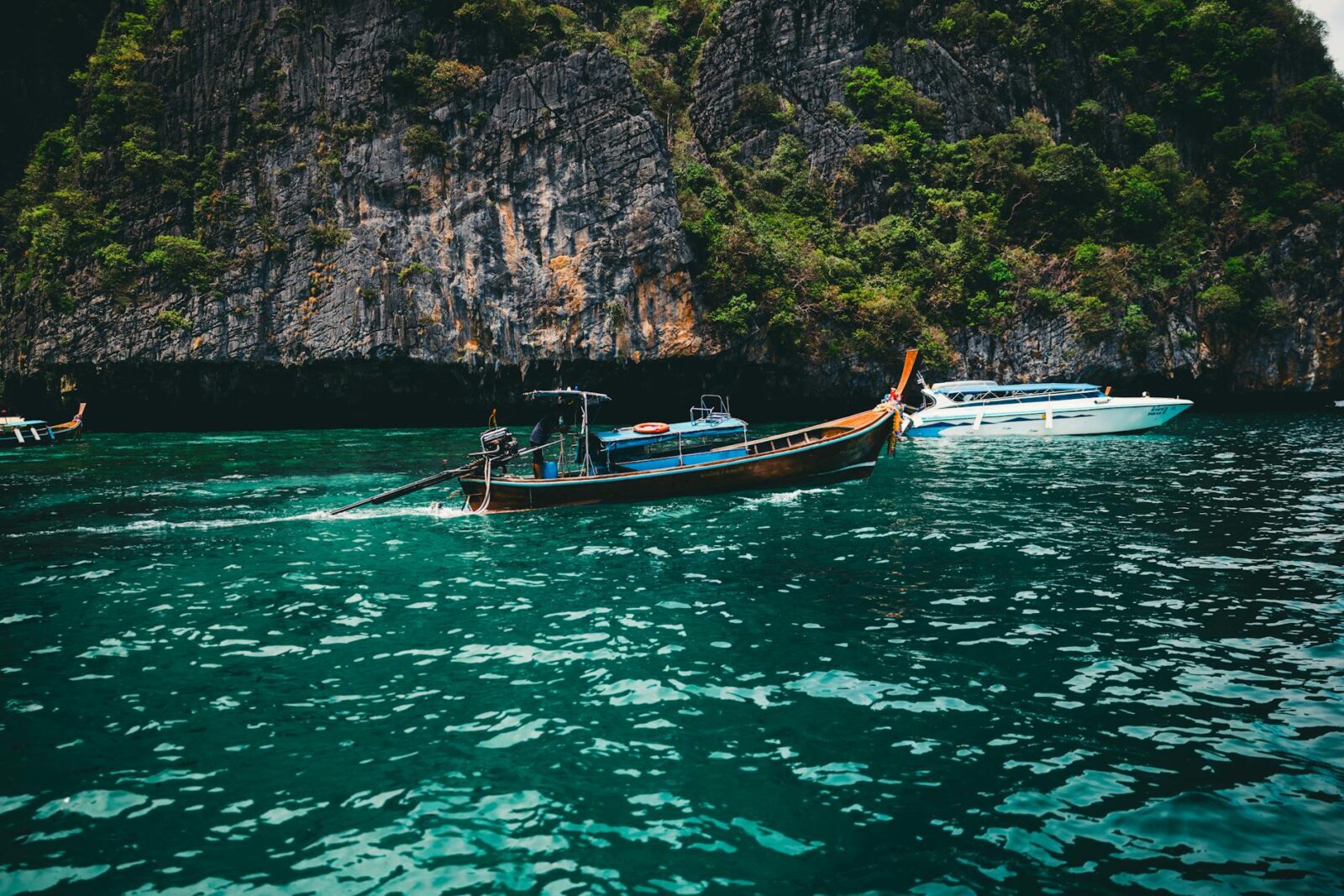
For island experiences, skip the snorkeling tours from Phuket and instead take a local longtail boat from Ao Nang in Krabi. Negotiate directly with boat owners (expect $25-40 per person for a full day), and you’ll visit less-crowded islands with better snorkeling and fewer tourists. The difference is dramatic—you might see 50 tourists on a commercial tour versus 8 on a local boat.
Temple visits should include at least one early morning alms-giving ceremony, where monks collect offerings from locals. This is genuinely spiritual and free to observe (though respectful donations are appreciated). Ask your hotel staff when and where this happens near you. Watching this ritual—the quiet reverence, the community aspect—teaches you more about Thai Buddhism than any tourist presentation.
Food That Tastes Like Thailand: Markets, Neighborhoods, and Meals
Thailand’s street food reputation is justified, but eating well requires moving beyond tourist areas. A pad thai from a tourist-area vendor costs $3-5 and tastes like every pad thai everywhere. The same dish from a street vendor in a Bangkok neighborhood market costs $1.50-2 and tastes like someone’s grandmother made it specifically for you. The difference is real.
Essential Dishes and Where to Find Them: Khao Soi (curry noodle soup) is northern Thailand’s signature dish—creamy, complex, and addictive. Find it at any Chiang Mai market for $1.50-3. Som tam (spicy papaya salad) appears everywhere, but the best versions come from market vendors who pound it fresh to order in a mortar. Watch them make it; the technique matters. Boat noodles (rad nahm) are a Bangkok specialty—thin rice noodles in a rich broth, typically topped with pork or beef. Find them at boat noodle restaurants (look for the boats hanging on walls) for $2-4. Massaman curry, larb (spicy minced meat salad), and mango sticky rice complete the essential list.
Market Experiences Worth Planning Around: Bangkok’s Chatuchak Weekend Market (the world’s largest weekend market) spans 15,000 stalls and feels overwhelming until you understand its sections. Food vendors cluster in specific areas; spend time in Section 26-27 where locals eat rather than the touristy sections near the BTS entrance. Expect meals for $2-5. Chiang Mai’s Sunday Walking Street market fills the Old City every Sunday evening with food vendors, crafts, and local energy. Arrive by 5 PM to beat crowds, and plan to spend 2-3 hours eating and exploring. Prices are incredibly low—$1-3 per dish.
Neighborhood Recommendations: In Bangkok, Ari and Ekkamai neighborhoods have excellent local restaurants where English menus are rare but food is authentic and cheap. In Chiang Mai, the area around Warorot Market (Kad Luang) offers genuine local eating experiences. On islands, avoid beachfront restaurants (where a pad thai costs $8-12) and instead eat where locals eat—in small shophouses one block from the beach, where the same meal costs $2-4.
Beverage Culture: Thai iced tea (cha yen) is an institution—sweet, creamy, and available everywhere for $1. Thai coffee (gafae) is strong and excellent, typically served iced. Beer is cheap; a large local beer (Chang or Singha) costs $1.50-2.50 at 7-Elevens and $2-4 at bars. If you’re interested in local spirits, try Mekhong whisky, a Thai staple that tastes nothing like Western whiskey. Respect the monarchy—never disrespect the royal family or Thai flag, and avoid loud behavior in bars.
Logistics: Visas, Transportation, and Budget Breakdown
Visa Requirements: Most Western passport holders receive a 30-day visa exemption upon arrival in Thailand. If you’re staying longer or want more flexibility, apply for a 60-day Tourist Visa before arrival through a Thai embassy (typically costs $40-60 and takes 5-10 business days). Alternatively, obtain a 30-day extension at Thai Immigration offices inside the country for about $40. Check official Thai embassy websites (embassy.go.th) for your specific nationality’s requirements.
Getting There: Bangkok’s Suvarnabhumi Airport is the primary international hub. Flights from North America typically cost $600-1000 round-trip depending on season and how far in advance you book. From Europe, expect $500-800. From Australia, $400-700. The airport has excellent public transportation—the Airport Rail Link connects to Bangkok’s BTS Skytrain system for about $3, making ground transportation incredibly cheap.
Getting Around: Within cities, use the BTS Skytrain (Bangkok), songthaews (shared red trucks), or grab (Thailand’s ride-sharing app). A typical grab ride in Bangkok costs $2-6 depending on distance. Between cities, buses are cheap and reliable—Bangkok to Chiang Mai costs $15-30 depending on bus class. Flights between cities (Bangkok-Phuket, Bangkok-Chiang Mai) cost $40-80 on budget airlines like AirAsia and Nok Air. Trains are romantic but slow; Bangkok to Chiang Mai takes 12-14 hours but costs only $10-25.
Daily Budget Breakdown (USD): Budget travelers can survive on $25-35/day including accommodation, food, and local transportation. Mid-range travelers should plan $75-120/day. Luxury travelers budget $200+/day. These estimates assume you’re eating local food, using public transportation, and visiting free/cheap attractions. If you’re eating at tourist restaurants and booking expensive tours, costs increase dramatically.
Sample Daily Budget (Mid-Range Traveler): Accommodation $80-100, meals $20-30 (mix of street food and restaurants), activities $20-40, transportation $5-10. Total: approximately $125-180/day. This assumes you’re eating well, staying in decent hotels, and doing paid activities most days.
Cultural Nuances and Tourist Mistakes to Avoid
Thailand’s culture is sophisticated, spiritual, and deeply respectful. Tourists who understand basic cultural norms have dramatically better experiences than those who don’t. The Thai concept of “sanuk” (finding fun and enjoyment in everything) shapes daily life; loud, aggressive behavior violates this principle and will result in polite but firm rejection from locals.
Critical Rules: Never disrespect the Thai monarchy—this is taken extremely seriously and violates Thai law. Avoid criticizing the royal family even casually. Remove your shoes before entering temples, homes, and many restaurants. Dress respectfully at temples (cover shoulders and knees). The bottom of your feet is considered disrespectful in Thai culture; never point your feet at people or religious images. When greeting someone, use a “wai” (hands pressed together at chest level with a slight bow) rather than handshakes, especially with elders or in formal situations.
Common Tourist Mistakes: Don’t touch people’s heads—the head is considered sacred. Don’t assume all street food vendors speak English; learn a few Thai phrases or use Google Translate. Don’t haggle aggressively at markets; negotiation is expected, but aggressive haggling is disrespectful. Don’t assume tipping is expected; in Thailand, tipping is appreciated but not obligatory (unlike the US). Leave small change or round up bills if service was good. Don’t take photos of people without permission, especially monks or people in markets. Don’t assume everyone wants to chat with tourists; respect personal space. Don’t visit temples during prayer times or services; observe from a respectful distance.
Etiquette in Daily Life: Thais value calm, polite behavior. Raising your voice, showing anger, or being impatient will backfire. If something goes wrong, smile and calmly explain the issue. This approach gets better results than frustration. In taxis, don’t slam doors or be abrupt. Learn a few Thai phrases—”Khop khun” (thank you) and “Sawasdee” (hello/goodbye) go a long way. Thais appreciate when foreigners make an effort with the language, even if it’s just basic phrases.
FAQ: Questions Travelers Actually Ask
Q: Is November or December better for visiting Thailand? Both are excellent, but they differ. November is slightly less crowded than December, prices are slightly lower, and the weather is equally good. November also features the Loi Krathong festival, which is genuinely special. December attracts more tourists and higher prices but offers the holiday season atmosphere and longest daylight hours. If you’re flexible, choose November for better value and fewer crowds. If you have specific dates or are traveling with family during school holidays, December works fine—just book accommodations early.
Q: Can I visit Thailand during the rainy season and have a good experience? Yes, absolutely. The rainy season (May-October) offers 40-50% lower prices, fewer tourists, and genuinely good experiences if you adjust expectations. Rain typically arrives in bursts rather than all-day drizzle. June and July have lighter rain than August and September. Jungle areas like Khao Sok National Park are actually excellent during this season. The key is choosing activities appropriate for the weather—jungle trekking and waterfall visits work great; beach lounging is less ideal. Budget travelers and those seeking authentic experiences often prefer low season.
Q: Should I visit both Phuket and Koh Samui on the same trip? You can, but understand the weather trade-offs. December-February works for both. April-September works for Gulf islands (Koh Samui) but not Phuket. If you’re visiting during other months, choose one coast or accept compromising on weather for one location. The islands are 4-5 hours apart by ferry or 1 hour by flight, so it’s geographically feasible but requires careful timing. Consider whether you actually want to spend half your trip traveling between locations or prefer staying in one area longer.
Q: What’s the difference between visiting Chiang Mai in November versus February? November is cooler (especially evenings), features the Loi Krathong festival, and has fresher air post-rainy season. February is slightly warmer but still comfortable, with higher prices and larger crowds. Both are excellent for trekking and temple visits. If you’re specifically interested in experiencing Loi Krathong, plan for November. Otherwise, February works equally well if you prefer avoiding crowds (though it’s still peak season).
Q: How much should I budget for a two-week Thailand trip? Budget travelers: $350-490 ($25-35/day). Mid-range travelers: $1,050-1,680 ($75-120/day). Luxury travelers: $2,800+/day ($200+/day). These estimates include flights from North America ($600-1000), accommodation, food, local transportation, and activities. Adjust based on your specific interests—beach resorts cost more than city hotels, and packaged tours cost more than independent exploration. The most flexible budget approach is allocating $100/day for everything including flights amortized across your trip, then adjusting up or down based on your preferences.
Stay informed with the latest travel news, visa updates, and destination guides. Follow HimalayanCrest.com for weekly travel intelligence delivered by our editorial team.