

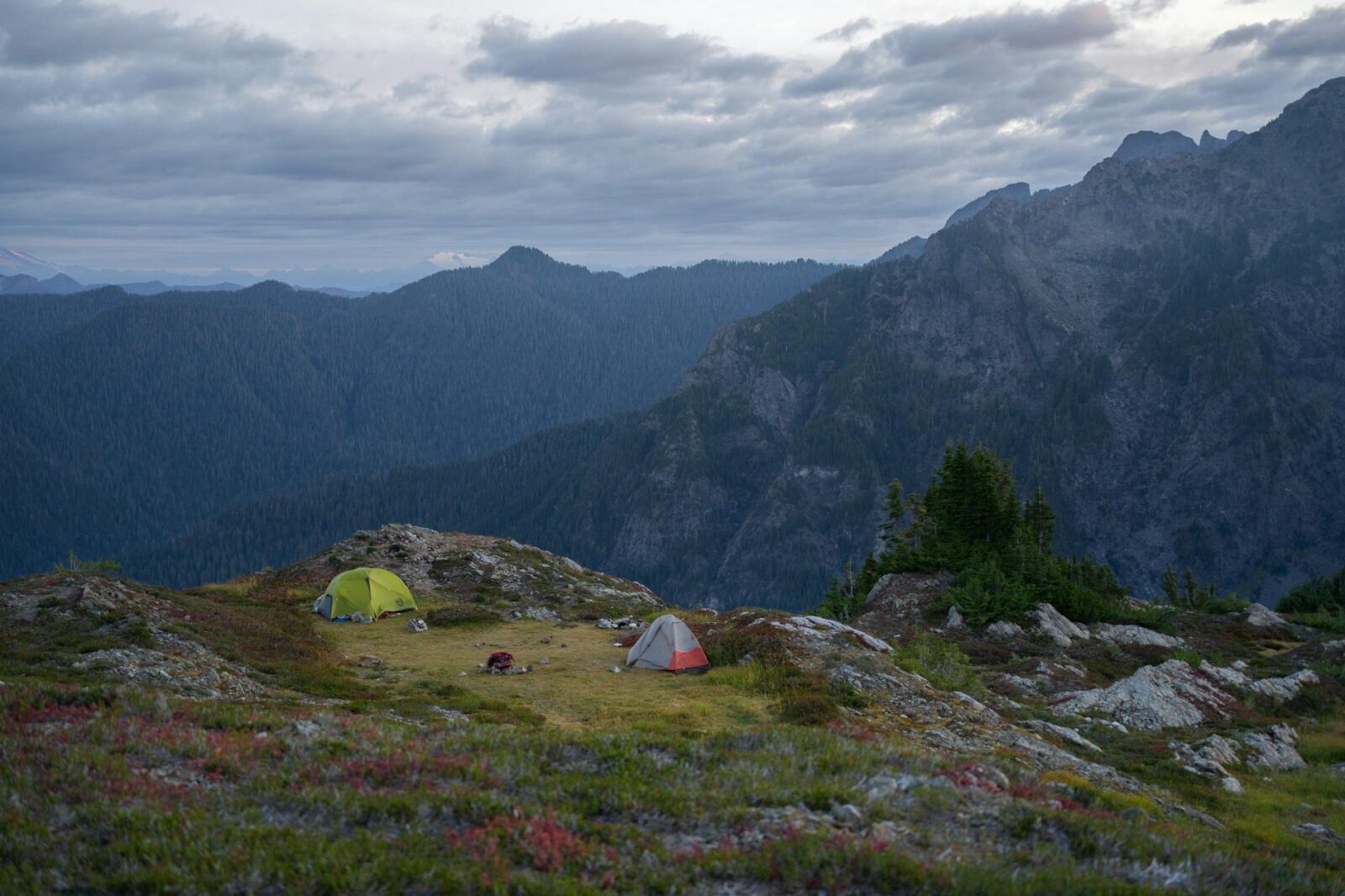
A Dawn Prayer Echoes Across the Khumbu
Imagine standing at 3,440 meters in Namche Bazaar as the first light of dawn hits the snow-capped peaks of Everest, Lhotse, and Ama Dablam. A distant monastery bell tolls, blending with the chatter of porters readying yak caravans for the trail ahead. This is the Everest Base Camp trek—a 12-16 day journey through Nepal’s Khumbu Valley that tests your limits while rewarding you with Himalayan grandeur unmatched anywhere else on earth.
Seasoned travelers know this route draws over 40,000 adventurers yearly, yet each step feels profoundly personal amid ancient Sherpa villages and glacier-carved valleys. Our research at HimalayanCrest.com, drawn from 2026 trek reports, reveals updated itineraries, costs now averaging $1,200-$1,800 USD per person, and vital safety tweaks post-monsoon. Whether you’re from Mumbai, Lagos, or Dubai, this guide equips you with actionable steps to plan confidently for 2026.
From Kathmandu’s bustle to the icy silence at 5,364 meters, the trek builds gradually, with acclimatization days preventing altitude woes. Trekkers report transformative moments—like spotting Everest’s summit pyramid from Kala Patthar—at altitudes where oxygen is thin but views are infinite. Start training now; your base camp triumph awaits.
Route Essentials: Distance, Difficulty, and Fitness Demands
The classic Everest Base Camp (EBC) trek covers about 112-130 km round-trip, starting with a 35-minute flight from Kathmandu to Lukla at 2,840 meters. It spans 12-16 days, reaching a max altitude of 5,545 meters at Kala Patthar (Everest Base Camp sits at 5,364 meters). Rated difficult due to steep ascents, rocky paths, and high altitude, it’s accessible to fit beginners with preparation.
Fitness requirements are straightforward: aim for 8-10 hours weekly of cardio like hiking with a 10-15 kg pack, plus strength training for legs and core. Trekkers in their 20s to 60s succeed if they build endurance over 3-6 months—think stair climbs or hill walks mimicking the 1,000+ meter daily gains. Those from sea-level cities like Manila or Riyadh should add high-altitude simulation via apps or gym hypoxia masks.
Difficulty peaks on days with 700-1,000 meter elevations, like Namche ascent, but teahouse stays ease logistics. Women trekkers note the trails suit all genders, though pack weights matter—hire porters to keep yours under 10 kg. Success rates exceed 95% for prepared groups, per 2026 operator data.
Classic 14-Day Itinerary: Day-by-Day Breakdown
Day 1: Arrive Kathmandu (1,350m), acclimatize, permits sorted. Day 2: Fly to Lukla (2,840m), trek 7 km/4-5 hrs to Phakding (2,610m)—easy downhill warm-up along Dudh Koshi River.
Day 3: Phakding to Namche Bazaar (3,440m), 10 km/6 hrs—steep 600m climb past suspension bridges, first Everest glimpse rewards the sweat. Day 4: Acclimatization in Namche: hike to 3,860m Everest View Hotel, explore markets stocked with Thai knockoffs and Tibetan crafts.
Day 5: Namche to Tengboche (3,860m), 9.2 km/4-5 hrs—ledge walks through rhododendron forests, Tengboche Monastery offers sunset prayers. Day 6: Tengboche to Dingboche (4,360m), 11 km/6 hrs—descent then ascent, views of Ama Dablam dominate.
Day 7: Acclimatization in Dingboche: optional 300m climb to Nagkartse Peak for panoramic sweeps. Day 8: Dingboche to Lobuche (4,940m), 6 km/4-5 hrs—pass Everest Memorial, honoring fallen climbers.
Day 9: Lobuche to Gorakshep (5,164m), 8 km/3-4 hrs, then 4 km/2 hrs side trip to EBC (5,364m)—glacier moraine, climber tents dot the rocky camp. Day 10: Pre-dawn Kala Patthar (5,545m) summit for Everest sunrise, descend to Pheriche (4,240m), 12 km/7 hrs.
Day 11: Pheriche to Namche (3,440m), 15 km/7 hrs—long descent through forests. Day 12: Namche to Lukla (2,840m), 16 km/7-8 hrs—celebratory last beers. Day 13: Fly to Kathmandu. Day 14: Buffer/contingency. Distances from operator itineraries ensure safe pacing.
Prime Trekking Seasons: Weighing Spring, Autumn, and Beyond
Best: March-May (Spring) and October-November (Autumn)—clear skies, mild temps (day: 10-20°C, night: -10°C at base). Spring blooms rhododendrons; autumn offers crisp views, fewer crowds post-monsoon. Peak permits hit 500/day, book 6 months ahead.
Monsoon (June-September): Avoid—landslides, leeches, zero visibility; Lukla flights cancel 80% of days. Winter (December-February): Snowy magic but -20°C nights, avalanche risks; only for hardened experts with crampons. Shoulder seasons (late May, early March) trade clouds for 30% fewer trekkers and $100-200 USD savings on teahouses.
Our 2026 data shows autumn ideal for Filipinos escaping typhoons or UAE residents seeking cool escapes—fewer queues at EBC. Monitor Nepal Met Department for real-time weather; flexibility adds a day or two.
Permits, Costs, and Budget Breakdown for 2026
All trekkers need Sagarmatha National Park Permit ($30 USD), Khumbu Pasang Lhamu Rural Municipality Permit ($10 USD), and TIMS Card ($20 USD)—total $60 USD, obtained in Kathmandu or Monjo. No changes for 2026; guides handle paperwork.
Full trek package: $1,200-$1,800 USD (group of 4-10), covering flights ($200-300 round-trip Kathmandu-Lukla), guides ($25/day), porters ($20-25/day, carry 20-25 kg), teahouse beds ($5-15/night), meals ($25-35/day). Solo: add $400. Insurance mandatory—evacuation via helicopter costs $5,000+ without.
Tipping: 10-15% of trek cost split among team (guide $150-200 total, porter $100-120 for 14 days). Bargain fairly; porters from Solukhumbu earn this as primary income. Track expenses in a app like Trail Wallet for surprises like extra Lukla flight delays ($180).
Gear Essentials: Pack Smart for Khumbu Conditions
Base layers: Merino wool thermals for -15°C nights. Mid-layers: Fleece jacket, down puffy (800-fill). Outer: Gore-Tex jacket/pants for rain/snow. Footwear: Broken-in mid-hiking boots with microspikes for ice; gaiters block snow. Sleep: 4-season bag rated to -15°C, liner adds warmth.
Accessories: Sunglasses (cat 4), balaclava, liner gloves, insulated water bottle (freezes otherwise). Daypack: 30-40L with rain cover. Tech: Power bank (solar optional), Garmin inReach for SOS. Medicine: Diamox (125mg twice daily from Namche), ibuprofen, blister kit. Women: Add sanitary pads; porters carry tampons rarely.
Teahouse-specific: Earplugs for snorers, headlamp, deck of cards for evenings. Rent sleeping bags ($10/trip) in Thamel to save $100 checked baggage. Test gear on local hills first.
Health Safeguards: Altitude, Water, and Emergency Plans
Acute Mountain Sickness (AMS) hits 50% above 3,500m—symptoms: headache, nausea. Prevent: Ascend <500m sleep gain/day, hydrate 4L, eat carbs. Diamox speeds acclimatization; descend if severe. Guides carry oxygen bottles in 2026.
Water: Boil teahouse water or use Aquatabs (chlorine dioxide)—avoid iodine in Nepal due to thyroid issues. Purifiers like Sawyer Squeeze weigh 100g. Insurance: World Nomads or Allianz with $100,000 heli-evac; Airlift Nepal coordinates rescues ($4,000-10,000).
Evac: From EBC, walk to Pheriche helipad or Gorakshep (risky). Practice rest-step breathing: inhale 3 steps, exhale 3. Indian trekkers note similar to Ladakh’s altitude but longer exposure.
Cultural Respect and Leave-No-Trace Practices
Walk clockwise around stupas/mani walls—it’s karma. Remove hats in monasteries; women cover shoulders. Namaste greets elders; learn basic Nepali: dhanyabad (thank you). Support locals: buy from Sherpa women selling handicrafts, not imported snacks.
Sustainable tips: Use teahouse toilets, not wilderness; pack out trash (fines $50). No drones near monasteries—respect privacy. Choose eco-guides via TAAN (Trekking Agencies’ Association of Nepal). Middle Eastern trekkers appreciate modest dress aligning with prayer customs.
Porters: Provide jackets if needed; no overloading. 2026 sees microplastic bans—use reusable bottles. Your trek preserves Khumbu for generations.
Teahouse Life, Guides, and Insider Logistics
Teahouses: Stone lodges with solar showers ($2-4), dal bhat (rice/lentil, $8) refuels twice daily. Expect shared rooms (4-8 beds), no heat—bring hot water bottles. WiFi $5-10/5GB, spotty above Dingboche. Power outages? Charge in common rooms.
Hire licensed guides/porters via Kathmandu agencies—solo women prefer female guides ($30/day). Groups of 4-6 balance costs/community. Tipping ceremony on last Lukla night builds bonds. From Pakistan or Indonesia, note similar to Karakoram teahouses but more polished.
Lukla flights: Morning only, delays common—budget 2 extra days, $40/night hotels. Currency: NPR, USD accepted; ATMs in Namche.
Frequently Asked Questions
Can beginners do the Everest Base Camp trek? Yes, with 3-6 months training. The itinerary includes acclimatization; 70% of 2026 trekkers were first-timers. Consult a doctor for heart/lung checks.
What’s the exact cost for EBC trek in 2026? $1,200-$1,800 USD all-inclusive for groups. Add $500 solo. Permits $60, insurance $100-200. Prices up 10% from 2025 due to fuel hikes.
Best time for EBC trek? October-November or March-May. Avoid monsoon. Shoulder months save money, fewer crowds.
Do I need a guide or porter? Mandatory TIMS requires one. Porters essential for comfort—carry your 15 kg max.
How to prevent altitude sickness on EBC? Hydrate, ascend slowly, Diamox from day 3. Descend at first severe symptoms. Guides trained in Gamow bags.
Ready to lace up for Everest Base Camp? Share your training tips or questions in comments—our community of global trekkers awaits. Tag friends dreaming of those sunrise views and let’s inspire the next Himalayan hero. Your story starts now.
Stay informed with the latest travel news, visa updates, and destination guides. Follow HimalayanCrest.com for weekly travel intelligence delivered by our editorial team.