

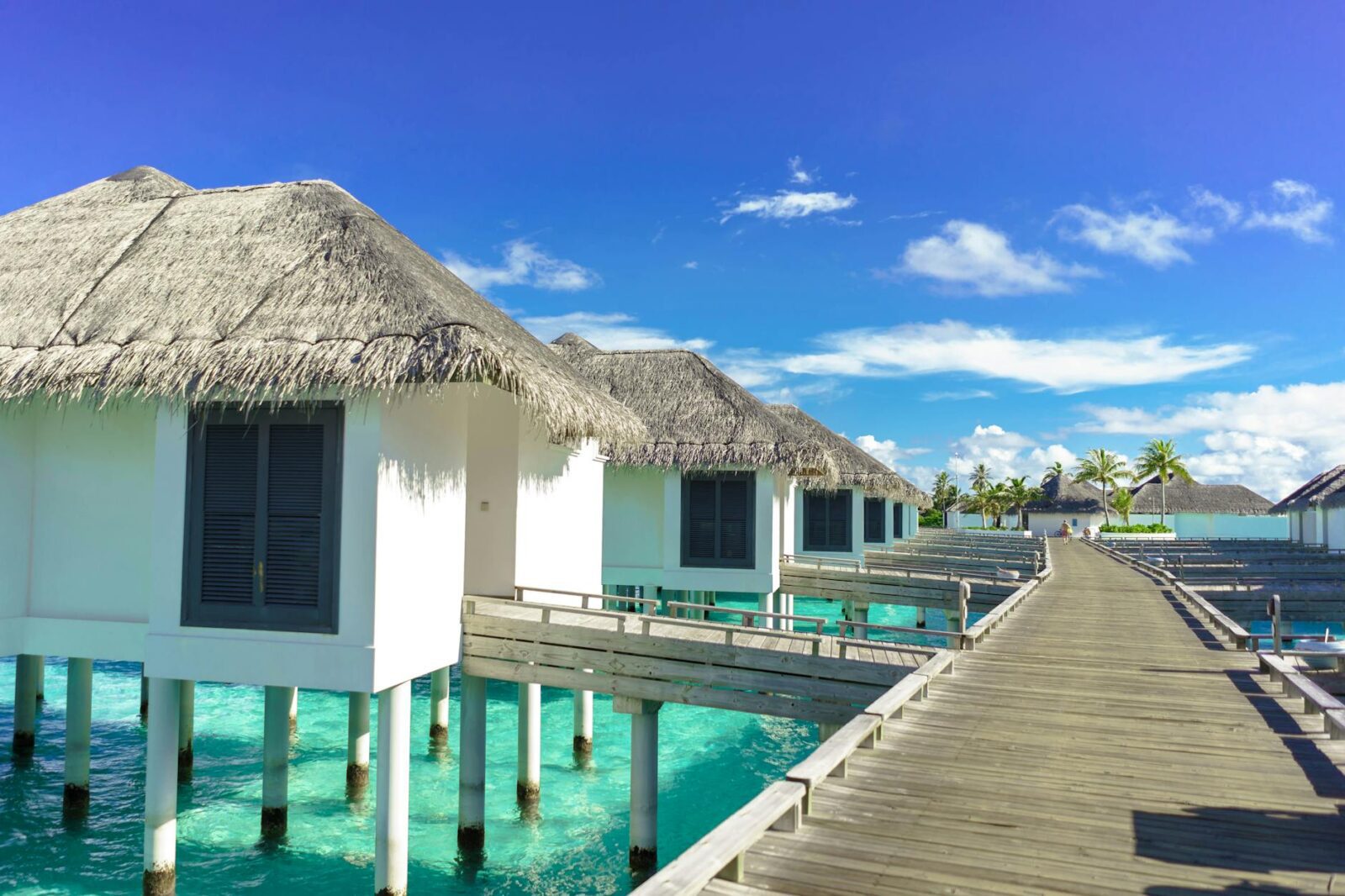
The Maldives: Paradise on the Brink
Imagine waking up in a luxurious overwater villa in the Maldives, only to hear the urgent whispers of waves encroaching on the sandy shores. This tropical paradise, a favorite among honeymooners and luxury travelers, faces an existential threat. With an average elevation of just 1.5 meters above sea level, the Maldives is one of the lowest-lying countries in the world. Climate change and rising sea levels threaten to submerge these idyllic islands within our lifetime.
The Maldivian government has been proactive, investing in infrastructure and exploring possibilities of relocating its population. The stakes are high, as tourism accounts for nearly 28% of the Maldives’ GDP. Travelers can still experience this serene getaway, but the urgency to visit before it’s too late adds a bittersweet urgency to every trip.
The Marshall Islands: A Race Against Time
In the heart of the Pacific Ocean, the Marshall Islands are facing a daunting reality. Rising sea levels and climate change are threatening to engulf this Micronesian nation. Already, parts of its capital, Majuro, are being swallowed by the ocean, and predictions suggest the islands could be uninhabitable by 2050.
For the Marshallese people, this isn’t just a loss of land; it’s a loss of heritage and history. The islands play a crucial role in their cultural identity. Tourists visiting the Marshall Islands can engage in cultural tours to learn about their rich traditions, but it’s also a reminder of the urgent need for global climate action.
Kiribati: The Sinking Sovereign
Kiribati, a nation of 33 atolls and reef islands, is grappling with the harsh impacts of climate change. Located in the central Pacific Ocean, Kiribati’s highest point is only 81 meters above sea level, making it extremely vulnerable to rising tides.
In an unprecedented move, the government of Kiribati has purchased land in Fiji to potentially relocate its population. For travelers, Kiribati offers pristine beaches and vibrant marine life, but visiting now might be the only chance to witness this unique environment before it succumbs to the sea.
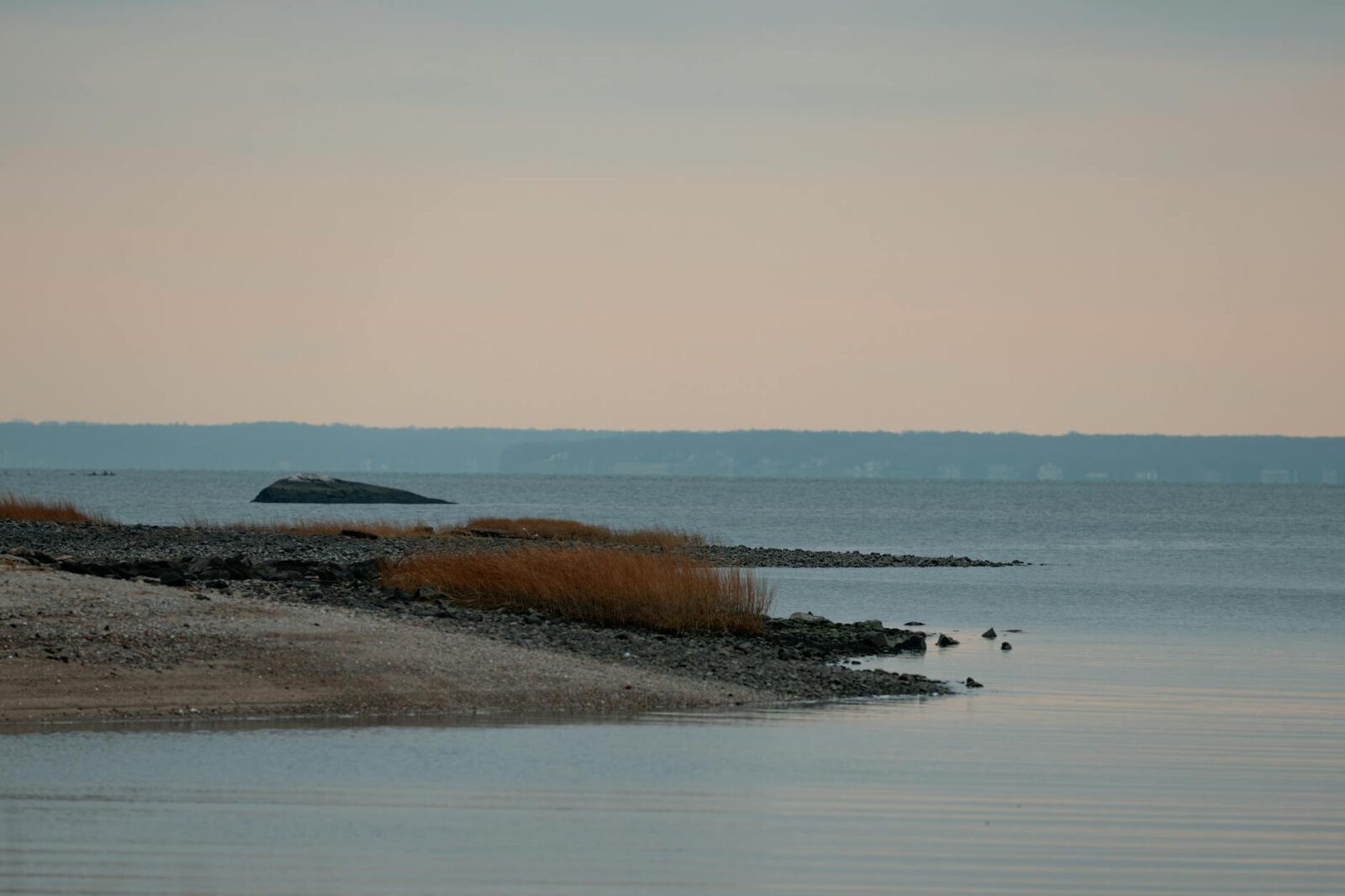
Tuvalu: A Nation at the Edge
Tuvalu, one of the world’s smallest and most remote nations, faces an imminent threat from rising sea levels. With a population of around 11,000, Tuvalu’s nine islands are at risk of disappearing beneath the waves, with predictions suggesting it could happen within the next few decades.
Efforts to combat the sea’s encroachment include building sea walls and raising the land level. However, the future remains uncertain. Travelers can explore Tuvalu’s untouched beauty, but it’s essential to do so sustainably, respecting the fragile environment.
The Solomons: Vanishing Villages
In the Solomon Islands, entire villages are disappearing as rising sea levels and coastal erosion take their toll. The Solomons, an archipelago in the South Pacific, is experiencing one of the highest rates of sea-level rise in the world, with some islands already submerged.
For travelers, the Solomons offer a glimpse into vibrant Melanesian culture and stunning natural landscapes. However, the encroaching sea serves as a stark reminder of the urgent need for climate action. Visiting the Solomons provides a unique opportunity to learn about the effects of climate change firsthand.
The Carteret Islands: Evacuation in Progress
The Carteret Islands in Papua New Guinea are among the first to undergo climate-induced evacuation. Rising sea levels have rendered farming impossible, leading to food shortages for the island’s inhabitants. The decision to relocate the population to mainland Bougainville marks a historic move driven by climate change.
While the Carteret Islands may soon be lost to the sea, they remain a powerful symbol of resilience and adaptation. Travelers interested in social and environmental issues can visit to learn about the ongoing relocation efforts and the challenges faced by the islanders.
The Seychelles: Coastal Erosion Threat
The Seychelles, an archipelago in the Indian Ocean, is renowned for its stunning beaches and diverse marine life. However, these islands are not immune to the threats of climate change. Coastal erosion and rising sea levels are already impacting the Seychelles, with predictions of severe consequences if global temperatures continue to rise.
Efforts to mitigate these effects include mangrove restoration and coral reef conservation. Visitors to the Seychelles can partake in eco-friendly tourism activities, contributing to local conservation efforts while enjoying the islands’ natural beauty.
The Maldives’ Artificial Islands: A Fragile Future
In an innovative response to rising sea levels, the Maldives has begun constructing artificial islands. Hulhumalé, a reclaimed island, is part of the government’s long-term strategy to combat the effects of climate change. However, these artificial islands are not without their vulnerabilities.
While they provide temporary relief, the sustainability of such projects remains in question. Travelers visiting Hulhumalé can witness a unique blend of modern infrastructure and natural beauty, but it’s a reminder of the lengths nations must go to in order to survive climate change.
The World Islands: A Luxury Mirage
Conceived as a luxury real estate project off the coast of Dubai, The World Islands face their own set of challenges. This man-made archipelago, shaped like a world map, has been plagued by reports of sinking and disrepair. Originally envisioned as a playground for the rich, many of the islands remain undeveloped.
While the developer denies reports of sinking, the future of The World Islands remains uncertain. For travelers, it represents a unique opportunity to witness a grand vision that may never fully materialize. Visiting Dubai offers a chance to see this ambitious project up close.
Venice: The Floating City in Peril
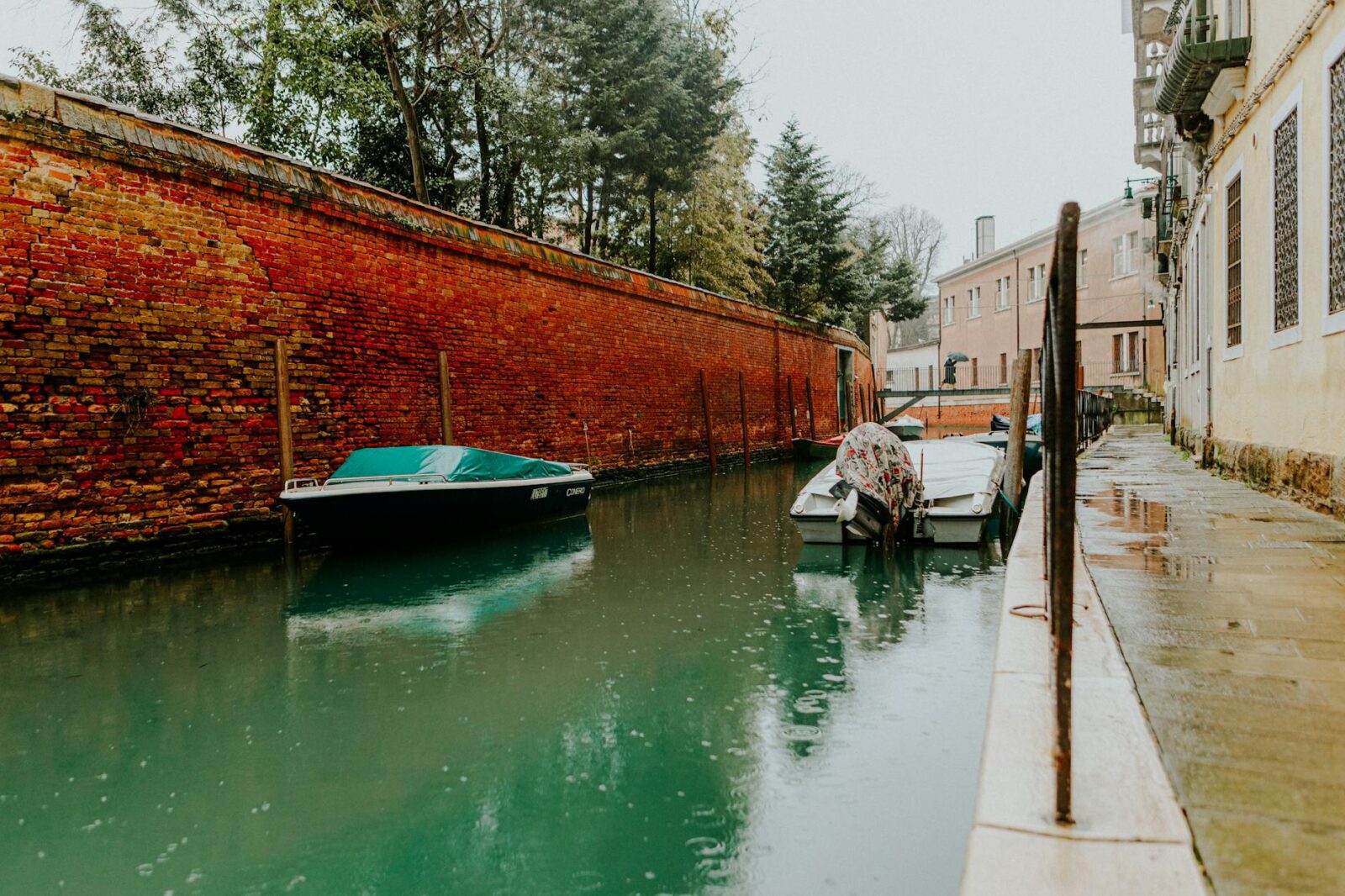
While not an island nation, Venice, Italy, faces a similar threat from rising sea levels. Known as the ‘Floating City,’ Venice is sinking at a rate of 1-2 millimeters per year, exacerbated by the rising tides of the Adriatic Sea.
Venice has implemented measures such as the MOSE project to protect against flooding, but the city’s future remains precarious. For travelers, Venice offers a unique blend of history, art, and architecture. However, visiting now ensures you experience its magic before the waters rise further.
Practical Tips for Travelers
These island destinations offer unique travel experiences, but their future is uncertain. Here are some tips for those planning to visit:
- Travel sustainably: Support eco-friendly hotels and local conservation efforts.
- Plan ahead: Research the best times to visit, considering seasonal weather patterns.
- Engage locally: Learn from residents about the impacts of climate change on their communities.
- Stay informed: Follow updates on climate change and its effects on these destinations.
FAQs
Why are these islands at risk of sinking?
Rising sea levels due to climate change are the primary threat. Low elevation and geographical location make these islands especially vulnerable.
What can travelers do to help?
Travelers can support sustainable tourism practices, donate to local conservation efforts, and raise awareness about climate change impacts.
Will these islands be gone forever?
While some islands may become uninhabitable, efforts are underway to mitigate impacts. Relocation and adaptation strategies offer hope for the future.
Is it safe to travel to these islands?
Yes, but travelers should stay informed about weather conditions and follow any local advisories. Supporting local economies can also aid in resilience efforts.
Stay informed with the latest travel news, visa updates, and destination guides. Follow HimalayanCrest.com for weekly travel intelligence delivered by our editorial team.