

Growing Concerns Over Rights in Afghanistan
Amidst global instability, the spotlight once again turns to Afghanistan, where the rights of women, girls, and religious minorities continue to erode under Taliban rule. On June 8, 2026, the UK expressed deep concern at the United Nations Security Council about the deteriorating situation. This statement underscores the international community’s alarm over recent Taliban decrees that exacerbate gender inequality and violate international obligations.
Impact on Women and Girls
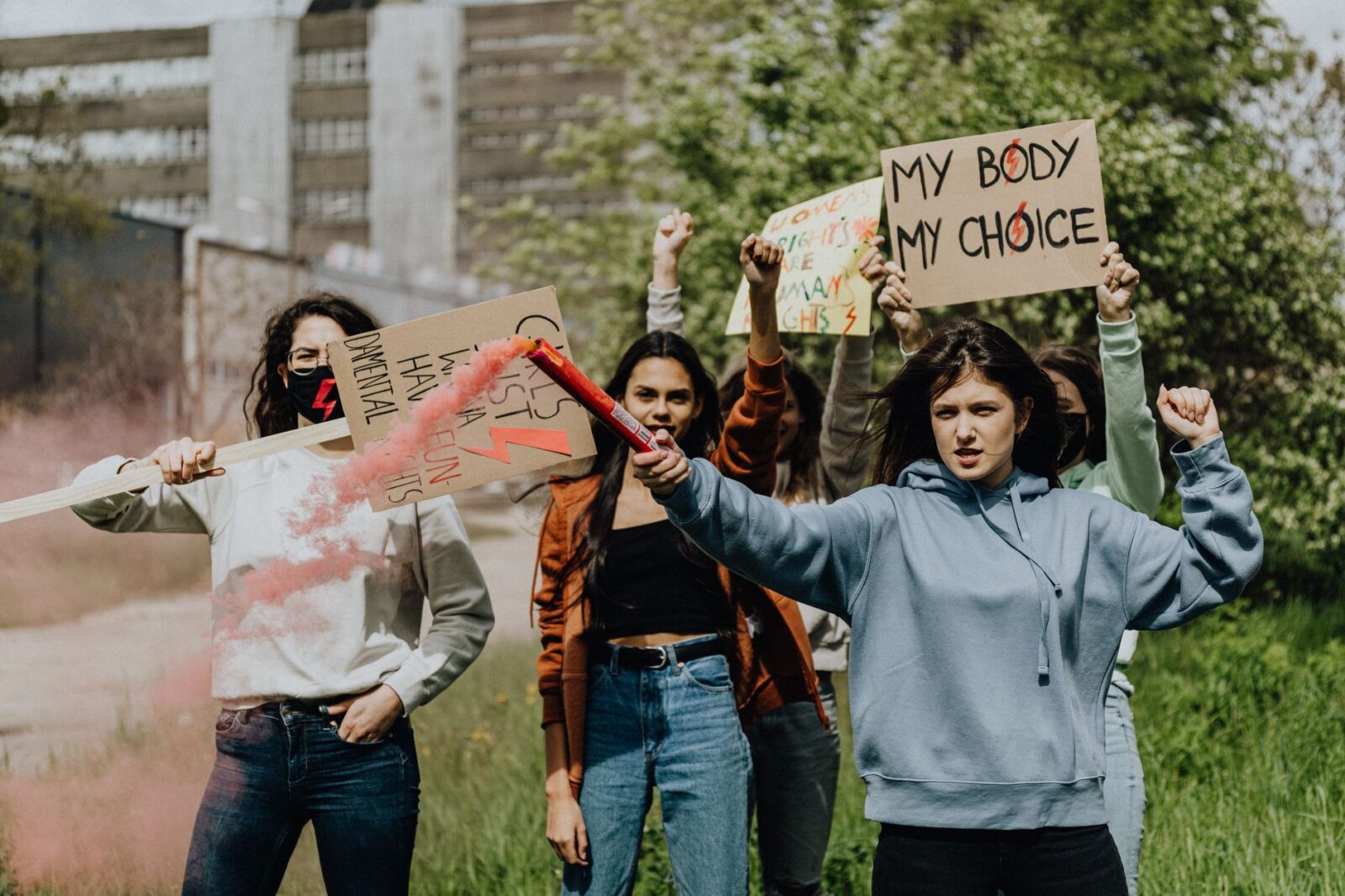
The Taliban’s recent measures have severely impacted women and girls, stripping them of fundamental rights. According to reports, women in Afghanistan face unprecedented restrictions, including bans on secondary education and most forms of employment. A particularly alarming law allows men to discipline their wives under the guise of maintaining order, as long as it doesn’t cause visible harm. Such policies have drawn condemnation from global human rights organizations, including Amnesty International, which highlights the systemic discrimination faced by women from Hazara and other minority communities.
Religious Minorities Under Siege
Religious minorities, too, face increased persecution. The Taliban’s policies have systematically marginalized these groups, violating their rights to religious freedom and cultural expression. The international community, including the UK, has called for urgent action to protect these vulnerable populations. The erosion of rights in Afghanistan not only threatens the stability of the region but also poses a significant challenge to global human rights standards.
International Response and Diplomatic Efforts
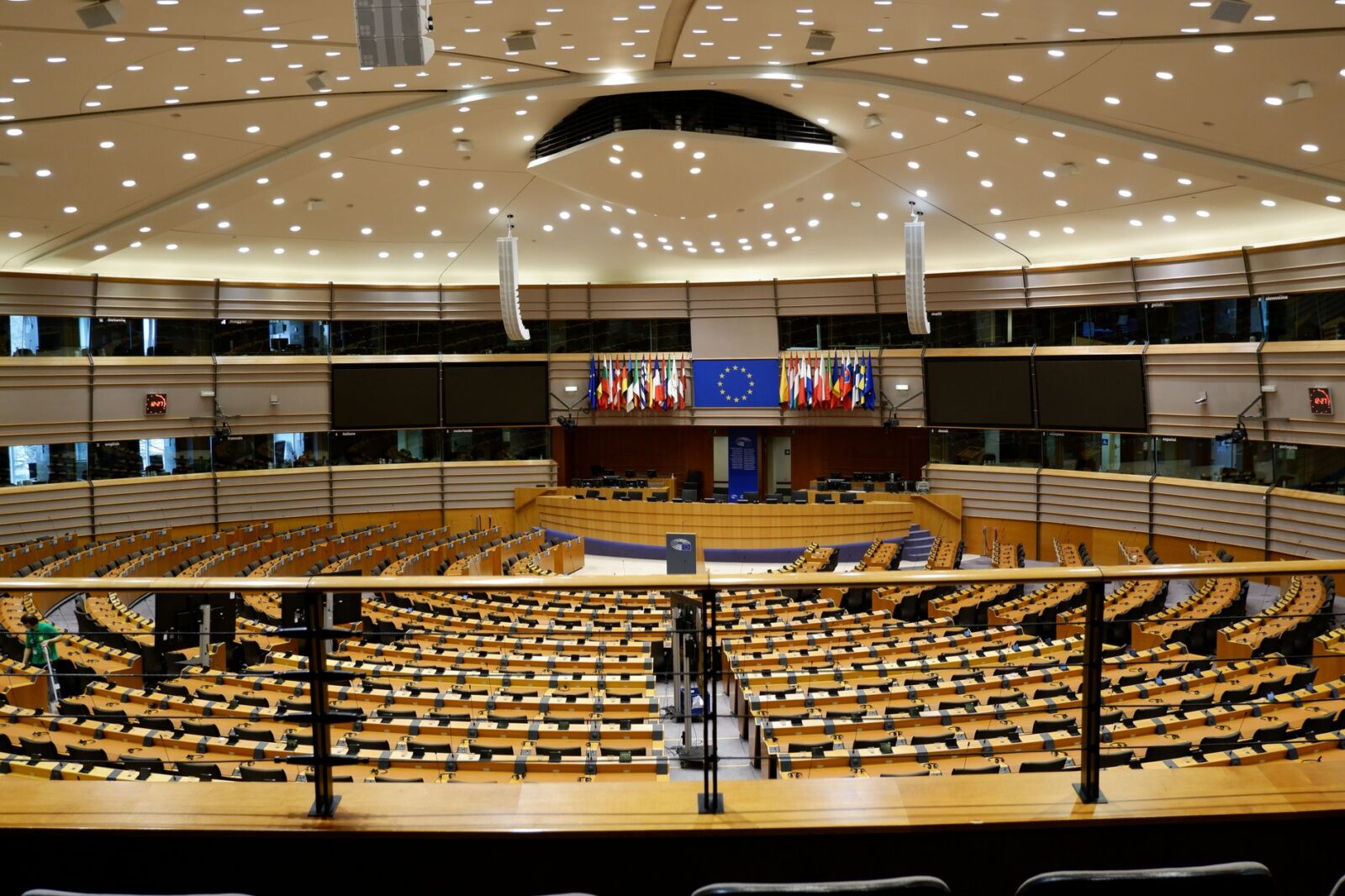
The UK’s statement at the UN is part of broader international efforts to address the crisis in Afghanistan. The call for the Taliban to reverse discriminatory measures is echoed by multiple countries and international bodies. Diplomatic engagements continue, with nations urging the Taliban to adhere to international laws and norms. However, the effectiveness of these diplomatic efforts remains a subject of debate among experts and activists alike.
Implications for Travelers and Expatriates
For travelers, expatriates, and investors, the situation in Afghanistan presents significant challenges. Countries like the UK have issued travel advisories warning against non-essential travel to the region due to security concerns and the unpredictable political climate. Expatriates residing in Afghanistan are advised to stay informed about local developments and maintain contact with their respective embassies for safety updates. The official UK government website provides detailed travel advice and the latest updates on the situation.
Comparative Analysis: Global Human Rights Policies
The situation in Afghanistan starkly contrasts with how other countries handle similar human rights issues. For instance, many nations have established robust legal frameworks to protect the rights of women and minorities, emphasizing gender equality and religious freedom. Countries like Norway and Canada are often cited as benchmarks for their comprehensive human rights policies, which could serve as models for Afghanistan’s future governance.
Future Outlook and Potential Solutions
Looking ahead, the path to restoring rights in Afghanistan is fraught with challenges. Nonetheless, international collaboration and sustained pressure on the Taliban are crucial. Engaging regional powers like Pakistan and neighboring countries in dialogue could pave the way for meaningful change. Additionally, empowering Afghan civil society and supporting grassroots movements may offer a glimmer of hope for the future of women’s rights and minority protections in the country.
FAQs
What are the current travel advisories for Afghanistan?
Due to the unstable security situation, many countries, including the UK, advise against all but essential travel to Afghanistan. Travelers should consult their government’s official websites for the latest advisories.
How are women’s rights being affected in Afghanistan?
Under the Taliban’s rule, women face severe restrictions, including bans on education and employment, and are subject to discriminatory laws that limit their freedoms and personal rights.
What actions is the international community taking?
The international community is actively engaging in diplomatic efforts, condemning the Taliban’s policies, and calling for adherence to international human rights laws. Organizations like the UN and Amnesty International are also involved in advocacy and support efforts.
How can expatriates in Afghanistan ensure their safety?
Expatriates should stay informed through official channels, maintain contact with their embassies, and follow any safety advisories issued by their governments. It is also advisable to have a contingency plan in place.
What is the outlook for human rights in Afghanistan?
While the current situation is dire, continued international pressure and support for local advocacy groups may eventually lead to improvements. However, significant challenges remain, and the timeline for change is uncertain.
In conclusion, the erosion of rights in Afghanistan is a pressing global issue. The international community must continue to advocate for change and support those affected by these oppressive policies. Your thoughts and discussions on this topic are invaluable, and we encourage you to share this article to raise awareness.
Stay informed with the latest travel news, visa updates, and destination guides. Follow HimalayanCrest.com for weekly travel intelligence delivered by our editorial team.