

The Rise of the Modern Cruise Experience
Imagine a floating city, replete with everything from gourmet dining to Broadway-style shows, all while traversing the world’s most stunning coastlines. This is the allure of modern cruising, and it’s no wonder that the industry is witnessing a surge in popularity. As of 2026, cruises are more than just vacations; they are immersive experiences that cater to diverse interests, from adventure seekers to luxury lovers.
In the past year alone, cruise bookings have seen a substantial increase, with industry giants like Royal Caribbean and Carnival Cruises expanding their itineraries to over 270 destinations worldwide. This trend is fueled by a growing desire for personalized travel experiences that offer both relaxation and exploration. With the industry estimated to be worth over $150 billion by 2027, it’s clear that cruises are setting sail into the future.
Choosing Your Ideal Cruise Destination
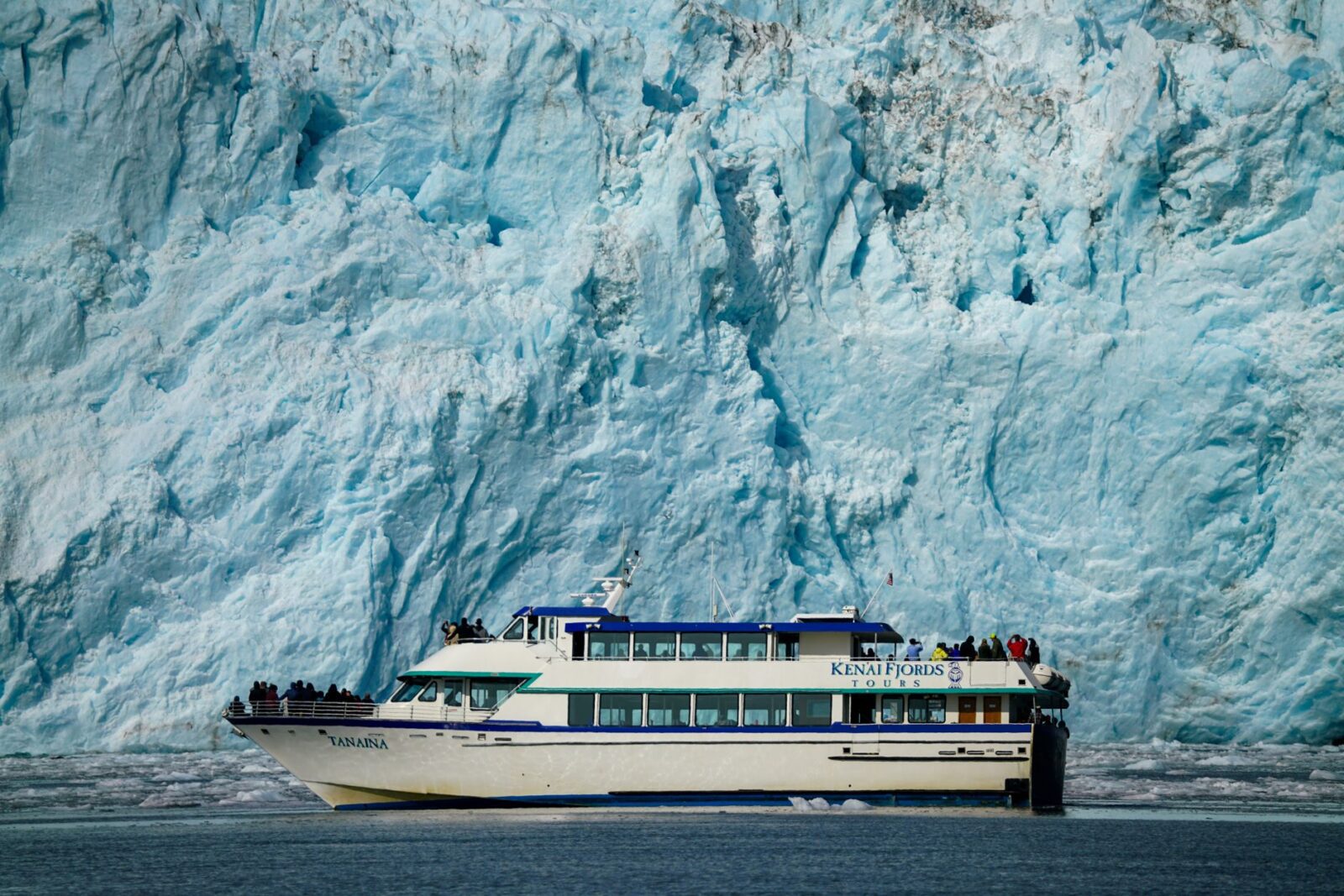
When it comes to selecting a cruise, the options can be overwhelming. However, the key is to align your travel desires with the right itinerary. For those enamored with breathtaking natural beauty, an Alaskan cruise offers a front-row seat to glaciers and wildlife. Meanwhile, the sun-drenched beaches of the Caribbean remain a perennial favorite for those seeking warmth and relaxation.
For a cultural immersion, consider a European river cruise that navigates the historic waterways of the Danube or Rhine. These cruises often include stops in quaint villages and iconic cities like Vienna and Amsterdam, providing a rich tapestry of experiences. The average cost for a seven-day European river cruise can range from $2,500 to $4,000 per person, inclusive of meals and excursions.
Practical Tips for Booking Your Cruise
To make the most of your cruise experience, strategic planning is essential. Start by booking early to secure the best cabins and take advantage of early-bird discounts. Many cruise lines, such as Princess Cruises, offer promotions that include free onboard credits or reduced airfare when booked well in advance.
Consider the time of year you plan to travel. For example, the Caribbean hurricane season from June to November may offer discounted rates, but also poses weather risks. Conversely, European river cruises are most popular in the spring and fall when the weather is mild, and crowds are thinner.
- Research visa requirements for each port of call, especially if your cruise itinerary includes non-EU countries.
- Budget for additional expenses such as shore excursions, specialty dining, and gratuities, which can add $500 or more to your total cost.
- Check if your cruise line offers flexible booking policies, allowing changes or cancellations with minimal fees.

Inside the World of Themed Cruises
Themed cruises are a growing trend, offering niche experiences that cater to specific interests. From music festivals at sea to culinary voyages featuring celebrity chefs, these cruises provide unique opportunities to indulge in your passions while exploring new destinations.
One standout example is the Jazz Cruise, which sails the Caribbean with performances from world-renowned jazz artists. Similarly, the Wine Enthusiast cruise offers tastings and vineyard tours along the Mediterranean coast. Prices for themed cruises can vary, typically starting around $3,000 per person, including specialized activities.
Environmental Considerations and Sustainable Cruising
As the cruise industry grows, so does its environmental impact. Fortunately, many cruise lines are making strides towards sustainability. Companies like Norwegian Cruise Line have invested in energy-efficient technologies and sustainable practices, such as reducing single-use plastics and optimizing waste management systems.
Travelers can contribute to these efforts by choosing eco-friendly cruises that are committed to minimizing their carbon footprint. Look for cruise lines that have received certifications from organizations like Green Marine or the Sustainable Travel International.
Comparing Cruising with Other Travel Options
For those weighing the pros and cons of cruising versus other travel methods, consider the convenience and value that cruises offer. Unlike traditional vacations that require separate bookings for accommodations, meals, and transportation, cruises bundle these elements into one package, often at a competitive price.
If you enjoy the freedom of exploration, a cruise might not be for you due to its fixed schedule. However, for travelers who appreciate structure and variety, a cruise provides an opportunity to visit multiple destinations without the hassle of logistics.
Planning Checklist for Your Cruise Adventure
To ensure a smooth sailing experience, follow this comprehensive checklist:
- Research and select your ideal cruise itinerary based on interests and budget.
- Book your cruise early to take advantage of promotions and secure preferred cabin options.
- Verify travel documents, including passports and visas, are up to date and meet the requirements of each port.
- Purchase travel insurance that covers cruise-specific incidents, such as medical emergencies at sea.
- Pack appropriately, considering both onboard activities and shore excursions.
- Download the cruise line’s app for easy access to itineraries, daily schedules, and onboard communications.
Visa and Entry Requirements
Depending on your cruise itinerary, visa and entry requirements may vary. It’s crucial to check the specific requirements for each country on your itinerary. For U.S. citizens, many Caribbean nations allow entry with just a passport, but European and Asian destinations often require visas. Always consult official government websites for the latest information.
FAQs
What is the best time of year to go on a cruise?
The best time to cruise depends on your destination. The Caribbean is popular from December to April, avoiding hurricane season. For Alaska, May to September offers the best weather and wildlife viewing opportunities.
Are cruises all-inclusive?
While cruises typically include accommodations, meals, and entertainment, additional costs may arise from shore excursions, specialty dining, and beverages. It’s important to review what is included in your cruise package.
Do I need a passport for a cruise?
Passports are generally required for international cruises. However, some closed-loop cruises departing from and returning to the same U.S. port may accept government-issued ID and birth certificate. Check with your cruise line for specifics.
How can I find cruise deals?
To find the best cruise deals, consider booking during wave season (January to March) when cruise lines offer significant discounts and incentives. Sign up for newsletters from major cruise lines to stay informed about promotions.
Are cruises safe during the COVID-19 pandemic?
Cruise lines have implemented stringent health and safety protocols to ensure passenger safety, including vaccination requirements, testing, and enhanced sanitation measures. Always check the latest guidelines before booking.
Stay informed with the latest travel news, visa updates, and destination guides. Follow HimalayanCrest.com for weekly travel intelligence delivered by our editorial team.