

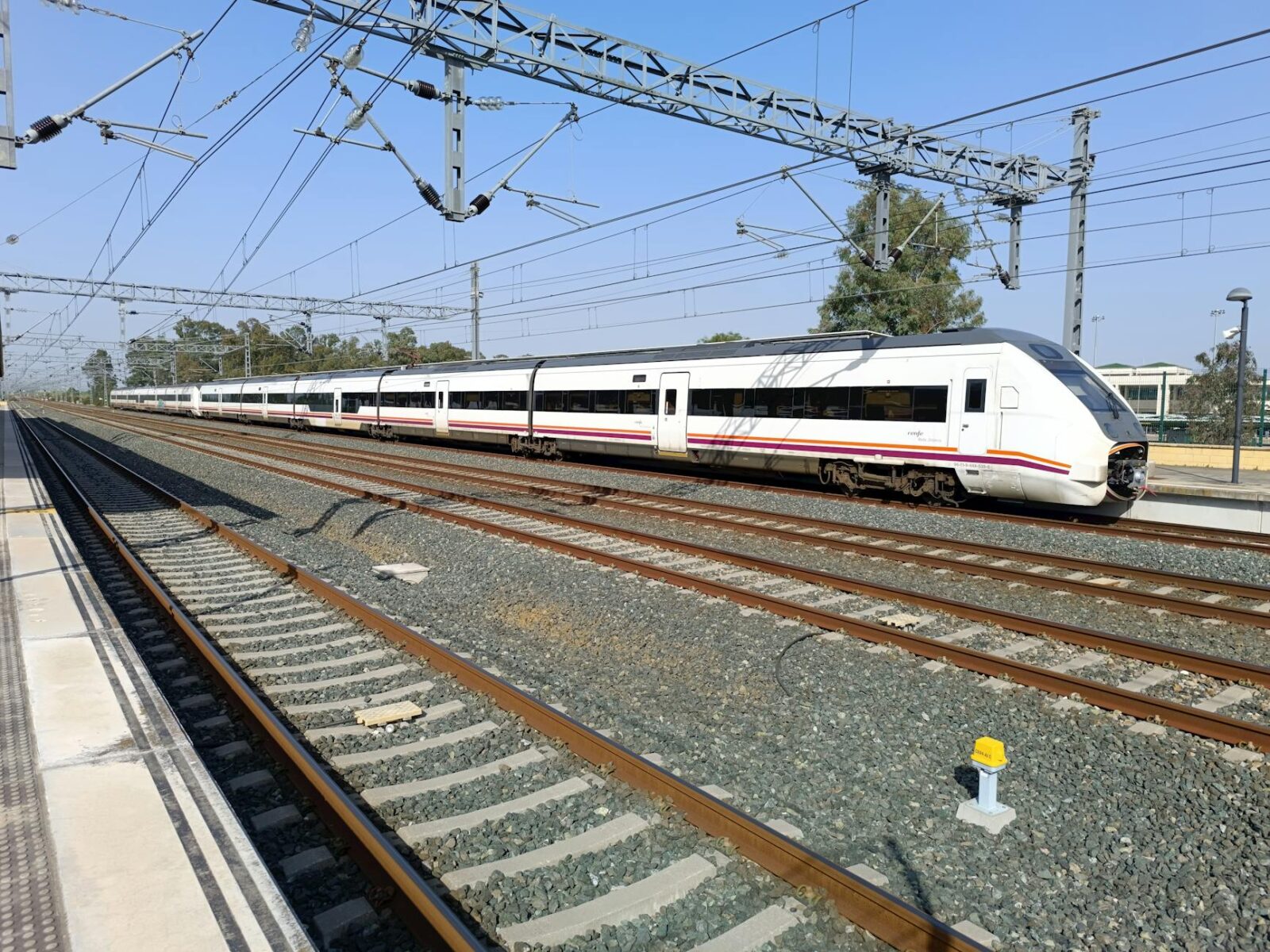
Britain’s Largest Rail Operator Takes a New Turn
On May 31, 2026, the United Kingdom’s largest train operator, Govia Thameslink Railway (GTR), was officially transferred to public ownership. This significant move brings the services under the management of DfT Operator Limited (DFTO), the government’s rail-owning entity. The GTR services, known for operating Thameslink, Southern, Great Northern, and Gatwick Express, are now part of a broader strategy to enhance the UK’s rail network through public oversight.
Implications for Travelers and Commuters
This transition affects a wide range of travelers, particularly those commuting within and around London and the Southeast. With GTR under public control, passengers can anticipate improvements in service reliability, customer experience, and safety. This is part of a broader initiative under the Great British Railways (GBR) to streamline operations and reduce operational subsidies, ensuring that the public sector has a direct hand in managing rail services.
How Does This Affect International Travelers?
International visitors using the UK’s rail services, particularly those arriving at Gatwick Airport, will notice a more coordinated and potentially more reliable service. The shift aims to provide a seamless travel experience that could improve the UK’s appeal as a travel destination. With public ownership, there’s a promise of better integration between train services and other forms of public transport.
What Steps Should Travelers Take Now?
Travelers should stay informed about service updates and changes in schedules, particularly if their plans involve using Thameslink, Southern, Great Northern, or Gatwick Express services. It’s advisable to check the official Department for Transport website for the latest information and service announcements: DfT Official Site.
Global Context: Comparing Rail Ownership Models
The UK’s move to nationalize its largest rail operator aligns with practices seen in other countries. For instance, Germany’s Deutsche Bahn operates as a public entity, ensuring centralized management and control. Similarly, France’s SNCF is state-owned, which has allowed for significant government investment in infrastructure. Such models emphasize the potential benefits of public ownership in providing efficient and reliable services.
Opportunities for Investors and Expats
For investors and expatriates, the public ownership of GTR presents a stable environment with potentially reduced operational risks. Investors can expect a more predictable regulatory framework, while expats may benefit from improved travel connectivity and reliability, enhancing their living experience in the UK.
Future Outlook: The Road Ahead for UK Rail
The integration of GTR into public ownership is part of a larger vision under the GBR, which aims to consolidate and improve the UK’s rail infrastructure. This strategic move is expected to continue with other operators, such as Chiltern Railways and Great Western Railways, set to follow suit later in the year. As these transitions occur, the UK’s rail system could become a model of efficiency and sustainability.
Frequently Asked Questions
What does public ownership mean for GTR?
Public ownership means that GTR is now managed by a government entity, specifically DfT Operator Limited, which aims to improve service delivery and integrate operations with the broader GBR framework.
Will there be changes to ticket prices?
While immediate changes to ticket prices have not been announced, public ownership often aims to stabilize costs and improve value for money through more efficient operations.
How will this affect service reliability?
Public ownership is expected to enhance service reliability by aligning operations with public sector priorities and improving coordination with Network Rail.
Is this change permanent?
The move to public ownership is part of a long-term strategy to improve the UK’s rail services and is expected to remain in place as part of the GBR initiative.
How can I stay updated on service changes?
Travelers can stay informed by checking updates on the Department for Transport’s official website and subscribing to notifications from their preferred rail service providers.
Stay informed with the latest travel news, visa updates, and destination guides. Follow HimalayanCrest.com for weekly travel intelligence delivered by our editorial team.