

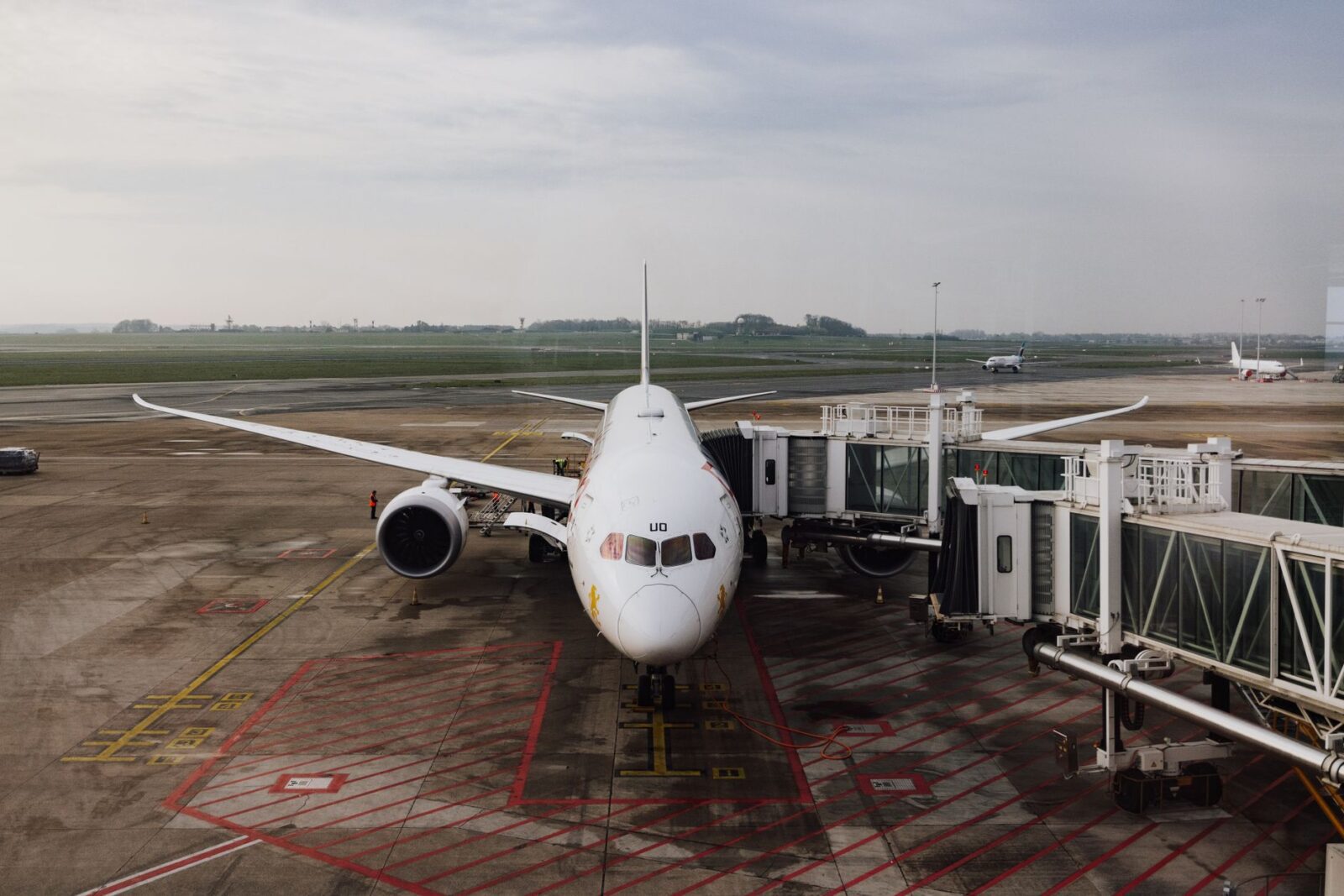
Nigeria’s Aviation Surge: 37% Capacity Jump in One Year
Our research shows that Nigeria’s airline capacity rose by 37.4% between September 2025 and September 2026, reaching approximately 1.19 million departing seats. This represents an increase of more than 322,000 seats compared to the 864,100 seats available a year earlier. The data comes from OAG scheduled capacity figures, which track scheduled flights across the continent.
The growth rate places Nigeria at the top of Africa’s major aviation markets, outpacing peers such as Kenya, Ethiopia and South Africa. Analysts note that this expansion reflects renewed confidence from carriers operating in the region, as well as a rebound in domestic travel after previous disruptions.
For travelers, the additional seats translate into more flight options on popular routes like Lagos to Abuja, Port Harcourt and Kano. Increased frequency can mean shorter waiting times and greater flexibility when planning business or leisure trips across the country.
Lagos Emerges as Africa’s Fastest‑Growing Airport Hub
Lagos Murtala Muhammed Airport recorded a 24.1% increase in scheduled seats among the top ten African airports over the same period. This growth outpaced other major hubs such as Casablanca, which rose 13.5%, and Johannesburg, which saw a more modest gain.
The airport’s expansion is driven by new domestic routes added by local carriers and the introduction of additional frequencies on existing West African corridors. Lagos now handles a larger share of Nigeria’s total departing capacity, reinforcing its role as the nation’s primary gateway.
Seasoned observers note that the airport’s terminal upgrades, improved ground handling and better air traffic coordination have contributed to its ability to accommodate the rising flight volume without significant delays.
Air Peace Leads the Charge with Over 50% Growth
Among Nigerian airlines, Air Peace posted the strongest capacity increase, expanding its scheduled seats by 54.7% year‑on‑year. This growth outstrips that of other carriers operating in the country and positions Air Peace as the fastest‑growing airline in the African top‑ten list.
The airline’s expansion includes the addition of new aircraft to its fleet, the launch of routes to secondary cities such as Enugu and Maiduguri, and increased flights on high‑demand corridors like Lagos‑Abuja and Lagos‑Port Harcourt.
Industry analysts suggest that Air Peace’s aggressive growth strategy is helping to stimulate competition, which can lead to better fares and improved service standards for passengers traveling within Nigeria.
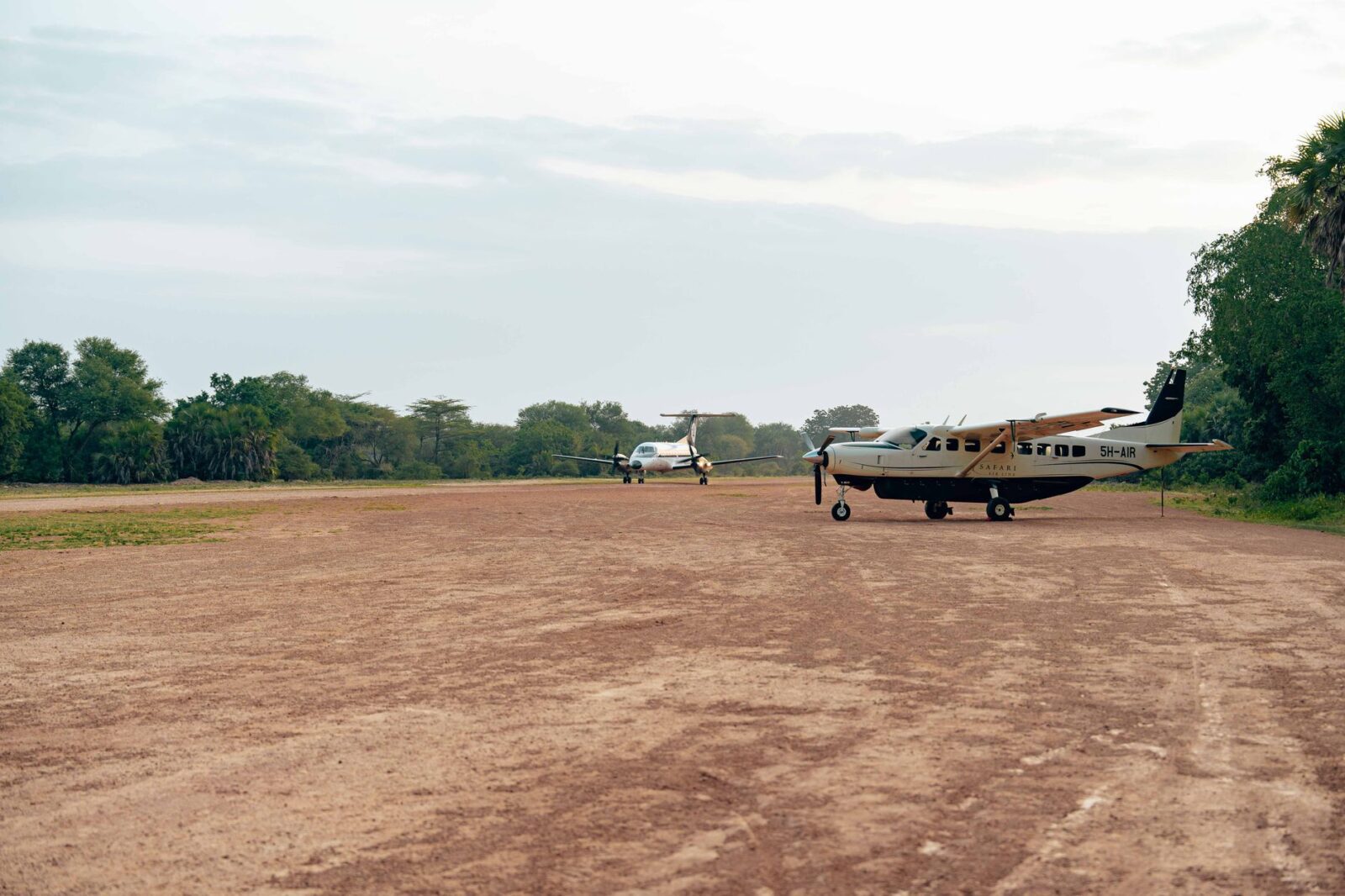
Domestic Demand and Business Travel Fuel the Boom
Surveys conducted by travel agencies indicate that domestic travel demand in Nigeria has risen sharply, driven by a recovering economy, increased urban migration and growing consumer confidence. Business travel, particularly in sectors such as finance, oil and gas and telecommunications, has also rebounded to pre‑pandemic levels.
The surge in passenger numbers has encouraged airlines to add more frequencies on trunk routes and to explore point‑to‑point connections that bypass the traditional hub‑and‑spoke model. This shift reduces travel time for passengers heading between commercial centers.
For visitors, the uptick in domestic flights means easier access to cultural festivals in cities like Calabar, the Yankari National Park in Bauchi and the historic sites of Kano, all of which are now reachable with shorter layovers.
Regional Connectivity: New Routes Across West Africa
Beyond domestic growth, Nigeria’s aviation expansion is strengthening links with neighboring countries. Recent schedule data shows new or increased flights to Accra, Dakar, Abidjan and Bamako, reflecting a broader strategy to integrate West African airspace.
These regional connections are facilitated by bilateral air service agreements that have been updated to allow greater frequency and fifth‑freedom rights for certain carriers. The result is a denser network that supports both trade and tourism flows across the sub‑region.
Travelers planning multi‑country itineraries in West Africa now benefit from reduced reliance on long overland journeys, with flight times between Lagos and Accra averaging just over one hour.
Economic Ripple Effects: Tourism, Jobs, and Investment
The aviation boom is generating measurable economic benefits. According to the National Bureau of Statistics, the air transport sector contributed approximately 1.2% to Nigeria’s GDP in 2025, a figure expected to rise as capacity continues to expand.
Airport operators report increased demand for retail concessions, cargo handling and ground transportation services, creating thousands of direct and indirect jobs. Hotel occupancy rates in Lagos and Abuja have shown a corresponding uptick, particularly during peak travel periods.
Foreign direct investment in aviation‑related infrastructure, such as maintenance, repair and overhaul facilities, is also on the rise, with several international firms expressing interest in establishing bases near Lagos airport.
What Travelers Can Expect: Fares, Frequency, and Convenience
With more seats available, average fares on popular domestic routes have shown modest pressure to decline, although price fluctuations still depend on factors such as fuel costs and seasonal demand. Early‑bird bookings often yield the best value, especially on routes served by multiple carriers.
Flight frequency on the Lagos‑Abuja corridor, for example, has increased from an average of six daily departures to nine, providing greater flexibility for business travelers who need to attend same‑day meetings.
Improved on‑time performance has been noted at Lagos airport, where average departure delays have fallen from 45 minutes to under 30 minutes in the latest quarterly assessment, contributing to a smoother travel experience.
Looking Ahead: Projections and Risks for Nigeria’s Skies
Industry forecasts suggest that Nigeria’s airline capacity could grow another 20‑25% over the next two years if current trends in domestic demand and regional integration persist. Planned airport upgrades, including a new terminal wing at Lagos and runway extensions at Abuja, aim to support this expansion.
However, analysts caution that challenges such as foreign exchange volatility, aviation fuel pricing and occasional regulatory delays could temper growth momentum. Stakeholders emphasize the importance of consistent policy frameworks and investment in navigation infrastructure to sustain the upward trajectory.
For travelers, the outlook points to continued improvements in choice, convenience and connectivity, making Nigeria an increasingly attractive destination for both leisure pursuits and business ventures across Africa.
Stay informed with the latest travel news, visa updates, and destination guides. Follow HimalayanCrest.com for weekly travel intelligence delivered by our editorial team.