

Awakening to the Mystique of Bhutan
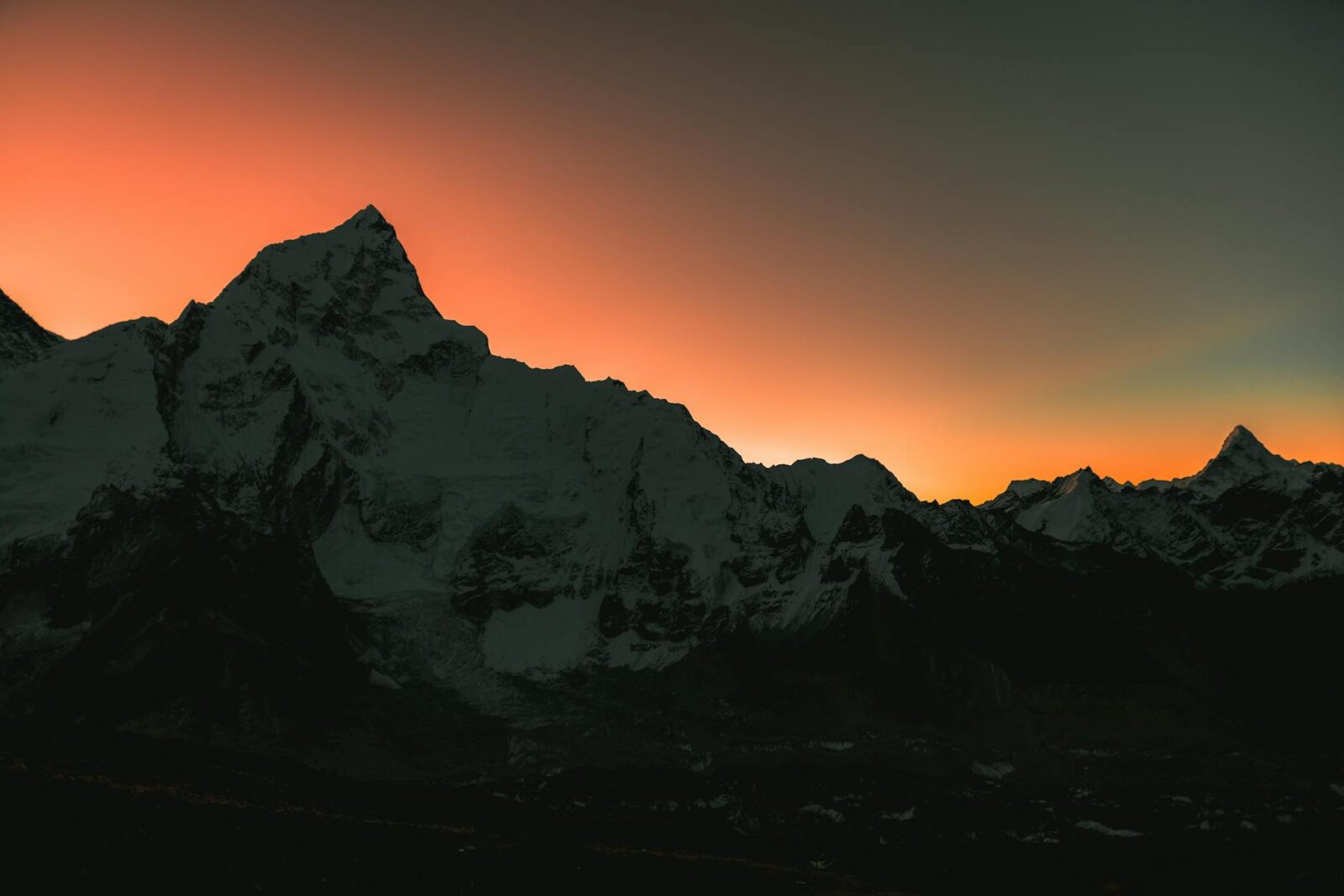
The gentle sound of a monastery bell echoes through the crisp morning air as the sun rises over the snow-capped peaks of Bhutan. Known as the Last Shangri-La, this tiny Himalayan kingdom offers travelers a rare glimpse into a world where ancient traditions coexist with breathtaking natural beauty. From the vibrant festivals to the serene monasteries, Bhutan is a land of enchantment waiting to be explored.
Trekking Routes: An Overview
Bhutan’s trekking routes are as varied as its landscapes. The Druk Path Trek, for instance, is a popular choice for those looking for a moderate challenge. Spanning approximately 54 kilometers, this trek takes about six days to complete and reaches a maximum altitude of 4,200 meters at the Phume La Pass. Trekkers should be prepared for steep ascents and descents, requiring a good level of fitness.
Day-by-Day Trekking Itinerary
Day 1: Begin your journey in Paro, trekking to Jele Dzong. Covering 8 kilometers, you’ll ascend from 2,500 meters to 3,485 meters. The trail offers panoramic views of the Paro Valley.
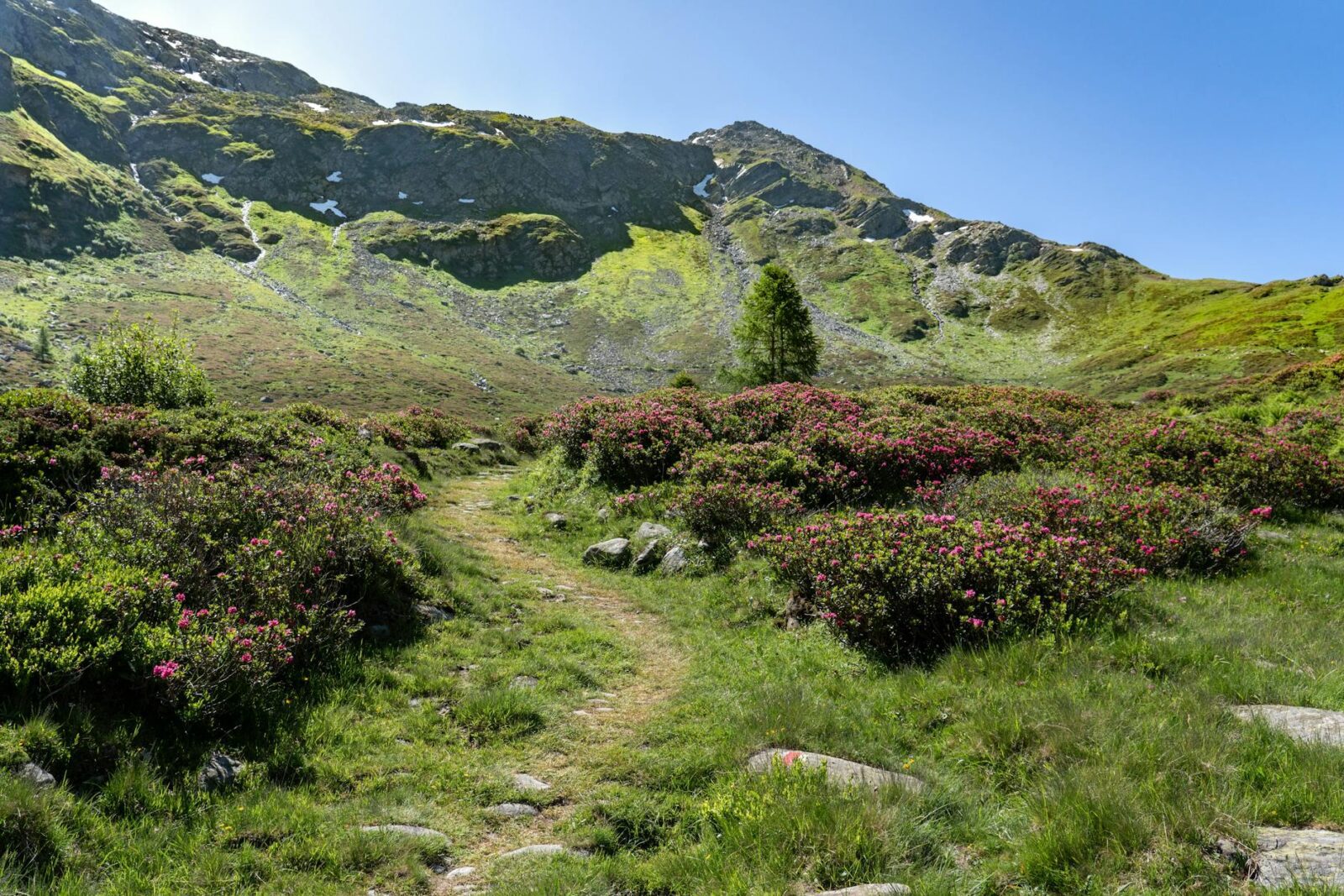
Day 2: From Jele Dzong, trek to Jangchulakha. This 10-kilometer stretch takes you through dense rhododendron forests, with a gradual ascent to 3,780 meters.
Day 3: Continue to Jimilang Tsho, a scenic 11-kilometer trek reaching an altitude of 3,870 meters. Enjoy the sight of the tranquil lakes along the way.
Day 4: Trek 11 kilometers to Simkotra Tsho, passing yak herder camps and enjoying views of the Himalayas. The altitude here is around 4,100 meters.
Day 5: Descend towards Thimphu, covering 14 kilometers. The trail gradually lowers to 2,320 meters as you make your way into the capital city.
Best Seasons to Visit
Spring (March to May) and autumn (September to November) are considered the best seasons for trekking in Bhutan. During these times, the weather is mild, and the skies are clear, offering stunning views. However, spring brings blooming rhododendrons, while autumn is known for its vibrant festivals. Summer monsoons (June to August) can make trails slippery, and winter (December to February) brings cold temperatures and snow at higher altitudes.
Permits and Costs
Travelers to Bhutan require a visa and must book their trip through a licensed Bhutanese tour operator. The daily tariff is set at $250 USD per person during peak seasons (spring and autumn), which covers accommodation, meals, a guide, and transportation. Additional fees apply for trekking permits and park fees, which can range from $30 to $50 USD depending on the trek.
Essential Gear List
- Sturdy trekking boots and comfortable clothing suitable for varying temperatures
- A good quality sleeping bag rated for cold weather
- Water purification tablets or a filtration system
- Altitude sickness medication and a basic first aid kit
- Trekking poles for stability on steep terrain
Accommodation and Guide Services
Teahouses are available along popular trekking routes, offering basic lodging and meals. Expect to pay around $10 to $15 USD per night. Hiring a local guide enriches the experience with cultural insights and ensures safety. Tipping is customary, with a recommended tip of 10% of the guide’s fee.
Health and Safety Considerations
Altitude sickness is a risk on high-altitude treks. Acclimatize properly by taking rest days and hydrating frequently. Ensure you have evacuation insurance, as medical facilities can be limited. Boil or purify water to avoid gastrointestinal issues.
Cultural Etiquette and Sustainable Practices
Respect local customs by dressing modestly, especially when visiting temples. Photography inside temples is often prohibited. Practice Leave No Trace principles to preserve Bhutan’s pristine environment for future visitors.
FAQs
Do I need a visa to visit Bhutan?
Yes, all foreign visitors require a visa to enter Bhutan, which must be arranged through a licensed Bhutanese tour operator.
What is the best time of year to trek in Bhutan?
Spring (March to May) and autumn (September to November) are ideal for trekking due to mild weather and clear skies.
How can I prevent altitude sickness?
Acclimatize by ascending gradually, stay hydrated, and consider taking altitude sickness medication.
Are there vegetarian food options available?
Yes, most teahouses and restaurants offer vegetarian options, as Bhutanese cuisine often includes rice, vegetables, and lentils.
Is it safe to travel solo in Bhutan?
Bhutan is considered safe for solo travelers, but it is mandatory to travel with a licensed tour guide or group.
Stay informed with the latest travel news, visa updates, and destination guides. Follow HimalayanCrest.com for weekly travel intelligence delivered by our editorial team.