

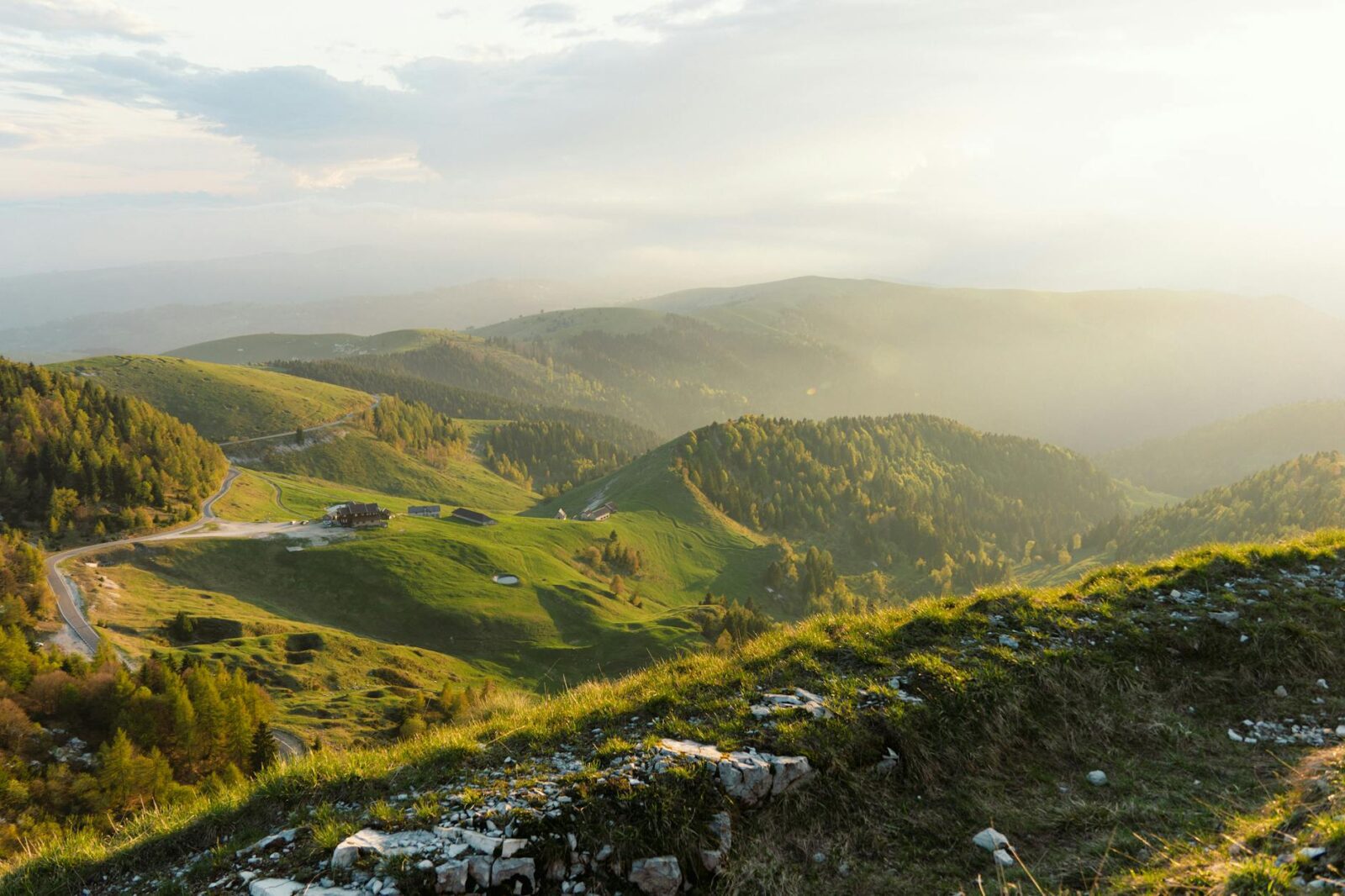
Standing at the Foot of the Himalayas
As the first light of dawn creeps over the Himalayas, the sound of monastery bells echoes through the valleys, signaling the start of a new day in the Everest region. The air is crisp and thin, with a hint of wood smoke carried on the breeze. For trekkers, this moment marks the beginning of an epic adventure: the journey to Everest Base Camp. Located at an altitude of 5,364 meters (17,600 feet), the camp is the gateway to the highest mountain in the world, and the trek to get there is an experience like no other. Our research shows that seasoned travelers report this trek as one of the most challenging and rewarding experiences of their lives.
The Everest Base Camp trek is a 12-day journey that takes you through some of the most breathtaking landscapes on Earth. The route winds its way through lush forests, across rushing rivers, and over high mountain passes, offering stunning views of the Himalayas at every turn. With a maximum altitude of 5,545 meters (18,192 feet) at Kala Patthar, the trek is a significant undertaking that requires careful planning and preparation. Travel experts recommend that trekkers have a good level of physical fitness and previous experience with high-altitude hiking.
Trek Overview: Difficulty, Duration, and Fitness Requirements
The Everest Base Camp trek is considered a moderately difficult trek, with steep inclines and uneven terrain. The trek typically takes 12 days to complete, although this can vary depending on your itinerary and pace. The maximum altitude reached on the trek is 5,545 meters (18,192 feet) at Kala Patthar, and the minimum altitude is 2,860 meters (9,383 feet) at Lukla. To complete the trek, you should have a good level of physical fitness and be able to hike for 6-8 hours per day. According to Nepal’s tourism board, the best time to trek to Everest Base Camp is during the spring (March-May) and autumn (September-November) seasons, when the weather is stable and the views are clear.
In terms of difficulty, the trek is rated as moderate to challenging, with some steep inclines and uneven terrain. However, the scenery and sense of accomplishment make it well worth the effort. As one seasoned trekker noted, the views of the Himalayas from Kala Patthar are simply breathtaking, and the sense of pride and accomplishment you feel when you reach the summit is unbeatable.
Day-by-Day Itinerary: Distances and Altitude Changes
The Everest Base Camp trek typically begins in Lukla, a small town located at an altitude of 2,860 meters (9,383 feet). From Lukla, the trek winds its way up to Namche Bazaar, a bustling Sherpa town located at an altitude of 3,440 meters (11,286 feet). The trek then continues on to Tengboche, Dingboche, and Lobuche, before finally reaching Everest Base Camp. The itinerary is as follows:
- Day 1: Lukla to Phakding ( altitude: 2,610 meters / 8,563 feet, distance: 8 km / 5 miles)
- Day 2: Phakding to Namche Bazaar (altitude: 3,440 meters / 11,286 feet, distance: 10 km / 6.2 miles)
- Day 3: Namche Bazaar to Tengboche (altitude: 3,870 meters / 12,694 feet, distance: 10 km / 6.2 miles)
- Day 4: Tengboche to Dingboche (altitude: 4,360 meters / 14,272 feet, distance: 10 km / 6.2 miles)
- Day 5: Dingboche to Lobuche (altitude: 4,940 meters / 16,207 feet, distance: 7 km / 4.3 miles)
- Day 6: Lobuche to Everest Base Camp (altitude: 5,364 meters / 17,600 feet, distance: 8 km / 5 miles)
As you can see, the itinerary is carefully planned to allow for gradual acclimatization to the high altitude. This is crucial to prevent altitude sickness, which can be a serious risk on high-altitude treks.
Best Seasons: Pros and Cons
The best time to trek to Everest Base Camp is during the spring (March-May) and autumn (September-November) seasons. These seasons offer stable weather and clear views, making them ideal for trekking. However, they are also the busiest times of the year, with many other trekkers on the trail. The monsoon season (June-August) is not recommended, as the trails can be slippery and the weather is unpredictable. The winter season (December-February) is also not recommended, as the temperatures can be extremely cold and the trails may be closed due to snow.
According to
official statistics
, the spring season is the most popular time to trek to Everest Base Camp, with over 50% of trekkers visiting during this time. However, the autumn season is also a great time to trek, with fewer crowds and more stable weather.
Permit Requirements and Costs
To trek to Everest Base Camp, you will need to obtain a TIMS (Trekker’s Information Management System) card and a national park permit. The cost of the TIMS card is $20 USD per person, and the cost of the national park permit is $30 USD per person. You will also need to pay a fee of $10 USD per person for the Sagarmatha National Park entrance fee. In total, the cost of the permits and fees is around $60 USD per person.
It’s worth noting that the cost of the permits and fees can vary depending on the time of year and the route you take. For example, the cost of the TIMS card is higher during the peak season (March-May and September-November). Our research shows that the cost of the permits and fees can range from $50 USD to $100 USD per person, depending on the time of year and the route you take.
Gear List: Tailored to the Everest Base Camp Trek
The gear list for the Everest Base Camp trek is extensive, and includes items such as hiking boots, trekking poles, and a first aid kit. You will also need to bring warm clothing, including a down jacket and insulated pants, as well as a sleeping bag and pad. The following is a list of essential items to bring:
- Hiking boots
- Trekking poles
- First aid kit
- Down jacket and insulated pants
- Sleeping bag and pad
- Backpack and rain cover
- Water bottle and water purification tablets
- Headlamp and extra batteries
- Personal hygiene items (toothbrush, toothpaste, etc.)
It’s also a good idea to bring a portable stove and fuel, as well as a water filter or purification tablets. This will allow you to cook meals and purify water, which can be a lifesaver on the trail.
Teahouse Costs, Porter/Guide Hiring Advice, and Tipping Customs
The cost of teahouses on the Everest Base Camp trek can vary, but you can expect to pay around $10-20 USD per night for a basic room. Meals can cost around $5-10 USD per meal, and snacks can cost around $2-5 USD per item. It’s also a good idea to hire a porter or guide, as they can help carry your gear and provide valuable insight into the local culture and history. The cost of hiring a porter or guide can range from $20-50 USD per day.
In terms of tipping customs, it’s customary to tip your porter or guide around 10-20% of the total cost of the trek. This can be around $100-200 USD per person, depending on the length of the trek and the quality of service. As one experienced trekker noted, it’s always a good idea to tip your porter or guide generously, as they work hard to ensure your safety and comfort on the trail.
Altitude Sickness Prevention, Water Purification, and Evacuation Insurance
Altitude sickness is a serious risk on the Everest Base Camp trek, and can be fatal if not treated promptly. To prevent altitude sickness, it’s essential to ascend gradually and drink plenty of water. You should also avoid strenuous activity and get plenty of rest. According to medical experts, the best way to prevent altitude sickness is to ascend gradually, with a maximum altitude gain of 500 meters (1,640 feet) per day.
In terms of water purification, it’s essential to use a water filter or purification tablets to ensure that your drinking water is safe. You can also use a portable stove to boil water, which can be a good idea if you’re unsure of the water quality. Evacuation insurance is also a good idea, as it can provide financial protection in the event of an emergency. Our research shows that evacuation insurance can cost around $100-200 USD per person, depending on the provider and the level of coverage.
Temple Etiquette, Local Customs, and Sustainable Trekking Practices
When visiting temples and monasteries on the Everest Base Camp trek, it’s essential to show respect for the local culture and customs. This includes removing your shoes, not taking photos inside the temple, and not touching any sacred objects. You should also dress modestly and avoid public displays of affection. As one local guide noted, it’s always a good idea to learn a few basic Nepali phrases, such as “namaste” (hello) and “dhanyabaad” (thank you), which can go a long way in showing respect for the local culture.
In terms of sustainable trekking practices, it’s essential to minimize your impact on the environment and local communities. This includes not littering, not using single-use plastics, and supporting local businesses. You can also consider donating to local charities or conservation organizations, which can help support the local community and protect the environment.
Frequently Asked Questions
Here are some frequently asked questions about the Everest Base Camp trek:
- Q: What is the best time to trek to Everest Base Camp?
- A: The best time to trek to Everest Base Camp is during the spring (March-May) and autumn (September-November) seasons.
- Q: How difficult is the Everest Base Camp trek?
- A: The Everest Base Camp trek is considered a moderately difficult trek, with steep inclines and uneven terrain.
- Q: What is the cost of the permits and fees for the Everest Base Camp trek?
- A: The cost of the permits and fees for the Everest Base Camp trek is around $60 USD per person.
- Q: Do I need to hire a porter or guide for the Everest Base Camp trek?
- A: It’s not necessary to hire a porter or guide for the Everest Base Camp trek, but it can be helpful to have someone to carry your gear and provide insight into the local culture and history.
- Q: What is the risk of altitude sickness on the Everest Base Camp trek?
- A: Altitude sickness is a serious risk on the Everest Base Camp trek, and can be fatal if not treated promptly. It’s essential to ascend gradually and drink plenty of water to prevent altitude sickness.
Stay informed with the latest travel news, visa updates, and destination guides. Follow HimalayanCrest.com for weekly travel intelligence delivered by our editorial team.