

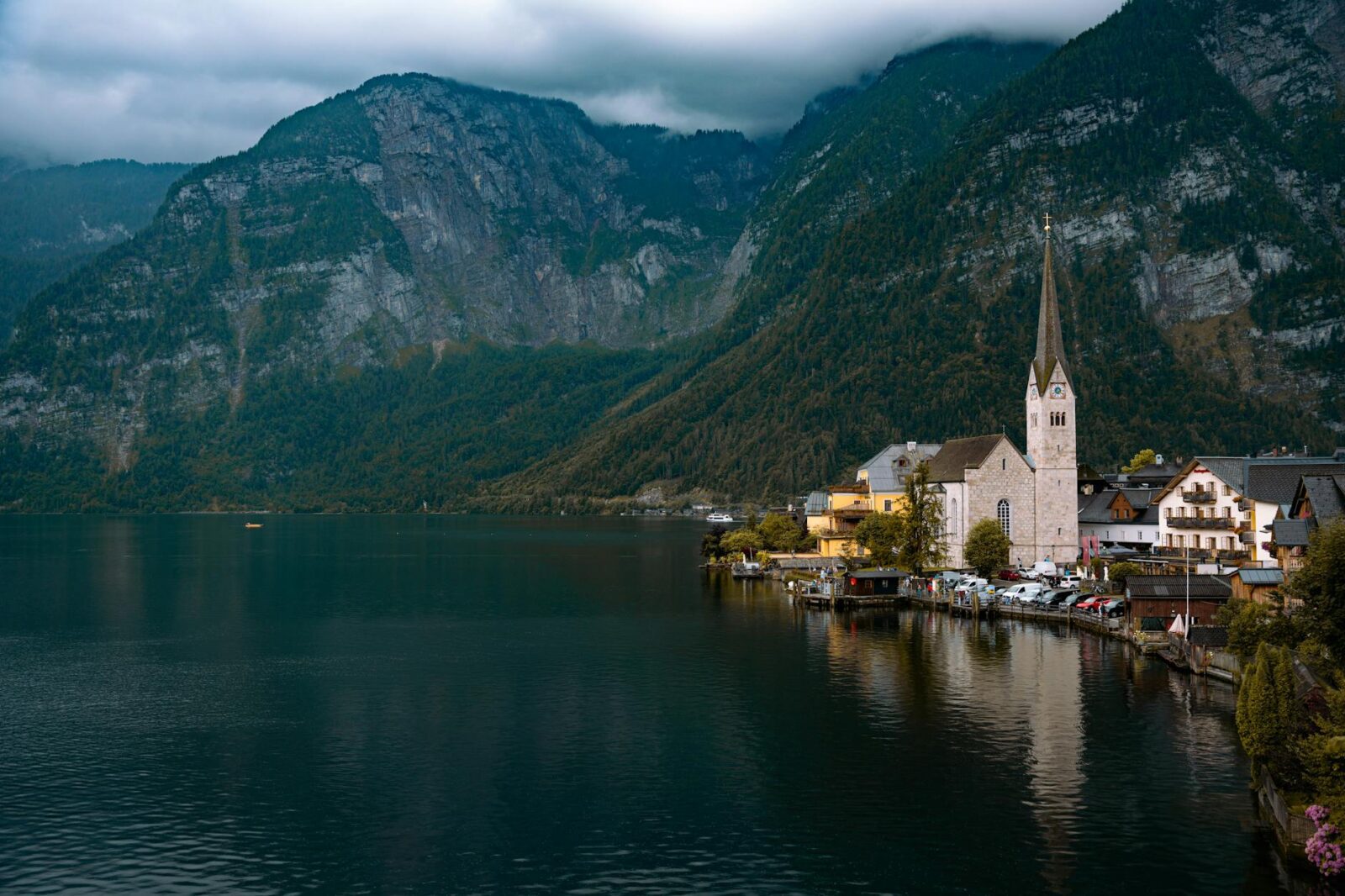
Awakening to the Sound of Monastery Bells
As the first light of dawn breaks over the Himalayas, the sound of monastery bells echoes through the valleys, summoning trekkers to a new day of discovery. The Himalayan mountain range, stretching across India, Nepal, Bhutan, and Tibet, is home to a plethora of hidden temples and monasteries, each with its own unique history and cultural significance. For seasoned trekkers and curious travelers, exploring these sacred sites is a once-in-a-lifetime experience. Our journey takes us to the remote valleys and rugged terrain of the Himalayas, where we delve into the world of Vajrayana Buddhism and uncover the secrets of the hidden temples and monasteries.
With over 6,000 monasteries in Tibet alone, the Himalayas offer a rich tapestry of Buddhist heritage, from the Gelugpa sect’s Key Monastery in Spiti, India, to the Drukpa Lineage’s Hemis Monastery in Ladakh, India. As we trek through the Himalayas, we follow in the footsteps of Buddhist monks and traders who have traversed these mountains for centuries, leaving behind a legacy of spiritual and cultural significance.
Route Overview: Hidden Temples and Monasteries Trek
The Hidden Temples and Monasteries Trek is a 12-day journey that takes us through the rugged terrain of the Himalayas, covering a distance of approximately 120 km. The trek is considered moderate to challenging, with a maximum altitude of 5,500 meters above sea level. Trekkers should be in good physical condition and prepared for steep inclines, uneven terrain, and changing weather conditions.
The trek begins in the town of Leh, Ladakh, and takes us through the valleys of Markha, Zanskar, and Spiti, offering breathtaking views of the Himalayan mountain range. We will visit several hidden temples and monasteries, including the Key Monastery, Hemis Monastery, and the ancient monastic complex of Ganden.
Day-by-Day Itinerary
Day 1: Arrival in Leh, Ladakh, and acclimatization to high altitude
Day 2: Drive to Markha Valley and trek to the village of Skiu (distance: 20 km, altitude change: 1,000 meters)
Day 3: Trek to the village of Markha (distance: 20 km, altitude change: 500 meters)
Day 4: Trek to the village of Hankar (distance: 15 km, altitude change: 800 meters)
Day 5: Trek to the Key Monastery (distance: 10 km, altitude change: 1,200 meters)
Day 6: Rest day at Key Monastery and exploration of the surrounding area
Day 7: Trek to the village of Kibber (distance: 15 km, altitude change: 1,000 meters)
Day 8: Trek to the village of Langza (distance: 10 km, altitude change: 500 meters)
Day 9: Trek to the Hemis Monastery (distance: 20 km, altitude change: 1,000 meters)
Day 10: Rest day at Hemis Monastery and exploration of the surrounding area
Day 11: Drive back to Leh, Ladakh
Day 12: Departure from Leh, Ladakh
Best Seasons for Trekking
The best seasons for trekking in the Himalayas are spring (April to May) and autumn (September to October), when the weather is mild and the skies are clear. However, each season has its pros and cons. Spring offers a more relaxed trekking experience, with fewer tourists and lower prices, but the weather can be unpredictable. Autumn offers a more stable climate, with clearer skies and warmer temperatures, but it is also the peak tourist season, with higher prices and more crowded trails.
Winter trekking (December to February) is also possible, but it requires specialized gear and experience, as the temperatures can drop to -20°C and the trails can be snow-covered. Monsoon trekking (June to August) is not recommended, as the trails can be slippery and the risk of landslides is high.
Permit Requirements and Costs
Trekkers need to obtain a permit from the Indian Mountaineering Foundation (IMF) or the Trekking Agencies Association of Nepal (TAAN), depending on the route and destination. The cost of the permit varies, but it is approximately $20-$50 per person, depending on the duration of the trek and the number of people in the group.
Additionally, trekkers need to pay national park fees, which range from $10-$30 per person, depending on the park and the duration of the stay.
Gear List and Preparation
Trekkers should be prepared with the following gear:
- Hiking boots or sturdy trekking shoes
- Waterproof jacket and pants
- Insulated jacket and warm hat
- Sleeping bag and pad
- Backpack and daypack
- Water bottle or hydration bladder
- Water purification tablets or filter
- First aid kit
- Headlamp and extra batteries
- Map and compass
- Sunscreen and insect repellent
Trekkers should also be prepared with a basic first aid kit, including bandages, antiseptic wipes, pain relievers, and any personal medications.
Teahouse Costs and Porter/Guide Hiring Advice
Teahouse costs vary, but trekkers can expect to pay approximately $10-$20 per night for accommodation and meals. Porter and guide hiring costs also vary, but trekkers can expect to pay approximately $20-$30 per day for a guide and $15-$25 per day for a porter.
Trekkers should also be aware of the local tipping customs, which range from 10%-20% of the total bill.
Altitude Sickness Prevention and Water Purification
Altitude sickness is a serious concern in the Himalayas, and trekkers should take precautions to prevent it. This includes drinking plenty of water, eating nutritious food, and ascending gradually to higher altitudes.
Water purification is also essential, as the water in the Himalayas can be contaminated with bacteria and other microorganisms. Trekkers should use water purification tablets or filters, or boil their water before drinking it.
Temple Etiquette and Local Customs
When visiting temples and monasteries, trekkers should be respectful of the local customs and traditions. This includes removing their shoes before entering the temple, not touching or handling sacred objects, and not taking photographs inside the temple.
Trekkers should also be aware of the local dress code, which requires modest clothing and no revealing attire.
Sustainable Trekking Practices
Trekkers should be mindful of their impact on the environment and local communities. This includes disposing of waste properly, using eco-friendly gear, and respecting the local wildlife and flora.
Trekkers should also support local economies by purchasing local products and services, and by hiring local guides and porters.
Frequently Asked Questions
Q: What is the best time to trek in the Himalayas?
A: The best time to trek in the Himalayas is during the spring (April to May) and autumn (September to October) seasons, when the weather is mild and the skies are clear.
Q: Do I need a permit to trek in the Himalayas?
A: Yes, trekkers need to obtain a permit from the Indian Mountaineering Foundation (IMF) or the Trekking Agencies Association of Nepal (TAAN), depending on the route and destination.
Q: What is the cost of trekking in the Himalayas?
A: The cost of trekking in the Himalayas varies, but trekkers can expect to pay approximately $1,000-$2,000 per person for a 12-day trek, depending on the route, accommodation, and services.
Q: What is the difficulty level of trekking in the Himalayas?
A: The difficulty level of trekking in the Himalayas varies, but most treks are considered moderate to challenging, with steep inclines, uneven terrain, and changing weather conditions.
Q: Do I need to hire a guide or porter?
A: While it is not mandatory to hire a guide or porter, it is highly recommended, as they can provide valuable assistance and support during the trek.
Stay informed with the latest travel news, visa updates, and destination guides. Follow HimalayanCrest.com for weekly travel intelligence delivered by our editorial team.