

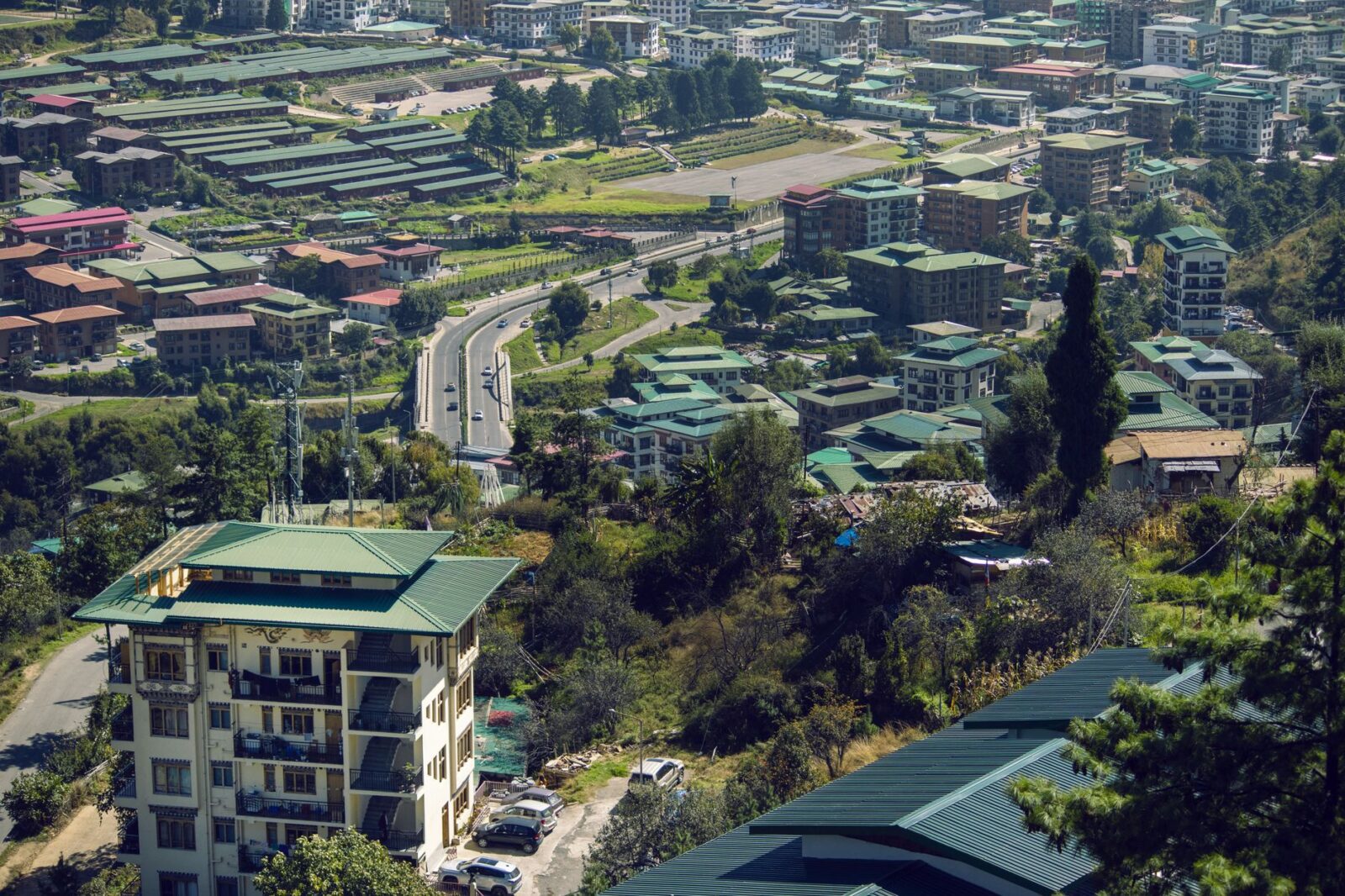
The Allure of Bhutan: A Step into the Last Shangri-La
As you approach Paro International Airport, a breathtaking panorama unfolds before your eyes. The lush, verdant mountains cradle the valley below, while the ancient Paro Dzong stands majestically against the backdrop of the Himalayas. This is Bhutan, often revered as the Last Shangri-La, a mystical land where time seems to stand still and the essence of tranquility permeates every corner.
Choosing Your Route: Trekking through Bhutan’s Pristine Wilderness
Bhutan offers a range of trekking routes, each with its unique charm and challenges. The most popular among them is the Druk Path Trek, a moderate trek that spans approximately 55 kilometers and reaches a maximum altitude of 4,200 meters. This trek typically takes about 5 to 6 days to complete and requires a good level of fitness. Alternatively, the Snowman Trek, known for its grueling difficulty, stretches over 200 miles and can take up to 25 days to traverse. It’s one of the most challenging treks in the world, demanding not only excellent physical condition but also mental fortitude.
Day-by-Day Itinerary: Immersing in Bhutan’s Natural Beauty
Day 1: Start your journey from Paro, trekking to Jele Dzong. The trek is about 10 km with an ascent to 3,400 meters. The trail offers magnificent views of the Paro Valley.
Day 2: Trek from Jele Dzong to Jangchulakha. A 10 km hike through dense rhododendron forests with a gradual climb to 3,700 meters.
Day 3: Proceed to Jimilang Tsho, covering a distance of 11 km. This day involves a descent and ascent, offering glimpses of majestic peaks in the distance.
Day 4: Hike to Simkotra Tsho, a 10 km trek taking you to a stunning alpine lake.
Day 5: The final day leads to Thimphu, covering 14 km. The trek concludes with a descent, providing a rewarding view of Bhutan’s capital.
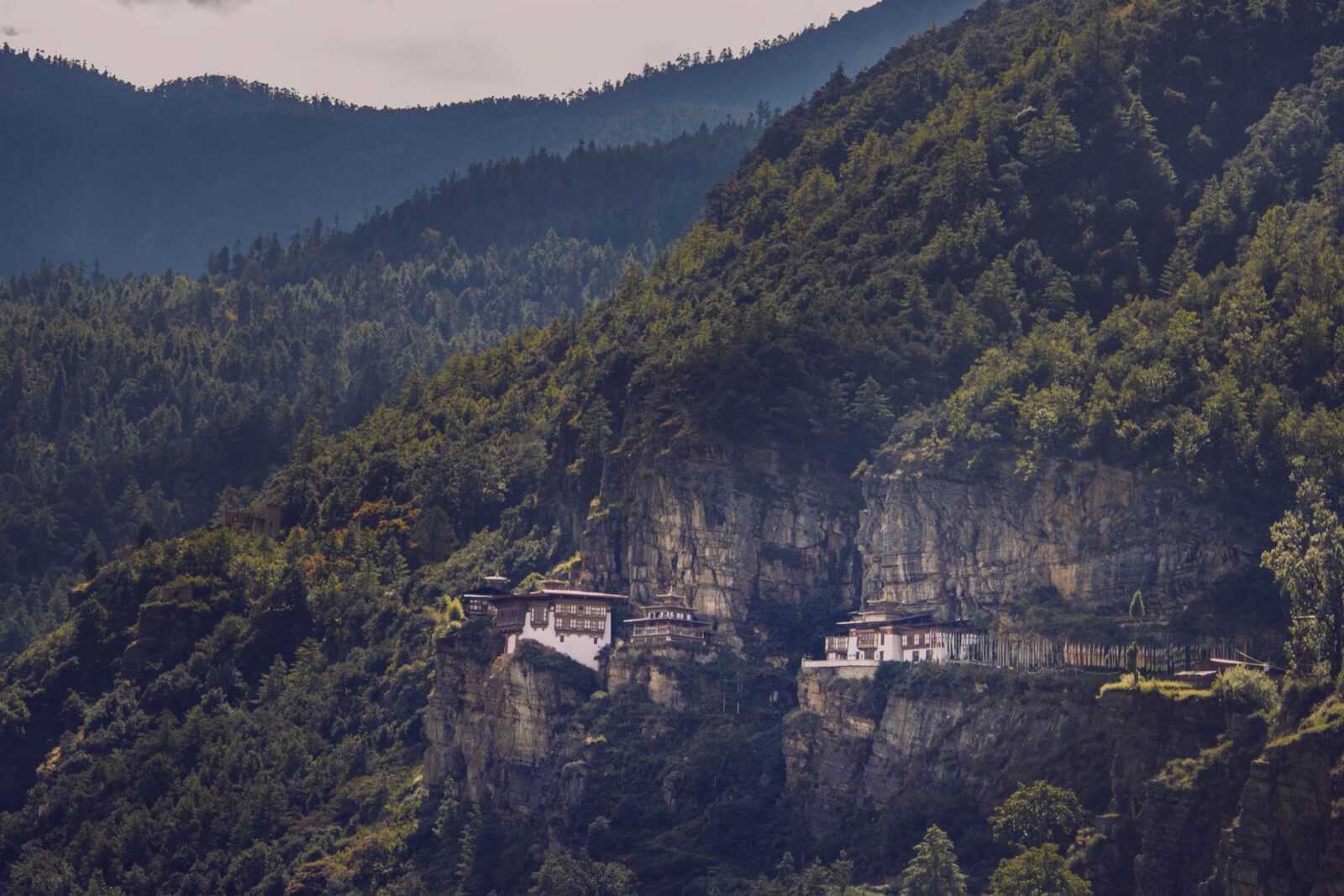
Best Times to Visit: Navigating Bhutan’s Seasonal Rhythms
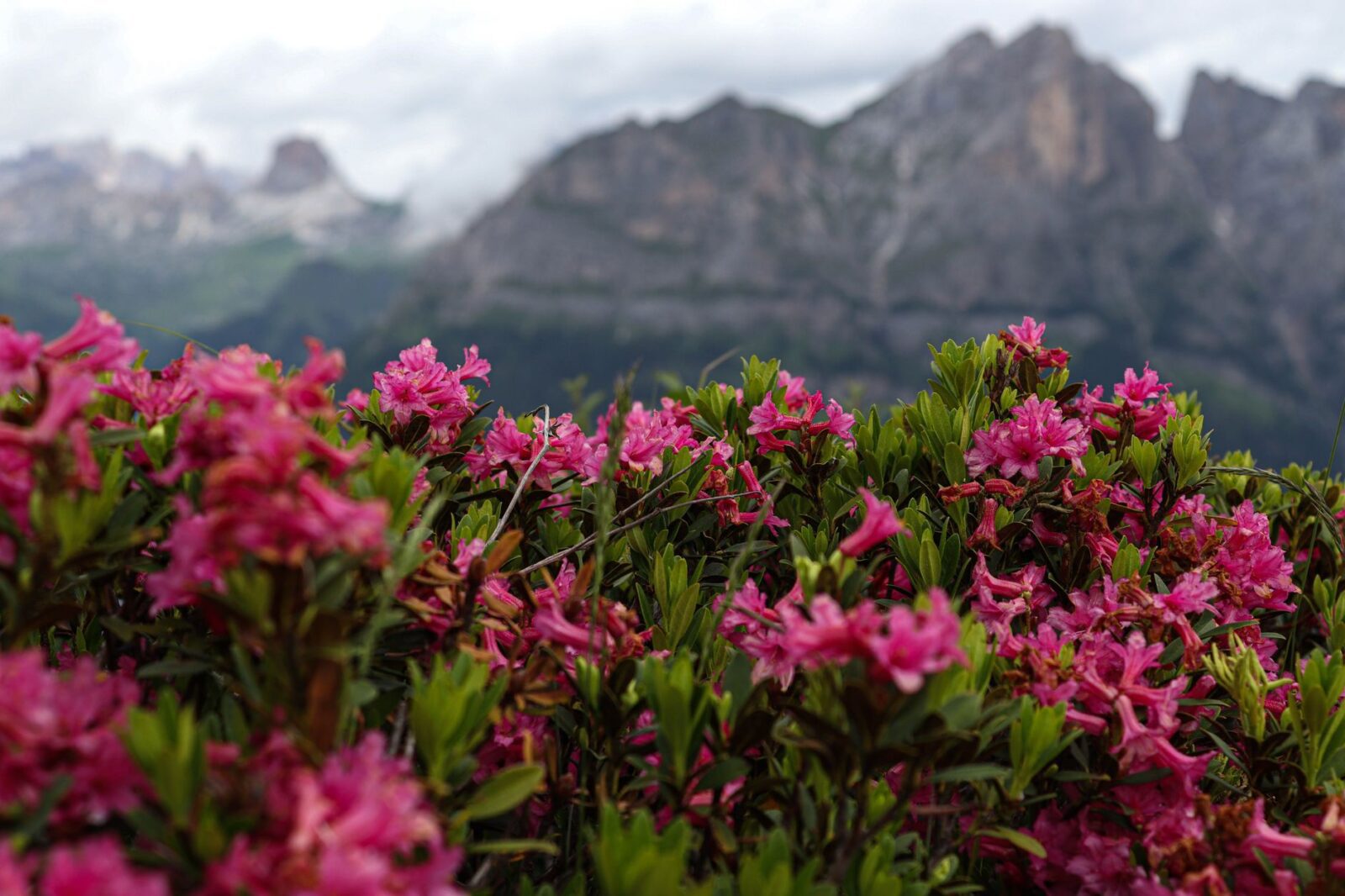
Bhutan’s climate varies significantly with the altitude. The best time to visit is during the spring (March to May) and autumn (September to November) when the weather is mild and the skies are clear. Spring offers blooming rhododendrons and vibrant landscapes, while autumn provides crisp air and unobstructed views of the Himalayas. Summer (June to August) brings monsoon rains, making trails slippery, while winter (December to February) can be harshly cold, particularly in higher altitudes.
Permits and Costs: Navigating Bhutan’s Unique Travel Policies
Traveling to Bhutan requires a visa, which costs approximately $40 USD. Additionally, all tourists must pay a Sustainable Development Fee of $200 USD per day, which covers accommodation, meals, and a licensed tour guide. Booking through a registered tour operator is mandatory, ensuring a structured and sustainable tourism model.
Essential Gear: Packing for Your Bhutanese Adventure
Preparation is key for a successful trek in Bhutan. Ensure your packing list includes sturdy hiking boots, layered clothing for varying temperatures, a reliable rain jacket, and a high-quality sleeping bag rated for sub-zero temperatures. Trekking poles and a water purification system are also recommended to enhance your trekking experience.
Local Hospitality: Staying in Bhutan’s Teahouses
Accommodation during treks typically includes basic teahouses or campsites. Teahouse stays range from $10 to $30 USD per night, offering simple amenities and home-cooked meals. Hiring a local guide or porter is advised for a richer cultural experience and costs around $25 to $30 USD per day. Tipping is customary, with a suggested amount of 10% of the total trip cost.
Health and Safety: Preventing Altitude Sickness and Ensuring Wellbeing
Altitude sickness is a concern when trekking in Bhutan. To mitigate risks, ascend gradually and stay hydrated. Consider bringing medication such as Diamox, and invest in evacuation insurance for peace of mind. Always purify water before consumption, and familiarize yourself with the symptoms of altitude sickness.
Respectful Travel: Embracing Bhutanese Culture and Customs
Bhutan’s rich cultural heritage demands respect. When visiting temples and monasteries, dress modestly, remove your shoes, and refrain from taking photographs unless permitted. Engage with locals respectfully, and be mindful of Bhutan’s sustainable tourism practices, which aim to preserve the country’s pristine environment and unique way of life.
FAQs about Trekking in Bhutan
What is the best time to trek in Bhutan?
The best time to trek in Bhutan is during the spring (March to May) and autumn (September to November) for optimal weather and breathtaking scenery.
Do I need a visa to visit Bhutan?
Yes, all tourists require a visa to enter Bhutan. The visa costs $40 USD and must be arranged through a registered tour operator.
How can I prevent altitude sickness in Bhutan?
Prevent altitude sickness by ascending gradually, staying hydrated, and considering medication such as Diamox. Be aware of symptoms and descend if necessary.
What should I pack for a trek in Bhutan?
Pack layered clothing, sturdy boots, a rain jacket, a warm sleeping bag, trekking poles, and a water purification system for a comfortable trek.
How much does it cost to hire a guide in Bhutan?
Hiring a guide in Bhutan typically costs between $25 and $30 USD per day, providing valuable insights and cultural engagement.
Embark on your journey to Bhutan with confidence, armed with the knowledge and insights to make your trip both memorable and respectful of this enchanting land. Share your experiences and let others in on the secrets of the Last Shangri-La.
Stay informed with the latest travel news, visa updates, and destination guides. Follow HimalayanCrest.com for weekly travel intelligence delivered by our editorial team.