

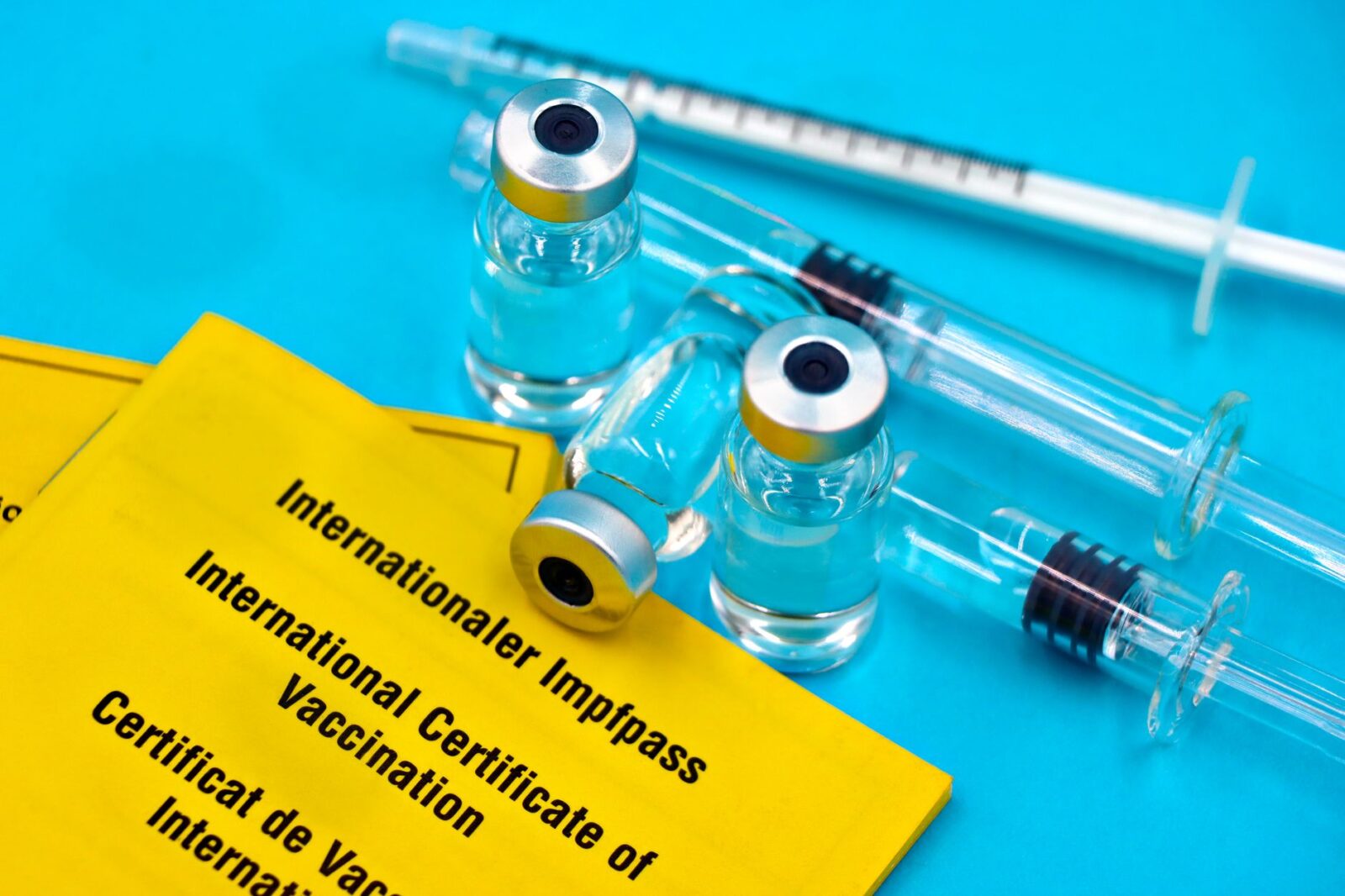
Yellow Fever Cases Surge in Colombia: What the Latest CDC Notice Means for Travelers
In the first eight months of 2026, health authorities in Colombia recorded more than a thousand probable yellow fever infections, a sharp rise that has prompted the U.S. Centers for Disease Control and Prevention to issue a Level 2 – Practice Enhanced Precautions travel notice for the country. The alert, released on September 18, 2026, warns that the virus is spreading beyond traditional risk zones and now affects areas that previously did not require routine vaccination. For anyone planning to visit, work, or invest in Colombia, the notice translates into a clear recommendation: obtain a yellow fever vaccine at least ten days before arrival and take extra steps to avoid mosquito bites. This development is especially relevant for visa applicants, expatriates, digital nomads, and those pursuing residency or citizenship, as proof of vaccination may be requested during immigration processes.
The CDC’s Level 2 designation sits between the usual precautions of Level 1 and the stronger warnings of Level 3 (Reconsider Nonessential Travel) and Level 4 (Avoid All Travel). It signals that while travel is not prohibited, heightened vigilance is warranted. Travelers are advised to consult a healthcare provider or a designated yellow fever vaccination center well in advance, as the vaccine is not stocked at ordinary pharmacies and appointments can be booked weeks ahead. The notice also notes that a booster dose may be necessary for individuals whose last vaccination was administered a decade or more ago, particularly if they will be visiting higher‑risk settings such as rural Tolima.
Understanding the Current Outbreak: Tolima Epicenter and Case Numbers
According to data released by Colombia’s National Institute of Health on September 8, 2026, the country has seen 1,183 probable and 58 laboratory‑confirmed cases of yellow fever since January. The outbreak has been heavily concentrated in the Tolima department, which accounts for approximately 95 % of all reported infections. Other affected regions include Cundinamarca (3.44 %) and Meta (1.56 %). The geographic spread marks a notable shift from previous years, when cases were largely confined to the Amazon basin and the eastern plains.
As of September 8, 2026, Colombia reported 1,183 probable and 58 confirmed yellow fever cases, with 27 deaths—a fatality rate of 46.5 %.
The high fatality rate underscores the severity of the disease, which can progress from fever and chills to liver failure, hemorrhaging, and shock within days. Most severe cases develop in individuals who are unvaccinated or whose immunity has waned. Health officials emphasize that the vaccine remains the most effective preventive measure, conferring protection within ten days of administration and offering lifelong immunity for the majority of recipients.
Environmental factors contributing to the resurgence include expanding habitats for the Aedes and Haemagogus mosquito vectors, changes in land use, and increased human movement into forested fringe areas. Researchers from the VaxThera‑Codagenix partnership announced on September 15, 2026, that they have secured a licensing agreement for a synthetic yellow fever vaccine candidate, which could eventually diversify global supply and reduce reliance on the traditional egg‑based production method.
Who Needs to Act: Nationalities and Traveler Types Affected by the Level 2 Notice
The CDC’s travel notice applies to all international travelers regardless of nationality, but certain groups face more immediate practical consequences. Visa applicants from countries that require a yellow fever vaccination certificate for entry—such as Brazil, Ghana, Kenya, and Indonesia—may find that Colombian immigration officials request proof of vaccination at the port of entry, even though Colombia itself does not currently mandate the vaccine for tourists. Likewise, expatriates applying for temporary or permanent residency, investors seeking a migrant investor visa, and retirees pursuing a pensioner visa may be asked to present an International Certificate of Vaccination or Prophylaxis (ICVP) during the consular interview or at the migration office.
Digital nomads who plan to stay in Colombia for extended periods under a tourist visa or a special digital nomad permit should also consider vaccination, especially if they intend to travel to national parks, coffee‑region farms, or rural eco‑lodges in Tolima, Cundinamarca, or Meta. The same recommendation holds for students enrolled in short‑term exchange programs, volunteers working in community health projects, and attendees of conferences or festivals held in the affected departments.
Importantly, the notice does not impose a blanket ban on travel, nor does it require quarantine upon arrival. Instead, it encourages proactive health measures. Travelers who cannot receive the vaccine due to medical contraindications—such as severe immunodeficiency, thymus disorders, or allergic reactions to vaccine components—should consult a travel medicine specialist about obtaining a waiver letter and implementing rigorous mosquito‑avoidance strategies.
Step‑by‑Step Preparation: Vaccination, Boosters, and Mosquito Protection
First, verify whether you need a primary dose or a booster. If you have never been vaccinated against yellow fever, schedule a dose at an authorized yellow fever vaccination center at least ten days before your intended departure. The vaccine is a single‑shot, live‑attenuated formulation that provides protection for most people for life. Locate a provider using the CDC’s Travelers’ Health website or contact your local public health office; many travel clinics, university health centers, and designated pharmacies offer the service.
If you received your last yellow fever vaccine ten or more years ago and will be visiting areas where active transmission is occurring—such as the rural municipalities of Icononzo, Líbano, or Chaparral in Tolima—consider a booster dose. The CDC notes that a booster may be given to certain travelers who will be in higher‑risk settings, although the majority of individuals retain immunity after a single dose. Discuss your specific itinerary with a healthcare professional to make an informed decision.
Second, implement mosquito‑bite prevention measures throughout your stay. Use an EPA‑registered insect repellent containing DEET, picaridin, IR3535, or oil of lemon eucalyptus on exposed skin, and reapply according to the product label. Wear long‑sleeved shirts and long pants, preferably treated with permethrin, during peak biting hours (dawn and dusk). Stay in accommodations with screened windows or air conditioning, and use bed nets if sleeping in open‑air or rustic lodgings.
Third, monitor your health. If you develop fever, chills, headache, backache, or muscle aches within three to six days after potential mosquito exposure, seek medical attention promptly and inform the clinician of your recent travel to Colombia. Early supportive care improves outcomes, although there is no specific antiviral treatment for yellow fever.
- Schedule vaccination at least 10 days before travel.
- Locate an authorized yellow fever vaccine provider (CDC travel clinic list).
- Consider a booster if your last dose was ≥10 years ago and you will visit high‑risk zones.
- Use EPA‑approved repellent and wear protective clothing.
- Seek medical care immediately if symptoms appear.
Navigating Visa, Residency, and Citizenship Processes Amid the Health Alert
For individuals pursuing long‑term stays in Colombia, the yellow fever situation can intersect with administrative requirements. While Colombia does not currently demand a yellow fever vaccination certificate for entry, certain visa categories—particularly the Migrant (M) visa for investors, the Resident (R) visa for retirees, and the Special Stay Permit for digital nomads—may involve a health clearance step where consular officers request proof of vaccinations recommended by the traveler’s home country or by international health authorities.
Applicants from nations that enforce yellow fever vaccination for travelers arriving from endemic zones should prepare their ICVP in advance. For example, a Brazilian citizen applying for a Colombian investor visa may be asked to show the certificate at the Brazilian consulate before the visa is issued, because Brazil requires proof of vaccination for anyone who has been in a yellow fever‑risk country within the last six months. Similarly, travelers from Kenya, Ghana, or Indonesia may encounter similar requests at their respective embassies.
Investors looking to establish a business under Colombia’s migrant investor visa should factor the vaccine into their relocation timeline. The ten‑day waiting period after vaccination means that the earliest possible travel date is ten days post‑shot; scheduling the vaccine early in the application process avoids delays. Retirees applying for a pensioner visa should also consider that some Colombian municipalities may request vaccination proof for access to public health services or for enrollment in the national health system, especially if they plan to reside in rural areas.
Digital nomads, who often rely on short‑term tourist visas or the newly introduced digital nomad permit, benefit from the flexibility of staying up to 180 days without needing to demonstrate vaccination. Nonetheless, those who wish to explore Colombia’s national parks—such as Los Nevados or Tayrona—should still obtain the vaccine, as park rangers and tour operators increasingly advise visitors to be protected against mosquito‑borne illnesses.
Finally, keep copies of your vaccination certificate both in physical form and as a scanned PDF stored securely online. Having the document readily available can smooth interactions with immigration officials, airline staff, and local health authorities.
How Colombia’s Response Compares to Other South American Nations
Colombia’s current Level 2 alert places it alongside several neighboring countries that have issued similar advisories due to yellow fever activity. In Brazil, the Ministry of Health routinely publishes risk maps that recommend vaccination for travelers heading to the Amazon states of Acre, Amazonas, Pará, and Rondônia, as well as for certain urban areas experiencing outbreaks. Brazil also requires a valid yellow fever certificate for entry from travelers arriving from countries with risk of transmission, a rule that is strictly enforced at international airports.
Peru maintains a permanent vaccination requirement for visitors to the jungle regions of Loreto, Ucayali, and Madre de Dios, and the Peruvian Ministry of Health updates its risk zones quarterly. Bolivia, meanwhile, advises vaccination for all travelers heading to the Beni and Pando departments and enforces the certificate requirement at land border crossings with Brazil and Peru.
By contrast, Colombia has not yet instituted a universal entry‑mandate for yellow fever vaccination, relying instead on targeted recommendations based on real‑time surveillance. The Level 2 notice reflects a middle ground: it urges enhanced precautions without imposing blanket restrictions, allowing the country to keep tourism and business flows open while mitigating public‑health risk. This approach mirrors the strategy adopted by Ecuador, which issues periodic alerts for specific provinces but does not require vaccination for all incoming tourists.
For travelers moving between these nations, the practical implication is clear: carrying an up‑to‑date ICVP simplifies border crossings and reduces the likelihood of being denied entry or subjected to on‑site vaccination at the point of arrival. Many travel clinics offer combined vaccination cards that meet the specifications of multiple South American governments, making it convenient to stay compliant across borders.
Practical Tips for Digital Nomads, Expats, and Investors Living or Planning to Move to Colombia
Digital nomads who have settled in Medellín, Bogotá, or Cartagena should still evaluate their exposure risk if they plan weekend trips to the coffee‑region or to national parks in Tolima. A single day trip to a rural lodge can place you in proximity to active transmission zones, especially during the rainy season when mosquito populations peak. Setting a calendar reminder to check the latest CDC travel notice before each outing helps maintain awareness.
Expats employed by multinational corporations often receive corporate travel health benefits that cover yellow fever vaccination. Verify with your HR department whether the vaccine is covered under your international medical plan, and schedule the shot through the company‑preferred provider to avoid out‑of‑pocket expenses. If you are relocating with family, ensure that children aged nine months and older receive the vaccine, as the pediatric dose is the same formulation used for adults.
Investors establishing a venture under the migrant investor visa should consider the vaccine as part of their due‑diligence checklist. In addition to securing capital, drafting a business plan, and opening a local bank account, allocate time for a visit to a travel clinic. The vaccine’s cost in the United States typically ranges from $150 to $200 USD; in Colombia, private clinics may charge between 600,000 and 800,000 COP (approximately $150‑$200 USD). Public health campaigns sometimes offer the vaccine free of charge during outbreak responses, but availability can be limited.
Finally, stay connected with local health alerts. The Colombian National Institute of Health publishes weekly bulletins on mosquito‑borne diseases, and the Ministry of Health’s official website provides downloadable risk maps. Subscribing to these feeds or following the official Twitter account (@MinSaludCol) ensures you receive real‑time updates about any changes in vaccination recommendations or emerging hotspots.
Frequently Asked Questions
Do I need a yellow fever vaccine to enter Colombia as a tourist?
Colombia does not currently require a yellow fever vaccination certificate for tourists entering the country. However, the CDC’s Level 2 – Practice Enhanced Precautions notice advises that travelers heading to areas where transmission is occurring—particularly in Tolima, Cundinamarca, and Meta—should be vaccinated at least ten days before arrival. Carrying an International Certificate of Vaccination or Prophylaxis (ICVP) can smooth interactions with airlines and local authorities, especially if you plan to visit national parks or rural eco‑lodges.
How far in advance should I get the vaccine before my trip?
The yellow fever vaccine becomes effective approximately ten days after administration. To ensure full protection, schedule your shot at least ten days before your intended departure date. If you need a booster because your last dose was given a decade or more ago, allow the same ten‑day window after the booster dose.
What if I have a medical condition that prevents me from receiving the vaccine?
Individuals with contraindications such as severe immunodeficiency, thymus disorders, or a history of life‑threatening allergic reaction to a previous yellow fever vaccine should consult a travel medicine specialist. The clinician can issue a medical waiver letter explaining why vaccination is not advisable. In conjunction with the waiver, strict mosquito‑avoidance measures—use of DEET‑based repellent, permethrin‑treated clothing, and screened accommodations—are essential to reduce risk.
Is a booster dose necessary for everyone who was vaccinated more than ten years ago?
Not automatically. The CDC states that a booster may be considered for travelers who will be in higher‑risk settings, such as areas with active transmission. Many individuals retain immunity after a single dose for life. Discuss your specific itinerary, destination, and personal health history with a healthcare provider to determine whether a booster is warranted in your case.
Where can I find the official yellow fever travel notice for Colombia?
The current CDC travel notice is available at https://wwwnc.cdc.gov/travel/notices/watch/colombia-yellow-fever. For Colombian government updates, consult the National Institute of Health’s bulletins at https://www.ins.gov.co and the Ministry of Health’s website at https://www.minsalud.gov.co. These sources provide the latest case numbers, risk maps, and vaccination recommendations.
Stay informed with the latest travel news, visa updates, and destination guides. Follow HimalayanCrest.com for weekly travel intelligence delivered by our editorial team.