

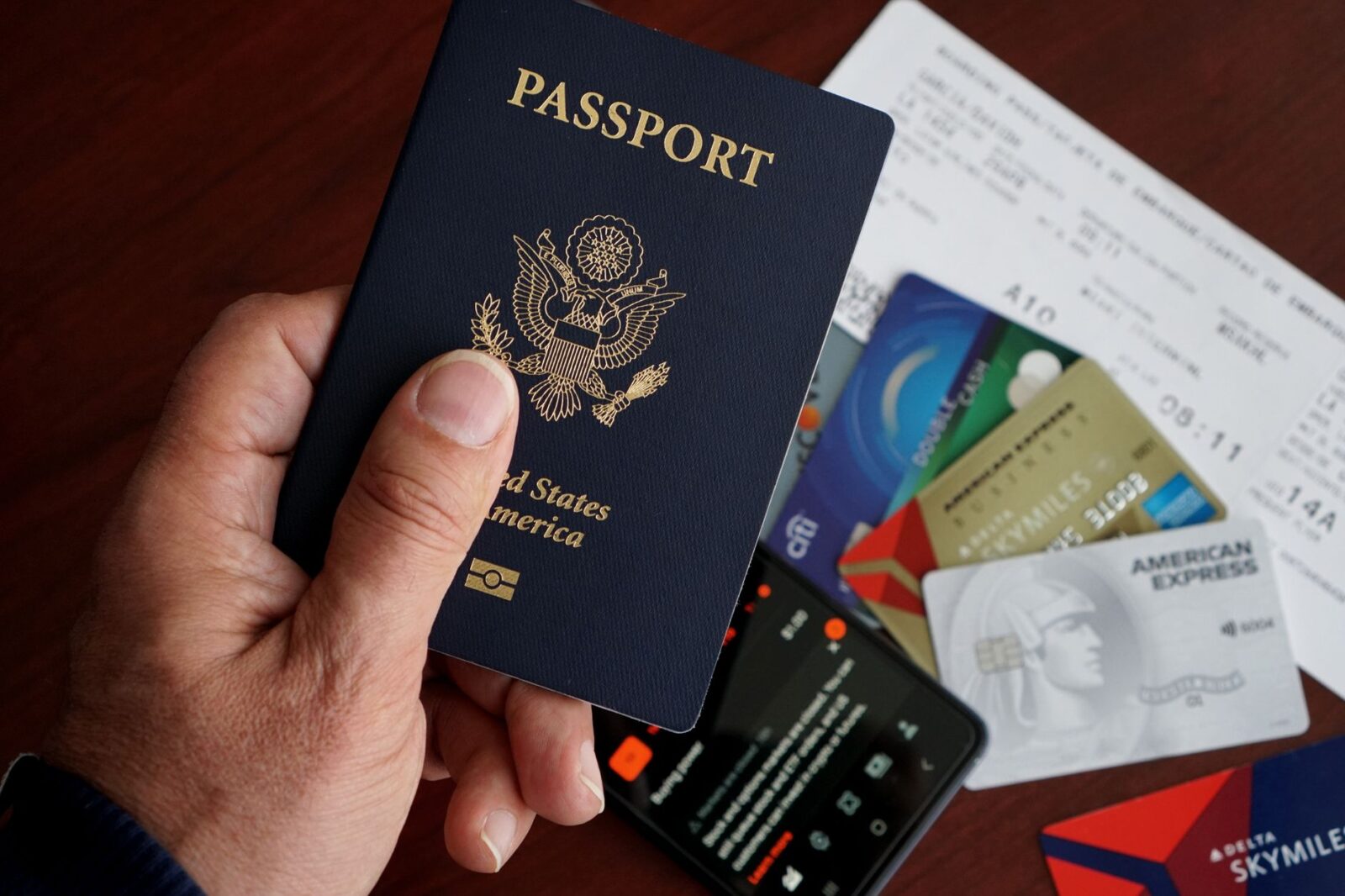
Why Cheap Travel Insurance Is Trending in 2026
Travelers worldwide are looking for ways to protect their trips without breaking the bank, and the demand for affordable coverage has surged this year. After a period of volatile flight prices and unpredictable health regulations, many people now see insurance as a necessary line of defense rather than an optional extra. Our research shows that the average traveler is willing to spend under $50 for a basic policy that covers trip cancellation, emergency medical care, and lost luggage. This shift is especially noticeable among backpackers, digital nomads, and families planning short getaways to nearby destinations. In response, insurers have introduced stripped‑down plans that keep premiums low while still meeting the minimum requirements of most countries. Understanding why this trend matters helps you spot genuine value and avoid policies that look cheap but leave you exposed.
Another driver of the trend is the rise of comparison websites that let you view dozens of quotes side by side in minutes. Platforms such as MoneyGeek and SquareMouth have updated their databases for 2026, showing that the cheapest available plan starts at just $43 for a basic tier. This figure represents a standard 7‑day trip to Europe for a healthy adult under 35 years old, with coverage limits of $50,000 for medical expenses and $10,000 for trip cancellation. While the price point is attractive, it is essential to examine what is excluded, such as pre‑existing condition coverage or adventure sports. By recognizing the forces behind the low‑cost market, you can make a smarter purchase that fits both your budget and your risk tolerance.
Understanding the Basics: What Cheap Plans Actually Cover
Basic travel insurance policies are designed to cover the most common risks that travelers encounter on short, low‑budget trips. The core components usually include trip cancellation or interruption, emergency medical and dental expenses, emergency medical evacuation, and baggage loss or delay. These elements are often bundled together in a single limit, meaning the insurer will pay up to a certain amount for any combination of covered events. For example, a typical cheap plan might offer a combined limit of $75,000, with sub‑limits of $50,000 for medical costs and $25,000 for trip-related losses. Knowing these limits helps you gauge whether the coverage matches the potential expenses you could face abroad.
Beyond the essentials, many low‑cost policies add a few optional benefits for a small extra fee. These can include travel delay compensation (usually $100 per day after a six‑hour delay), missed connection coverage, and 24‑hour assistance hotlines. Some providers also offer accidental death and dismemberment (AD&D) coverage as a standard inclusion, while others treat it as an add‑on. It is worth noting that cheap plans generally exclude coverage for pre‑existing medical conditions unless you purchase a waiver, and they often do not cover high‑risk activities such as scuba diving, mountaineering, or motorbike racing. If your itinerary includes any of these, you will need to either upgrade to a comprehensive plan or purchase a separate rider.
Finally, the claims process on budget policies tends to be straightforward but may require more documentation than premium offerings. Most insurers ask for original receipts, police reports for theft, and a doctor’s note for medical claims. Because the premium is low, the insurer may scrutinize claims more closely to prevent fraud. Being prepared with organized records can speed up reimbursement and reduce the chance of a denied claim. By understanding exactly what a cheap plan includes—and what it leaves out—you can decide whether the savings are worth the trade‑offs for your specific trip.
Top Low‑Cost Providers and Their 2026 Rates
Several companies consistently appear at the bottom of price lists while maintaining solid reputations for customer service and claims handling. Tin Leg, a brand under the larger insurance group, advertises a basic plan starting at $43 for a standard week‑long trip. This price assumes a traveler aged 18‑35, no pre‑existing conditions, and a destination within Europe or the Caribbean. World Nomads, known for catering to adventurous travelers, offers a comparable entry‑level plan at around $48 for the same trip length, with slightly higher limits for medical evacuation. Seven Corners, another frequent contender in budget comparisons, lists its essential plan at $45, emphasizing strong coverage for trip cancellation and baggage loss.
Beyond these three, other insurers that regularly appear in the top ten cheapest lists include InsureMyTrip’s economy line, Travel Guard’s basic tier, and Allianz Travel’s OneTrip Basic. Each of these providers adjusts pricing based on factors such as trip duration, traveler age, and destination risk level. For instance, extending a Tin Leg policy from seven to fourteen days typically raises the premium to about $70, while adding a traveler aged 60‑65 can increase the cost to roughly $65 for the original week. It is useful to know that many of these companies offer discounts when you purchase coverage for multiple travelers on the same policy, sometimes reducing the per‑person cost by 10‑15 %.
When comparing these rates, keep in mind that the quoted price often reflects the most basic version of the plan. Adding optional benefits such as “Cancel For Any Reason” (CFAR) or adventure sports coverage can increase the premium by 20‑40 %. However, even with these upgrades, the total cost frequently remains under $100 for a week‑long trip, which is still considered inexpensive relative to the potential financial loss of an uninsured incident. By focusing on the providers that consistently rank low in price comparisons, you can narrow your search to a handful of trustworthy options.

How to Compare Policies Like a Pro: Key Metrics and Red Flags
Finding the cheapest premium is only the first step; you must also evaluate the quality of the coverage to ensure it meets your needs. Start by examining the medical expense limit, which should be at least $50,000 for international travel to cover hospital stays, physician fees, and emergency evacuation in most regions. Next, look at the trip cancellation limit; a minimum of $10,000 protects you against losing non‑refundable deposits if you need to abort your journey due to illness, severe weather, or a family emergency. Baggage loss coverage should be no less than $1,500 per person, as this helps replace essential items if your luggage is delayed or stolen.
Another critical metric is the deductible, or the amount you must pay out of pocket before the insurer begins to pay. Cheap policies sometimes impose a $0 deductible for medical claims but a $100‑$200 deductible for trip cancellation. Verify whether the deductible applies per claim or per policy period, as this can affect your out‑of‑pocket costs if you experience multiple incidents. Additionally, check the policy’s exclusions list carefully. Common exclusions in budget plans include pre‑existing conditions, pregnancy‑related complications, and injuries sustained while under the influence of alcohol or drugs. If any of these apply to you, you may need to purchase a waiver or select a different plan.
Red flags to watch for include vague language about coverage limits, excessively low premiums that seem too good to be true, and a lack of clear contact information for the claims department. A reputable insurer will provide a downloadable PDF of the full policy wording, a toll‑free number for assistance, and an online portal where you can submit and track claims. Reading recent customer reviews on independent sites can also reveal patterns of delayed payments or denied claims. By systematically comparing these elements, you can distinguish a genuinely valuable cheap policy from one that merely looks inexpensive on the surface.
When Annual Coverage Beats Single‑Trip Policies
For travelers who take multiple trips throughout the year, an annual travel insurance plan often delivers better value than buying a separate policy for each journey. Although the upfront cost of an annual plan is higher—typically ranging from $200 to $350 for an individual—the per‑day price drops dramatically when you spread it over several trips. For example, if you embark on four trips averaging ten days each, the annual cost works out to roughly $5 per day, whereas a single‑trip basic policy at $43 for ten days would cost $4.30 per day but would need to be repurchased four times, totaling $172. In this scenario, the annual plan not only simplifies administration but also provides continuous coverage for spontaneous weekend getaways.
Annual plans usually include the same core benefits as single‑trip basics: trip cancellation, emergency medical, evacuation, and baggage loss. Many also offer additional perks such as travel delay compensation, missed connection coverage, and 24‑hour concierge services. Some insurers even extend coverage to include rental car collision damage waiver, which can save you money if you frequently rent vehicles abroad. It is important, however, to verify any limits on the maximum trip length allowed under the annual policy; most insurers cap individual trips at 30 or 45 days, which is sufficient for most vacations but may not work for extended sabbaticals.
When deciding between annual and single‑trip coverage, calculate your expected number of travel days and compare the total cost. If you anticipate more than three trips per year or a combined total of over 30 travel days, an annual plan is likely the more economical choice. Additionally, consider the convenience factor: with an annual policy you never have to remember to purchase insurance before each departure, reducing the risk of traveling uninsured by accident. For frequent business travelers, digital nomads, or families who visit relatives overseas several times a year, an annual policy offers peace of mind and predictable budgeting.

Insider Tips for Getting the Best Value
Saving money on travel insurance goes beyond simply picking the lowest advertised price. One effective strategy is to bundle your insurance with other travel purchases. Many credit cards, especially premium travel rewards cards, provide complimentary basic travel insurance when you use the card to pay for your trip. For instance, certain Visa Signature and Mastercard World Elite cards offer trip cancellation and interruption coverage up to $10,000 when the entire fare is charged to the card. Before buying a separate policy, check your card’s benefits guide to see if you already have adequate protection.
Another tip is to purchase your insurance shortly after booking your trip, ideally within 10‑15 minutes. Some insurers offer a “early bird” discount of 5‑10 % for policies bought within this window, as they view early purchasers as lower risk. Additionally, look for promotional codes on comparison sites; MoneyGeek and SquareMouth occasionally feature limited‑time offers that can shave a few dollars off the premium. If you are a member of an organization such as AAA, AARP, or a university alumni association, you may be eligible for group rates that are not advertised to the general public.
Consider adjusting your coverage limits to match the actual cost of your trip rather than defaulting to the maximum offered. If your prepaid, non‑refundable expenses total $2,000, there is little benefit in selecting a $10,000 trip cancellation limit; a $5,000 limit will usually suffice and lower the premium. Similarly, if you are traveling domestically within a country with a robust public health system, you might opt for a lower medical expense limit, such as $30,000, and allocate the savings toward a higher baggage limit if you are carrying valuable gear. Tailoring the policy to your specific circumstances ensures you are not paying for coverage you do not need while still staying protected against the most likely risks.
Visa and Entry Requirements: Where Proof of Insurance Is Mandatory
While many countries allow visitors to enter without showing travel insurance, a growing number mandate proof of coverage as a condition of entry. The Schengen Area, which includes 26 European nations, requires travelers applying for a short‑stay visa to present a policy that covers at least €30,000 (approximately $32,000) in medical expenses and includes repatriation. Even if you are visa‑exempt, some Schengen countries may ask for proof of insurance at the border, especially if you appear to be a long‑term stay risk. Failure to provide adequate documentation can result in denied entry or a request to purchase a policy on the spot, often at a higher price.
Other regions with similar requirements include the United Arab Emirates, where visitors on tourist visas must have insurance that covers COVID‑19 treatment and emergency evacuation, and Thailand, which recently reinstated a mandatory insurance rule for all international arrivals, stipulating a minimum of $50,000 in medical coverage. In Latin America, countries such as Ecuador and Cuba ask for proof of insurance that includes medical evacuation, reflecting concerns about limited local medical facilities in remote areas. It is wise to check the official immigration website of your destination well before departure; links to the relevant pages are typically found on the government’s tourism or foreign affairs portal.
If your destination does not require insurance, carrying a policy is still advisable because it protects you from unexpected costs that could otherwise derail your trip. For example, a sudden appendicitis in a country with private healthcare can lead to bills exceeding $20,000, a sum that most travelers cannot afford out of pocket. By aligning your insurance purchase with the entry requirements of your destination, you satisfy legal obligations while also securing personal financial protection—a win‑win that seasoned travelers recommend.
Step‑by‑Step Checklist to Buy Your Policy Today
Follow this practical checklist to secure affordable travel insurance quickly and confidently. First, define the basics of your trip: destination(s), travel dates, total prepaid non‑refundable cost, and the age of each traveler. Having these details on hand ensures you receive accurate quotes and avoid surprises later. Second, visit a reputable comparison website such as MoneyGeek, SquareMouth, or InsureMyTrip and enter your trip information. Set the filter to show only “basic” or “essential” plans to focus on the lowest‑cost options.
Third, examine the top three results side by side. Compare the medical expense limit, trip cancellation limit, deductible amount, and any exclusions that apply to your situation (e.g., pre‑existing conditions, adventure sports). If you plan to engage in activities like skiing or scuba diving, verify whether the policy includes them or if a rider is needed. Fourth, check the insurer’s reputation by looking at recent customer reviews on independent platforms and confirming that the company holds a valid license in your state or country. Fifth, decide whether a single‑trip or annual plan makes more sense based on your projected travel frequency for the next 12 months.
Sixth, look for any available discounts: early‑bird purchase, multi‑traveler bundling, credit‑card affiliate offers, or membership group rates. Apply the coupon code if one is available before proceeding to payment. Seventh, read the full policy document—pay particular attention to the claims procedure, required documentation, and contact numbers for emergency assistance. Eighth, complete the purchase using a secure payment method and save a digital copy of the policy PDF on your phone and email. Ninth, print a physical copy to carry in your luggage as backup. Finally, set a reminder to review your coverage before each trip to ensure limits still match your itinerary and to renew an annual policy before it expires. By ticking off each box, you minimize the risk of overlooking a critical detail and maximize the value of your insurance spend.
Frequently Asked Questions
What is the absolute cheapest travel insurance I can find for 2026?
Based on the latest data from major comparison sites, the lowest advertised premium for a basic travel insurance plan starts at $43. This price typically applies to a healthy adult under 35 taking a seven‑day trip to Europe or the Caribbean, with coverage limits of around $50,000 for medical expenses and $10,000 for trip cancellation. Keep in mind that this figure reflects the most stripped‑down version of the policy; adding optional benefits such as adventure sports coverage or Cancel For Any Reason will increase the cost.
Do I need travel insurance if my credit card already offers some protection?
Many premium credit cards provide complimentary travel insurance when you use the card to pay for your trip. Common benefits include trip cancellation/interruption, travel delay, and luggage loss coverage, often with limits comparable to a basic standalone policy. However, card‑based insurance usually excludes medical expenses and emergency evacuation, which are the most costly risks when traveling abroad. If your itinerary includes international destinations, it is wise to supplement card coverage with a dedicated medical plan or purchase a comprehensive policy that includes both trip and medical protection.
Is annual travel insurance really cheaper than buying a separate policy for each trip?
When measured on a per‑day basis, annual travel insurance is generally less expensive than purchasing a single‑trip policy for each journey, assuming you take more than three trips per year or accumulate over 30 travel days. The upfront cost of an annual plan ranges from $200 to $350 for an individual, but this spreads to just a few dollars per day when divided across multiple trips. Additionally, an annual plan eliminates the need to remember to buy insurance before each departure, reducing the chance of traveling uninsured by accident.
Which countries require proof of travel insurance for entry?
As of September 2026, the Schengen Area mandates at least €30,000 (approximately $32,000) in medical coverage for visa applicants, and border officials may ask for proof even from visa‑exempt travelers. The United Arab Emirates requires insurance that covers COVID‑19 treatment and emergency evacuation for all tourist visas. Thailand has reinstated a mandatory rule demanding a minimum of $50,000 in medical coverage for every international arrival. Other nations with similar rules include Ecuador, Cuba, and certain Caribbean islands that ask for medical evacuation coverage. Always verify the latest requirements on the official immigration or tourism website of your destination before you travel.
How can I be sure a cheap policy will pay out when I need it?
To increase the likelihood of a smooth claims experience, choose an insurer with a strong financial rating (look for A‑ or better from agencies like A.M. Best or Moody’s) and read recent customer reviews focused on claims processing. Before buying, review the policy’s exclusions list and confirm that your planned activities and health conditions are not barred. Keep all receipts, medical reports, and police documentation organized and readily accessible, as insurers typically require these to validate a claim. Finally, purchase your insurance soon after booking your trip; many companies view early buyers as lower risk and may offer a small discount, while also giving you ample time to ask questions and clarify any uncertainties.
Stay informed with the latest travel news, visa updates, and destination guides. Follow HimalayanCrest.com for weekly travel intelligence delivered by our editorial team.