

The Carry‑On Conundrum: Why Your Luggage Choice Matters More Than Ever
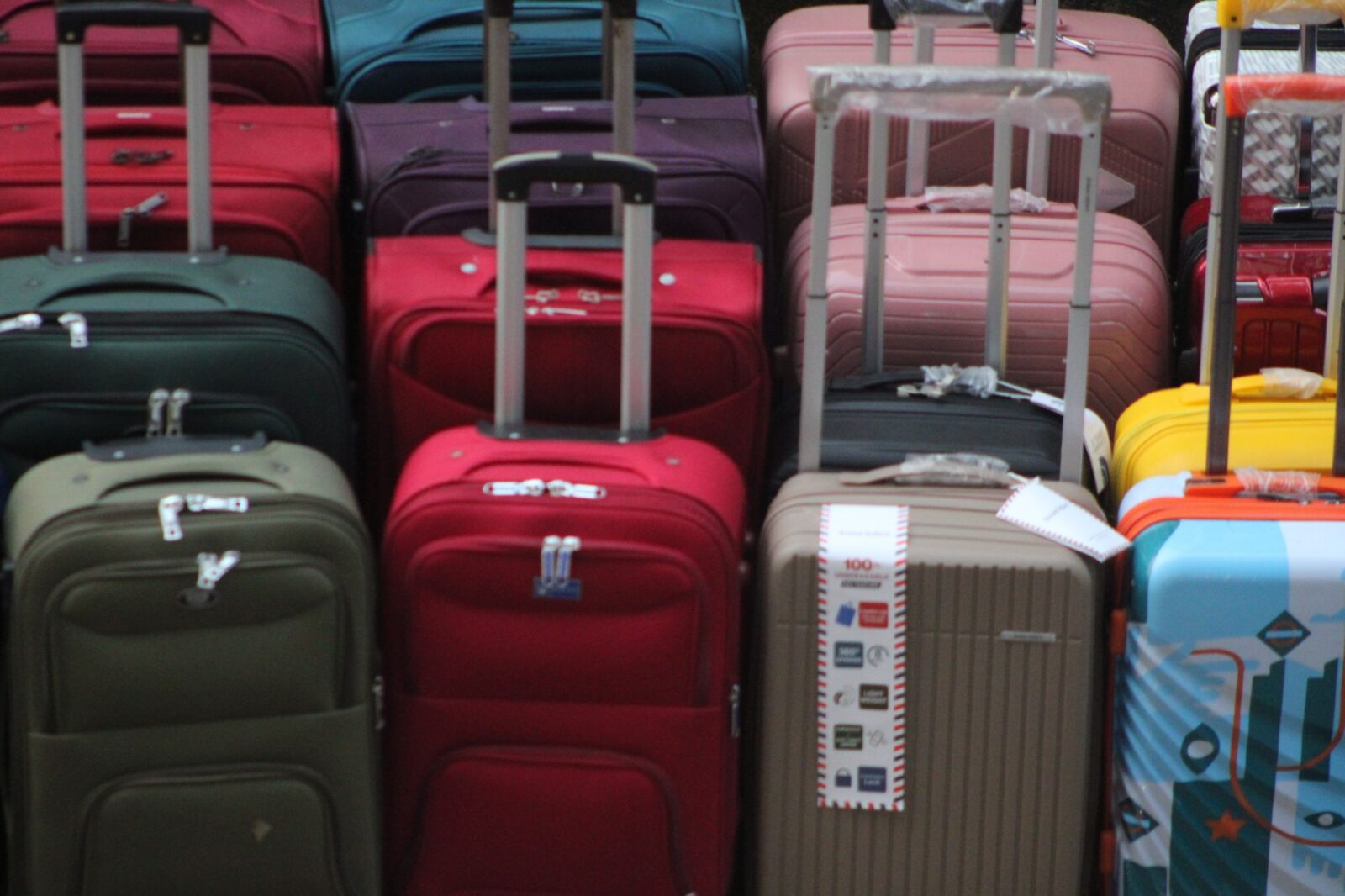
Modern travel moves at a faster pace, and the bag you bring on board can shape the entire experience. A smooth‑rolling suitcase saves precious minutes when navigating crowded terminals, while a sturdy handle reduces strain during long walks to the gate. Overhead bin space remains limited on many airlines, making compact dimensions a practical necessity. Choosing the right carry‑on therefore blends convenience, comfort, and compliance with airline rules.
What the 2026 Tests Revealed: Top Performers Across Categories
Across multiple 2026 evaluations from Travel + Leisure, The Strategist, and Forbes Vetted, a consistent group of suitcases emerged as favorites. Testers rolled each model through airports, train stations, and city streets, measuring weight, capacity, wheel performance, and resistance to scuffs. The results highlighted a mix of hard‑shell polycarbonate options and flexible soft‑sided designs that excelled in different scenarios. Price points varied widely, allowing travelers to find a match for nearly any budget.
Hard‑Shell Champions: Durability Meets Style
Several hard‑shell carry‑ons earned top marks for impact resistance and sleek aesthetics. The Away Bigger Carry‑On, frequently cited in 2026 reviews, features a 100% polycarbonate shell that weighs around 7.2 pounds and offers an optional built‑in USB port. Samsonite’s Winfield 3 received praise for its dual‑spinner wheel system and textured finish that hides scratches. Rimowa’s Essential Cabin, while positioned at a premium price, stood out for its aluminum‑alloy frame and lifetime warranty.
Soft‑Sided Standouts: Flexibility and Expandability
Soft‑sided luggage appealed to travelers who value expandability and exterior pockets. Travelpro’s Platinum Elite Softside Carry‑On earned high scores for its durable nylon fabric, water‑resistant coating, and interior compression panels. Delsey’s Helium Aero offered a lightweight frame at under 6 pounds and a front zip pocket ideal for travel documents. Briggs & Riley’s Baseline Domestic Carry‑On impressed testers with its CX technology expansion zipper, which adds up to 2 inches of packing depth without compromising the bag’s shape.
Key Features That Separate the Best from the Rest
Beyond brand reputation, specific design elements consistently influenced tester scores. Wheel quality, handle ergonomics, internal organization, and security features were examined in detail. Understanding these factors helps shoppers prioritize what matters most for their typical trips.
Wheel Systems and Maneuverability
Multi‑directional spinner wheels remain the standard for effortless navigation, but not all spinners perform equally. Reviews noted that wheels with polyurethane tread and sealed bearings rolled smoothly over both polished tile and uneven cobblestone. Some models, such as the Monos Carry‑On, incorporated a wheel‑brake lock that prevents unwanted rolling on inclines—a feature highlighted by frequent flyers in 2026 tests.
Handles, Grips, and Ergonomics
Telescoping handles with multiple locking positions received higher comfort ratings, especially when padded with soft‑touch rubber. The Away Bigger Carry‑On’s handle extends to 38 inches and locks securely at three heights, accommodating users of varying stature. Side and top grips, often overlooked, proved useful for lifting the bag into overhead bins or onto luggage racks; reinforced leather or thermoplastic grips reduced hand fatigue during repeated lifts.
Internal Organization and Expandability
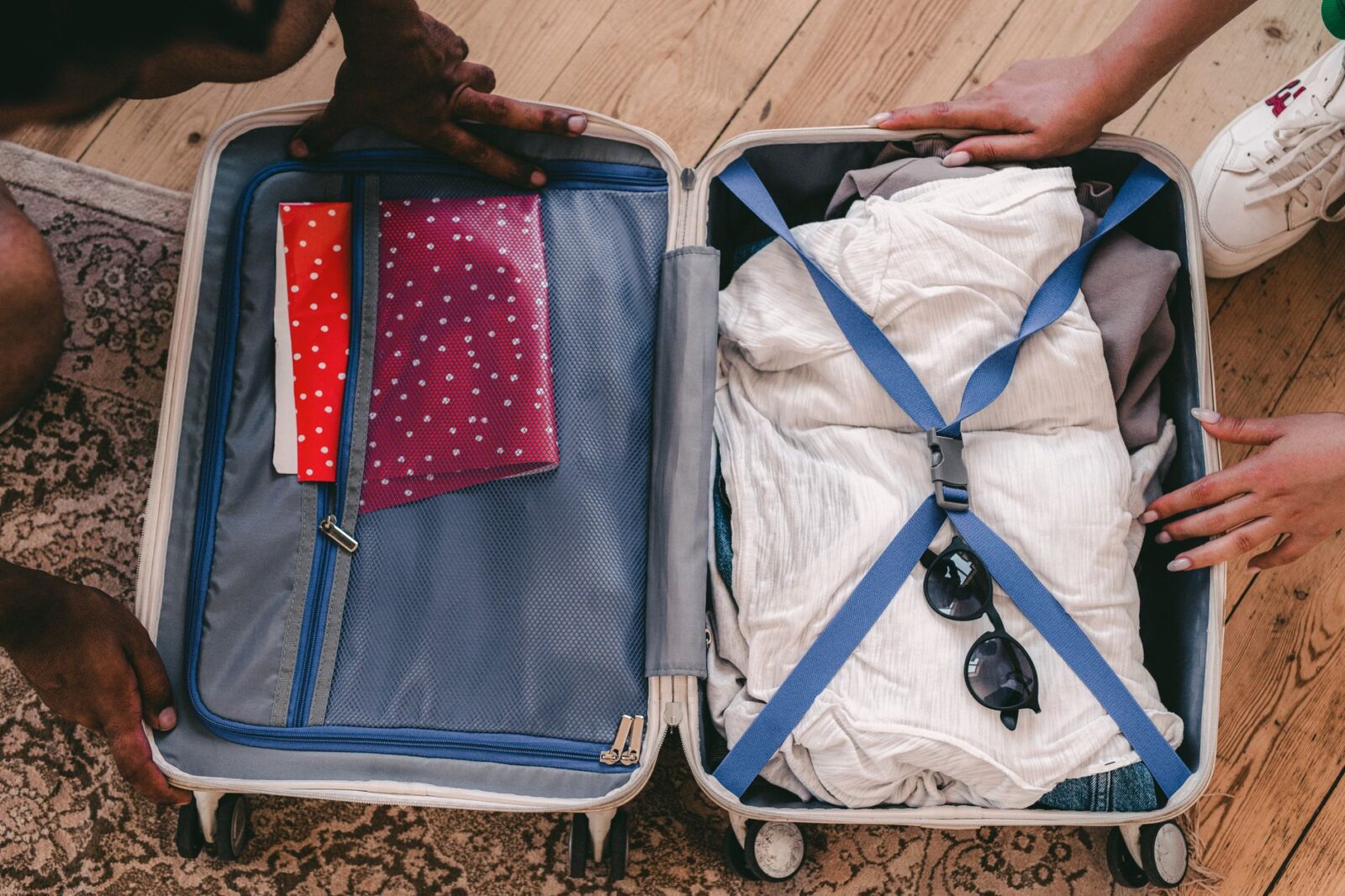
Interior layouts that include zippered mesh pockets, compression straps, and a dedicated laptop sleeve scored well for business travelers. The Samsonite Winfield 3 features a cross‑strap system and a removable wet‑pocket, while the Briggs & Riley Baseline offers a built‑in garment suiter that keeps shirts wrinkle‑free. Expandable zippers, present on many soft‑sided models, allow an extra 15‑20% of volume when needed, a flexibility praised by leisure travelers heading to warmer climates.
Price Points and Value: What to Expect in 2026
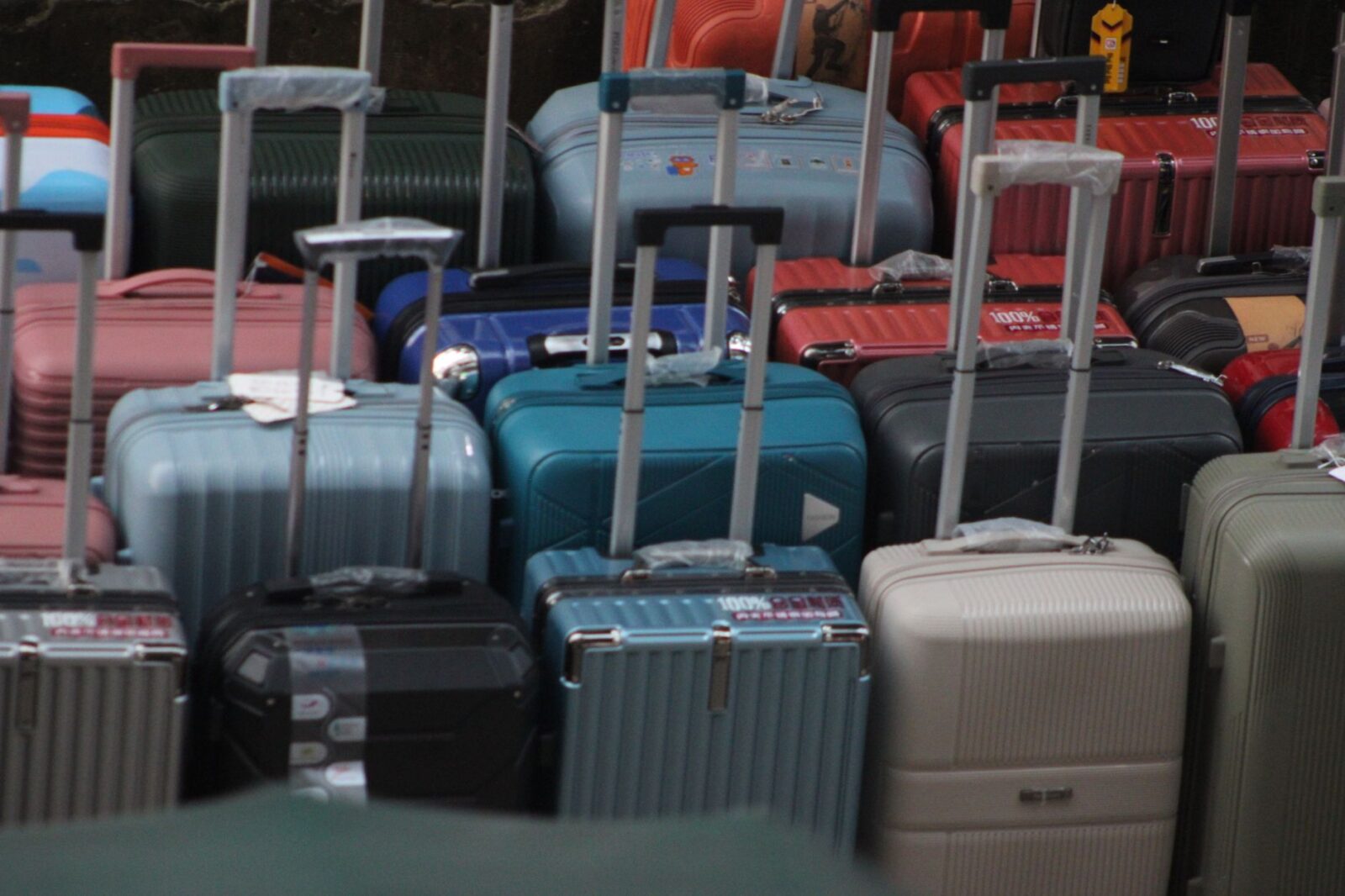
Carry‑on luggage spans a broad price spectrum, reflecting differences in materials, brand heritage, and added technology. Budget‑friendly options from Amazon Basics and Swiss Gear typically start near $70 and provide basic spinner wheels and a polyester shell. Mid‑range selections, such as the Away Bigger Carry‑On ($275) and Travelpro Platinum Elite ($220), balance durability with thoughtful organization. Premium offerings from Rimowa, Monos, and Briggs & Riley often exceed $400, justified by aluminum frames, lifetime warranties, and advanced features like integrated power banks.
Value assessment should consider cost per year of use. A $350 suitcase that survives five years of frequent travel works out to $70 annually, comparable to replacing a cheaper bag every twelve months. Many 2026 reviewers emphasized that investing in a well‑constructed carry‑on reduces the likelihood of broken handles or cracked shells mid‑trip, ultimately saving both money and stress.
How to Match a Carry‑On to Your Travel Style
No single suitcase fits every journey; aligning luggage features with trip characteristics yields the best results. Business travelers prioritize quick access to electronics and documents, while leisure travelers may favor expandability for souvenirs. Adventure seekers need ruggedness that can withstand rough handling beyond the airport.
Frequent Flyers and Business Travelers
For those who live in airports, a lightweight hard‑shell with a dedicated laptop compartment streamlines security checks. The Away Bigger Carry‑On’s optional power bank allows charging devices at the gate, a convenience noted in 2026 tests by frequent flyers. A quiet spinner wheel set reduces noise in cabin aisles, and a TSA‑approved lock adds security without hindering inspections. Many professionals also favor a neutral color palette—black, navy, or graphite—that hides wear and pairs easily with professional attire.
Leisure Travelers and Family Trips
Vacationers often benefit from soft‑sided models that stretch to accommodate extra clothing or beach gear. The Delsey Helium Aero’s expandable zipper adds up to two inches of depth, while its front pocket holds passports, snacks, or a small travel guide. Families appreciate suitcases with interior dividers that keep children’s items separate, a feature highlighted in the Briggs & Riley Baseline’s compartment layout. Bright colors or patterned fabrics make bags easier to spot on baggage claim carousels.
Adventure and Off‑Road Travel
Travelers heading to destinations with unpaved roads or rugged terrain prioritize reinforced corners, abrasion‑resistant fabrics, and wheels that can handle gravel. The Monos Carry‑On’s corner guards and oversized spinner wheels received praise for stability on uneven surfaces. Some adventure‑focused brands, such as Osprey’s Arcane Roller, combine a harness‑style frame with roller‑blade wheels, allowing the bag to be carried like a backpack when needed—a hybrid solution highlighted in 2026 gear round‑ups.
Future Trends: Smart Luggage and Sustainable Materials
Looking ahead, two trends are shaping the next generation of carry‑on luggage: integrated technology and eco‑conscious construction. Smart features such as GPS tracking, remote locking, and weight sensors are appearing in premium models, though airline regulations on lithium batteries remain a consideration. Several 2026 releases from Away and Samsonite include a removable power bank that complies with current FAA guidelines.
Sustainability is also gaining traction. Brands like Monos and Paravel now offer carry‑ons made from recycled polycarbonate or post‑consumer PET fabric, reducing the carbon footprint associated with production. Paravel’s Aviator Carry‑On, for instance, uses a shell composed of 100% recycled ocean‑bound plastic, a detail highlighted in the brand’s 2026 sustainability report. As consumer awareness grows, these options are likely to move from niche to mainstream.
Practical Tips for Testing and Buying Your Next Carry‑On
Before committing to a purchase, seasoned travelers recommend a few hands‑on checks. First, extend the telescoping handle to its maximum height and wiggle it side‑to‑side; any looseness may indicate wear over time. Second, spin each wheel and listen for grinding; smooth, quiet rotation predicts better performance on long walks through terminals. Third, open the bag fully and examine the interior stitching—reinforced seams at stress points suggest greater durability.
When shopping online, verify the seller’s return policy, especially for higher‑priced items, as fit and feel can only be judged in person. Many retailers offer a 30‑day trial window, allowing you to test the suitcase on a short trip before deciding. Finally, consider the warranty length; a lifetime warranty, as offered by Briggs & Riley and Rimowa, can provide peace of mind for frequent travelers who expect years of service from their carry‑on.
Stay informed with the latest travel news, visa updates, and destination guides. Follow HimalayanCrest.com for weekly travel intelligence delivered by our editorial team.