

Venezuela’s Travel Warning Drops – A Cautious Green Light Emerges
On March 19, 2026, the U.S. Department of State made headlines by lowering Venezuela’s travel advisory from the dire Level 4 “Do Not Travel” to **Level 3: Reconsider Travel**. This shift removes previous red flags like “Wrongful Detention,” “Unrest,” and “Other” risks, while adding specific high-risk zones and noting a phased resumption of U.S. embassy operations. Seasoned travelers from Asia to South America know these changes signal evolving security, but crime, kidnapping, terrorism, and shaky health systems still loom large. For expats eyeing residency or investors scouting opportunities, this downgrade opens doors – yet demands sharp planning.
The advisory summary now highlights a “phased approach” to embassy services starting January 2026, with the Venezuela Affairs Unit in Bogotá, Colombia, handling remote support until full resumption in Caracas. Risks persist nationwide, especially near borders and rural spots, but urban hubs like Caracas and Maracay see slightly eased concerns. Our research at HimalayanCrest shows this mirrors patterns in places like Peru (also Level 3), where targeted warnings replace blanket bans, giving nomads and retirees a clearer path forward.
Practically, this means reconsidering trips only if essential, with robust precautions. Check the official U.S. site at travel.state.gov for real-time updates, and contact the Venezuelan Embassy in Mexico at +52 55 5203 4233 for visa queries, as U.S.-based consulates remain closed. Travelers from India, Nigeria, or the Philippines – common visa seekers – should verify passport validity now, as six months minimum is required.
Key Changes in the March 2026 Advisory – What Dropped and What Rose
The downgrade isn’t a full all-clear; it’s a nuanced recalibration based on improved stability signals. Gone are the “Wrongful Detention,” “Unrest,” and “Other” indicators that painted Venezuela as a total no-go, a shift announced precisely on March 19, 2026. In their place, the State Department added **areas of increased risk**, pinpointing hotspots like the Venezuela-Colombia border (within 20 miles), Amazonas, Apure, rural Bolivar, Guarico, and Tachira states. Aragua state outside Maracay also flags crime and kidnapping dangers.
This mirrors global trends: think El Salvador’s recent Level 3 status amid gang crackdowns, or Guyana’s persistent warnings despite oil booms. For context, Level 3 advises against non-essential travel, unlike Level 4’s outright ban – only a handful of nations like parts of Yemen hold that top tier today. U.S. embassy ops updates reflect January 2026’s phased restart, though full services in Caracas suspended since 2019 mean Bogotá’s unit covers emergencies.
Actionable takeaway: Print this advisory summary before booking. Dual nationals – common among Latin American expats from Brazil or Colombia – must use Venezuelan passports for entry/exit, per local law. Investors from the UAE or Singapore should note no flight bans lifted yet; U.S. Transportation Department still halts nonstop flights, complicating evacuations.
No-Go Zones: The New High-Risk Map of Venezuela
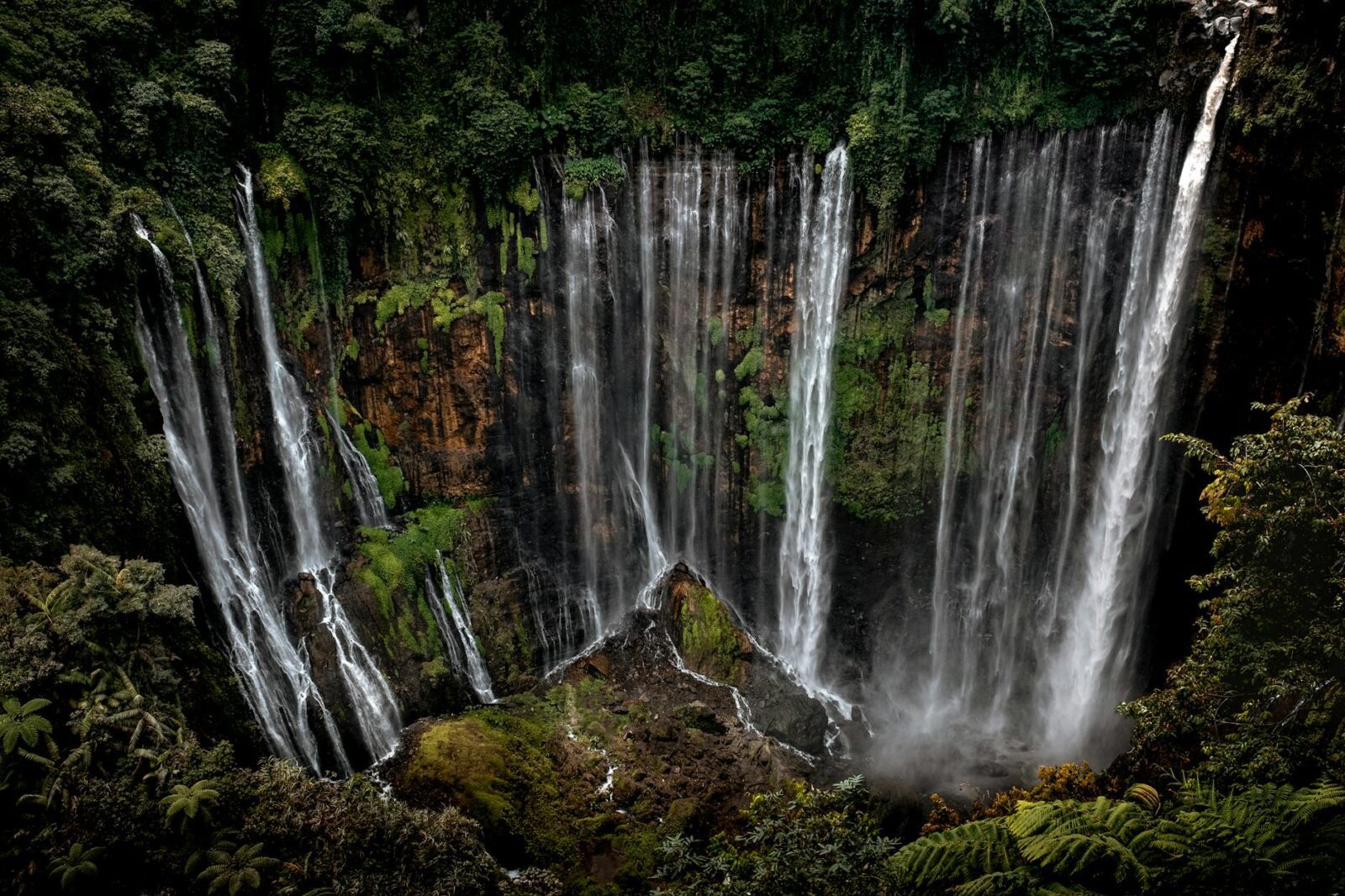
Visualize Venezuela’s vibrant Angel Falls in Canaima, but steer clear of rural Bolivar where crime and kidnapping spike. The **Venezuela-Colombia border region (20 miles in)** tops the list, with unmarked lines fueling detentions – U.S. citizens risk terrorism charges without visas. Amazonas and Apure states scream terrorism risks, while Guarico and Tachira blend crime with terror threats; Aragua beyond Maracay adds kidnapping woes.
Safer bets? Stick to Caracas, Maracay, or coastal spots like Margarita Island, where urban infrastructure offers some buffer – though nationwide crime remains high. Compare to neighboring Colombia’s Level 3 advisory: its Venezuela border warns of poor markings and detention risks, advising against land crossings. Travelers from the Philippines or Nigeria, used to robust border checks in Southeast Asia, should double-verify via official apps.
Pro tip: Use Google Maps with offline layers to mark safe radii. For maritime arrivals – say from Curaçao – check U.S. Coast Guard alerts, as Venezuelan waters stay dicey. Retirees dreaming of cheap beach living face reality: emergency dial 171 often fails, ambulances lack gear.
Visa Rules Tighten: Entry Without One Means Trouble
Forget visa-on-arrival myths – Venezuela demands a **valid Venezuelan visa** plus a U.S. passport with six months validity. With U.S. consulates shuttered, pivot to Mexico’s embassy (+52 55 5203 4233) for applications; expect proof of funds, hotel bookings, and return tickets. Immigration agents grill arrivals, denying entry or detaining without docs – a fate hitting U.S. citizens hard at borders.
Dual nationals enter with Venezuelan passports only; minors need notarized parental consent or both parents present. No HIV/AIDS bans noted, but Yellow Fever vax (with yellow card) is mandatory – check CDC’s site. Post-COVID, no jab proof required, easing burdens for families from India or South Africa. Residency seekers: Renew visas early, shun shady brokers promising quick permits.
Step-by-step for applicants: 1) Gather passport/docs; 2) Email Mexico embassy; 3) Book official border crossings only; 4) Stamp your entry paper religiously. Unlike Thailand’s easy e-visas, Venezuela’s process tests patience – plan 4-6 weeks ahead.
U.S. Embassy Limbo: Remote Help from Bogotá
Caracas embassy halted March 11, 2019; now, a January 2026 phased resumption brings hope, but Bogotá’s Venezuela Affairs Unit runs the show interim. No consular services in-country means emergencies route to +1-202-501-4444 (abroad) or 1-888-407-4747 (U.S.). Expats in Valencia or Puerto La Cruz report delays, but this beats total blackout.
Contrast with Russia’s suspended ops in Ukraine – Venezuela’s setup allows some visa processing via Mexico. Digital nomads from Indonesia or Malaysia should register at STEP (Smart Traveler Enrollment Program) for alerts. Investors: Note DHS flight suspensions threaten quick exits; medevac to the U.S. near-impossible.
Immediate action: Enroll in STEP today via travel.state.gov. For UAE expats with regional ties, Bogotá’s proximity aids faster aid than distant posts.
Opportunities for Expats, Nomads, and Investors Amid Risks
Level 3 thaw excites residency hunters: Venezuela’s golden visas or investor paths (details via official migration sites) lure with low costs – think $200K property buys vs. Portugal’s millions. Digital nomads from Nigeria find cheap co-working in Caracas ($10/day), but power outages and crime demand generators and guards. Retirees eye pensions stretching far – $1,500/month lives well – yet health woes (no HIV meds, poor hospitals) push private insurance ($2K/year).
Citizenship seekers note dual-national rules complicate exits; compare to Peru’s easier investor residencies. Our experts advise: Start with 90-day tourist visa, scout Caracas’ Altamira district for rentals ($800/month), network via expat forums. Future outlook? Oil stabilization could drop to Level 2 by 2027, per trends in Ecuador.
Practical list for movers:
- Secure comprehensive insurance covering evac ($5K+).
- Stock 3 months’ meds – pharmacies empty.
- Join local WhatsApp safety groups.
- Budget $300/month security in mid-towns.
South American parallels like Colombia offer safer investor hubs nearby.
Health and Safety: Prepare Like Your Life Depends On It
Venezuela’s health infrastructure crumbles: Dial 171 for emergencies, but responses lag; ambulances lack basics. No U.S.-standard care means pre-trip checkups vital – especially for retirees from the Middle East prone to heat issues. Yellow Fever vax mandatory; malaria zones need prophylaxis ($50/month).
COVID rules lifted, but bring all scripts – HIV drugs scarce. Kidnappings target tourists; use registered taxis, avoid flashy gear. Compare to Costa Rica’s Level 2: Similar crime, better hospitals. Action: Vaccinate via CDC-listed clinics, pack go-bags with cash ($1K USD hides well).
For families from the Philippines: Child travel docs notarized mandatory. Maritime folks: Avoid Venezuelan waters per Coast Guard.
Global Comparisons: How Venezuela Stacks Against Neighbors
Venezuela joins Guyana, Peru, Costa Rica, El Salvador at Level 3 – all urging caution sans total bans. Colombia’s border warnings echo Venezuela’s, banning land hops. Unlike Saudi Arabia’s quick Level 2 post-reforms, Venezuela lingers due to borders/terror.
Asia angle: Like Pakistan’s selective risks, Venezuela flags zones, freeing cities. Africa parallel – Nigeria’s urban-safe, rural-no model. Investors: Venezuela’s oil edges Mexico’s stability. Outlook: Phased embassy return could align with Indonesia’s tourism rebound.
FAQ: Answering Your Top Searches on Venezuela Travel 2026
Can I get a visa on arrival in Venezuela? No – visas unavailable at entry; apply via Mexico embassy (+52 55 5203 4233). Face detention without.
Is it safe to visit Caracas now after the Level 3 downgrade? Reconsider non-essential trips; crime high, but urban areas safer than borders. Enroll in STEP.
What about U.S. citizens entering Venezuela? High detention risk without visa; use official crossings, carry proof of funds/hotels.
Are there residency options for investors? Yes, via official channels – avoid brokers. Low entry costs appeal, but renew early amid instability.
Flights to Venezuela from U.S.? No nonstops; DHS ban stands. Fly via Colombia or Panama, visa first.
This downgrade whispers opportunity amid caution – share your Venezuela plans in comments. Have you visited post-2026? Drop insights below and tag friends pondering Latin American moves!
Stay informed with the latest travel news, visa updates, and destination guides. Follow HimalayanCrest.com for weekly travel intelligence delivered by our editorial team.