

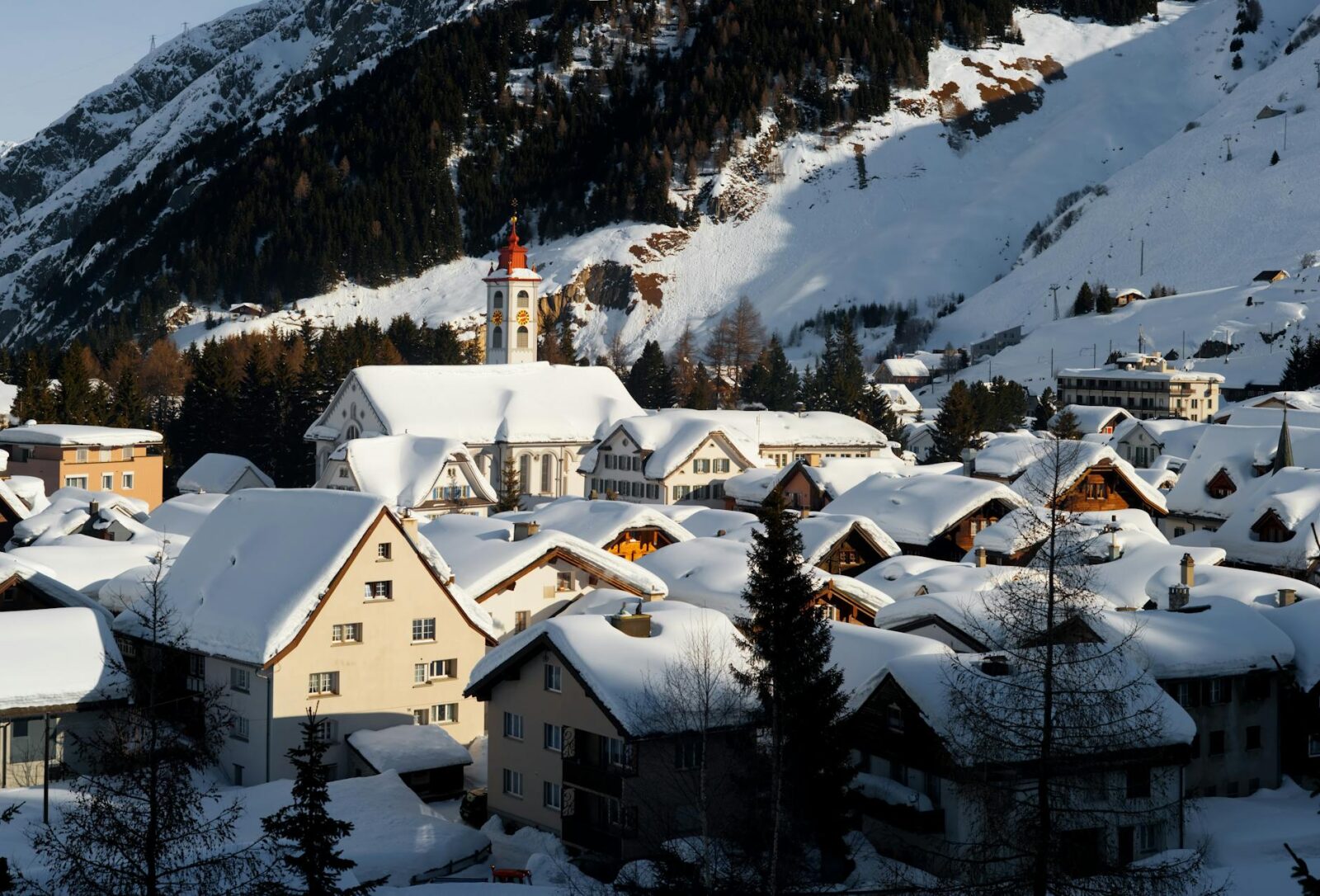
Switzerland’s $25,000 Cash for New Residents Under 45
The Alpine village of Albinen, Switzerland, is handing out a staggering $25,000 grant to anyone under 45 who moves there and stays for 10 years. Picture waking up to snow-capped peaks, fresh mountain air, and a paycheck just for choosing this hidden gem over city chaos. This isn’t a vacation handout—it’s a bold strategy to reverse a youth exodus that’s left the village aging fast.
Back in the early 2010s, Albinen’s population plummeted as young families fled for jobs in Zurich or Geneva, leaving empty homes and fading traditions. Local leaders launched this program in 2017, tying the cash to full-time residency and even adding $10,000 per child to sweeten the deal for parents. Travelers eyeing a longer stay can use this as a launchpad: fly into Geneva, rent a car for the 2-hour drive through winding passes, and explore cheese fondue festivals while plotting your eligibility.
For visitors first, hike the Rhone Valley trails or ski world-class slopes nearby—then consider the grant if Europe calls you home. Requirements include buying or building a home worth at least $200,000, but the scenery alone justifies the paperwork. Seasoned travelers report this mix of cash and culture makes Albinen a top ‘test-drive’ spot for 2026 relocations.
Italy’s €2,000+ Welcome Bonus in Tiny Candela
In the sun-baked hills of southern Italy, Candela offers up to €2,000 ($2,150 USD) per family member to new residents who commit to local work and housing. Imagine sipping espresso in a medieval piazza, your relocation funded by a village desperate to revive its heartbeat. This 2026 incentive targets remote workers and families, turning depopulation into opportunity.
Candela’s story traces to post-WWII migration waves that emptied its stone houses, much like rural Italy’s broader crisis where over 2,000 villages face ghost-town status. The program demands a minimum €7,500 annual salary from a local job and full residency via rent or purchase. Budget travelers can start with a €50 Ryanair flight to Bari, then a scenic bus ride to taste Puglian orecchiette pasta before applying.
Practical perks include olive groves for weekend harvests and Adriatic beaches 45 minutes away. Our research shows applicants often secure remote gigs in tech or translation to meet income rules. For 2026 visitors, it’s a gateway to authentic Italy—far from tourist traps—with cash waiting if you extend your stay.
Spain’s €3,000 Per Person in Asturian Paradise Ponga
Ponga, Spain, a lush Asturias village, pays €3,000 ($3,230 USD) per adult and another €3,000 per child to relocate families who stay five years. Nestled amid green peaks and wild horses, it’s like getting paid to live in a postcard. This counters a 50% population drop since the 1960s, breathing life into ancient Celtic heritage.
The rugged Ponga Natural Park offers free hiking, cheesemaking workshops, and fabada stew feasts—perfect for food-loving nomads. Eligibility is straightforward: move in, commit long-term, and embrace rural rhythms. Fly to Santander for $100, rent a car for the 90-minute twisty drive, and sample sidra cider pours mid-air for an unforgettable intro.
Travelers report Ponga as underrated versus Barcelona crowds, with bear-spotting tours adding thrill. The grant covers initial costs like a €300/month stone cottage rental. In 2026, it’s ideal for Europeans or visa-free visitors testing mountain life before cashing in.
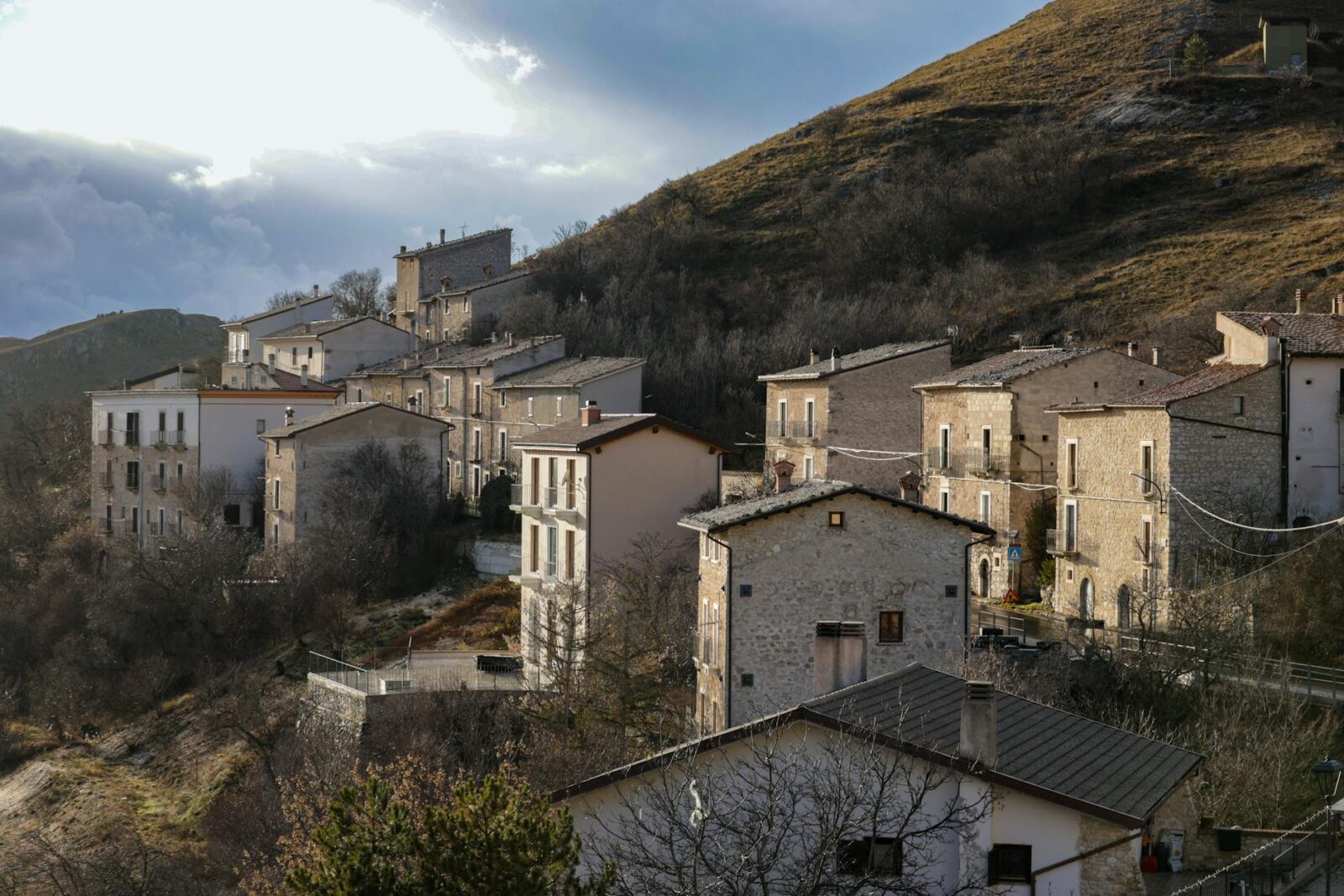
Chile’s Entrepreneur Visa Funds Your Startup Dream
South America’s adventure hub, Chile, funds business startups via its Start-Up Chile program, offering up to $40,000 equity-free plus a 12-month visa for global innovators. Trade skyscrapers for Atacama Desert stars and Patagonia fjords—all subsidized. Launched in 2010, it has backed 2,000+ ventures to position Chile as Latin America’s Silicon Valley.
From entrepreneurs in Nigeria to Filipinos, applicants pitch ideas in tech, eco-tourism, or agritech. Practical steps: apply online, win equity or grants, then jet into Santiago for $600 from Asia. Hike Torres del Paine or surf Pacific waves while networking at free accelerators.
Visitors without businesses can road-trip the Pan-American Highway first. Our experts note 80% of winners extend stays, blending travel with profit. For 2026, it’s a no-brainer for ambitious Asians or Middle Easterners seeking visa-backed adventure.
Ireland’s €84,000 Island Renovation Jackpot
Off Ireland’s wild coast, 23 designated islands offer up to €84,000 ($90,500 USD) grants to renovate derelict homes, drawing digital nomads to emerald cliffs. Think Aran Islands sweaters, turf fires, and Atlantic gales—paid to restore history. This tackles rural decline, with programs since the 2010s prioritizing structural fixes.
Buy a fixer-upper for €50,000, claim grants for roofs and wiring, then work remotely amid sheep-dotted fields. Fly to Galway ($400 from Dubai), ferry out for pub sessions with uilleann pipes. Families from India report seamless remote setups with Starlink.
Start as tourists: cycle Ring of Kerry, then scout properties. The grant requires five-year residency, but scenery like Cliffs of Moher seals the deal. 2026 sees rising interest from UAE expats eyeing EU access.
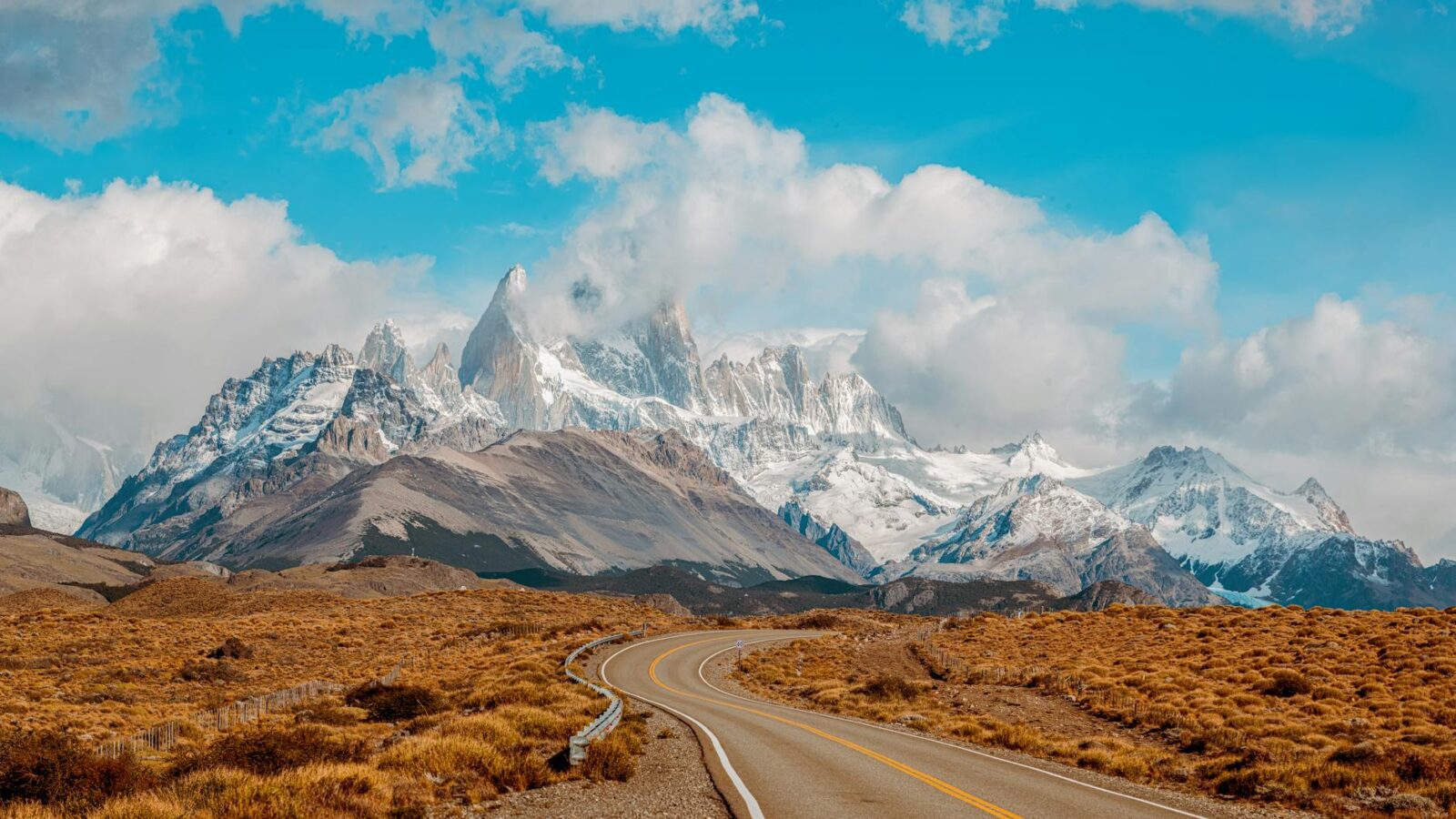
New Zealand’s $36,000 Global Impact Visa
New Zealand grants up to NZ$36,000 ($21,000 USD) via its Global Impact Visa for entrepreneurs tackling social or green issues, with a 3-year stay. Swap urban grind for Lord of the Rings landscapes and Maori culture—government-backed. Rolled out recently, it aims for innovative growth post-pandemic.
Pitch eco-tourism or climate tech; winners get mentorship in Auckland or Queenstown. Flights from Manila run $800; hike Milford Sound or bungee in Taupo first. Filipinos and Indonesians thrive here with English ease.
Digital nomads visit via tourist visa, then apply. Experts say blending adventure with funding creates instant networks. Perfect 2026 move for Southeast Asians.
Alaska’s Annual $3,284 Mineral Revenue Payout
U.S. residents moving to Alaska snag $3,284 yearly from the Permanent Fund Dividend, sharing oil riches since 1982. Live amid glaciers, grizzlies, and northern lights—endlessly funded. Over 600,000 claim it annually, funding full-year stays.
Relocate to Anchorage or Fairbanks; no job needed beyond residency. Flights from L.A. $300; fish salmon or dog-sled in Denali. Global travelers note summer midnight sun magic.
For non-U.S., pair with work visas. It’s practical income atop $80,000 median salaries. 2026’s call for remote workers from Philippines or Nigeria.
West Virginia’s $12,000 Remote Worker Bonus
West Virginia pays remote U.S. workers up to $12,000 to relocate, unlocking Appalachian trails and New River Gorge. Launched amid brain drain, it targets freelancers 18+ with out-of-state jobs.
Apply, move to areas like Lewisburg, get cash in phases. Flights to Charleston $200; raft class V rapids or bluegrass festivals. Indians with H1Bs love the outdoors.
Visitors hike first; program boosts local economies. Ideal 2026 pivot for global remotes.
Mauritius’ $440 Startup Seed for Island Businesses
Indian Ocean’s Mauritius gives 20,000 MUR ($440 USD) to startups relocating, plus tax perks amid beaches and volcanoes. Post-colonial growth draws African and Asian ventures.
Pitch to committees; enjoy dholl puri street food. Flights from Dubai $400; snorkel coral reefs.
Nomads extend easily. 2026 hotspot for Middle East entrepreneurs.
Denmark’s Free Welfare Access for Relocators
Denmark offers top healthcare and education to skilled movers via work visas—no direct cash, but priceless perks. Hygge life in Copenhagen draws families.
Secure jobs in green tech; bike canals, eat smørrebrød. Flights from India $700.
2026’s stable haven for skilled Asians.
Practical Takeaways for 2026 Travelers
Start with tourist visas to test vibes—many programs allow scouting trips. Budget $1,000-2,000 for initial flights and stays; grants offset long-term costs. Check official sites like chile.gob.cl or albinen.ch for updates; prepare docs like proof of funds or business plans early.
Remote workers from Nigeria, Philippines, or UAE qualify broadly—focus on under-45 family incentives. Blend visits with applications for seamless transitions. Track exchange rates; USD figures hold steady.
Frequently Asked Questions
Do I need to be EU/US citizen for these programs? No—most welcome global applicants with proper visas, like Chile’s entrepreneur route or New Zealand’s GIVs. Always verify nationality rules on official government portals.
What’s the biggest catch? Residency commitments (5-10 years) and income proofs. Read fine print to avoid repayment clauses, as in Albinen’s 10-year rule.
Can families with kids apply? Yes—many boost offers, like Ponga’s child grants or Albinen’s extras. Schools and healthcare often included.
How to apply from Asia/Middle East? Online portals; flights affordable via hubs like Dubai. English suffices in most.
Are these still active in 2026? Yes, per latest guides—monitor for budgets. Similar programs persist amid depopulation trends.
Stay informed with the latest travel news, visa updates, and destination guides. Follow HimalayanCrest.com for weekly travel intelligence delivered by our editorial team.