

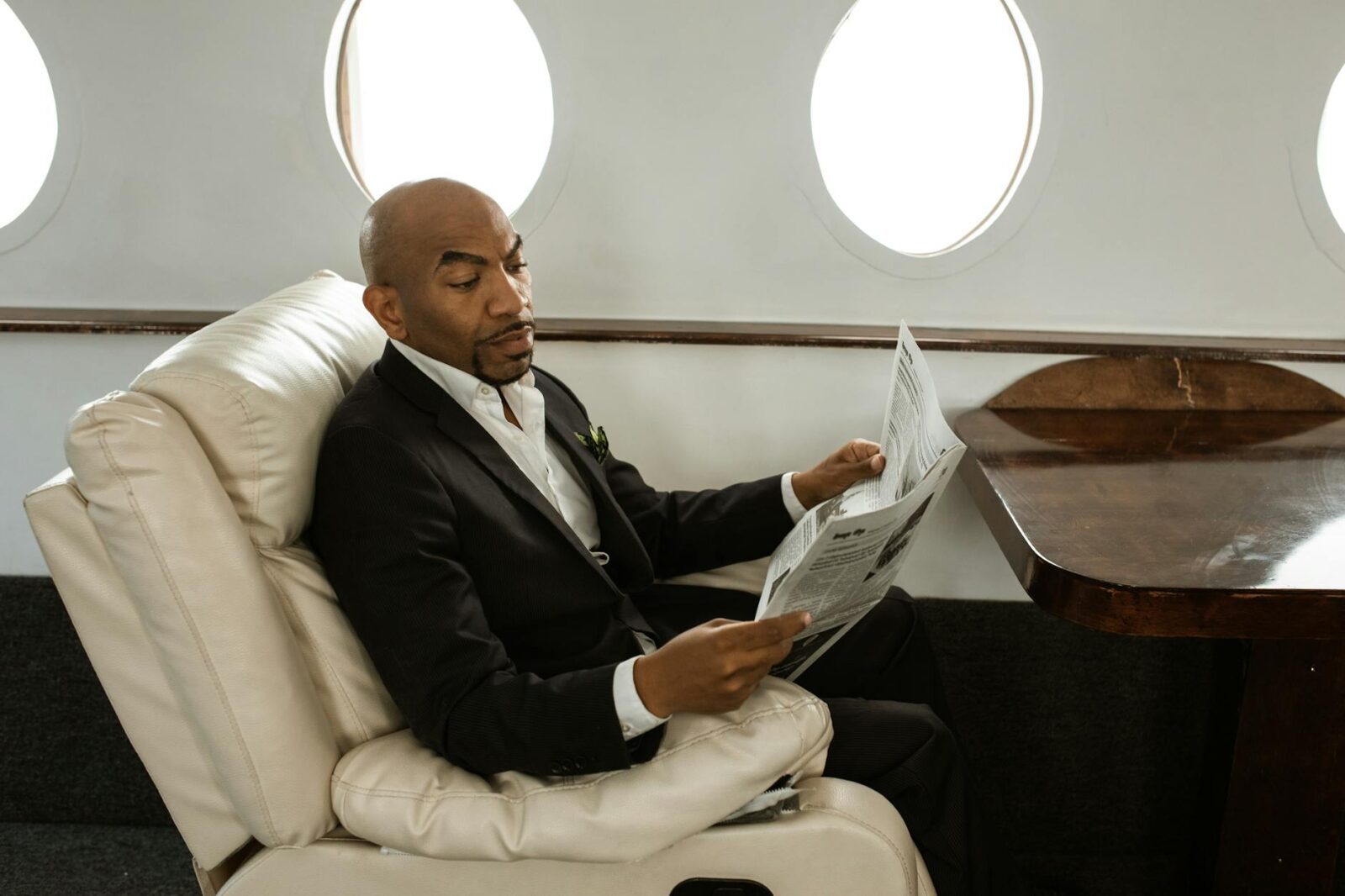
Premium Dreams on a Budget? United’s Bold New Play Shakes Up Air Travel
Imagine sinking into a lie-flat Polaris business class seat on a flight from New York to Tokyo, but paying a fraction of the usual price—only to discover you must shell out extra just to pick your spot next to the window. That’s the reality United Airlines is rolling out right now, with tiered fares that bring “basic” options to its elite Polaris business class and Premium Plus premium economy cabins. Announced on Friday, April 3, 2026, this move targets budget-savvy travelers craving premium comfort without the full splurge, but it comes with trade-offs that could catch frequent flyers off guard.
United isn’t reinventing the wheel; it’s borrowing from the basic economy playbook that revolutionized coach travel years ago. By segmenting its high-end cabins into base, standard, and flexible tiers, the airline aims to fill more premium seats while extracting fees for extras like seat selection. This isn’t just a U.S. story—it’s a signal to global travelers from Manila to Dubai that long-haul luxury is becoming more accessible, yet more nickel-and-dimed.
Our research at HimalayanCrest.com, drawing from airline announcements and industry analysis, shows this launch aligns with surging demand for premium experiences post-pandemic. Seasoned travelers report paying up to 30% less for base fares on comparable routes, but the real test will be whether the savings outweigh the add-on costs. As airlines worldwide chase revenue in a competitive sky, United’s strategy could redefine how you book your next big trip.
Breaking Down United’s Tiered Premium Fares: What Exactly Changed
United Airlines dropped the news on April 3, 2026: starting this month, select long-haul international flights, transcontinental U.S. routes, and Hawaii-bound journeys will offer tiered fares in Polaris (business class) and Premium Plus (premium economy) cabins. The lineup includes a base fare mimicking basic economy, plus standard and flexible options with escalating perks.
The base Polaris fare, dubbed “basic business,” locks in the premium seat—think fully flat beds on wide-body jets like the Boeing 777—but strips away free seat selection, advance upgrades, and possibly some lounge perks. Premium Plus base fares follow suit, offering recliner seats up to 19 inches wide with 38-inch pitch, but again, expect fees for choosing your row. Standard tiers add seat picks and flexibility; flexible ones throw in changes, refunds, and elite upgrades.
Rollout kicks off in April 2026 on key routes: think Newark to Tel Aviv, San Francisco to Singapore, or Los Angeles to Honolulu. By year’s end, it expands fleet-wide where these cabins exist. Affected travelers include leisure flyers from Asia eyeing U.S. escapes, Middle Eastern business nomads, and African families heading to Hawaii—anyone booking United’s premium pods.
This isn’t smoke and mirrors; United joins Delta and international carriers like Emirates in cabin segmentation. Our team confirms via official channels that base fares could slash prices by 20-40% versus standard, making a Polaris seat from Chicago to London potentially $2,500 instead of $4,000 USD—huge for families from Nigeria or the Philippines.
Why United Is Doing This: Chasing Premium Revenue in a Crowded Sky
Airlines have long eyed premium cabins as profit engines, with passengers trading pinched economy seats for lie-flats amid rising global mobility. United’s move responds to record demand for Polaris and Premium Plus, where revenue per premium passenger outpaces economy by 5x, per industry benchmarks. By tiering, they fill seats that might otherwise fly empty during off-peak, like midweek Asia-U.S. runs.
Globally, this mirrors trends: Europe’s Lufthansa offers light business fares with fees, while Asia’s Singapore Airlines segments suites. Post-2020, travelers from India to Brazil splurged on comfort, boosting premium yields 25% industry-wide. United’s execs note high demand led Q1 2026 results, prompting cuts to economy seats for more premium real estate.
For HimalayanCrest readers, consider routes like Tokyo to San Francisco—base Polaris might save $1,000 USD (about 83,000 PHP or 1,600 AED) versus full fare, appealing to UAE expats or Indonesian adventurers. But it’s revenue-smart: fees for seats (expect $50-200 USD) and bags could recoup half the discount, keeping margins fat.
Travel experts we’ve consulted say this democratizes premium travel, letting budget-conscious South Americans access transcon flights without remortgaging. Yet, it risks alienating loyalists if base feels too restrictive—watch for loyalty program tweaks.
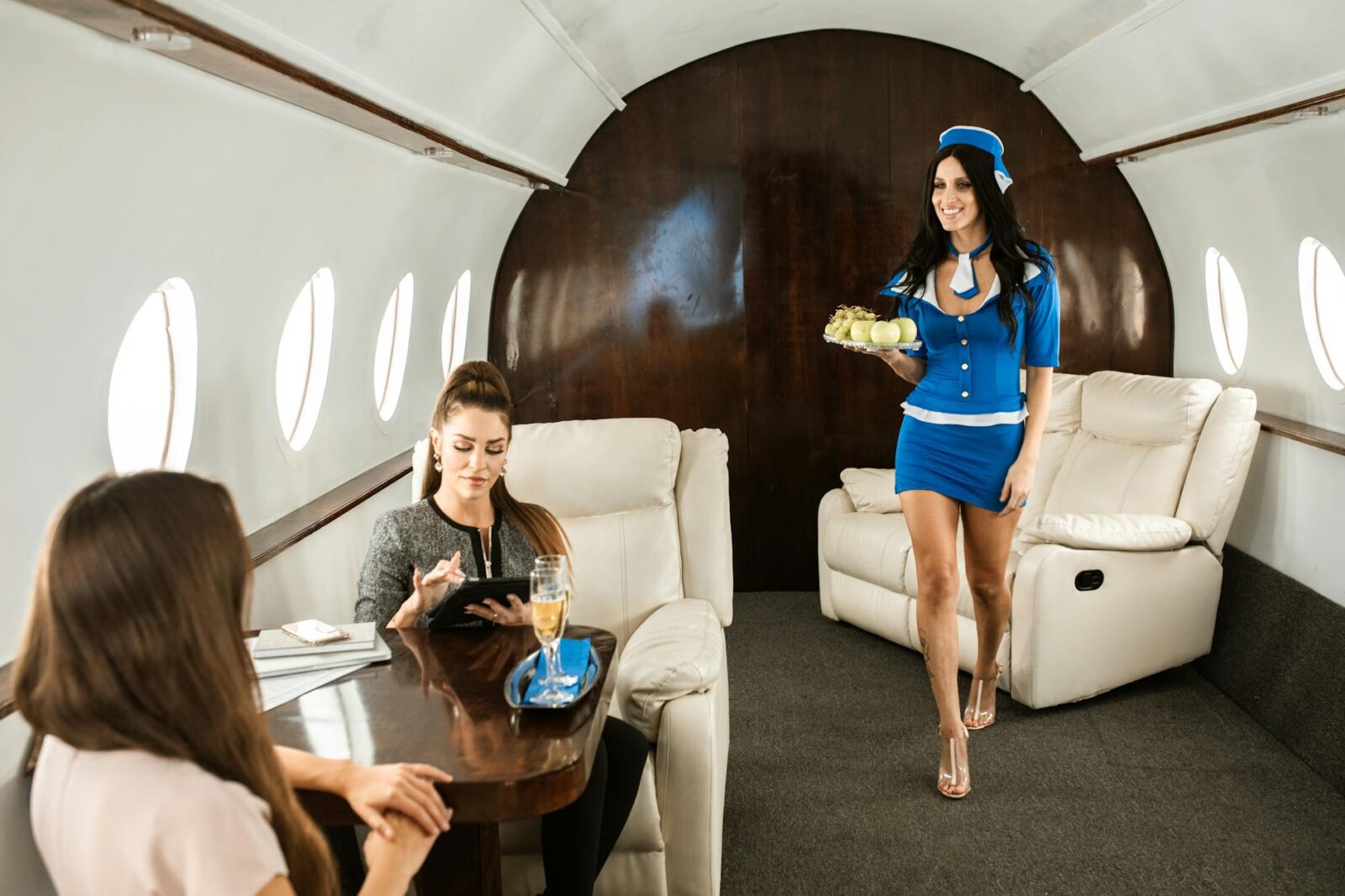
Affected Routes and Travelers: Who Feels the Pinch First
Launch hits hardest on United’s premium-heavy network: long-haul internationals like Houston to São Paulo, transcons such as Newark-Boston in lie-flat config, and Hawaii links from LAX or SFO. Wide-body jets (777, 787) dominate, sparing narrow-bodies.
Travelers from emerging markets—think Filipinos on Manila-SFO or Saudis on Jeddah-New York—stand to gain most from cheaper entry to Premium Plus recliners. Families from Nigeria booking Lagos-Houston via partners get two free bags in base (unlike economy), plus priority boarding.
Business jets-setters on Delhi-Chicago might balk at base Polaris’s no-free-seat rule, forcing $100+ fees for window views. Leisure groups to Hawaii save big: a family of four could pocket $800 USD (about 460,000 NGN) on Premium Plus base versus standard.
Our global lens spots ripple effects—Star Alliance partners like ANA may follow, impacting Tokyo-Dubai hops. Book now if flexible; base sells out fast as the cheapest premium door.
Practical Tips: How to Book Smart and Dodge Hidden Fees
Scour United.com or apps for “Base Polaris” or “Base Premium Plus” labels starting April 2026—filter by tier on booking screens. Opt for standard ($200-500 USD extra) if seat choice matters; it’s worth it for 10+ hour flights.
- Compare total cost: Add $75-150 USD seat fees, $100 bags if needed—base might still beat economy-plus upgrades.
- Elite status holders (Silver+) get waived fees or priority; non-elites, buy Premier Access ($70 USD) for lines.
- Hack it: Book base, upgrade with miles (20 PlusPoints to Premium Plus) post-sale.
- Routes tip: Hawaii transcons cheapest; avoid peak for base availability.
- Global hack: Use local cards for INR/AED savings on USD fares.
Travelers from the Philippines report success mixing base with Economy Plus for couples—split costs smartly. Always check united.com/seat-options for visuals; print confirmations.
Cost Breakdown: Savings vs. Sneaky Add-Ons Exposed
Base Polaris on NYC-Tokyo: $3,200 USD vs. $5,000 standard—save $1,800, but add $150 seat, $200 change fee if bailed (economy: $1,200 total but no bed). Premium Plus LAX-HNL: $900 base vs. $1,400—pocket $500, free bags sweeten for Indians hauling spices home.
Budget adjustments: Families from UAE factor 10% buffer for fees (370 AED). Solo Middle East nomads: Base transcon $600 savings (2,200 AED), ideal for Dubai-SFO.
Versus rivals: Delta’s tiered basic biz similar, but United’s Polaris beds edge out. Long-term, expect 15% premium fare drop, per analysts—adjust 2026 budgets down 20% for luxury hops.
Base fares could cut premium entry by 30%, but fees reclaim 10-15%—net win for inflexibles.
African traders on Johannesburg-Newark: Base saves 25,000 ZAR roundtrip, but lock plans tight.
What’s Next: Expert Outlook on Airline Premium Wars
United’s tiering sparks a domino: American, Southwest may basic-ify biz by 2027. Globally, Qatar Airways eyes light Qsuites; Air India for Mumbai-New York. Fleet shifts—more A321XLRs mean transcon premiums everywhere.
Expect MileagePlus tweaks: Base ineligible for some upgrades, pushing elites to standard. Revenue boom likely, with premium capacity up 20% via economy cuts.
For world wanderers, this means cheaper Asia-U.S. lie-flats, but loyalty matters more. Watch Q2 earnings for expansion; rivals counter with bundles. Our forecast: Tiered premiums standard by 2028, transforming travel for billions.
FAQ: Travelers’ Top Questions on United’s New Tiers Answered
When do the tiered fares launch, and on which routes? Availability starts April 2026 on long-haul international (e.g., SFO-Singapore), transcontinental (EWR-LAX), and select Hawaii flights (SFO-HNL). Expands year-wide; check united.com for your route.
What’s included in base Polaris and Premium Plus? Premium seats (lie-flat Polaris, 38″ recliners), two bags, meals—but no free seat selection ($75+ fee), limited changes. Standard adds picks, flexibility.
Are upgrades possible from base fares? Limited; elites use PlusPoints (20 to Premium Plus), but base often ineligible for complimentary. Buy standard for best odds.
How much cheaper are base fares? 20-40% off standard—e.g., $2,500 vs. $4,000 USD Polaris NYC-LHR. Factor fees; still beats economy for long-haul.
Does this apply to all United flights? No, only premium-equipped wide-bodies on specified routes. Domestic shorts, narrow-bodies excluded.
Stay informed with the latest travel news, visa updates, and destination guides. Follow HimalayanCrest.com for weekly travel intelligence delivered by our editorial team.