

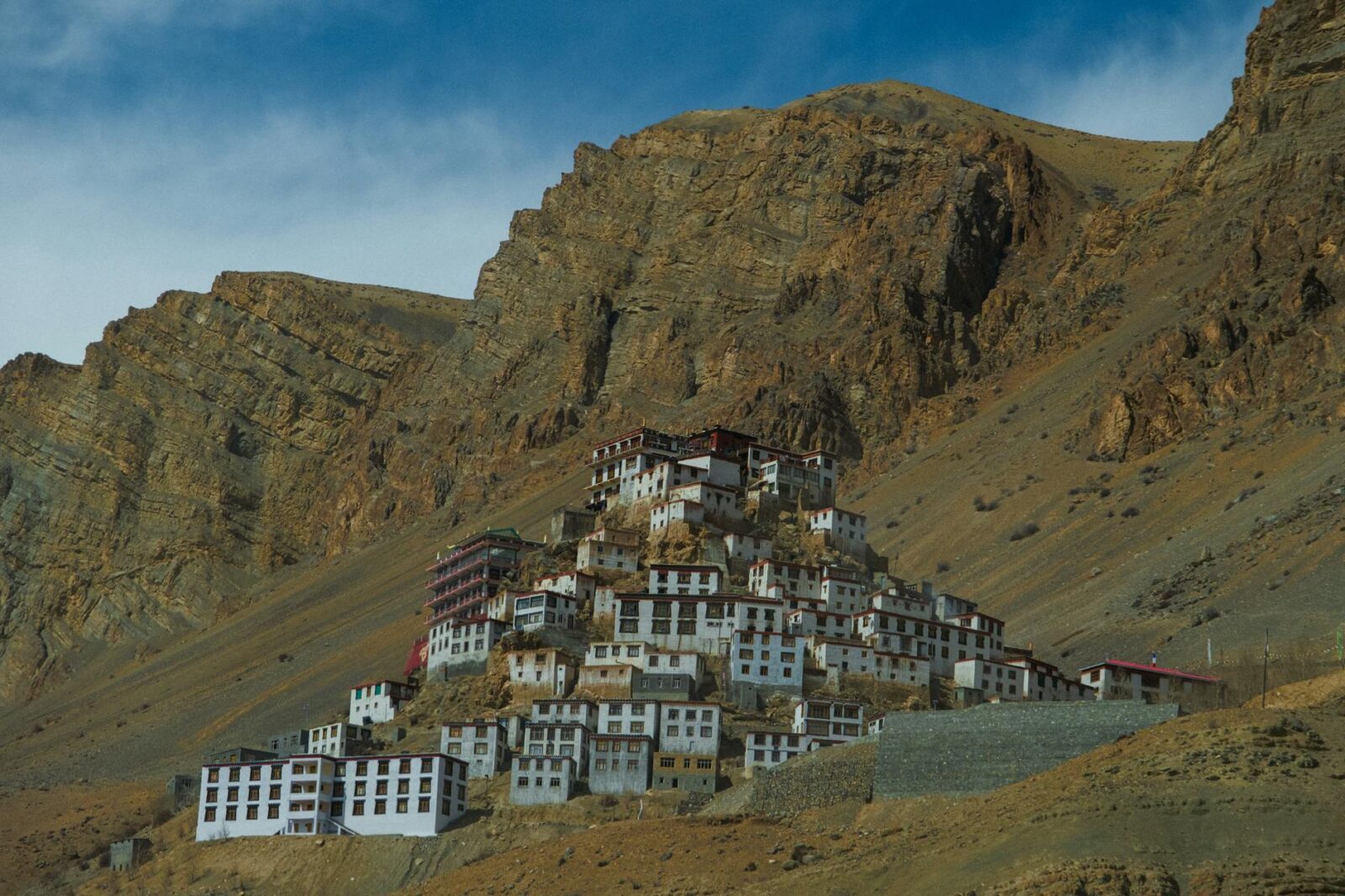
The Allure of Hidden Monasteries
Imagine standing at the edge of a cliff in the Himalayan highlands, the sound of a monastery bell echoing through the valleys, its chime mingling with the whispers of the wind. The Himalayas, known for their breathtaking panoramas and spiritual sanctuaries, house hidden monasteries and temples that offer not just stunning views but profound peace and reflection. These sacred sites, often tucked away from the beaten path, invite trekkers to explore not just the physical terrain, but also the depths of their own spirituality.
Unearthing the Path: Route Overview
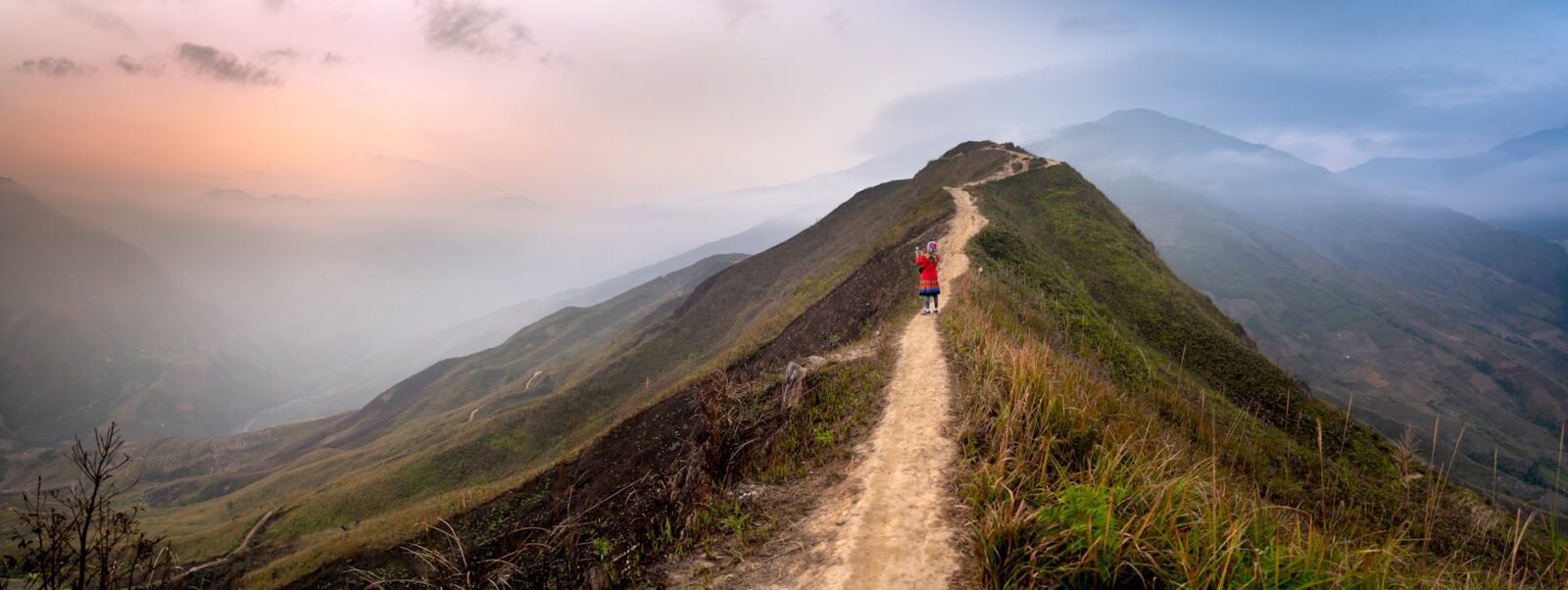
The journey to these hidden sanctuaries is as challenging as it is rewarding. Trekking routes like the Manaslu and Tsum Valley Circuit, renowned for their solitude and natural beauty, require a medium to high fitness level. The trek spans approximately 14 to 21 days, covering altitudes that soar up to 5,160 meters (16,929 feet) at the Larkya La Pass. While these trails demand stamina, they promise an adventure through some of the most pristine landscapes the Himalayas have to offer.
Stage-by-Stage Trekking Itinerary
The trek typically begins in the town of Arughat or Soti Khola, with trekkers gradually ascending to higher altitudes. Key stages include:
- Day 1-3: Arughat to Machha Khola, covering approximately 30 km with moderate altitude gains.
- Day 4-6: Machha Khola to Namrung, traversing 45 km through dense forests and terraced fields.
- Day 7-10: Namrung to Samagaun, reaching the base of Manaslu with stunning views of the snowy peaks.
- Day 11-14: Exploration of the Tsum Valley, including visits to Gumba Lungdang and Mu Gompa.
- Day 15-18: Samagaun to Larkya La Pass and descent to Bimthang, a challenging stretch with steep ascents.
Choosing the Best Time to Trek
The best time to explore these hidden temples and monasteries is during the pre-monsoon (March to May) and post-monsoon (September to November) seasons. These periods offer clear skies and moderate temperatures, although trails can become crowded. Winter treks (December to February) offer solitude but come with harsh conditions, while the monsoon season (June to August) poses risks of landslides and leeches.
Permits and Costs
Trekking in these regions requires permits, including a TIMS card and a Manaslu Conservation Area Permit, costing approximately $70 USD. Additional fees for entering Tsum Valley are around $40 USD. These permits can be arranged in Kathmandu, and it is crucial to carry them at all times during the trek.
Essential Gear for the Trek
Gear selection can make or break your trek. Essentials include a high-quality sleeping bag rated for low temperatures, layered clothing suitable for varying weather, sturdy trekking boots, and a reliable backpack. Don’t forget water purification tablets and a first aid kit. For the best experience, consider hiring a local guide who can navigate the trails and provide cultural insights.
Accommodation and Costs
Teahouses along the trail offer basic accommodations at $5-10 USD per night. Meals cost around $10-15 USD per day. Hiring a porter costs approximately $20 USD per day. Tipping, while not mandatory, is appreciated; a general guideline is 10% of the total cost.
Staying Safe: Altitude and Health Considerations
Altitude sickness is a serious risk above 2,500 meters. Gradual ascent, staying hydrated, and acclimatization days are crucial. It is wise to carry altitude sickness medication and ensure you have evacuation insurance. Water sources should be treated or boiled to avoid illness.
Respecting Local Customs and Sustainability
Monastery visits require respectful attire—covering arms and legs—and a quiet demeanor. Photography inside temples is often prohibited. As you trek, follow Leave No Trace principles to preserve the environment. Supporting local businesses and hiring guides promotes sustainable tourism.
Frequently Asked Questions
What is the best time to visit the hidden monasteries?
The ideal time is during the pre-monsoon (March to May) and post-monsoon (September to November) seasons.
How difficult is the trek?
The trek is moderately difficult, requiring a good fitness level and experience with high-altitude trekking.
Are guides necessary for the trek?
While not mandatory, hiring a guide is recommended for navigation, cultural insights, and safety.
What permits are required?
Permits include a TIMS card and Manaslu Conservation Area Permit, costing around $70 USD, with additional fees for Tsum Valley access.
How do I prevent altitude sickness?
Prevent altitude sickness by ascending gradually, staying hydrated, and including acclimatization days in your itinerary.
Conclusion
The hidden temples and monasteries of the Himalayas offer a trek through history, spirituality, and nature’s raw beauty. As you journey through these sacred landscapes, respect the traditions and stories that these mountains hold. Share your experiences, and inspire others to explore these profound Himalayan gems.
Stay informed with the latest travel news, visa updates, and destination guides. Follow HimalayanCrest.com for weekly travel intelligence delivered by our editorial team.