

A Glimpse into the Himalayan Majesty
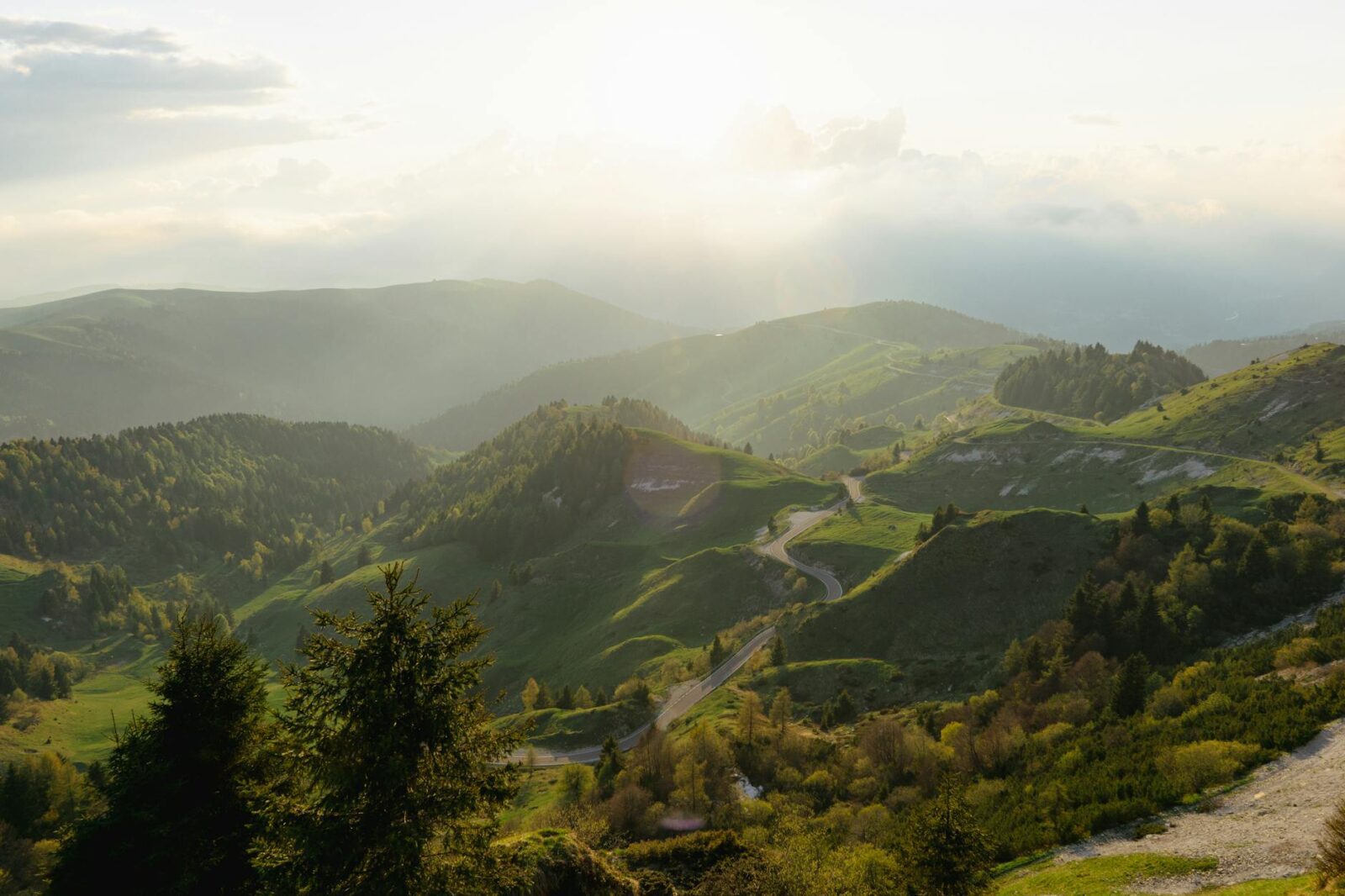
Imagine the crisp morning air as you stand at the edge of a verdant valley, the distant ring of a monastery bell echoing across the mountains. This is the Himalayas, where even the simplest path offers a journey into the heart of nature’s grandeur. For beginners, the Himalayas might seem daunting, but several routes offer both accessibility and awe-inspiring beauty.
The Ghorepani Poon Hill Trek: A Beginner’s Dream
The Ghorepani Poon Hill Trek is perfect for those new to trekking, providing a manageable yet rewarding experience. With a maximum altitude of 3,210 meters, it spans 4 to 5 days, making it ideal for families and travelers with limited time. This trek offers panoramic views of Annapurna and Dhaulagiri ranges, with trails winding through charming Gurung villages.
Day-by-Day Itinerary
Day 1: Pokhara to Nayapul, then trek to Tikhedhunga (1,577m), covering 10km. Day 2: Tikhedhunga to Ghorepani (2,874m), a 13km trek through lush rhododendron forests. Day 3: Early morning hike to Poon Hill (3,210m) for sunrise views, then descend to Tadapani (2,610m). Day 4: Tadapani to Ghandruk (1,940m), a picturesque village, before heading back to Nayapul and Pokhara.
Best Seasons to Embark
For the Ghorepani Poon Hill Trek, the best seasons are spring (March to May) and autumn (September to November). Spring offers vibrant rhododendron blooms, while autumn provides clear skies for unobstructed mountain views. The monsoon season (June to August) can bring slippery trails and leeches, while winter (December to February) might have snowy paths, adding an element of challenge.
Permits and Costs
To trek in the Annapurna region, you need a TIMS card (USD 10) and an Annapurna Conservation Area Permit (USD 30). These permits are crucial for safety and conservation efforts. It’s advisable to obtain these from the Nepal Tourism Board in Kathmandu or Pokhara before setting out.
Essential Gear for a Successful Trek
Pack light yet prepare for varying weather. Essentials include sturdy hiking boots, a warm sleeping bag, layered clothing, a rain jacket, and a reliable backpack. A water purification system, such as tablets or a filter, is vital for safe hydration. Also, include a basic first-aid kit and trekking poles for support.
Accommodation and Local Insights
Teahouses along the route offer basic accommodation and meals, costing around USD 20-30 per day. Hiring a guide or porter can enrich your experience and ease your journey, with costs ranging from USD 20-25 per day. Tipping is customary, with USD 5-10 per day appreciated for good service.
Health Precautions and Safety Measures
Altitude sickness is a concern even at moderate elevations. Acclimatize gradually and stay hydrated. If symptoms arise, descend immediately. Evacuation insurance is recommended, covering costs up to USD 50,000 for emergencies. Ensure your policy includes trekking activities.
Cultural Etiquette and Sustainable Practices
Respect local customs, such as removing shoes before entering homes and temples. Dress modestly, especially in rural areas. To protect the environment, carry out all waste and use refillable water bottles. Support local economies by choosing locally-owned lodges and services.
FAQ
How fit do I need to be for the Ghorepani Poon Hill Trek?
Basic fitness is required, as the trek involves daily walking of 4-6 hours. Regular walking or cardio exercises before the trek can enhance your experience.
Can I trek solo?
While solo trekking is possible, hiring a guide offers safety and cultural insights. Solo trekking rules are updated frequently, so check current regulations before planning.
What are the accommodation options?
Teahouses provide basic amenities with meals. It’s advisable to book in advance during peak seasons to ensure availability.
What kind of food is available on the trek?
Expect local Nepali dishes such as dal bhat, noodles, and soups. Vegetarian options are common, and it’s best to avoid meat for freshness concerns.
Is Wi-Fi available on the trek?
Wi-Fi is available in most teahouses, though service can be unreliable. It’s a great opportunity to disconnect and immerse yourself in nature.
Stay informed with the latest travel news, visa updates, and destination guides. Follow HimalayanCrest.com for weekly travel intelligence delivered by our editorial team.