

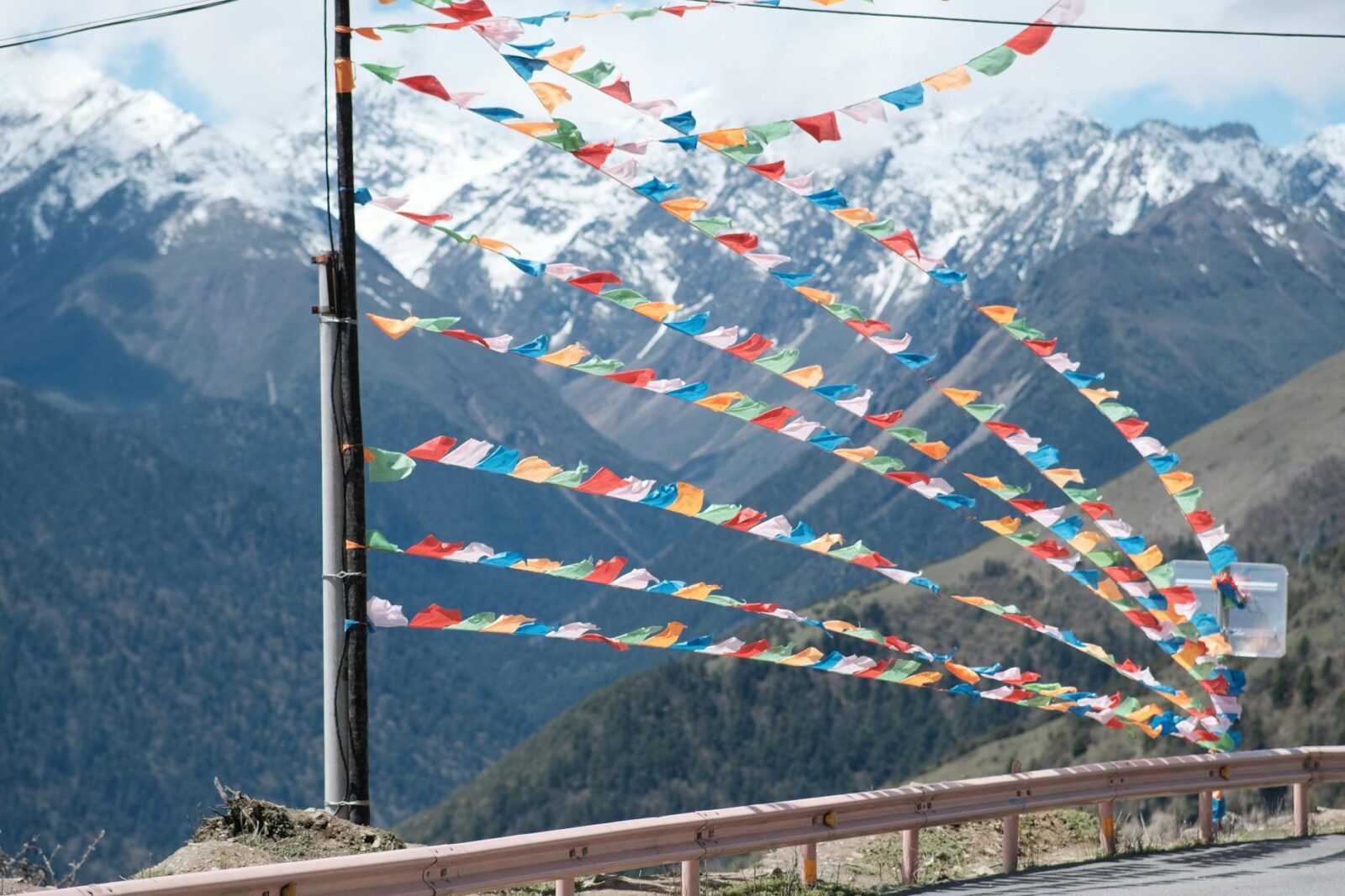
Dawn Breaks Over Thorong La Pass
Imagine standing at 5,416 meters on Thorong La Pass, the crisp air biting as the first rays of sun ignite the Annapurna massif in golden fire. Wind whips through prayer flags, carrying the distant chime of monastery bells from Mustang below. This is the raw thrill of the Annapurna Circuit—a trek that circles an entire Himalayan range, blending high passes, ancient villages, and subtropical valleys into one epic loop. Just 200 kilometers east, Everest Base Camp draws dreamers to the world’s highest peak, but with steeper risks and narrower paths. Our 20 years tracking Nepal’s trails reveal why thousands choose one over the other each year: it’s not just mountains, it’s matching your fitness, time, and dreams to the right adventure.
Both treks transformed from rugged expeditions into teahouse classics, thanks to Nepal’s post-1950s mountaineering boom. The Annapurna Circuit, pioneered in the 1970s, loops 160-230 km around Annapurna I (8,091m), hitting diverse ecosystems from rhododendron forests to Tibetan plateaus. Everest Base Camp, iconic since Edmund Hillary’s 1953 ascent, covers 130 km out-and-back to 5,364 meters, passing Sherpa heartlands and Kala Patthar viewpoint at 5,555 meters. Seasoned travelers report Annapurna feels more varied and forgiving, while Everest packs mythic punch—but higher altitude sickness odds. Today in 2026, with roads encroaching on Annapurna and Lukla flights still dicey, picking wisely saves your wallet and wellbeing.
These routes suit different souls: families or time-crunched adventurers lean Annapurna for its loop and lower max altitude; peak-baggers chase Everest’s Everest. Whichever calls, preparation turns challenge into triumph—pack right, acclimatize smart, and trek sustainable.
Annapurna Circuit: The Ultimate Himalayan Loop
The Annapurna Circuit traces a counterclockwise horseshoe around the Annapurna massif, starting from Besisahar (760m) near Pokhara and ending in Jomsom or beyond. Spanning 160-230 km over 14-21 days, it crests Thorong La Pass at 5,416 meters—the trek’s roof—demanding strong cardio and knee endurance for endless ascents. Fitness needs match moderate-strenuous levels: train with 10-15 km hikes carrying 10 kg weekly for two months, focusing on stairs and hills to mimic the 4,000+ meter gains. It’s less technically tough than Everest but longer, with road sections post-2014 earthquake shortening some wild stretches.
Day-by-day, expect these stages: Days 1-2 from Besisahar to Chame (2,670m, 17 km, +1,900m gain) through terraced fields and Manangi villages. Days 3-5 climb to Pisang (3,300m) via apple orchards, then Ngawal for acclimatization. The heart-pounder: Day 10 over Thorong La (9-12 hours, 1,000m up), descending to Muktinath (3,800m). Final days ease via Kagbeni to Jomsom, jeepable out. Total elevation gain hits 10,000 meters, but two rest days cut acute mountain sickness (AMS) risk versus Everest’s single pause. Diverse scenery—subtropical lowlands to arid highlands—keeps it fresh.
For beginners, shorten to 14 days by jeep-skipping early roads; elites extend to 21 with side trips like Tilicho Lake (4,919m). Women trekkers love the cultural immersion in Gurung and Thakali homes, serving buckwheat pancakes for $2 USD.
Everest Base Camp: Chasing the Roof of the World
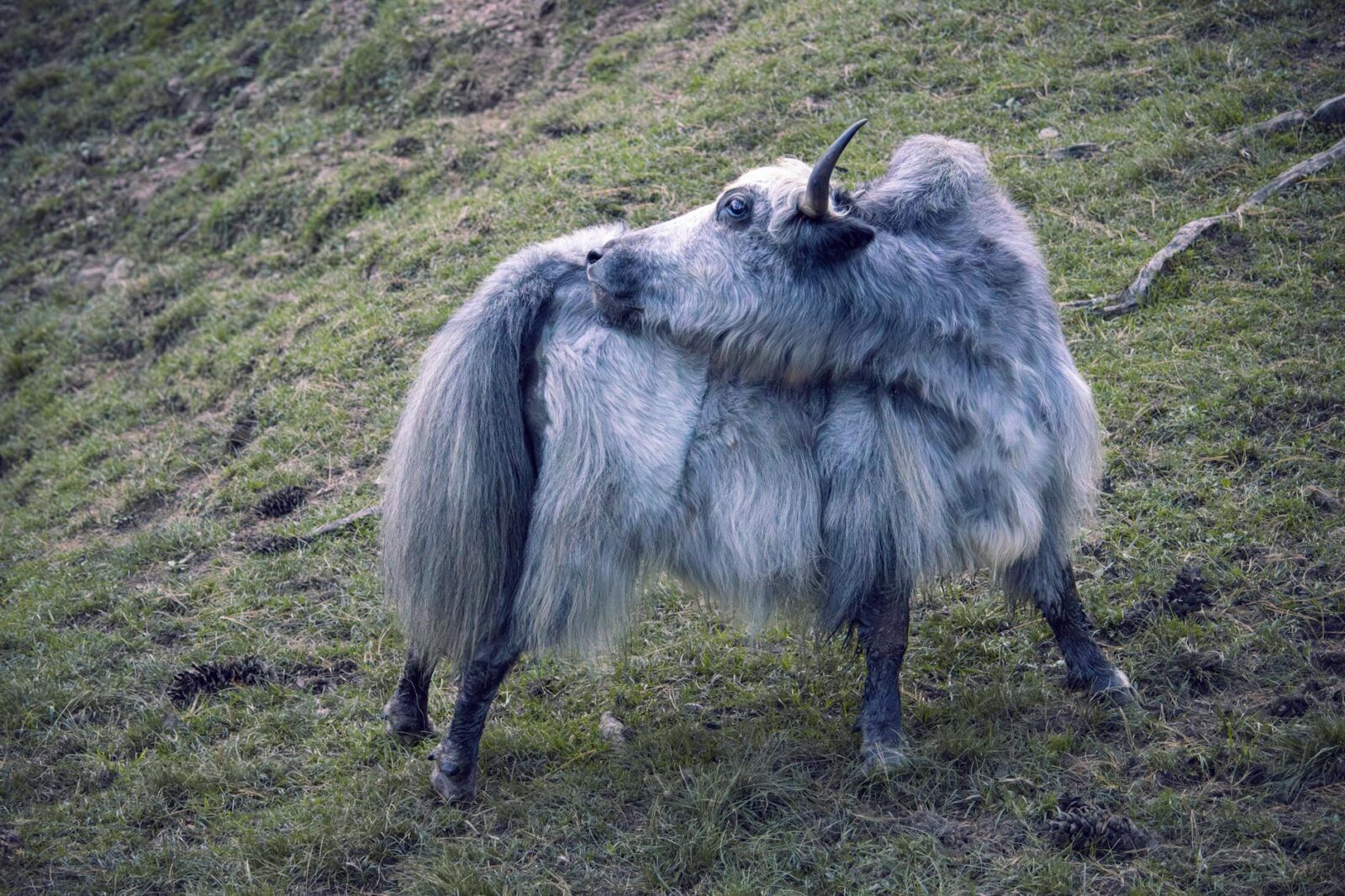
Everest Base Camp launches from Lukla (2,860m), a thrilling 30-minute flight from Kathmandu, snaking 130 km round-trip to base camp at 5,364 meters via Namche Bazaar. Clocking 12-16 days, it peaks at Kala Patthar (5,555m) for Everest sunrise views—moderate-strenuous difficulty with steeper daily gains and more time above 4,000m. Prep demands hill repeats, gym squats, and hypoxia training; expect 7-9 hours daily on rocky trails amid yaks and icefall glimpses. Crowds peak here, but the Sherpa welcome warms the chill.
Key stages: Fly to Lukla, trek to Phakding (2,610m, 10 km). Day 3 ascends to Namche (3,440m, 11 km, +830m)—acclimatization hub with bakeries selling apple pie for $3 USD. Days 4-5 to Tengboche (3,860m) past Ama Dablam (6,812m). Push to Gorak Shep (5,164m) by Day 8, side-hike Kala Patthar, then EBC. Return mirrors out, with rest in Namche. Total gain exceeds Annapurna’s by 568 meters including viewpoints, amplifying fatigue in thin air.
Fly-in risks weather delays (50% chance), stranding trekkers days; land access like Annapurna avoids this. Shorter 10-day rushes spike AMS—stick to 14+ for safety.
Difficulty Face-Off: Which Tests You More?
Annapurna Circuit edges easier overall: lower base (4,130m possible variants, but Circuit hits 5,416m), more acclimatization days, and varied terrain blending forests to deserts. Everest demands more: higher altitudes, longer high-altitude exposure (days above 4,000m vs Annapurna’s fewer), and out-back repetition wearing mentally. Both rate strenuous—ABC variants shorter at 110 km/7-12 days, but Circuit matches Everest’s 12-16 days.
Fitness bar: Annapurna suits intermediate hikers comfortable at 4,000m; Everest needs proven high-altitude tolerance, as AMS hits 50% above 5,000m here versus 20-30% on Circuit. Roads dilute Annapurna’s wildness but ease logistics; Everest’s remoteness ups stakes—no quick jeep outs. Our guides, who’ve led 100+ groups, say Circuit builds confidence for Everest later.
Women and older trekkers (50+) favor Annapurna for gentler gradients; Everest rewards the bold with Everest proximity.
Best Seasons: Timing Your Himalayan Quest
October-November and March-May rule both—clear skies, mild temps (days 10-20°C lowlands, -10°C highs). Annapurna shines pre-monsoon (March-May) for rhododendron blooms; Everest post-monsoon (Oct-Nov) for stable Lukla flights. Shoulder seasons trade rain/snow for solitude: Annapurna February-March skips crowds but adds cold passes (-20°C); Everest December-January ices trails, risky for novices.
Monsoon (June-September) greens Annapurna beautifully but landslides close roads—avoid unless expert. Winter suits acclimatized veterans; summer Everest risks clouds hiding peaks. Pro: Fewer trekkers mean $10/night teahouses; con: gear for extremes. Check forecasts via Nepal’s tourism board—2026 sees extended springs from climate shifts.
Book flights/permits 3 months ahead for peaks; shoulder saves 20-30% costs.
Permits, Costs, and Smart Budgeting
Both need TIMS card ($20 USD), plus park fees: Annapurna Conservation Area $30 USD (3 days+), ACAP permit $30; Everest Sagarmatha National Park $30 USD (non-SAARC). Total permits ~$50-60 USD each. Guides ($25-35/day), porters ($20-25/day) recommended—solo trekking legal but riskier for evacuations. Teahouses: $25-40/night full board (dal bhat $8-12, showers $3-5).
Full Circuit: $1,200-1,800 USD (15 days, group); EBC $1,400-2,000 USD (flights $200-400 extra). Tips: 10-15% guide/porter pay (~$150 total/group). Hire in Pokhara/Kathmandu via TAAN agencies; women prefer female guides. Insurance must cover $100,000 evac—check World Nomads or local.
2026 updates: Digital TIMS apps speed issuance; roads cut Annapurna jeep costs to $100.
Gear Essentials and Altitude Safety
Layer for -20°C to 25°C: merino base, fleece mid, Gore-Tex shell; down jacket, balaclava, liner gloves. Trekking poles save knees on 5,000m descents; mid-weight boots for rocky paths. Pack Steripen or tablets for water (boil backup), Diamox for AMS (consult doc). Sleep with buff for dry air.
Prevent AMS: Ascend <500m/day sleeping, hydrate 4L, trek slow. Symptoms? Rest, descend 300m. Evac: Helicopter $5,000-10,000—insure fully. Sustainable tips: Bamboo bottles, no plastics; support homestays.
- Moisturizer/Sunscreen: UV triples at altitude.
- Snacks: Nuts, chocolate—energy for passes.
- Powerbank: WiFi $3-5/hour.
Cultural Heart and Sustainable Steps
Walk clockwise around stupas, remove hats in monasteries—offer khata scarves in Namche or Muktinath. Dal bhat powers days; try momos ($2) or sel roti in Gurung villages. Tipping: $1/meal extra shines. Sustainable: Stick trails, pack trash—Annapurna funds conservation via fees.
Everest Sherpas share yeti tales; Annapurna Thakalis brew raksi. Respect prayer wheels, no photos of lamas without ask. 2026 eco-push: Agencies plant trees per trekker.
FAQ: Trekker Questions Answered
Can beginners do these treks? Yes, with guides—Annapurna Circuit suits fitter novices (train 2 months); Everest needs prior altitude experience. Both include acclimatization; rush at peril.
Which is cheaper? Annapurna Circuit at $1,200-1,600 USD vs Everest’s $1,400-2,000 (flights tip scales). Teahouses comparable, but no Lukla fees save $200.
ABC or full Circuit better? Circuit for epic loop (17 days); ABC shorter (7-12 days, 4,130m) if time-tight—greener, less altitude risk.
Altitude sickness real risk? Higher on Everest (50%+ above 5,000m); Circuit safer with lower highs, more rest. Diamox, slow pace key.
Best first trek? Annapurna Circuit—varied, easier access, less crowded than EBC’s hype.
Your Trail Awaits—Choose and Conquer
Whether Thorong La’s vast horizons or Kala Patthar’s Everest gaze calls louder, both etch Nepal into your soul. Annapurna rewards explorers craving diversity; Everest fuels legends chasing icons. Gear up, permit up, and step into the Himalayas—safer paths and savvy choices make 2026 your year. Share your trek tale in comments: Circuit or EBC? Which won your heart? Tag friends dreaming of these peaks—adventure multiplies when shared.
Stay informed with the latest travel news, visa updates, and destination guides. Follow HimalayanCrest.com for weekly travel intelligence delivered by our editorial team.