

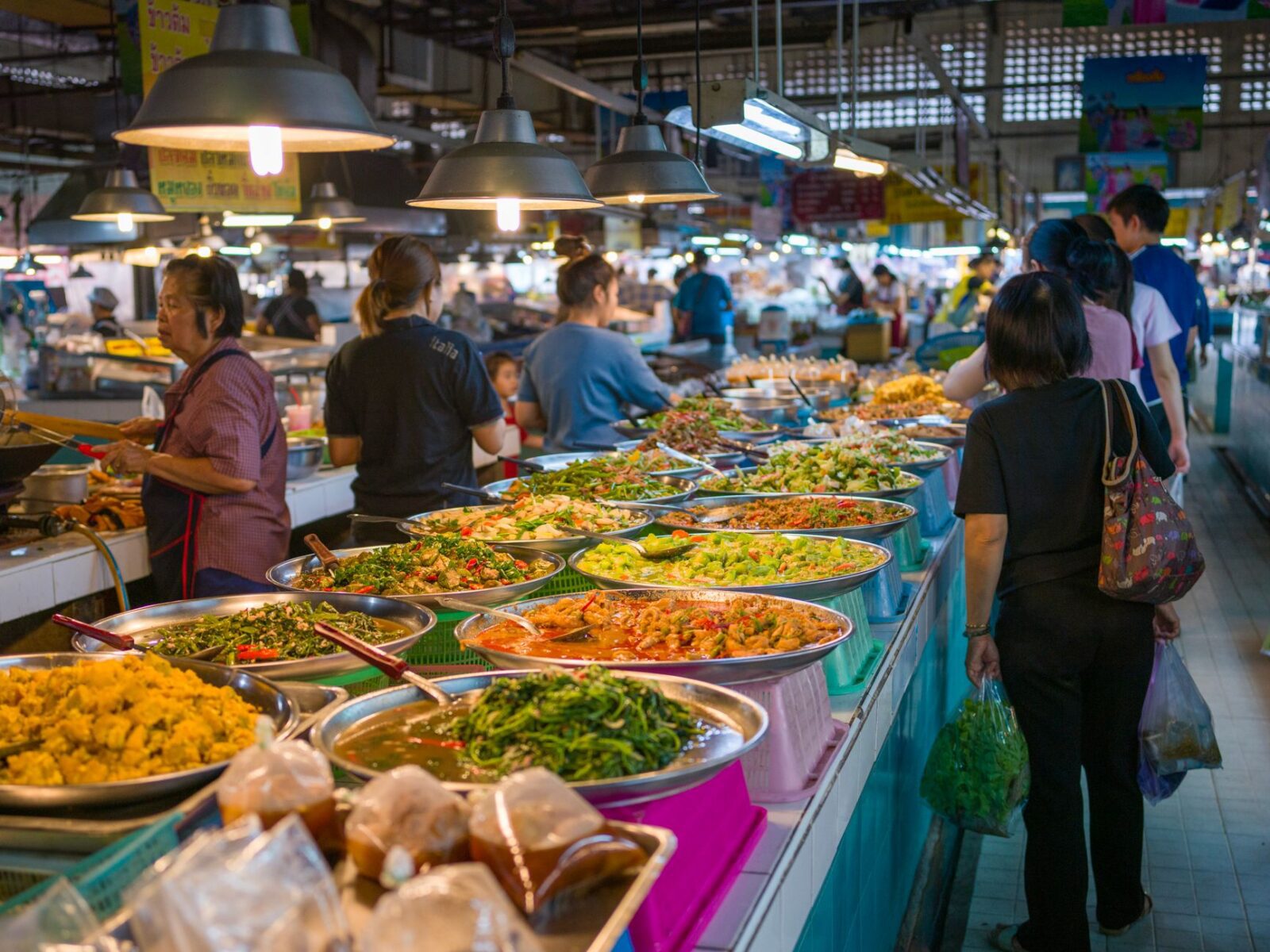
Tarantulas on a Stick: Cambodia’s Crunchy Delight
Imagine walking through a bustling market in Cambodia and seeing a vendor with a tray full of fried tarantulas. Yes, these eight-legged creatures are not just for scaring arachnophobes but are a popular snack in this Southeast Asian country. Known locally as A-ping, these spiders are deep-fried until crispy and seasoned with salt, sugar, and sometimes garlic.
The tradition of eating tarantulas dates back to the Khmer Rouge era, when food was scarce, and people turned to whatever protein source they could find. Today, it’s a culinary curiosity that attracts adventurous eaters from around the world. For about $1 USD each, you can bite into one of these crunchy critters and perhaps acquire a taste for the unusual.
Durian: The Fruit That Smells Like Feet
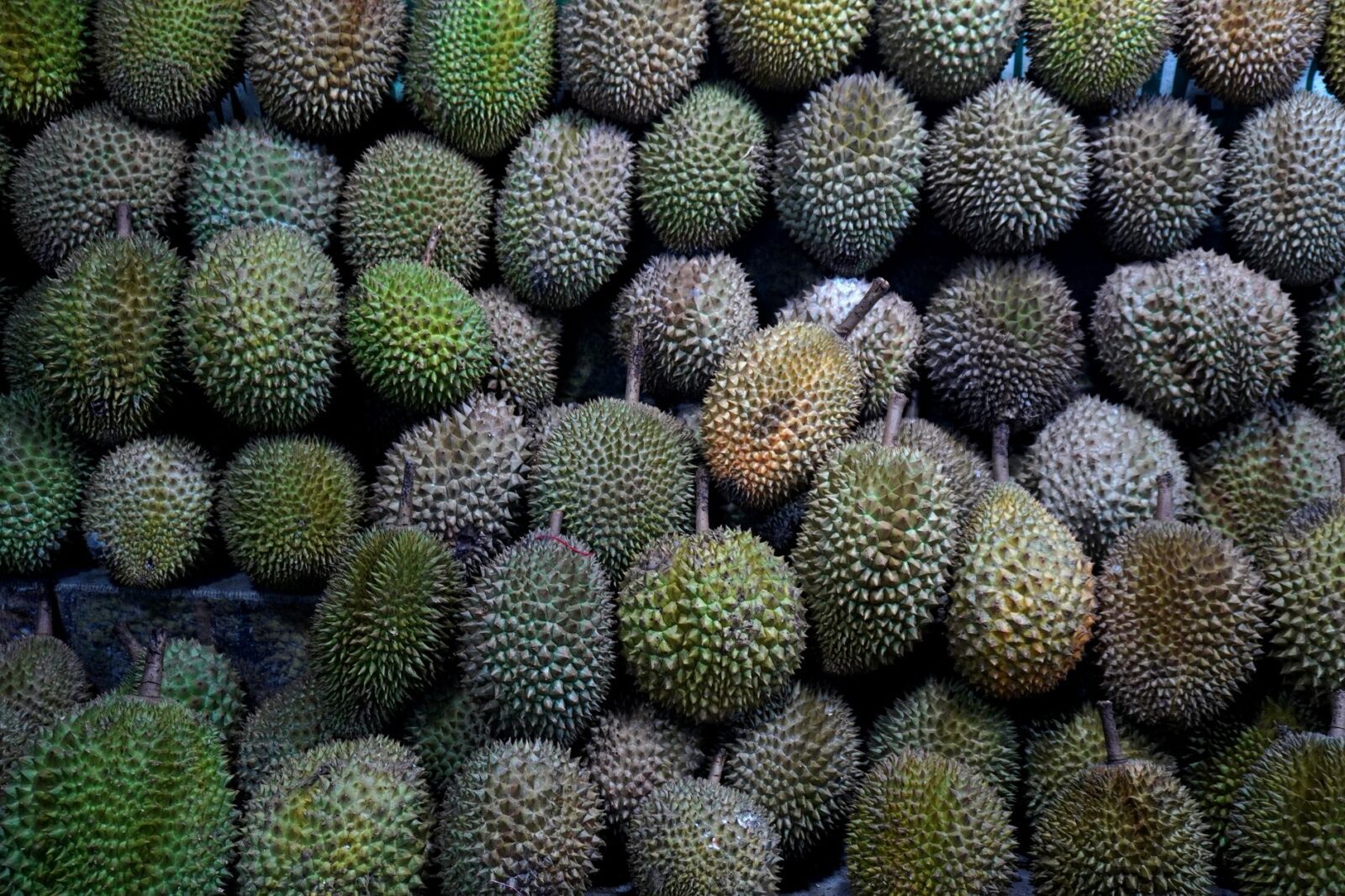
Durian, often dubbed the “king of fruits,” is famous for its pungent aroma that some describe as akin to raw sewage or rotting onions. Despite this, it remains a beloved delicacy across Southeast Asia, particularly in Thailand, Malaysia, and Indonesia.
Durian’s smell is so potent that it is banned in many hotels and public transport systems across the region. However, those who dare to try it often find the creamy, custard-like flesh surprisingly pleasant, with a taste that combines savory, sweet, and creamy flavors. It’s a must-try for those who can get past the initial olfactory hurdle.
Balut: The Embryo Snack of the Philippines
Balut is not just food; it’s an experience. This Filipino delicacy consists of a developing duck embryo boiled and eaten straight from the shell. Balut is often consumed with a pinch of salt or a splash of vinegar, offering a unique blend of textures from the soft yolk to the slightly crunchy embryo.
Popular as a street food and often paired with a cold beer, Balut is believed to be an aphrodisiac and is a common snack among locals. While it might sound daunting, those who try it often find it surprisingly tasty.
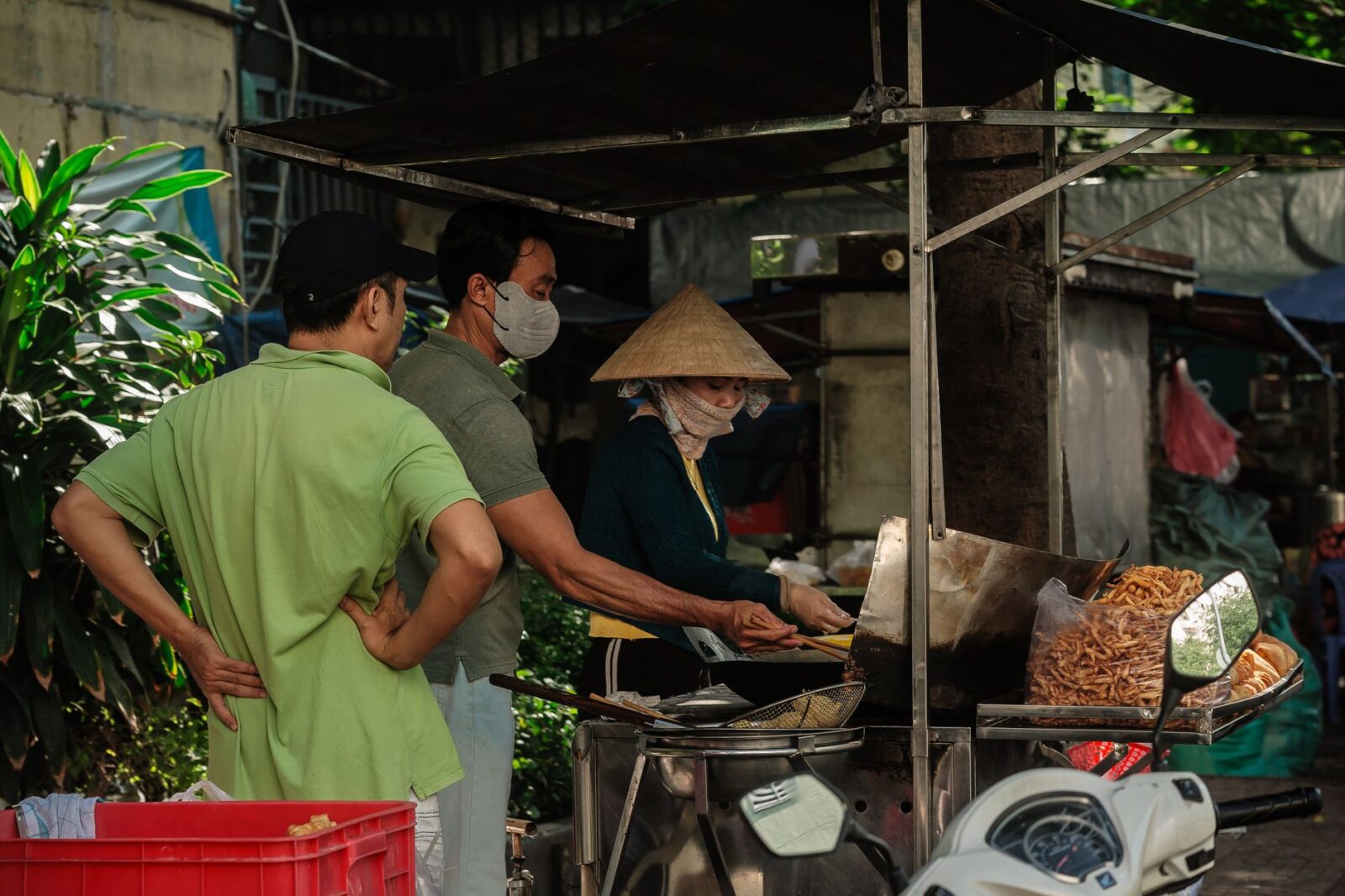
Insects Galore: Thailand’s Creepy Crawly Cuisine
Thailand is a paradise for insect lovers, offering an array of fried insects such as crickets, grasshoppers, and even water bugs. Sold by street vendors and in markets, these crunchy treats are seasoned and fried to perfection, making them a protein-rich snack.
Insects have been a part of the Thai diet for centuries, and with increasing global interest in sustainable protein sources, they are gaining popularity worldwide. Trying these might just be the ultimate test of culinary bravery.
Snake Wine: Vietnam’s Potent Potion
In Vietnam, you might come across a bottle of wine with a snake coiled inside. Known as snake wine, this traditional alcoholic beverage is believed to have medicinal properties, including the ability to cure various ailments and boost virility.
The wine is made by infusing whole snakes in rice wine or grain alcohol. While the sight of a snake in your drink may be startling, the wine itself is said to have a unique taste, often described as a mix of herbs and spices with a hint of the wild.
Shrimp Paste: The Stinky Staple of Southeast Asia
Shrimp paste, known by various names such as belacan in Malaysia and bagoong in the Philippines, is a fermented condiment that adds a robust umami flavor to dishes. Despite its intense aroma, it’s a cornerstone of Southeast Asian cuisine, used in everything from curries to stir-fries.
Made by fermenting ground shrimp with salt, the paste is often sun-dried and can range from pinkish to dark brown in color. It might be an acquired taste, but it’s essential for authentic regional flavors.
Paniki: Bat Stew from Indonesia
In Indonesia, particularly in North Sulawesi, bat meat is a local delicacy. Known as paniki, this dish features fruit bats cooked in a spicy stew, often flavored with coconut milk and a variety of spices.
Bats are consumed for their tender meat and are believed to have medicinal properties. While it might seem strange to outsiders, paniki is a testament to the diverse and rich culinary traditions of Indonesia.
Sago Worms: A Crunchy Treat in Malaysia
Sago worms, or butod, are the larvae of the red palm weevil and are considered a delicacy in Sabah, Malaysia. These worms are typically eaten live or fried, offering a buttery flavor with a crunchy texture.
Considered a protein-rich snack, sago worms are a staple at local festivals and gatherings. For the adventurous eater, they offer a unique taste of indigenous Malaysian culture.
Jungle Curry: Thailand’s Fiery Feast
Jungle curry, or kaeng pa, is one of Thailand’s spiciest dishes, made without coconut milk and featuring a medley of wild herbs, vegetables, and meats. Originally from the northern forests, it was made with whatever ingredients hunters could find.
The dish is known for its intense heat and complex flavors, making it a challenging yet rewarding experience for spice lovers. Served with rice, it’s a fiery feast that showcases Thailand’s love for bold and vibrant flavors.
Practical Takeaways for Adventurous Travelers
Exploring Southeast Asia’s unique culinary landscape requires an open mind and a brave palate. To make the most of your gastronomic adventure:
- Start with small portions to acclimate your taste buds.
- Ask locals for recommendations and insights into preparation methods.
- Be respectful of local customs and traditions surrounding food.
- Always check for allergies or dietary restrictions when trying new dishes.
FAQ
What is the most unusual food in Southeast Asia?
While there are many contenders, tarantulas in Cambodia and balut in the Philippines often top the list due to their unique ingredients and preparation methods.
Is it safe to eat these strange foods?
Generally, yes, as long as they are prepared hygienically. It’s important to choose reputable vendors and ensure that the food is cooked properly.
Why do people eat these foods?
Many of these foods have historical or cultural significance and are part of local traditions. They also offer unique flavors and textures that are valued in their respective cuisines.
Can tourists easily find these foods?
Yes, many of these foods are available at local markets and street vendors throughout Southeast Asia. However, availability may vary by location and season.
Are these foods expensive?
Most of these foods are relatively inexpensive, with prices often ranging from $1 to $5 USD, making them accessible for most travelers.
Stay informed with the latest travel news, visa updates, and destination guides. Follow HimalayanCrest.com for weekly travel intelligence delivered by our editorial team.