

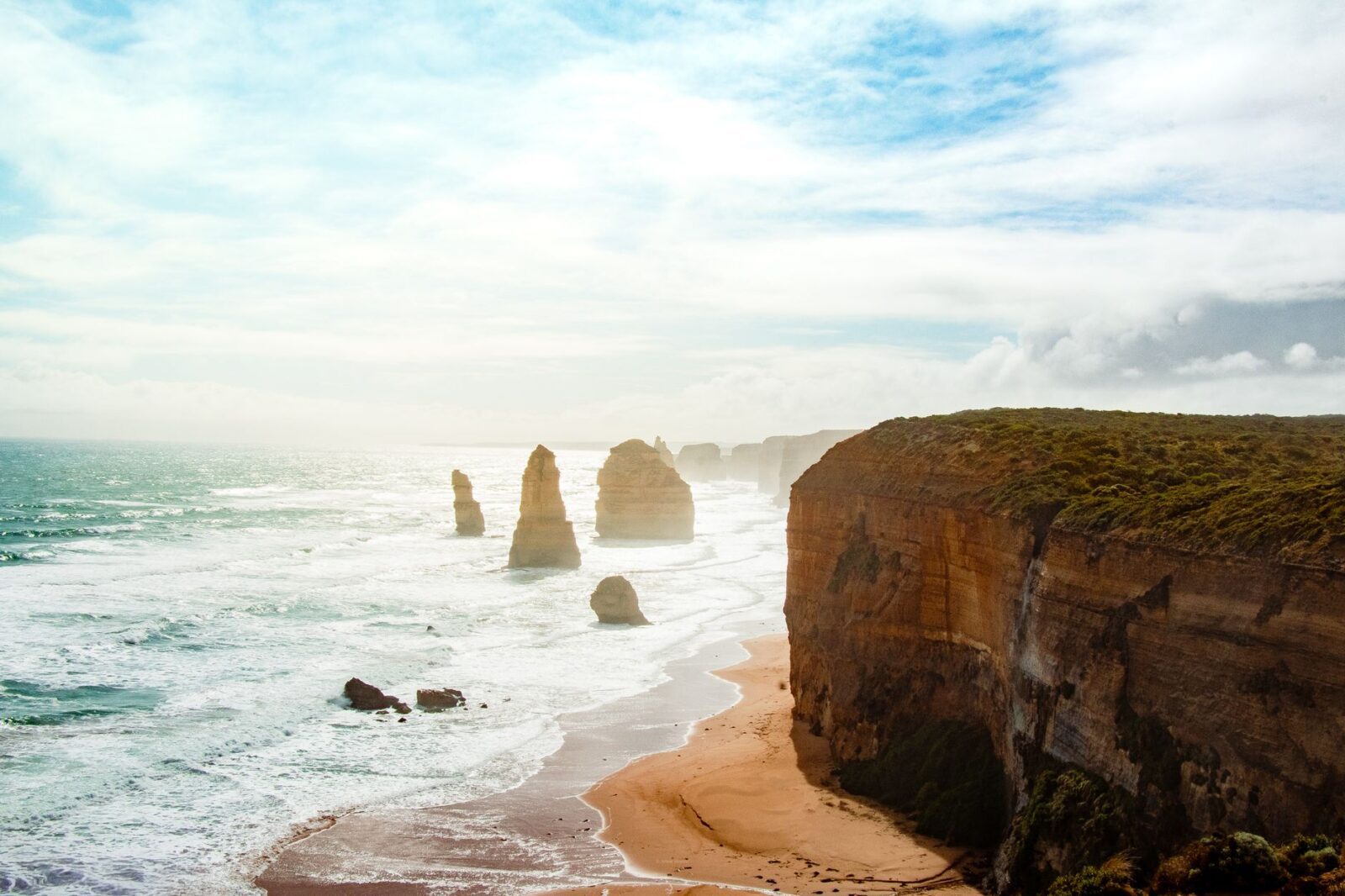
Understanding the Trend: Why Japan Earthquakes Matter
As of June 26, 2026, Japan has experienced a series of significant earthquakes, including a recent 6.9-magnitude quake that struck northern Japan. These events have sparked widespread interest and concern, not only among locals but also globally. The reason for this trend is multifaceted, including the potential for devastating natural disasters, the impact on global economies, and the resilience of the Japanese people in the face of adversity. For travelers and investors, understanding the situation in Japan is crucial for making informed decisions. Our research shows that the Japanese government and emergency services have been working tirelessly to improve earthquake preparedness and response, making Japan one of the best-prepared countries for seismic activity.
The Great East Japan Earthquake of 2011, also known as the Tōhoku earthquake, was a stark reminder of the power of nature. Occurring on March 11, 2011, it was the most powerful earthquake ever recorded in Japan, with a magnitude of 9.0–9.1. The earthquake and the subsequent tsunami resulted in 19,759 deaths, 6,242 injured, and 2,553 missing, as reported in 2021. The economic damage was estimated to be over $300 billion, making it the costliest natural disaster in history. Travel experts recommend staying informed about local conditions and emergency procedures when visiting Japan.
Earthquake Early Warning Systems in Japan
Japan has implemented a sophisticated Earthquake Early Warning (EEW) system, operated by the Japan Meteorological Agency (JMA). This system detects the early signs of an earthquake and sends alerts to the public through various channels, including mobile phones, television, and radio. The EEW system has been instrumental in saving lives by providing people with precious seconds to seek safety. For instance, in the event of a strong earthquake, the system can alert residents to drop, cover, and hold on, reducing the risk of injury from falling debris.
According to the JMA, the EEW system can detect earthquakes with a magnitude of 3.0 or higher and issue warnings within 5-10 seconds of the earthquake’s occurrence. This rapid response is made possible by a network of seismic stations located throughout Japan, which monitor seismic activity in real-time. The system has undergone significant improvements since its introduction, with the aim of further enhancing its accuracy and speed.
Planning Your Trip to Japan: Earthquake Safety Considerations
Despite the risk of earthquakes, Japan remains a popular tourist destination, known for its vibrant culture, rich history, and breathtaking landscapes. When planning your trip to Japan, it’s essential to consider earthquake safety. Here are some practical tips:
- Stay informed about local conditions and emergency procedures.
- Know the location of emergency exits and evacuation routes from your hotel or accommodation.
- Keep a disaster supply kit with essentials like water, non-perishable food, and a first-aid kit.
- Consider purchasing travel insurance that covers natural disasters.
Travelers can also take advantage of Japan’s earthquake-resistant infrastructure, which includes specially designed buildings and bridges that can withstand strong seismic activity.
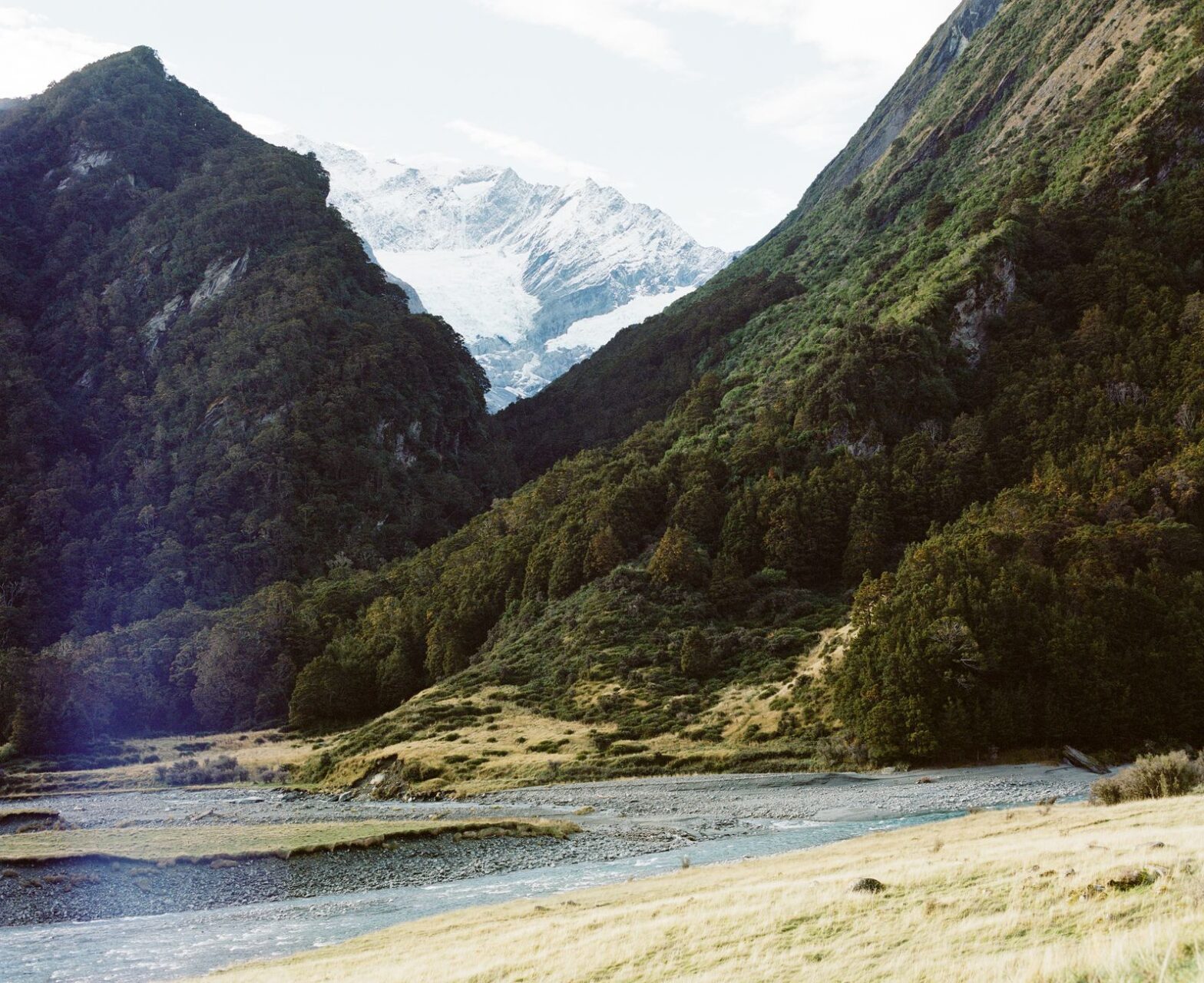
Exploring Japan’s Earthquake-Prone Regions
Some of the most earthquake-prone regions in Japan include the Tōhoku and Kantō areas. These regions are located in the northeastern part of Honshu, the largest island of Japan, and are known for their natural beauty and rich cultural heritage. Visitors can explore the stunning landscapes, try local cuisine, and experience the unique culture of these regions. For example, the city of Sendai in Tōhoku is famous for its gyūtan (beef tongue) dishes and tsunami memorials, which serve as a reminder of the devastating effects of the 2011 earthquake and tsunami.
If you love exploring cities, you’ll also enjoy visiting Tokyo, which is located in the Kantō region. Tokyo is a bustling metropolis with a unique blend of traditional and modern culture. From the famous Shibuya Crossing to the historic Meiji Shrine, there’s always something to discover in this vibrant city. Visitors can also take a day trip to the nearby Nikko town, which is famous for its ornate temples and shrines.
Insider Tips for Traveling in Japan During Earthquake Season
While earthquakes can be unpredictable, there are certain times of the year when the risk is higher. Japan’s earthquake season typically occurs during the summer months (June to August) and the winter months (December to February). During these periods, it’s essential to stay informed about local conditions and follow the instructions of local authorities. Travel experts recommend registering with your country’s travel advisory department to receive important safety and security updates about Japan.
Additionally, consider visiting Japan during the shoulder season (April to May or September to November), when the weather is mild and the risk of earthquakes is relatively lower. This is also a great time to enjoy Japan’s beautiful cherry blossoms or autumn foliage. If you’re looking for alternative destinations, South Korea and Taiwan are nearby countries that offer similar cultural and natural experiences, with fewer earthquake risks.

Visa and Entry Requirements for Japan
When traveling to Japan, it’s essential to ensure you have the necessary visas and documents. Citizens of certain countries, including the United States, Canada, and the United Kingdom, can enter Japan without a visa for up to 90 days for tourism or business purposes. However, it’s crucial to check the official government website for the most up-to-date information on visa requirements and travel restrictions.
According to the Japanese government’s website, visitors can apply for a visa online or through the Japanese embassy or consulate in their home country. The cost of a Japanese visa varies depending on the type and duration of stay, but it typically ranges from $20 to $100 USD. Travelers can also purchase travel insurance that covers Japan, which can provide additional protection in case of unexpected events, including earthquakes.
Planning Checklist for Traveling to Japan
To ensure a safe and enjoyable trip to Japan, follow this planning checklist:
- Research your destination and stay informed about local conditions.
- Book earthquake-resistant accommodations and consider purchasing travel insurance.
- Register with your country’s travel advisory department and stay up-to-date with the latest safety and security information.
- Download the Japan Meteorological Agency’s (JMA) earthquake early warning app and stay informed about local emergency procedures.
By following these steps, you can minimize your risk and have a memorable trip to Japan.
Frequently Asked Questions
Here are some frequently asked questions about traveling to Japan during earthquake season:
- Q: Is it safe to travel to Japan during earthquake season?
- A: While earthquakes can be unpredictable, Japan has a robust earthquake early warning system and strict building codes to minimize the risk of injury or damage.
- Q: What should I do in case of an earthquake?
- A: Drop, cover, and hold on to a sturdy object, and follow the instructions of local authorities.
- Q: Can I purchase travel insurance that covers earthquakes?
- A: Yes, many travel insurance policies cover natural disasters, including earthquakes.
- Q: How can I stay informed about local conditions and emergency procedures?
- A: Register with your country’s travel advisory department, download the JMA’s earthquake early warning app, and stay up-to-date with local news and weather reports.
- Q: What is the best time to visit Japan to avoid earthquakes?
- A: Consider visiting Japan during the shoulder season (April to May or September to November), when the weather is mild and the risk of earthquakes is relatively lower.
Stay informed with the latest travel news, visa updates, and destination guides. Follow HimalayanCrest.com for weekly travel intelligence delivered by our editorial team.