

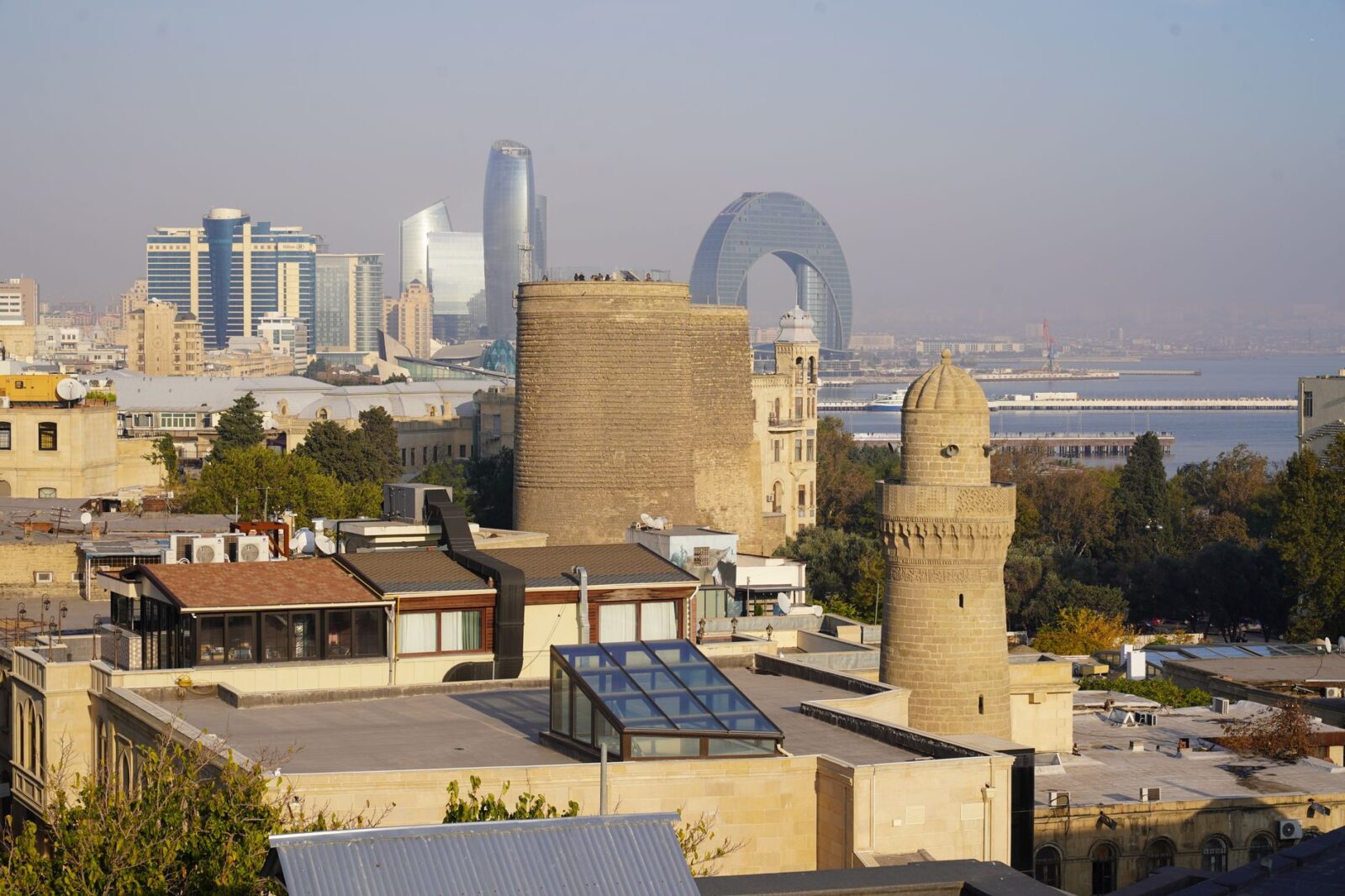
The Moment You Step Into Baku’s Old City, Time Seems to Fold
The call to prayer from the Maiden Tower mingles with the sizzle of kebabs on nearby grills as morning light hits the limestone walls of Icherisheher. You’re standing where Silk Road caravans once paused, but instead of dusty merchants, you see travelers snapping photos of intricate stone carvings while a local vendor offers you steaming cups of strong black tea in pear-shaped armudu glasses. This is Azerbaijan’s magic – a place where 1,500 years of history don’t feel preserved behind glass but lived in the rhythm of daily life. The scent of saffron and dried limes from a nearby spice stall cuts through the urban air, reminding you that you’re at the crossroads where Eastern traditions meet Caspian Sea breezes and Soviet-era concrete gives way to futuristic flame-shaped towers. It’s this layered authenticity that’s catching travelers’ attention worldwide.
Why Azerbaijan Is Having Its Moment Right Now
Azerbaijan isn’t just another emerging destination – it’s experiencing a deliberate tourism transformation backed by concrete investment and policy shifts. International visitor numbers jumped 34% in the first quarter of 2026 compared to the same period in 2025, with particularly strong growth from China (up 52%), India (up 41%), and Gulf Cooperation Council countries (up 38%), according to the State Tourism Agency. This surge isn’t accidental; it follows strategic moves like the July 2026 memorandum between Azerbaijan’s Tourism Board and Slovakia Travel to develop joint tour packages targeting European travelers seeking alternatives to overcrowded Mediterranean spots. The country’s position as a natural bridge between Europe and Asia has never felt more relevant, especially as travelers seek destinations offering both cultural depth and modern convenience without the extremes of mass tourism.
When to Go: Azerbaijan’s Seasonal Sweet Spots
Timing your visit makes all the difference in this land of nine climate zones. Late April to early June offers the most reliable conditions: Baku averages 20-25°C (68-77°F) with low humidity, perfect for wandering the Old City or taking day trips to Gobustan’s mud volcanoes. The Caucasus mountains shed their winter snow by May, revealing emerald valleys ideal for hiking in regions like Sheki or Lahij. September presents another excellent window – summer heat has broken (Baku averages 24°C/75°F), grape harvests begin in the wine regions, and the famous Baku International Jazz Festival typically fills autumn evenings with music. Avoid July and August if you dislike intense heat; Baku regularly hits 35°C (95°F) with high humidity, making afternoon sightseeing grueling. Winter (December-February) brings chilly winds off the Caspian and occasional snow in Baku, but mountain resorts like Shahdag offer excellent skiing at a fraction of European prices.
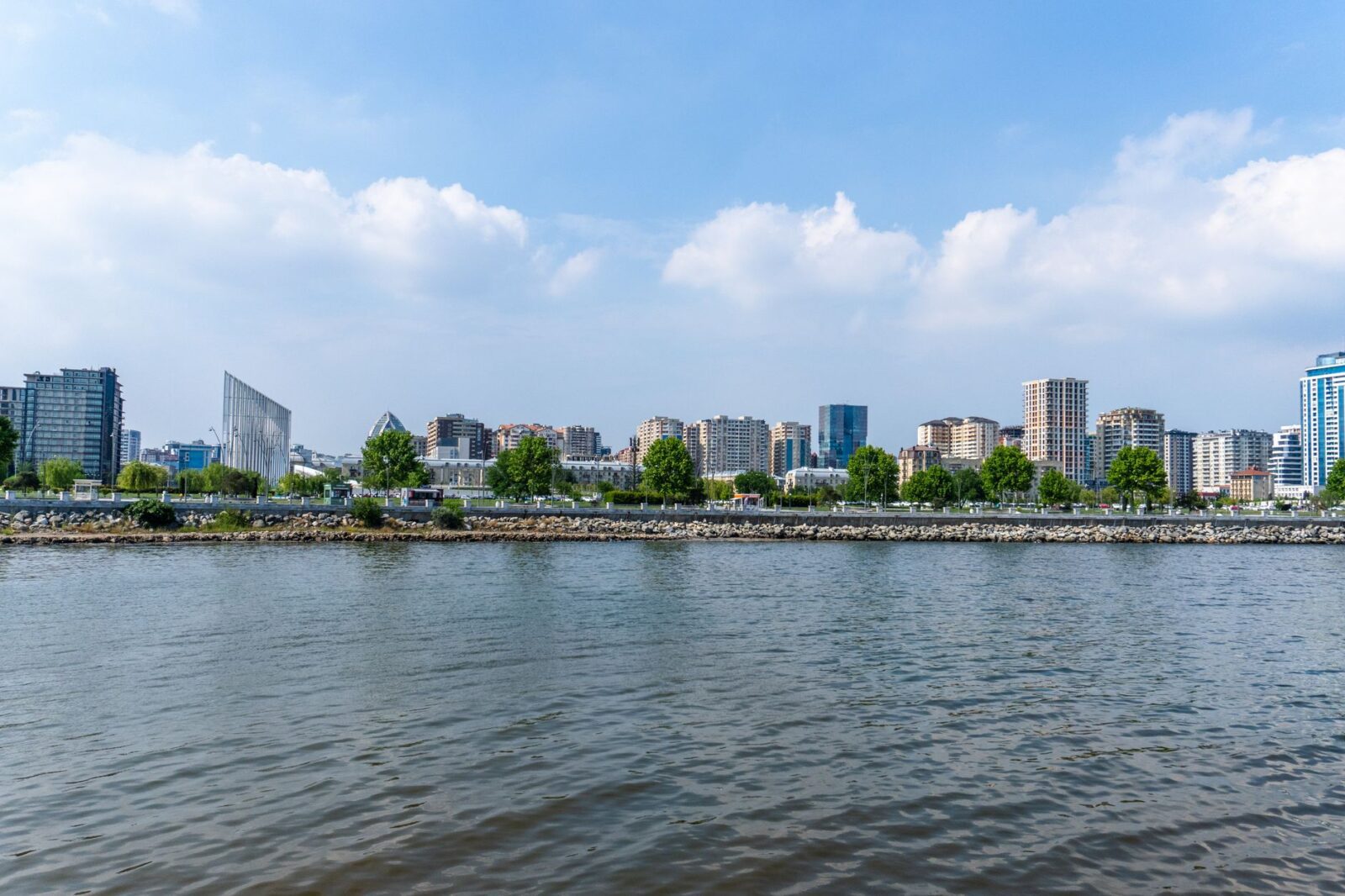
Where to Stay: From Hostel Rooftops to Caspian Sea Views
Your accommodation choice shapes your Azerbaijani experience profoundly. For budget travelers ($30-50/night), Baku’s Nizami Street area offers clean hostels like Baku Inn where you can cook simple meals in shared kitchens and join organized trips to Absheron Peninsula sites. Mid-range ($80-150/night) finds its sweet spot in boutique hotels within walking distance of Icherisheher – properties like Hotel Villa Pazarlan blend restored 19th-century mansions with modern amenities, putting you steps from the Maiden Tower and Shirvanshahs’ Palace. Splurge options ($200+/night) cluster along Baku Boulevard; the Fairmont Baku offers Caspian Sea views from rooms designed with Azerbaijani carpet motifs, while newer properties like JW Marriott Absheron Baku provide rooftop infinity pools overlooking the Flame Towers. Outside Baku, consider family-run guesthouses in Sheki’s historic center ($40-70/night) where hosts often include homemade pakhlava and tea in the rate, or mountain lodges in Quba ($60-100/night) serving as bases for hiking to remote Azerbaijani villages.
Top Experiences That Go Beyond the Guidebook
Forget ticking off sights – Azerbaijan rewards travelers who slow down and engage. Start your Baku morning not at the Maiden Tower but at Taza Bazaar, where vendors arrange pyramids of fresh herbs, piles of wrinkled dried limes, and glistening fish from the Caspian; buy warm qutab (stuffed flatbread) from a stall and eat it standing beside grandmothers haggling over saffron prices. In Sheki, don’t just tour the Palace of Shaki Khans – arrive at opening time to have its stunning stained-glass windows nearly to yourself, then walk five minutes to a family workshop where artisans still craft shebeke (wooden lattice filled with colored glass) using 18th-century techniques. For a genuine Caspian experience, take the 90-minute bus to Lankaran in the south; spend an afternoon drinking strong tea in a riverside chaikhana while watching fishermen mend nets, then try the region’s famous lavangi (stuffed chicken or fish) at a family restaurant where recipes pass unchanged through generations. These moments cost little but reveal Azerbaijan’s living culture far more than any museum.
Food and Drink: Where Every Meal Tells a Story
Azerbaijani cuisine is a revelation for those used to generic “Middle Eastern” labels – it’s distinct, herb-forward, and deeply regional. Begin with plov, saffron-infused rice topped with tender lamb, chestnuts, and dried fruits; in Baku, try it at Firuze Restaurant ($8-12) where the rice arrives steaming in a copper kazan, or seek out regional variations like Lankaran’s fish plov with sour plum sauce. Don’t leave without trying dolma – grape leaves stuffed with spiced rice and herbs, served with garlic yogurt; the version in Lahij village uses wild mountain herbs foraged that morning. Street food essentials include qutab (thin pancakes stuffed with pumpkin, herbs, or cheese, cooked on a saj griddle for $1-2) and dushbara (tiny dumplings in minty broth, $3-5 a bowl). For drinks, sample Azerbaijani wine – surprisingly good whites from the Tovuz region ($6-10/glass) or try sherbet, a non-alcoholic drink of infused fruits and herbs served ice-cold in summer. Always accept tea when offered; refusing is considered rude, and the ritual of pouring from height into armudu glasses is part of the hospitality.
Getting There, Getting Around, and Visa Basics
Heydar Aliyev International Airport (GYD) connects Baku to major hubs: direct flights from Istanbul ($180-300 roundtrip), Dubai ($250-400), Moscow ($200-350), and increasingly from Delhi ($350-500) and Beijing ($500-700) as of mid-2026. Visa requirements have simplified significantly – citizens from 94 countries including the US, UK, EU nations, Canada, Australia, Japan, and Singapore can obtain e-visas online for $26 (processing in 3 hours) or get visa-on-arrival for $30 at the airport. Indians and Chinese nationals now qualify for 30-day e-visas ($25) under recent agreements. Within Azerbaijan, Baku’s metro is clean, efficient, and costs $0.30 per ride; for day trips, organize shared taxis through your hotel (Agsu-Gobustan circuit: $15-20/person). Intercity buses are reliable and cheap (Baku-Sheki: $8, 5.5 hours), while renting a car ($40/day) offers flexibility for exploring regions like Gabala or Ganja, though driving in Baku requires confidence amid assertive local traffic patterns.
Cultural Nuances: Traveling With Respect in Azerbaijan
Understanding local customs transforms your visit from observation to connection. Azerbaijan is predominantly Muslim but proudly secular; you’ll see women in hijabs alongside those in Western clothing, and alcohol is widely available in restaurants and supermarkets. Still, dress modestly when visiting mosques (women should cover heads, men and women avoid shorts) – the Bibi-Heybat Mosque outside Baku appreciates this respect. When invited into an Azerbaijani home (a common occurrence if you linger in markets or cafes), bring a small gift like pastries or flowers (avoid yellow flowers, associated with mourning), and always remove your shoes. Accepting tea or food offered is essential; refusing can offend. Photography rules require sensitivity – never photograph military installations, police, or individuals without permission (especially women in conservative areas). A frequent tourist mistake is assuming Russian is universally understood; while many older Azerbaijanis speak Russian due to Soviet history, younger generations prefer Azerbaijani or English, so learning basic greetings like “Salam” (hello) and “Təşəkkür edirəm” (thank you) goes further than you’d expect.
Budget Breakdown: What Azerbaijan Actually Costs in 2026
Traveling Azerbaijan offers exceptional value compared to European or Gulf destinations. A realistic daily budget for mid-range comfort: accommodation ($90), meals ($25 for three decent restaurant meals), local transport ($5), entrance fees ($10 for museums/sites), and miscellaneous ($10) totals $140/day. Budget travelers can manage $50-70/day by staying in hostels ($30), eating at street food stalls and local cafes ($15), using public transport ($2), and focusing on free attractions like walking the Baku Boulevard or exploring Icherisheher’s exterior. Luxury travelers should budget $250+/night for premium hotels, $40-60 for fine dining, and $30 for private guides or exclusive experiences. Note that costs spike during Baku’s Formula 1 Grand Prix (typically September) and major conferences; book 3+ months ahead for events like the Baku Summer Energy Week. Always carry small amounts of manat (AZN) for markets and taxis – 1 USD ≈ 1.70 AZN – though cards work in hotels, upscale restaurants, and larger stores.
The Real Reason Travelers Keep Coming Back
What separates Azerbaijan from other “up-and-coming” destinations isn’t just its affordability or accessibility – it’s the genuine warmth that persists despite growing tourism. In a world where authentic cultural exchange often feels staged, Azerbaijanis still invite strangers for tea not as a performance but as instinctive hospitality rooted in centuries of Silk Road exchange. You’ll experience this when a Baku taxi driver insists on showing you his favorite view point after learning you’re interested in photography, or when a Sheki carpet merchant spends an hour explaining natural dye techniques without expecting a purchase. This sincerity, combined with tangible improvements in infrastructure and visa access, creates something rare: a destination that feels both discoverable and deeply authentic. As more travelers seek places where they can connect rather than just consume, Azerbaijan’s quiet confidence in offering both modernity and tradition positions it not just as a trend, but as a meaningful addition to the global travel map for years to come.
Stay informed with the latest travel news, visa updates, and destination guides. Follow HimalayanCrest.com for weekly travel intelligence delivered by our editorial team.