

A Turbulent Time for European Travel
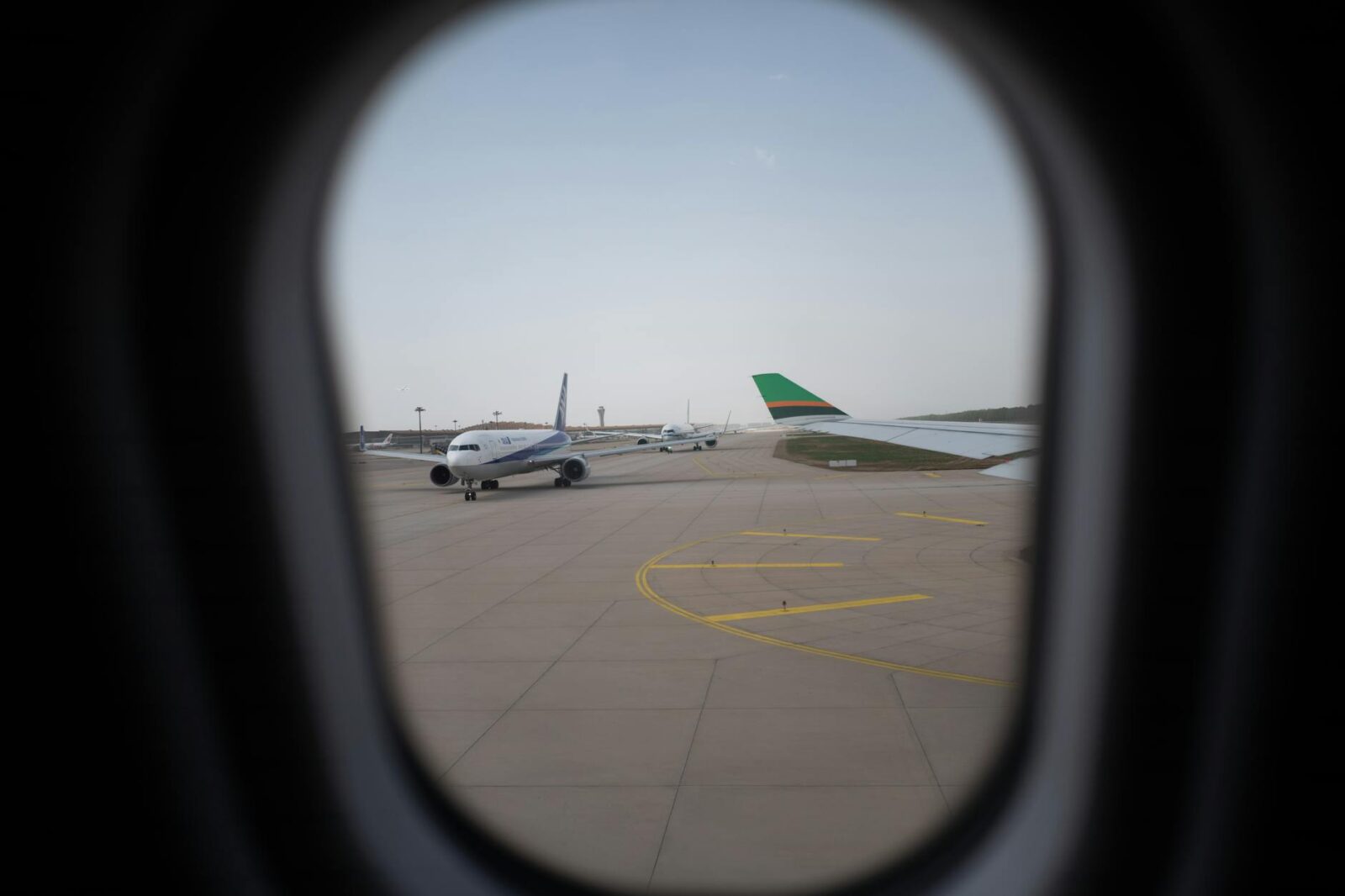
As the sun rises over the bustling Amsterdam Airport Schiphol, travelers find themselves facing unexpected turbulence—not from the skies, but from the ground. KLM Royal Dutch Airlines has announced the cancellation of over 150 flights, a decision driven by the sharp increase in jet fuel prices. This move affects flights scheduled for European destinations, including major cities like London and Düsseldorf.
The Global Fuel Crisis: A Deep Dive
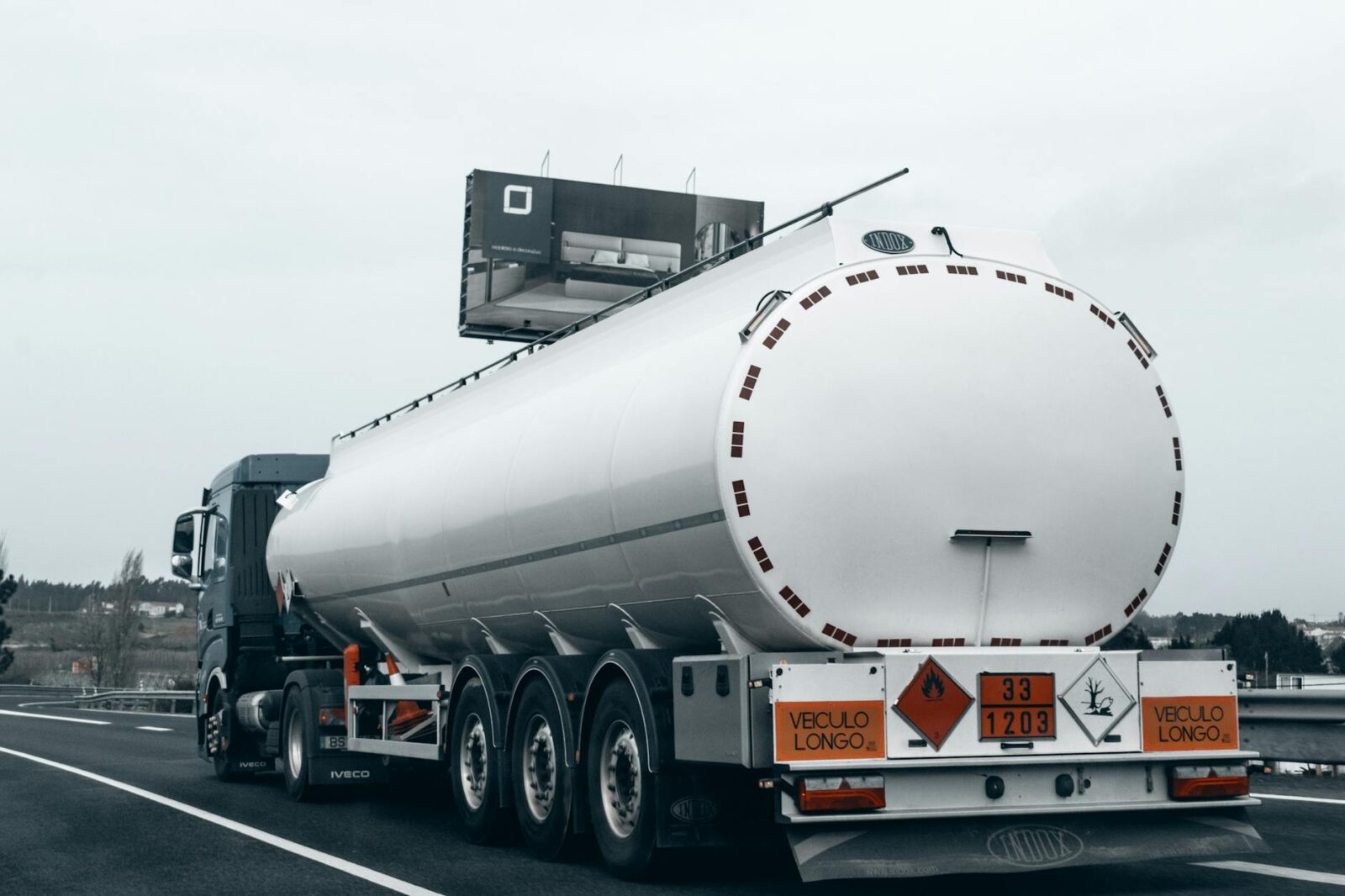
The catalyst for these cancellations is the soaring cost of jet fuel, a ripple effect from geopolitical tensions. The US-Iran conflict and the temporary closure of the Strait of Hormuz—a critical passage for oil shipping—have sent global fuel prices skyrocketing. Although the strait has reopened as of April 17, 2026, the impact on fuel availability and pricing continues to reverberate through the airline industry.
Impact on Travelers: What You Need to Know
The flight cancellations account for less than one percent of KLM’s European operations, yet they present significant challenges for affected passengers. Travelers booked on these flights will be rebooked on alternative flights as soon as possible. KLM assures that most travelers can be accommodated quickly, minimizing disruption to travel plans.
Navigating the New Normal: Practical Tips for Travelers
For those planning trips to Europe, flexibility is key. It’s advisable to monitor flight status updates regularly and maintain open communication with airlines. Consider purchasing travel insurance that covers flight cancellations, and explore alternative transport options, such as trains, which are abundant and efficient in Europe.
The Broader Implications for the Airline Industry
This situation underscores a broader trend in the airline industry: the vulnerability to external economic factors. As fuel costs rise, airlines worldwide face pressure to adjust operations, potentially leading to more cancellations or increased ticket prices. This is a critical moment for airlines to reassess their routes and operational efficiencies.

Economic Impact: Budget Adjustments for Travelers
Travelers should anticipate potential fare increases as airlines adjust to rising operational costs. It’s wise to budget for these changes when planning travel expenses. Additionally, booking flights well in advance and keeping an eye out for promotional fares can help mitigate increased costs.
Looking Ahead: What to Expect
Experts suggest that the situation may stabilize if geopolitical tensions ease and oil supplies normalize. However, travelers should remain vigilant and prepared for continued volatility in travel plans. Airlines may continue to adapt their schedules and pricing strategies in response to fluctuating fuel costs.
FAQ
Why did KLM cancel over 150 flights?
KLM canceled the flights due to unsustainable financial pressures from rising jet fuel prices, not due to a shortage of fuel.
Which destinations are affected by KLM’s flight cancellations?
The cancellations primarily affect European routes, including flights to and from cities like London and Düsseldorf.
How will KLM accommodate affected passengers?
KLM plans to rebook affected passengers onto the next available flights, ensuring minimal disruption to their travel plans.
What should travelers do if their flight is canceled?
Travelers should contact KLM customer service for rebooking options and consider travel insurance that covers cancellations.
Will other airlines also be affected by rising fuel prices?
Yes, other airlines may also face similar challenges, potentially leading to more widespread flight adjustments and fare changes.
Stay informed with the latest travel news, visa updates, and destination guides. Follow HimalayanCrest.com for weekly travel intelligence delivered by our editorial team.