

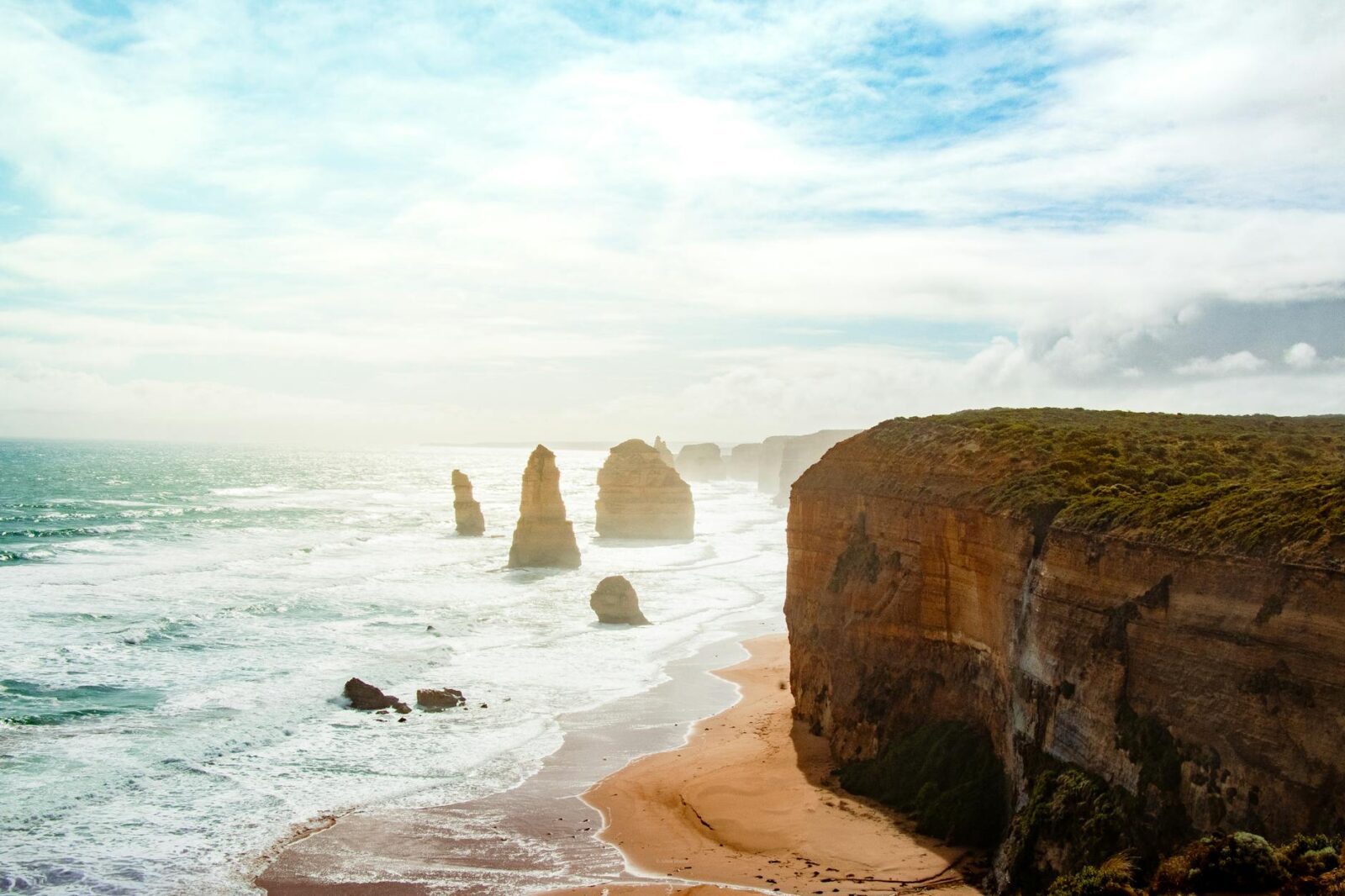
The Enchanting Call of Bhutan’s Mountains
Imagine standing at the edge of a lush valley, the crisp Himalayan air filling your lungs, and the distant sound of a monastery bell echoing through the mountains. This is Bhutan, often called the Last Shangri-La, a place where tradition and nature exist in harmonious balance. Nestled in the eastern Himalayas, Bhutan offers a truly unique travel experience, with its untouched landscapes, vibrant culture, and commitment to sustainable tourism.
Planning Your Bhutan Trek: Routes and Requirements
Bhutan offers several trekking routes, each with its unique allure. Among them, the Jomolhari Trek stands out as a favorite for its breathtaking views of Mount Jomolhari, Bhutan’s second-highest peak. This moderate to challenging trek spans approximately 8 days, covering a distance of 80 kilometers (50 miles) with an altitude ranging from 2,500 meters (8,202 feet) to 5,000 meters (16,404 feet) at the highest pass. Trekkers should have a good level of fitness, as the trail includes steep ascents and descents.
Day-by-Day Itinerary: A Journey Through Bhutan’s Wilderness
Day 1: Begin your adventure in Paro, where you’ll visit the iconic Paro Taktsang, or Tiger’s Nest Monastery, perched on a cliffside. The hike to the monastery is a steep 4-5 hour round trip.
Day 2-3: Trek from Shana to Soi Thangthangkha. This 36-kilometer (22 miles) stretch takes you through dense forests and opens into meadows, with altitudes rising from 2,850 meters (9,350 feet) to 3,750 meters (12,303 feet).
Day 4: Continue to Jangothang, the base camp of Mount Jomolhari, at 4,080 meters (13,386 feet). Spend the day acclimatizing and exploring the surrounding area.
Day 5-6: Cross the Bhonte La and Takhung La passes, reaching altitudes of 4,890 meters (16,043 feet). The stunning views of Mount Jomolhari and Jichu Drake are highlights.
Day 7-8: Descend into Thimphu Valley, completing your trek with a visit to Tashichho Dzong, an architectural marvel and the seat of Bhutan’s government.
When to Visit: Navigating Bhutan’s Seasons
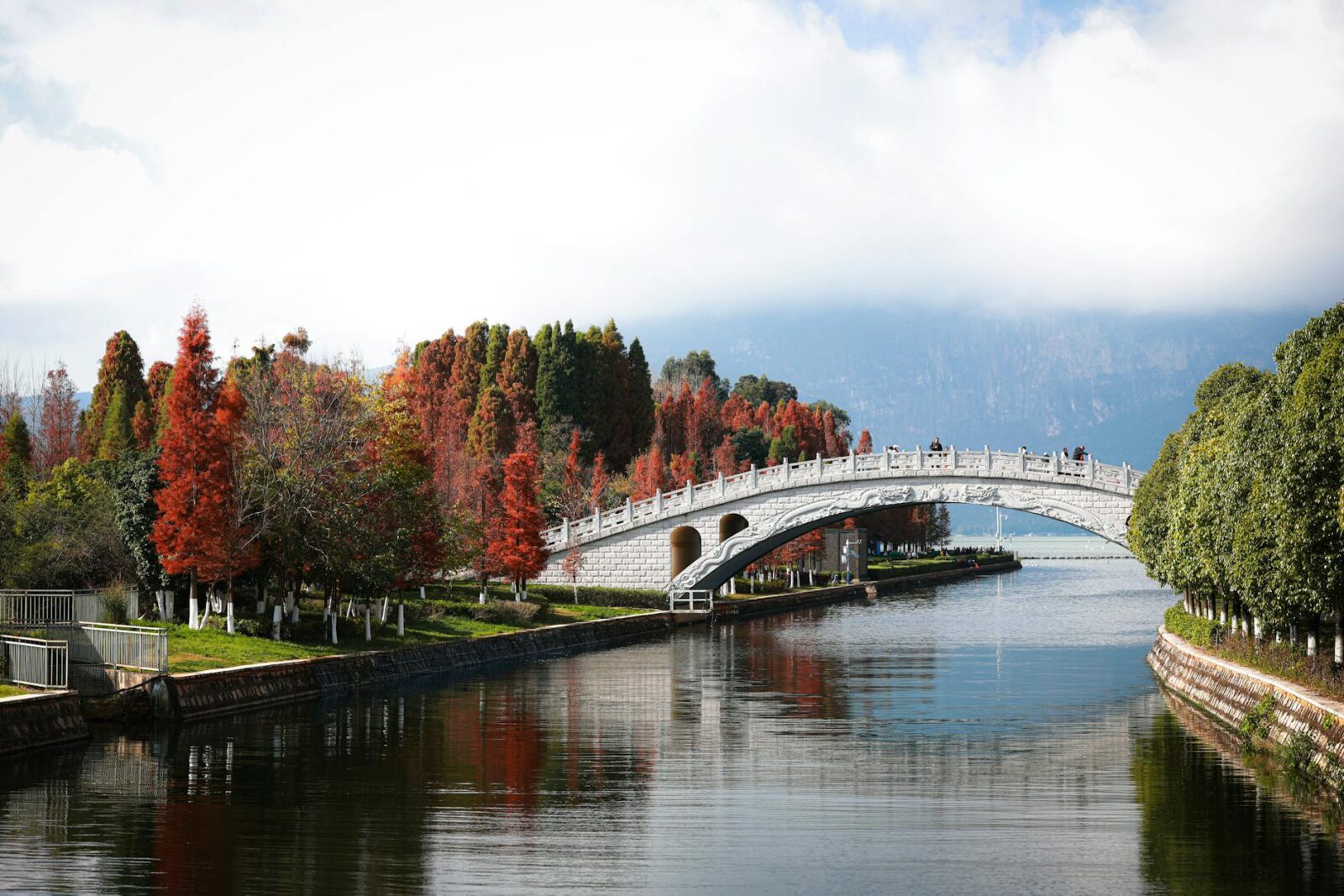
Spring (March to May) and autumn (September to November) are the best times to visit Bhutan, offering clear skies and pleasant weather. Spring brings rhododendron blooms, while autumn provides crisp air and vibrant festivals. However, expect crowds during these peak seasons. The monsoon season (June to August) is less crowded, but trails can be muddy. Winter (December to February) offers solitude and clear mountain views, though some passes may be snowbound.
Understanding Bhutan’s Permit System and Costs
To visit Bhutan, travelers must arrange a visa through a licensed tour operator, with costs starting at approximately $250 USD per day during peak seasons, which covers accommodation, meals, and a guide. Additionally, a Sustainable Development Fee (SDF) of $200 USD per day is levied to promote sustainable tourism. Ensure you have these permits in place before arrival.
Essential Gear for Your Bhutan Trek
Prepare for a range of weather conditions with layers of clothing, including thermal wear, a waterproof jacket, and sturdy trekking boots. A high-quality sleeping bag rated for sub-zero temperatures is essential. Pack a hat, gloves, and sunglasses for sun protection. A trekking pole can aid in stability on uneven terrain. Don’t forget a good backpack, water purification tablets, and a reusable water bottle.
Navigating Costs: Accommodations, Guides, and Tips
While in Bhutan, accommodations range from rustic teahouses to luxury hotels. Expect to spend $50 to $100 USD per night for mid-range options. Hiring a local guide is mandatory, with their fees included in the daily tariff. Tipping is appreciated; consider tipping 10-15% of the total tour cost to guides and staff.
Health and Safety: Altitude Sickness and Emergency Protocols
Altitude sickness is a concern when trekking in Bhutan. Ascend gradually and stay hydrated to minimize symptoms. It’s advisable to carry Diamox tablets after consulting with a doctor. Ensure you have comprehensive travel insurance that covers emergency evacuation. In case of severe altitude sickness, descend immediately and seek medical attention.
Respectful Travel: Cultural Etiquette and Sustainable Practices
While visiting Bhutan, dress modestly, especially when visiting monasteries. Remove shoes before entering religious sites and refrain from pointing at sacred objects. Engage with locals respectfully and support sustainable tourism by minimizing waste and respecting natural environments.
FAQs: Common Questions About Bhutan Travel
How do I obtain a visa for Bhutan?
Visas are processed through a licensed tour operator as part of a travel package. The visa fee is included in the daily tariff.
What currency is used in Bhutan?
The currency is the Bhutanese Ngultrum (BTN), but USD is widely accepted in tourist areas. It’s advisable to carry small denominations for local purchases.
Is it safe to trek in Bhutan?
Bhutan is generally safe for trekking with minimal crime. Always trek with a guide for safety and cultural insights.
What is the food like in Bhutan?
Bhutanese cuisine is known for its spicy flavors, with dishes like Ema Datshi (chili cheese) being a staple. Vegetarian options are plentiful, and meals are typically included in the travel package.
Can I travel independently in Bhutan?
Independent travel is not permitted; all visitors must be part of a guided tour to ensure sustainable tourism practices are followed.
Bhutan remains a dream destination for those seeking an authentic cultural and natural experience. Share your own Bhutan travel stories or questions in the comments below!
Stay informed with the latest travel news, visa updates, and destination guides. Follow HimalayanCrest.com for weekly travel intelligence delivered by our editorial team.