

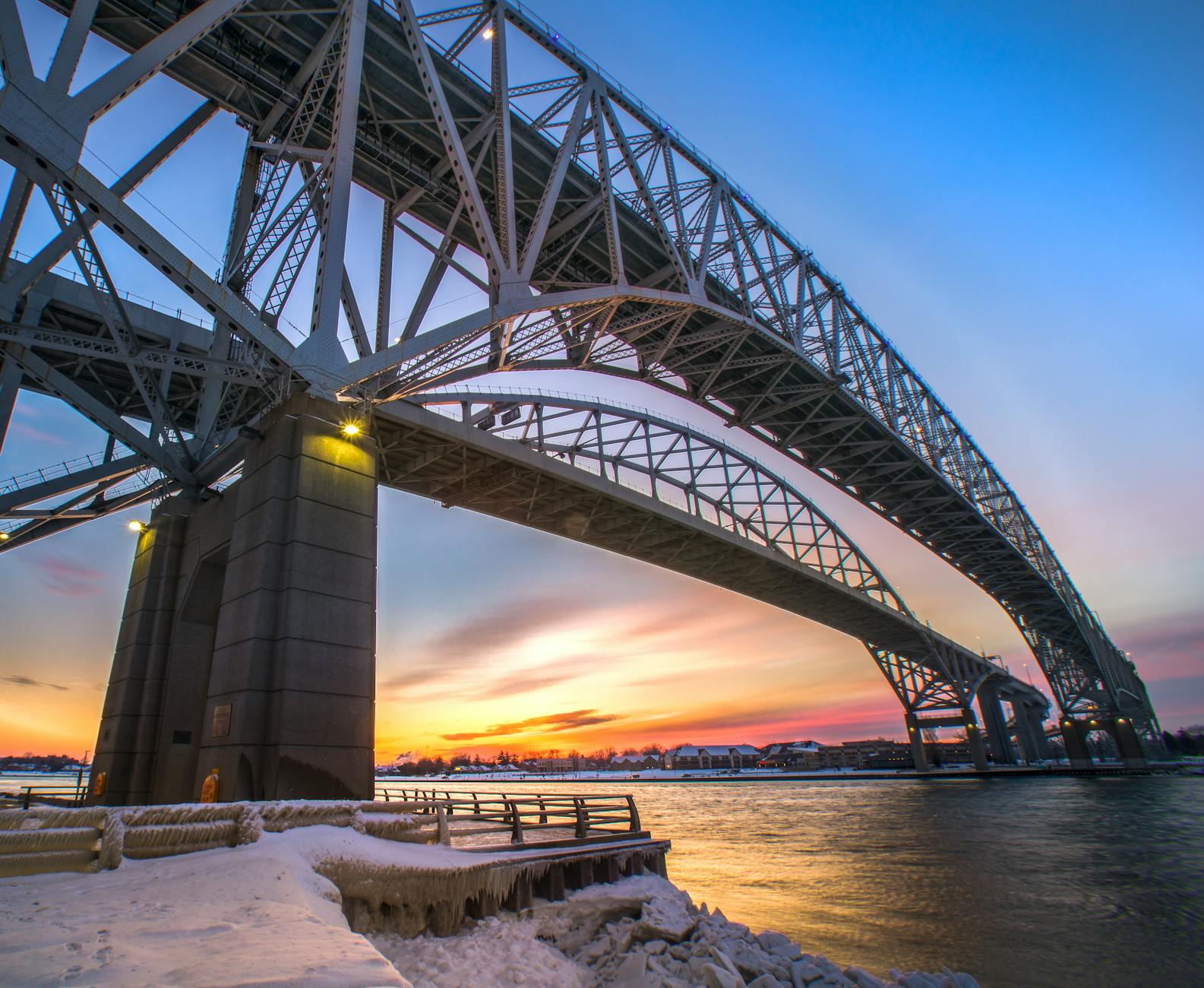
The Bridge That Can Wrap Around Earth
When the Golden Gate Bridge opened in 1937, it wasn’t just the longest suspension bridge in the world; it was a marvel of modern engineering. Its 80,000 miles of wire are enough to wrap around the Earth three times, which is a testament to the grand ambition behind its construction. This iconic symbol of San Francisco not only connects the city to Marin County but also serves as a stunning architectural landmark that attracts over 10 million visitors annually.
Designed by Joseph Strauss, the Golden Gate Bridge was considered an impossible task due to the harsh weather conditions and strong ocean currents in the area. However, its completion demonstrated human perseverance and ingenuity. Today, visitors can walk or cycle across the bridge, taking in breathtaking views of the San Francisco Bay and the Pacific Ocean. For those planning a visit, the best time is during the early morning or late afternoon to capture the bridge in the soft, golden light that enhances its famous International Orange color.
Living with Nature: The Root Bridges of Meghalaya
Deep in the northeastern hills of India lies a bridge that grows over generations. The living root bridges of Meghalaya are crafted by the indigenous Khasi and Jaintia tribes using the aerial roots of the rubber fig tree. These natural wonders can take 15 to 20 years to become fully functional and some have been in use for over 500 years.
These root bridges are a striking example of sustainable engineering, harmonizing with the lush environment of the Cherrapunji region, one of the wettest places on earth. They are not just a means of crossing water but a living testament to the ingenuity and patience of the local communities. Travelers who venture to this region can witness the symbiotic relationship between humans and nature, a rare sight in today’s fast-paced world.
A Sky-High Marvel: Millau Viaduct, France
Soaring over the Tarn River Valley in southern France, the Millau Viaduct is the tallest bridge in the world, with one of its masts reaching a staggering 343 meters (1,125 feet) – taller than the Eiffel Tower. Completed in 2004, this cable-stayed bridge was designed by the British architect Norman Foster and French structural engineer Michel Virlogeux.
The Millau Viaduct is not just a feat of engineering but a piece of art that elegantly spans the landscape, reducing travel time across the valley significantly. For travelers driving from Paris to the Mediterranean, crossing this bridge offers unparalleled views of the surrounding countryside. It’s a journey through the clouds, quite literally, as the bridge often rises above the misty valley below.

Where Two Worlds Meet: Bosphorus Bridge, Turkey
Connecting Europe and Asia, the Bosphorus Bridge in Istanbul is a symbolic and functional link between two continents. Officially named the 15 July Martyrs Bridge, it was completed in 1973 and remains one of the few transcontinental bridges in the world.
As a vital transport link, the Bosphorus Bridge not only facilitates daily commutes but also stands as a cultural icon in Turkey’s largest city. Visitors can enjoy stunning views of the Bosphorus Strait and the cityscape of Istanbul by taking a ferry ride beneath it or by experiencing the bridge itself during the annual Istanbul Marathon, the only marathon in the world where participants run from one continent to another.
Floating Dreams: Pontoon Bridges of the World
While many bridges stand tall and permanent, pontoon bridges offer a unique floating solution. These temporary structures have been used for military operations and civilian purposes throughout history. Modern examples include the Evergreen Point Floating Bridge in Washington State, USA, which spans over 7,708 feet (2,349 meters) and is the longest floating bridge in the world.
These bridges are particularly useful in areas with deep waters or where it is impractical to construct a traditional bridge. For travelers, crossing a pontoon bridge can be a fascinating experience, as these structures often sway gently with the movement of water, offering a different perspective of the surrounding landscape.
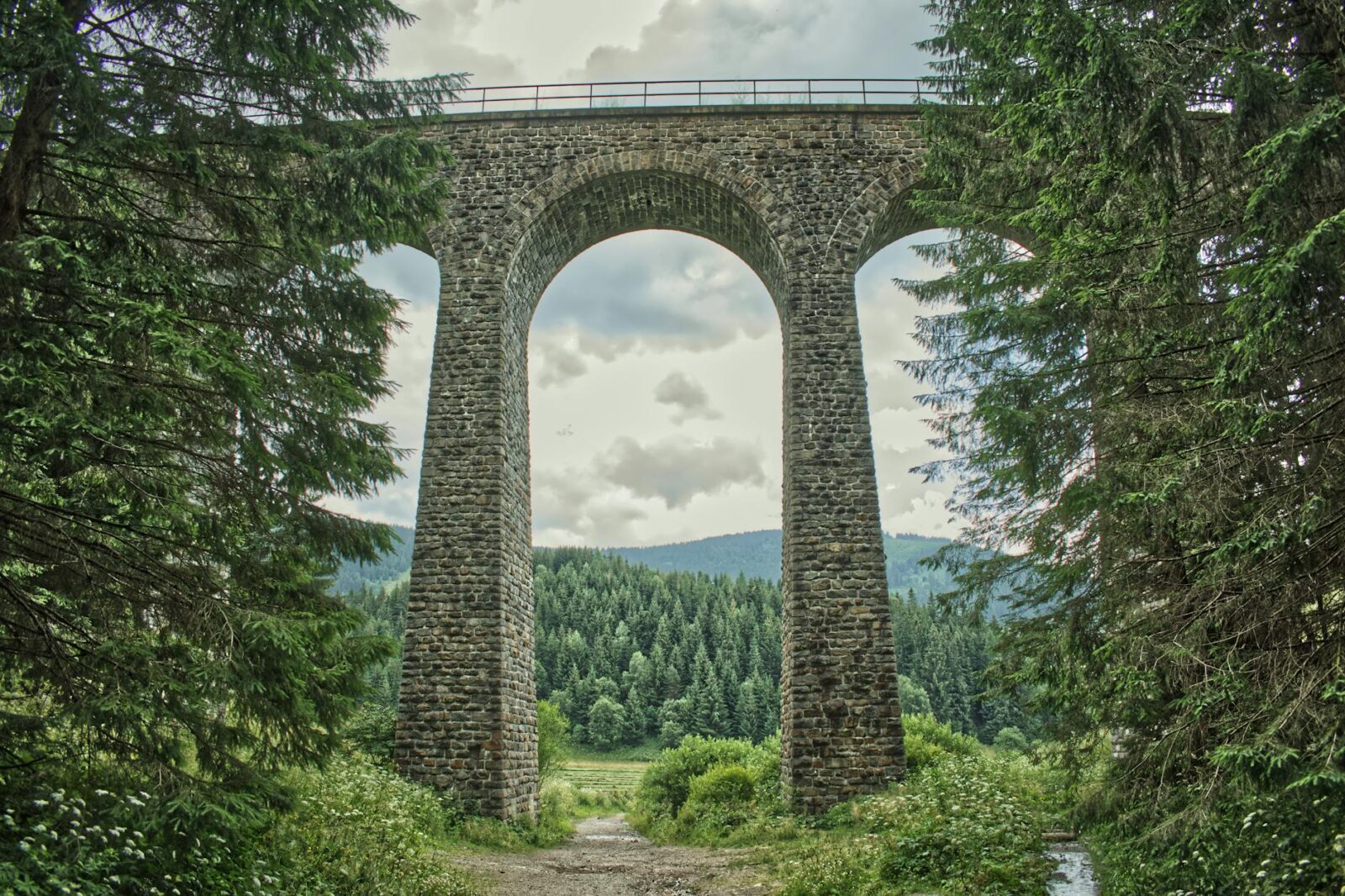
Bridging Time: The Ancient Roman Bridges
The Romans were pioneers in bridge construction, and many of their structures still stand today, testifying to their advanced engineering skills. The Alcántara Bridge in Spain, built over the Tagus River in AD 106, is one such example, showcasing the durability of Roman architecture.
This stone arch bridge, with its imposing design and historical significance, attracts history enthusiasts and tourists alike. Visiting these ancient structures offers a glimpse into the past, where one can imagine the bustling trade and movement that once flowed across them, shaping the course of civilizations.
Record Breaker: Danyang–Kunshan Grand Bridge, China
Spanning an incredible 102.4 miles (164.8 kilometers), the Danyang–Kunshan Grand Bridge holds the Guinness World Record for the longest bridge in the world. This viaduct is part of the Beijing–Shanghai High-Speed Railway and was completed in 2010.
Travelers on the high-speed train experience a seamless journey across the Yangtze Delta, witnessing the vastness of China’s landscape. The bridge represents the pinnacle of modern engineering and China’s rapid development in transportation infrastructure, making it a must-see for those exploring the technological advancements of the 21st century.
Gateway to the Falls: Victoria Falls Bridge, Zambia/Zimbabwe
Perched between Zambia and Zimbabwe, the Victoria Falls Bridge offers a spectacular view of one of the world’s largest waterfalls. Completed in 1905, it not only serves as a border crossing but also as a historical landmark and a thrilling adventure destination.
Visitors can engage in activities such as bungee jumping or taking a scenic train ride that runs across this majestic structure. The bridge itself is a piece of colonial history, having been constructed during the British Empire’s expansion in Africa. It stands as a testament to the era’s ambition to connect the vast African continent.
The Bridge of Peace: Peace Bridge, USA/Canada
Spanning the Niagara River between Buffalo, New York, and Fort Erie, Ontario, the Peace Bridge symbolizes the long-standing friendship between the United States and Canada. Opened in 1927, it has been a vital link for trade and tourism between the two nations.
Travelers crossing the Peace Bridge can enjoy views of the Niagara River and the nearby Great Lakes. It’s a popular route for tourists visiting the Niagara Falls region, providing easy access to the natural beauty and attractions on both sides of the border. The bridge’s name reflects the peaceful relationship and cooperation that has endured for nearly a century.
Practical Takeaways for Travelers
These bridges are not just feats of engineering; they are destinations in their own right. For travelers seeking to explore these architectural marvels, it’s important to plan visits during off-peak hours to avoid crowds, especially in popular tourist destinations like the Golden Gate Bridge or the Bosphorus Bridge. Many bridges offer pedestrian access, providing unique vantage points for photography and sightseeing. Always check local weather conditions, as some bridges may offer different experiences depending on the time of year.
Frequently Asked Questions
What is the longest bridge in the world?
The Danyang–Kunshan Grand Bridge in China is the longest bridge in the world, stretching 102.4 miles (164.8 kilometers) as part of the Beijing–Shanghai High-Speed Railway.
Can you walk across the Golden Gate Bridge?
Yes, the Golden Gate Bridge has pedestrian walkways on both sides. Walking or cycling across offers stunning views of San Francisco Bay and the Pacific Ocean.
What is unique about the Victoria Falls Bridge?
The Victoria Falls Bridge not only connects Zambia and Zimbabwe but also offers breathtaking views of Victoria Falls, and is a popular spot for bungee jumping and scenic train rides.
How are living root bridges made?
Living root bridges in Meghalaya, India, are made by guiding the roots of the rubber fig tree across rivers and streams, taking 15 to 20 years to become fully functional.
Why is the Peace Bridge significant?
The Peace Bridge symbolizes the friendship between the USA and Canada and is a key trade and travel link across the Niagara River, near the Niagara Falls.
Stay informed with the latest travel news, visa updates, and destination guides. Follow HimalayanCrest.com for weekly travel intelligence delivered by our editorial team.