


Striking a New Blow Against Illegal Deforestation
Imagine walking through your local supermarket, picking up a bar of chocolate or a bottle of cooking oil, unaware that these everyday items might be contributing to the destruction of the world’s precious rainforests. The UK government has announced a groundbreaking step to ensure that these products no longer play a part in illegal deforestation, unveiling new rules during the London Climate Action Week on June 23, 2026. This initiative aims to harness the powers of the Environment Act and strengthen the UK Timber Regulation, ensuring that commodities like soy, palm oil, cocoa, and rubber are sourced responsibly.
Details of the New Regulatory Framework
The new regulations will require UK businesses to conduct due diligence to confirm that their supply chains are not involved in illegal deforestation. This applies to all companies dealing in products where such commodities are key ingredients, including chocolate, cooking oils, shampoos, and cosmetics. By ensuring that these goods are ethically sourced, the UK aims to protect vital habitats and support global biodiversity efforts. The government emphasizes that voluntary actions by businesses have not been enough to address the scale of deforestation, necessitating this mandatory regulatory approach.
Who Will Be Affected by These Changes?
The regulations will impact a wide range of stakeholders, from large corporations importing raw materials to small retailers selling finished products. Consumers in the UK can expect greater transparency and assurance that their purchases do not contribute to environmental harm. Internationally, producers in countries known for deforestation-linked commodities will need to adapt to meet the UK’s standards. This move is likely to influence other nations, encouraging a shift toward more sustainable practices globally.

Steps for Businesses to Comply with New Rules
To comply with the new regulations, businesses must implement rigorous supply chain checks. This involves:
- Conducting thorough audits of suppliers to ensure compliance with deforestation laws.
- Maintaining detailed records and documentation to demonstrate due diligence.
- Collaborating with international partners to source products responsibly.
- Engaging third-party certification bodies to verify sustainable practices.
Companies can visit the official UK government website for detailed guidance and updates on compliance procedures.
Global Context: How Other Nations Tackle Deforestation
The UK’s approach mirrors and expands on strategies seen in other countries. For instance, the European Union’s Timber Regulation also seeks to curb illegal logging by requiring traders to prove that timber is legally harvested. Meanwhile, countries like Norway and Brazil have implemented policies that promote sustainable forest management and conservation efforts. This new UK policy could set a precedent, encouraging broader international collaboration and standard-setting.
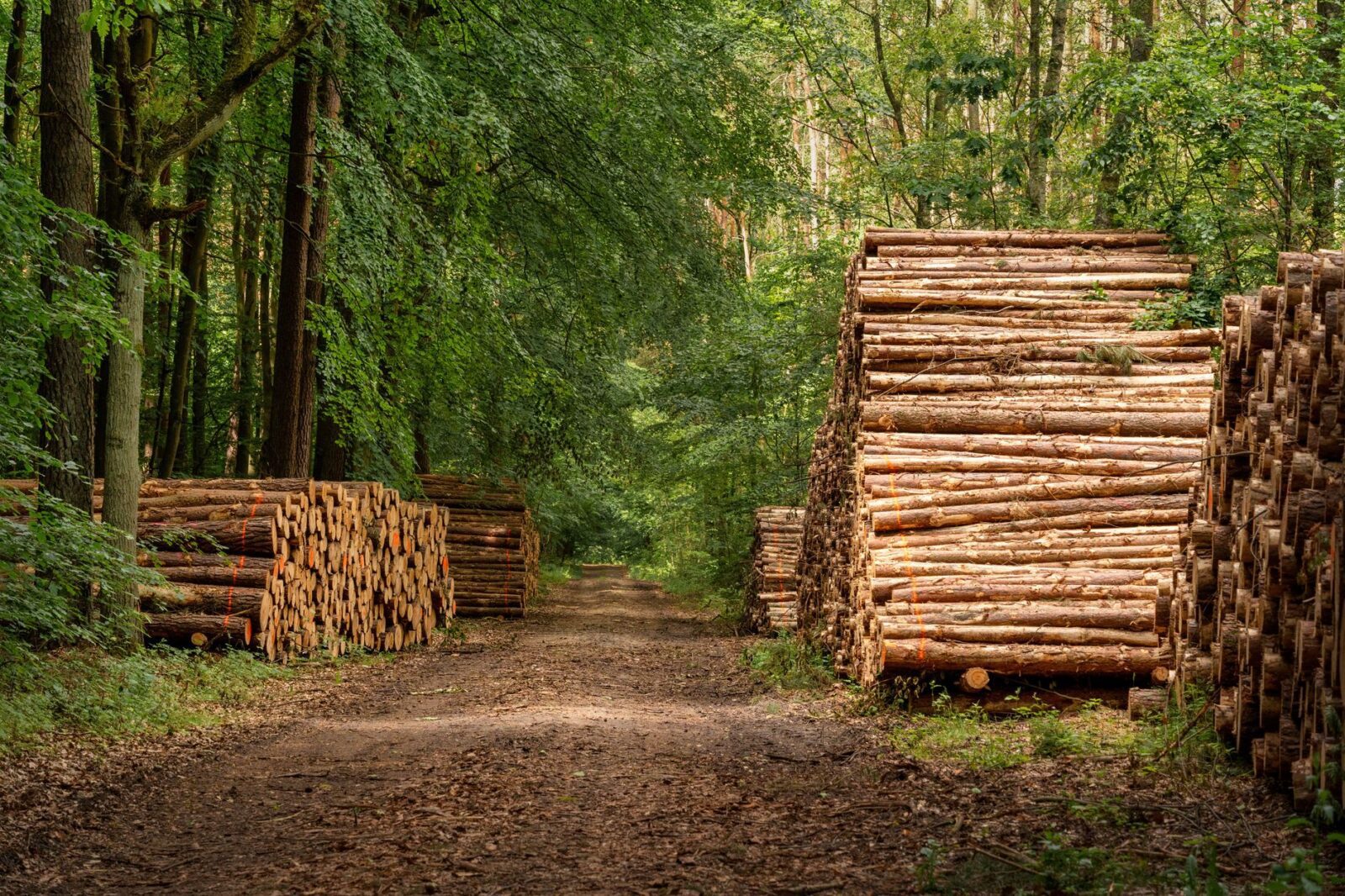
Implications for Investors and Digital Nomads
For investors, the UK’s deforestation regulations signal a shift toward ethical investing. Companies adhering to these standards may present safer investment opportunities, aligning with growing consumer demand for sustainability. Digital nomads and expats interested in sustainability may find the UK an attractive destination, as the country demonstrates its commitment to environmental responsibility. This could impact residency and citizenship decisions, emphasizing the importance of ethical and sustainable living.
FAQs on the UK’s New Deforestation Rules
What products are affected by the new deforestation rules?
Products containing soy, palm oil, cocoa, rubber, and similar commodities will be impacted, including food items, cosmetics, and personal care products.
How can businesses ensure compliance with these regulations?
Businesses should conduct thorough supply chain audits, maintain documentation, and engage with certification bodies to verify compliance.
Will these regulations affect consumer prices?
While there might be slight increases due to compliance costs, the overall impact on prices is expected to be minimal compared to the environmental benefits.
How does this policy align with global deforestation efforts?
The UK’s policy complements international efforts by setting a high standard for ethical sourcing and encouraging other nations to adopt similar measures.
Where can businesses find official guidance on these regulations?
Businesses can refer to the UK government’s official website for detailed guidelines and updates on the new deforestation rules.
Concluding Thoughts
The UK’s commitment to tackling illegal deforestation marks a significant step forward in global environmental efforts. By ensuring that everyday products are sourced sustainably, the UK not only protects vital ecosystems but also sets an example for other nations to follow. We encourage readers to share their thoughts and engage in discussions about how these changes might influence global trade and environmental policies.
Stay informed with the latest travel news, visa updates, and destination guides. Follow HimalayanCrest.com for weekly travel intelligence delivered by our editorial team.