

Experiencing Nepal: A Journey Through Time
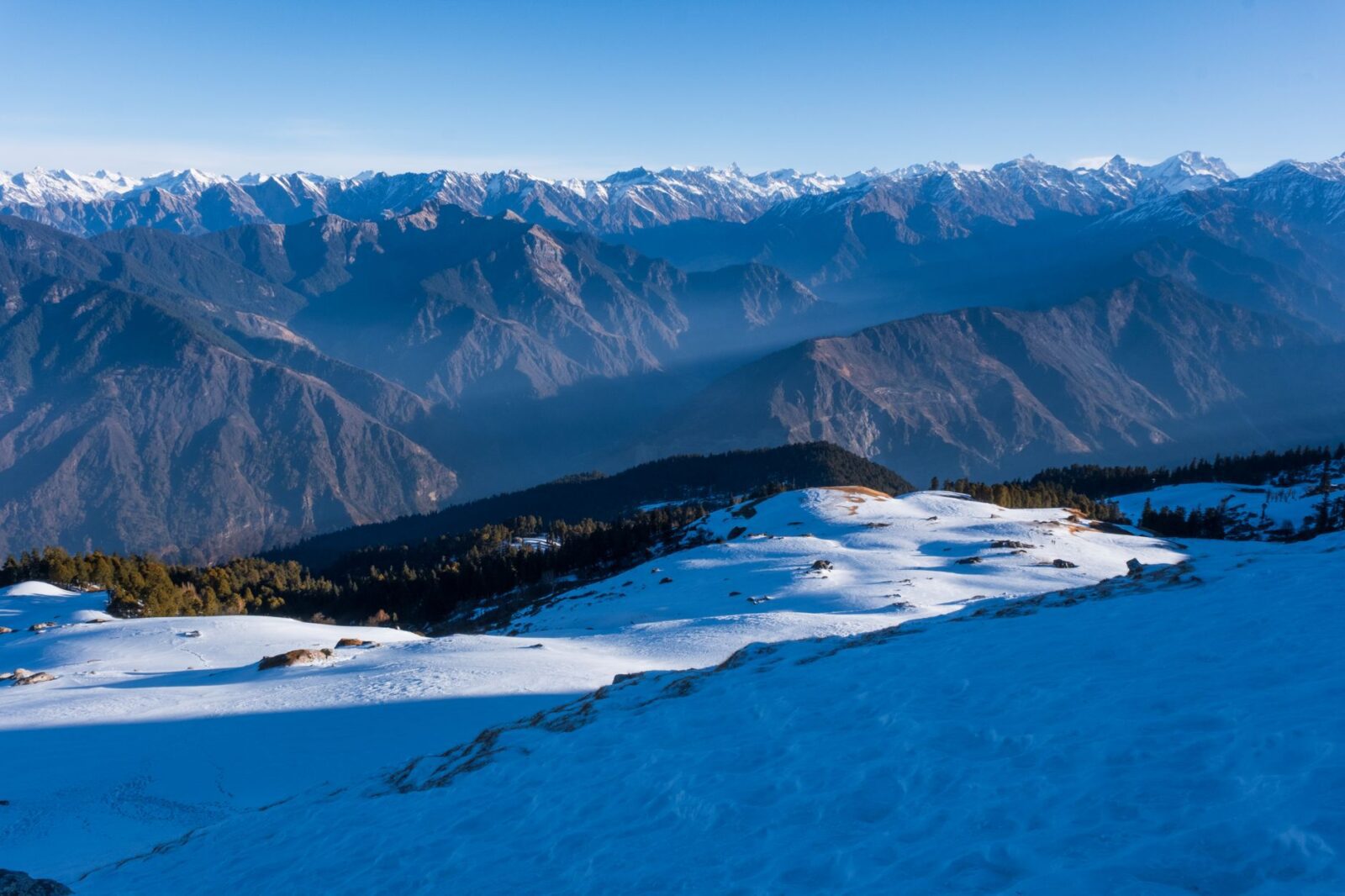
Imagine standing at the edge of a cliff in the Annapurna region, where the air is crisp, and the panoramic views of snow-capped mountains stretch endlessly before you. The sound of a distant monastery bell echoes through the valleys, a gentle reminder of the spiritual heritage that permeates this Himalayan paradise. For trekkers and travelers, Nepal offers an adventure that is as varied as its landscapes, with each month bringing its own unique charm and challenges.
January to March: The Winter Wonderland
During January, Nepal is enveloped in the serene beauty of winter. Temperatures in Kathmandu range from 4°C (39°F) to 19°C (66°F), while higher altitudes can plunge well below freezing. Despite the cold, this period offers an unmatched tranquility on trails such as the Everest Base Camp, where the skies are often clear, and the crowds are minimal. However, trekking in these months requires proper gear, including insulated jackets and sturdy boots, to navigate snowy paths.
February continues the winter narrative, with slightly warmer days. This is an excellent time for those seeking solitude and a chance to experience the cultural richness of Nepal’s festivals, such as Maha Shivaratri, celebrated with fervor in Kathmandu.
April to June: Spring Blossoms and Warmth
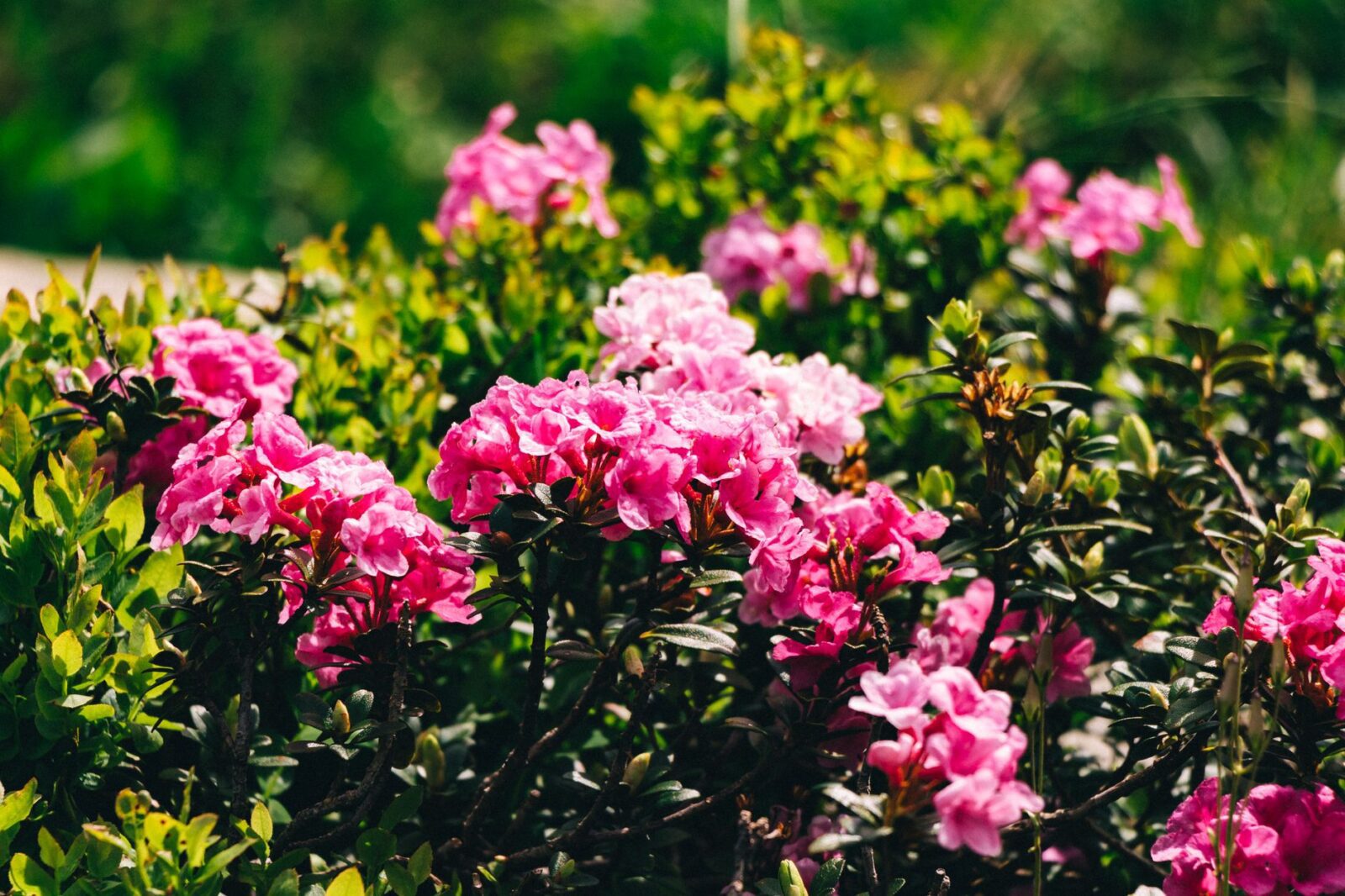
April marks the beginning of the spring trekking season, where trails burst into life with rhododendron blooms. Temperatures are comfortable, ranging from 8°C (46°F) to 23°C (73°F) in Kathmandu. It’s a prime time for scenic treks like the Langtang Valley, where floral landscapes and wildlife sightings are abundant.
By May, the warmth increases, and the trails become more crowded. This is the last month before the monsoon arrives, making it ideal for both trekking and cultural tours. Travelers should be prepared for warmer days and carry sun protection gear.
July to September: Monsoon Mystique
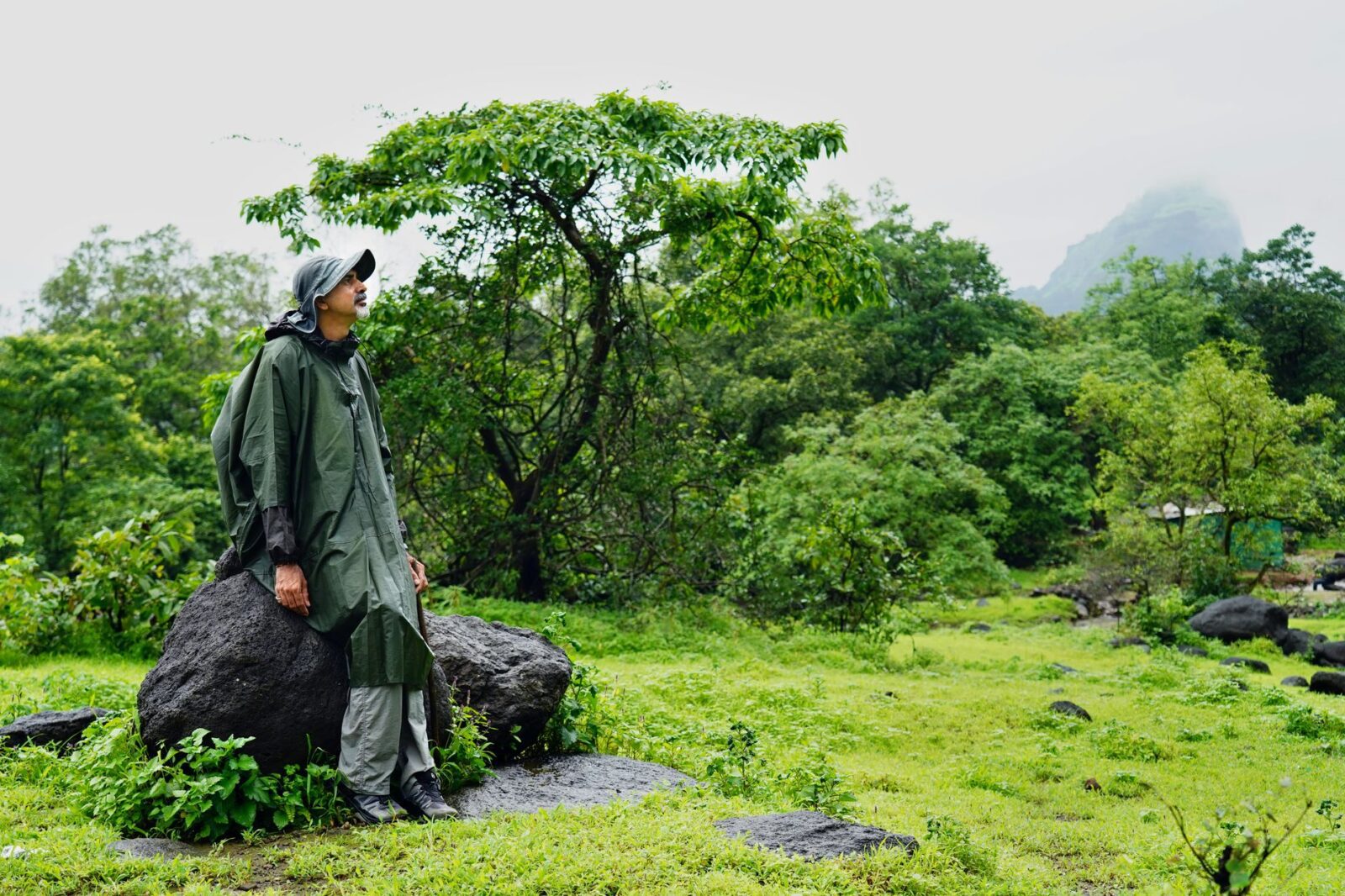
The monsoon season from July to September transforms Nepal into a lush green haven. While the heavy rains can lead to muddy and slippery trails, the lesser-known regions such as Mustang offer a rain-shadow area with drier conditions. Temperatures in Kathmandu average between 20°C (68°F) and 27°C (81°F), making it crucial to carry rain gear and waterproof trekking boots.
Travelers during this time can enjoy the vibrant festivals like Janai Purnima and the quieter atmosphere in urban areas. However, it’s essential to be cautious of landslides and flight delays, particularly in mountainous regions.
October to November: The Golden Season
October and November are widely acclaimed as the best months to visit Nepal. Post-monsoon, the skies are clear, offering spectacular mountain views and stable weather conditions. With temperatures ranging from 10°C (50°F) to 25°C (77°F) in Kathmandu, these months attract trekkers worldwide to routes like the Annapurna Circuit and Everest Base Camp.
The teahouses along the trails are bustling, so booking in advance is recommended. This season provides a perfect blend of adventure and cultural experiences, with festivals like Dashain and Tihar adding to the vibrant tapestry of Nepali life.
December: A Quiet Retreat
As December approaches, the chill returns to the air, and the trekking crowds dwindle. This is an opportune time for those who seek a more introspective journey amidst the serene landscapes. The lower elevations remain accessible, and the clear skies continue to offer breathtaking views, especially in the Annapurna and Langtang regions.
Practical Tips for Trekking in Nepal
Regardless of the season, obtaining the necessary permits is crucial. A TIMS card, costing around $20 USD, is required for most trekking routes, alongside national park fees that vary depending on the area.
Guides and porters can enhance your trekking experience, with daily rates averaging $25 USD for guides and $20 USD for porters. Tipping, while not mandatory, is appreciated and generally ranges from 10-15% of the total service cost.
For accommodations, teahouses provide basic yet comfortable lodging at approximately $5-$10 USD per night, offering an authentic taste of local hospitality.
Health and Safety Considerations
Altitude sickness is a common concern in Nepal’s high-altitude treks. It’s vital to acclimatize properly, stay hydrated, and recognize symptoms early. Carrying water purification tablets and purchasing evacuation insurance is advisable for emergencies.
Respecting local customs, such as removing shoes before entering temples and dressing modestly, enhances your cultural experience. Sustainable trekking practices, like minimizing waste and supporting local businesses, ensure that Nepal’s beauty remains preserved for future generations.
FAQs
What is the best month to visit Nepal for trekking?
October and November are considered the best months for trekking due to clear skies and stable weather conditions.
Is it possible to trek in Nepal during the monsoon season?
Yes, trekking is possible in regions like Mustang, which are less affected by rain, but be prepared for potential challenges such as landslides.
Do I need a guide for trekking in Nepal?
While not mandatory, hiring a guide can enhance your experience by providing local insights and ensuring safety.
What should I pack for a trek in Nepal?
Essentials include layered clothing, waterproof gear, a first-aid kit, water purification tablets, and sturdy hiking boots.
How can I prevent altitude sickness?
Acclimatize gradually, stay hydrated, avoid alcohol, and recognize symptoms early to prevent altitude sickness.
Stay informed with the latest travel news, visa updates, and destination guides. Follow HimalayanCrest.com for weekly travel intelligence delivered by our editorial team.