

CDC Upgrades Travel Advisory to Level 2 for Ebola Outbreak in Central Africa
As of August 12, 2026, the U.S. Centers for Disease Control and Prevention (CDC) has issued a Level 2 Travel Health Notice for the Democratic Republic of the Congo (DRC) and Uganda due to an ongoing outbreak of Bundibugyo virus disease (BVD). This designation means travelers should practice enhanced precautions when visiting these countries, though nonessential travel is not yet discouraged. The alert specifically covers Uganda and DRC provinces not currently experiencing active transmission, while advising against all travel to Ituri and Nord-Kivu provinces in the DRC unless for humanitarian aid. The Bundibugyo virus, a less common but still deadly strain of Ebola, has caused sustained transmission in eastern DRC since early May 2026, with confirmed cases spilling over into neighboring Uganda. This marks the first major Ebola outbreak in the region since the 2022 Zaire ebolavirus epidemic, prompting heightened vigilance from global health authorities.
Understanding the Bundibugyo Virus and Its Risks to Travelers
Bundibugyo virus disease presents symptoms similar to other Ebola strains, including fever, severe headache, muscle pain, weakness, fatigue, diarrhea, vomiting, abdominal pain, and unexplained hemorrhage. The incubation period ranges from 2 to 21 days, with most cases showing symptoms within 8-10 days. While historically associated with lower fatality rates than Zaire ebolavirus (typically around 25-35% compared to up to 90%), BVD remains a serious public health threat requiring immediate medical attention if symptoms develop. Transmission occurs through direct contact with blood or bodily fluids of infected individuals or contaminated surfaces and materials. Unlike respiratory illnesses, Ebola is not spread through air, water, or food, but travelers should still avoid contact with sick individuals, wildlife (particularly bats and primates), and traditional burial practices that involve handling corpses.
Specific Travel Restrictions and Entry Requirements for Affected Regions
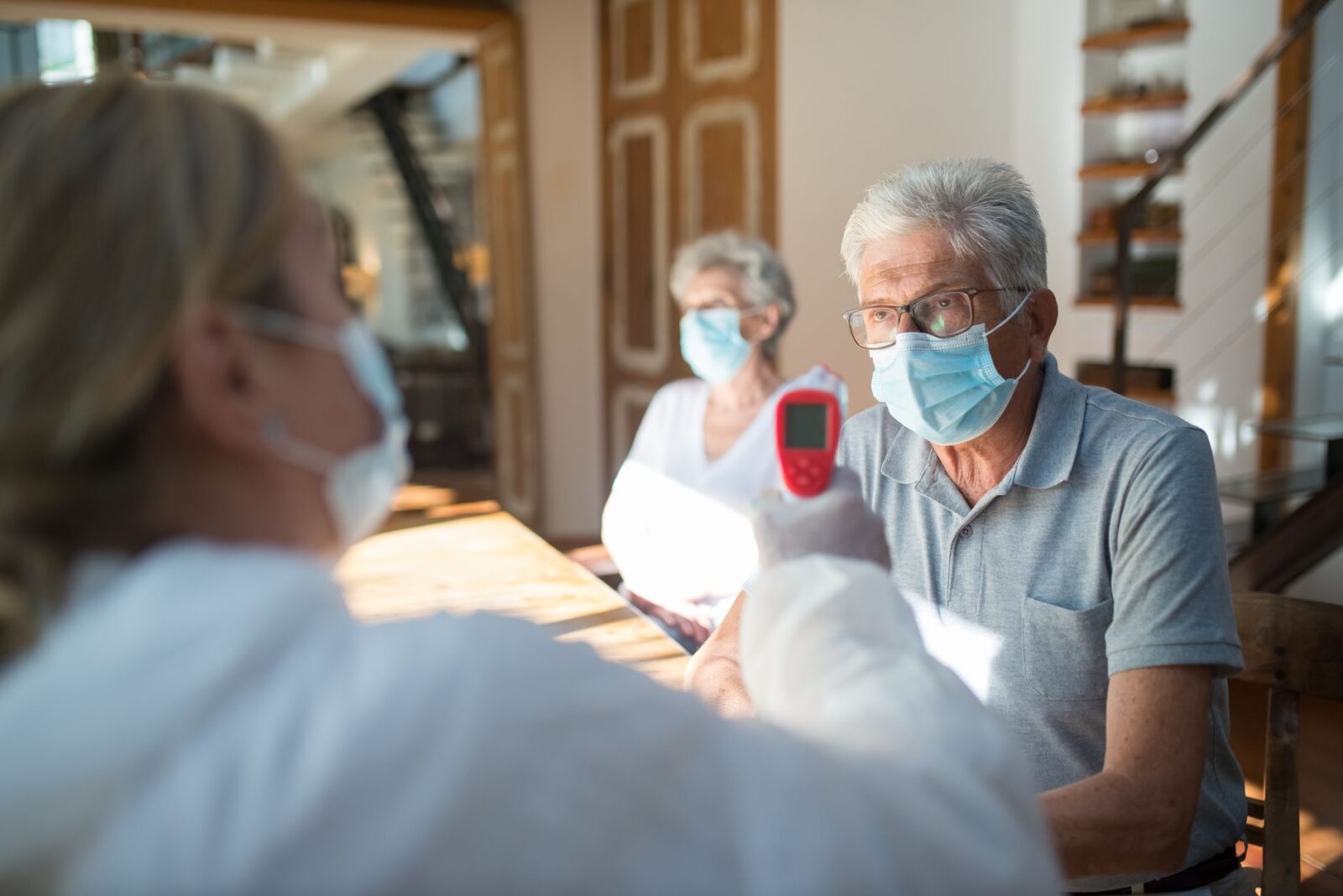
The CDC has implemented targeted entry screening measures for travelers arriving in the United States from the DRC, Uganda, and South Sudan. U.S. nationals who have been in the DRC within 21 days of their flight are temporarily restricted from boarding commercial flights carrying other U.S. passengers unless traveling for approved humanitarian or emergency response work. These individuals must remain outside the DRC for a full 21 days before entering the United States. For travelers who have been in Uganda or South Sudan (but not the DRC) within 21 days of arrival in the U.S., entry is permitted only through designated airports equipped for enhanced health screening. As of August 2026, these airports include Atlanta (ATL), Chicago O’Hare (ORD), New York JFK, Newark (EWR), San Francisco (SFO), Seattle (SEA), and Washington Dulles (IAD). All such travelers undergo temperature checks, symptom assessments, and potential rapid testing upon arrival, with monitoring continuing for up to 21 days post-entry.
Step-by-Step Guidance for Travelers Currently in or Planning to Visit Affected Areas
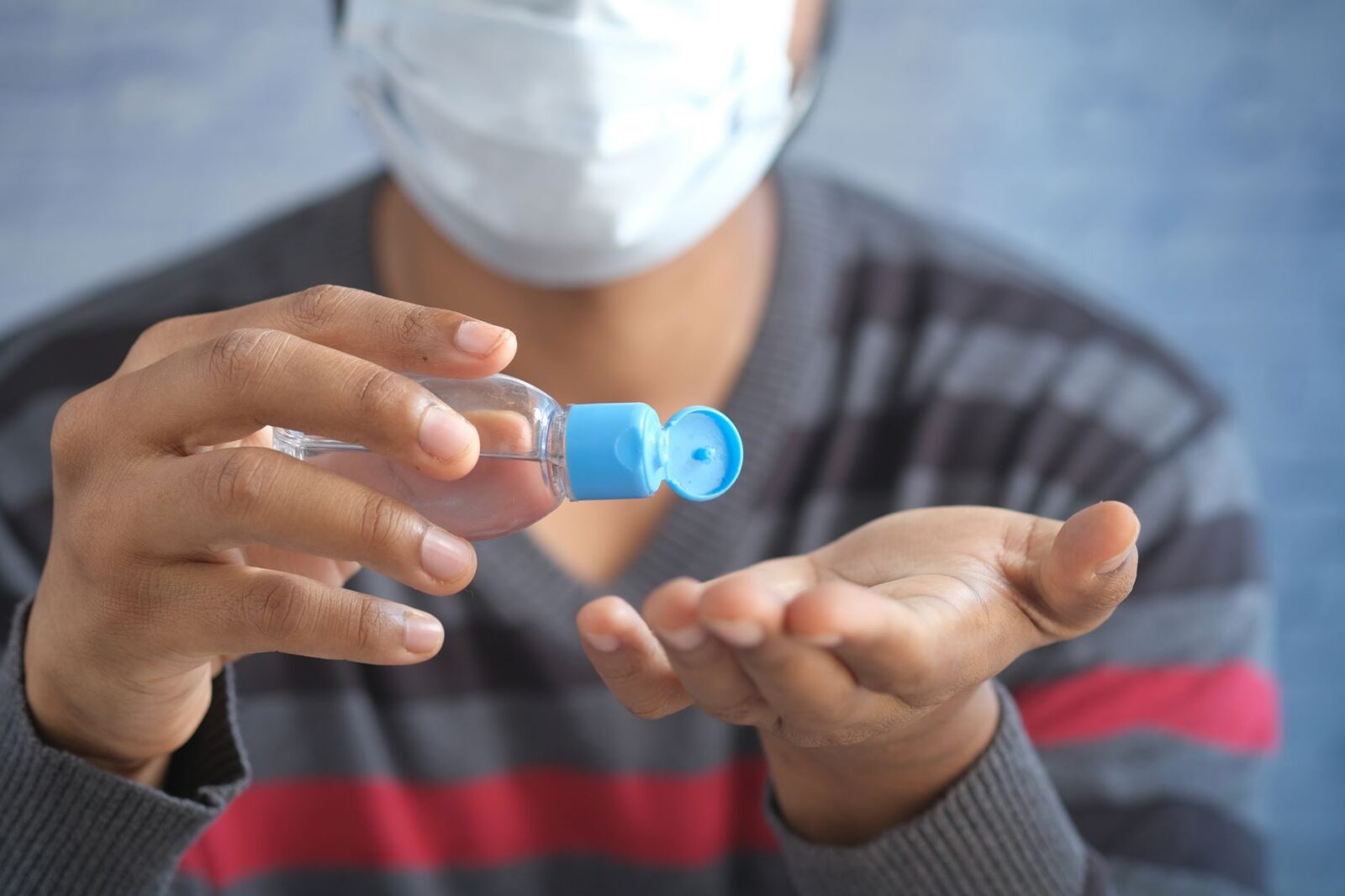
If you are currently in the DRC or Uganda, monitor your health closely for 21 days after potential exposure. Seek immediate medical care if you develop fever or other Ebola-like symptoms, and inform healthcare providers about your recent travel history before arriving at the facility to prevent potential transmission. Avoid contact with blood or bodily fluids of others, and do not handle items that may have come into contact with an infected person’s secretions. Practice regular hand hygiene with soap and water or alcohol-based sanitizers. For those planning future travel, consult the CDC’s Travelers’ Health page for the DRC and Uganda for updated recommendations. Consider purchasing travel insurance that covers medical evacuation and treatment for infectious diseases, as standard policies may exclude epidemics. Always register your trip with your country’s embassy or consulate upon arrival so officials can assist in emergencies.
Impact on Expats, Digital Nomads, Investors, and Citizenship Seekers
The Level 2 advisory introduces logistical challenges for long-term residents and professionals in the region. Digital nomads relying on co-working spaces in Kampala or Goma may face disrupted internet services if local clinics implement infection control measures that limit public gatherings. Expatriates employed by NGOs or mining companies in eastern DRC should verify whether their employers have activated emergency evacuation protocols, as many firms now require staff to relocate to safer zones like Kinshasa or Entebbe during outbreaks. For investors exploring residency programs tied to real estate or business ventures in Uganda or the DRC, processing times may slow due to reduced embassy operations and health screenings at visa application centers. Citizenship-by-investment applicants should note that some countries require clean health certificates as part of due diligence, and recent travel to outbreak zones could trigger additional medical scrutiny, though no automatic disqualifications exist solely based on Ebola exposure without infection.

How Other Countries Are Responding to the Outbreak
While the U.S. has implemented enhanced screening rather than travel bans, several nations have adopted stricter measures. The United Kingdom advises against all but essential travel to Ituri and Nord-Kivu provinces and recommends enhanced precautions elsewhere in the DRC and Uganda, similar to the CDC’s stance. France has temporarily suspended nonessential visa processing for applicants residing in outbreak-affected zones, requiring additional medical evaluations before issuance. Kenya and Rwanda have instituted mandatory temperature checks and health questionnaires for all incoming travelers from the DRC and Uganda at land borders and airports, with isolation facilities ready for symptomatic cases. In contrast, South Africa maintains standard entry requirements but has increased surveillance at ports of entry, relying on self-reporting and airline notifications rather than mandatory testing. The World Health Organization continues to coordinate regional response efforts but has not recommended international travel or trade restrictions, emphasizing that the risk of global spread remains low with proper containment measures.
Official Resources and Where to Find Verified Information
Travelers should rely exclusively on official sources for accurate, up-to-date guidance. The CDC’s dedicated Ebola situation summary page (https://www.cdc.gov/ebola/situation-summary/index.html) provides real-time case counts, transmission maps, and prevention advice updated multiple times weekly. For country-specific entry requirements, consult the U.S. Embassy in Kampala (https://ug.usembassy.gov) and the U.S. Embassy in Kinshasa (https://cd.usembassy.gov), which post alerts affecting American citizens. The World Health Organization’s outbreak news archive (https://www.who.int/emergencies/disease-outbreak-news) offers technical reports on case definitions, containment strategies, and vaccine deployment efforts. U.S. citizens needing consular assistance can contact the Department of State’s Office of Overseas Citizens Services at +1-202-501-4444 (from abroad) or +1-888-407-4747 (from the U.S. and Canada). Always verify information through .gov or .int domains to avoid misinformation circulating on social media platforms.
Practical Precautions Every Traveler Should Take Right Now
Whether you are in the affected region or planning future travel, several actionable steps can reduce your risk. Pack a personal health kit including thermometers, alcohol-based hand sanitizer (at least 60% alcohol), disinfecting wipes, and a supply of any prescription medications in case local pharmacies become inaccessible. Avoid consuming bushmeat or visiting markets where live animals are sold, as these are potential zoonotic transmission points. If you must visit healthcare facilities for non-Ebola-related care, call ahead to confirm they are not treating active cases and inquire about infection control protocols. Stay informed through reliable news outlets and official health advisories rather than unverified social media rumors. Finally, ensure your routine vaccinations are up to date—while no Ebola vaccine is widely available for preventive use in travelers, being protected against other illnesses like yellow fever, typhoid, and hepatitis A/B reduces strain on local healthcare systems during outbreaks.
Stay informed with the latest travel news, visa updates, and destination guides. Follow HimalayanCrest.com for weekly travel intelligence delivered by our editorial team.