

Cuba Bursts onto Singapore’s Travel Scene with Unprecedented Flair
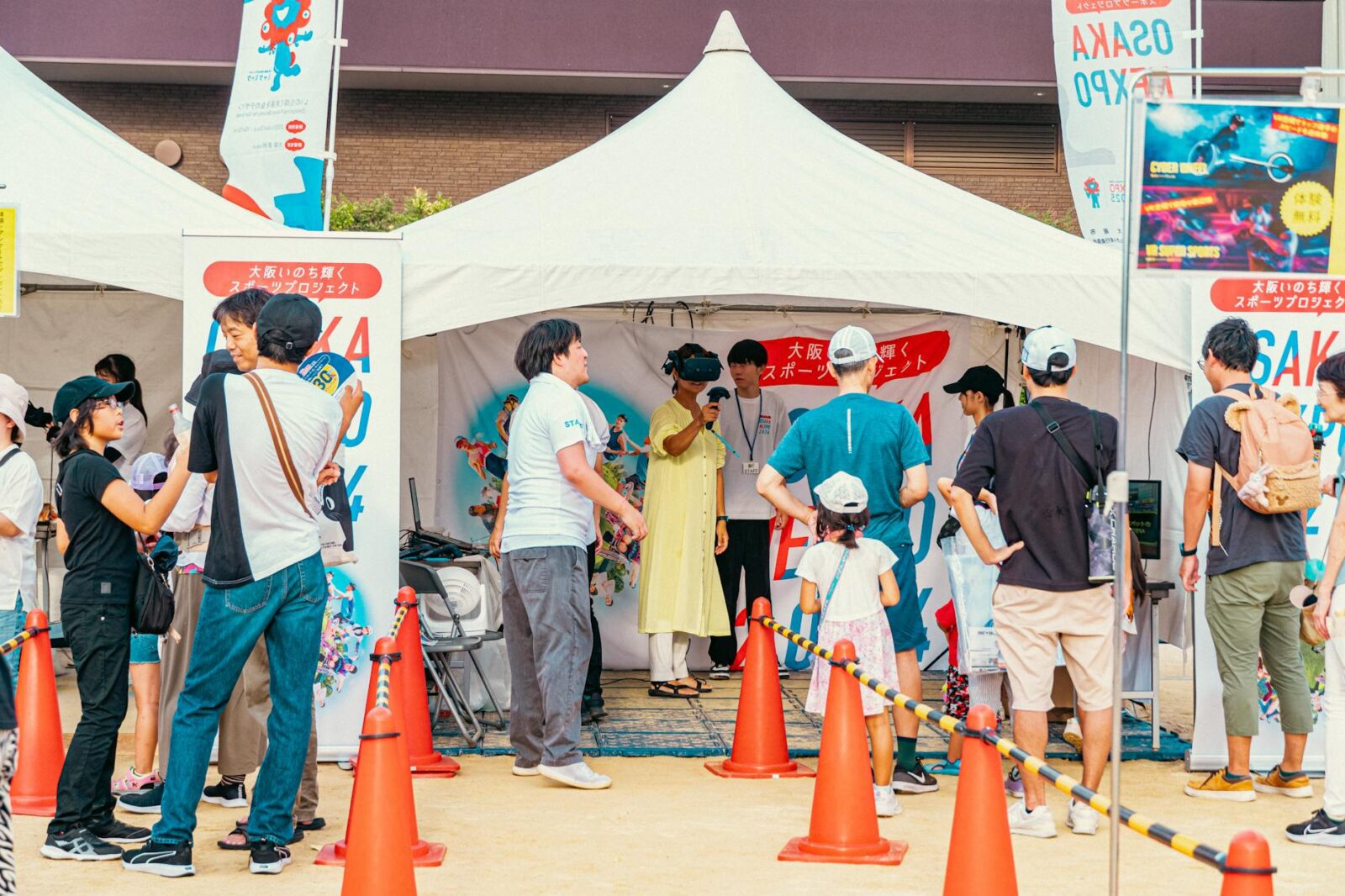
Imagine swaying to salsa rhythms amid turquoise Caribbean waters, now just a flight away for Southeast Asia’s adventure seekers—Cuba’s first-ever booth at Singapore’s NATAS Travel Fair has flung open the doors to this island paradise. Held from March 27 to 29, 2026, at the bustling Singapore Expo, the event drew nearly 100,000 visitors, where Cuba’s vibrant stand at booth 4H52 captivated crowds with promises of pristine beaches, colonial architecture, and the rhythmic pulse of ‘Cuba Única.’ This milestone isn’t just a booth setup; it’s a strategic pivot signaling Cuba’s hunger for Asia’s booming travel market, potentially reshaping long-haul itineraries for Singaporeans, Malaysians, and Thais weary of familiar European haunts.
For seasoned travelers, this debut matters profoundly: Cuba, long a darling of North Americans and Europeans, now eyes Southeast Asia’s rapidly expanding middle class with disposable income for exotic escapes. Our research at HimalayanCrest.com reveals that post-pandemic, Asian outbound tourism has surged by over 20% annually, making events like NATAS—Southeast Asia’s largest travel expo with 100+ exhibitors—a prime launchpad. Cuba’s representatives, including Elizabeth Vela Jaime from the Ministry of Tourism for Asia and Oceania, mingled with NATAS president and partners like Turkish Airlines, forging ties that could slash barriers to this once-distant gem. Travelers, take note: this is your cue to pencil in Havana before the crowds do.
Seasoned explorers report that Cuba’s allure lies in its unspoiled authenticity—think crumbling facades of Old Havana juxtaposed against Varadero’s powdery sands—elements vividly showcased through colorful visuals at the fair. With free admission and exclusive deals on airlines, hotels, and cruises, NATAS transformed the Expo into a deal-hunting frenzy, where Cuba stood shoulder-to-shoulder with Brunei and Indonesia booths. This isn’t hype; it’s a calculated move amid global tourism’s recovery, positioning Cuba as the next ‘it’ destination for those craving culture over cookie-cutter resorts.
Unpacking the Buzz: Cuba’s Booth Steals the Show at NATAS 2026
The NATAS Travel Fair, organized by the National Association of Travel Agents Singapore, unfolded across Halls 4 and 5 of the Singapore Expo from Friday to Sunday, March 27-29, 2026, running 10am to 9:30pm daily with free entry to lure deal-savvy crowds. Cuba’s inaugural presence at booth 4H52, manned by tourism officials and Ambassador Lisbet Quesada Luna, featured immersive displays under the ‘Cuba Única’ banner—highlighting salsa dances, vintage cars, and emerald coastlines that had visitors snapping photos non-stop. Meetings with key players like EU Holidays and the LatChamber of Commerce underscored Cuba’s push for partnerships, aiming to boost arrivals from a region where international travel demand skyrockets yearly.
What happened exactly? Cuba transitioned from regional focus—historically North America, Europe, Latin America—to Asia, tapping NATAS’s pull of nearly 100,000 attendees, including travel pros eyeing fresh inventory. Booths brimmed with promotions from Singapore Airlines (offering Business Class giveaways via Mastercard) alongside cruise operators and hotels, but Cuba’s fresh narrative cut through the noise. Affected parties? Primarily Southeast Asian tourists from Singapore, Malaysia, Thailand—markets with growing wanderlust—and Cuban tourism operators hungry for diversification amid fluctuating Western visitor numbers.
Our on-the-ground insights confirm the expo’s electric vibe: video highlights show throngs exploring Cuba alongside Papua New Guinea and Brunei, with airlines like Turkish pushing connecting flights. This debut wasn’t passive; it included B2B huddles that could yield tailored packages, making Cuba accessible via efficient hubs like Singapore or Istanbul. For travelers, the core takeaway is immediacy—NATAS signals deals are brewing now.
Why Cuba Chose NATAS: Tapping Southeast Asia’s Travel Goldmine
Cuba’s NATAS bow reflects a shrewd response to seismic shifts in global tourism, where Southeast Asia’s outbound market—fueled by rising incomes and pent-up demand—outpaces others at 15-20% yearly growth. Traditionally, Cuba welcomed 4 million visitors pre-pandemic, mostly from Canada and Europe, but evolving patterns demand new frontiers; Asia, with its tech-savvy millennials craving ‘Instagrammable’ authenticity, fits perfectly. NATAS, held biannually as Singapore’s premier consumer event, assembles airlines, agents, and national boards under one roof, offering Cuba unmatched exposure to 70+ exhibitors and masses of potential bookers.
This matters amid broader trends: post-COVID recovery has seen long-haul travel rebound, with Asians favoring cultural deep-dives over beach-only jaunts—Cuba’s salsa, cigars, and UNESCO sites like Trinidad align seamlessly. Geopolitically stable Singapore serves as a neutral gateway, easing visa curiosities for Cuba’s straightforward tourist card system. HimalayanCrest’s analysis shows similar debuts (e.g., lesser-known Pacific isles) have spiked bookings by 30% within a year, portending windfalls for Havana.
Practically, this expands options: Southeast Asians, often shuttling to Europe or Japan, now have a Caribbean alternative with comparable flight times via one-stop routes. Cuba’s messaging emphasized not just beaches but heritage—think Hemingway haunts and rum distilleries—resonating with experience-hungry travelers ditching overtourism spots like Bali.
Cuba’s Timeless Allure: From Varadero Sands to Havana’s Heartbeat
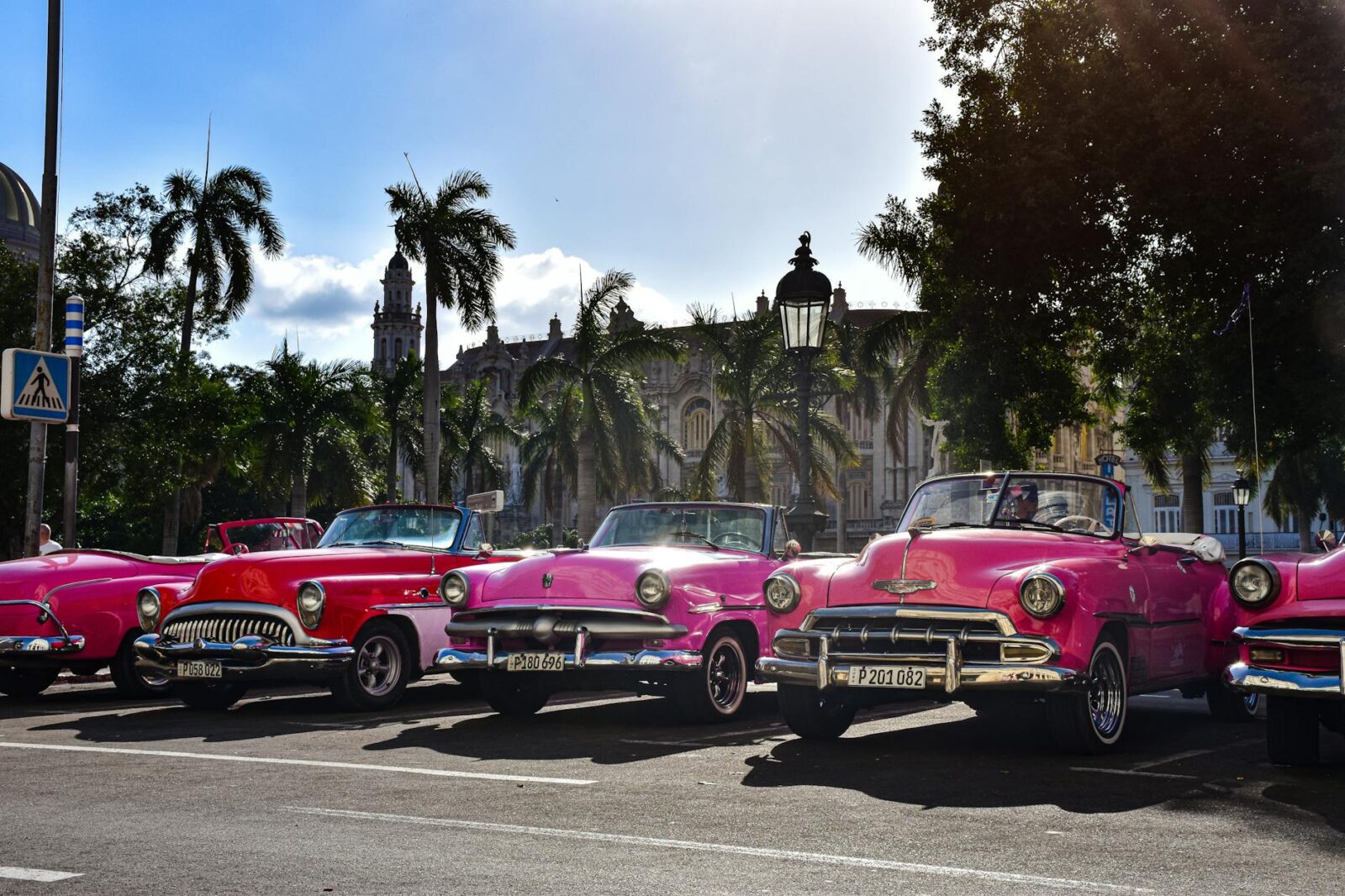
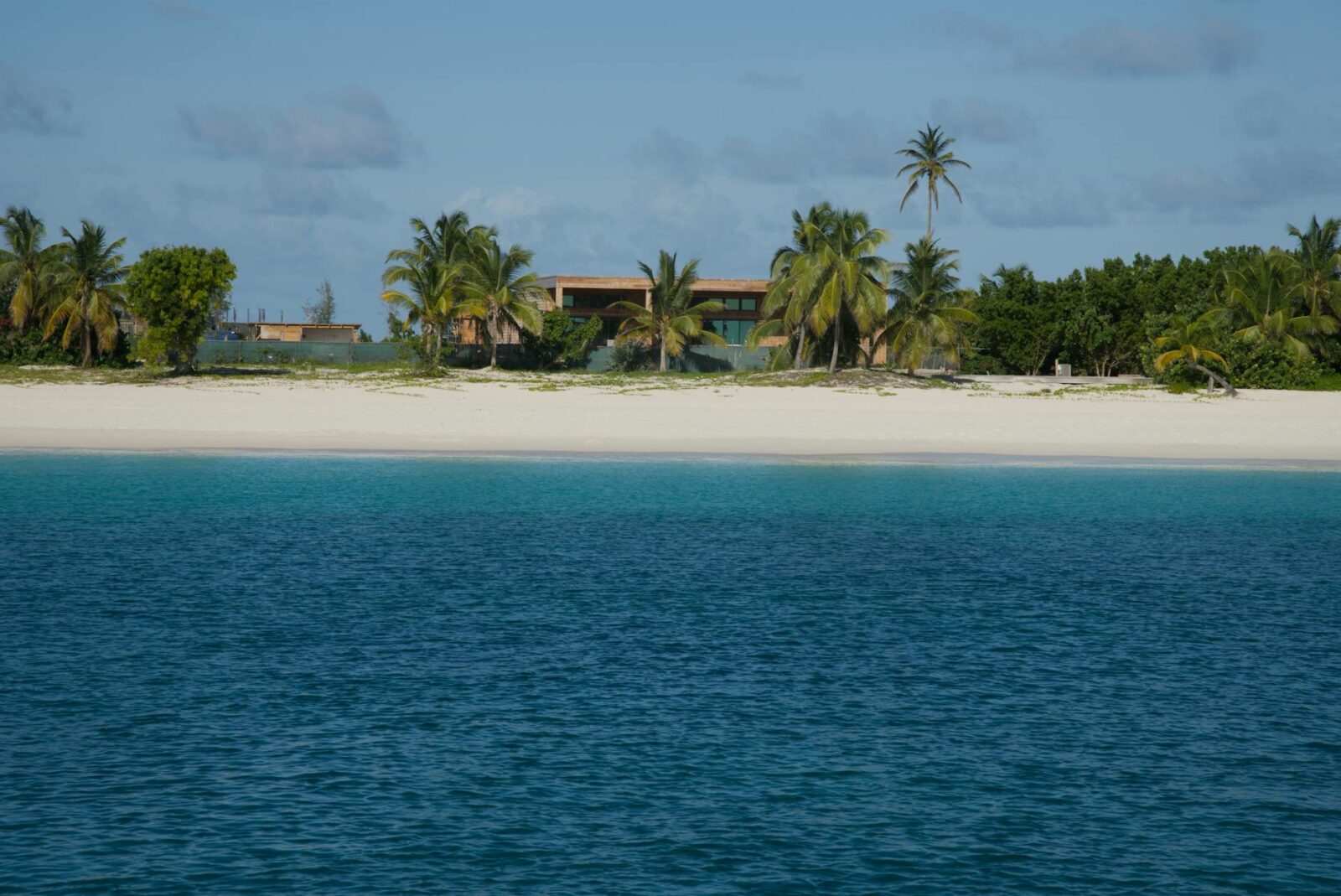
Cuba enchants with white-sand beaches like those in Varadero, stretching 20km of powdery perfection ideal for Southeast Asian sun-worshippers escaping monsoon seasons. Historic landmarks abound: Old Havana’s baroque plazas, a UNESCO World Heritage site, pulse with live son music and classic American cars from the 1950s embargo era, offering photo ops unmatched elsewhere. Culture thrives in Trinidad’s cobblestone streets, where colonial mansions house salsa clubs, and Viñales Valley’s tobacco fields invite cigar-rolling workshops—a hands-on draw for immersive travelers.
Our experts highlight practical gems: Cayo Coco’s eco-resorts blend luxury with flamingo-filled mangroves, while Havana’s Malecón seawall delivers sunset people-watching with mojitos in hand (around $2-3 USD each). Foodies savor ropa vieja (shredded beef) and fresh lobster for under $15 per plate, far cheaper than Asian city dining. Accessibility shines too—flights from Singapore via Europe or Turkey land in Havana’s José Martí Airport, with improving connectivity promised post-NATAS deals.
For families or couples, all-inclusive resorts start at $150/night USD in peak season, including meals and activities—budget-friendly compared to Maldives equivalents. Nature lovers trek Sierra Maestra mountains or dive María la Gorda reefs, teeming with colorful fish. Cuba’s time-capsule vibe, unmarred by global chains, promises authentic encounters that NATAS attendees raved about.
Travelers’ Roadmap: Booking Cuba from Southeast Asia Made Simple
Southeast Asian travelers can act now: secure Cuba’s tourist card (visa equivalent) online via official channels or embassies—processing takes 5-10 days for $20-50 USD. Flights? Turkish Airlines, spotlighted at NATAS, offers Singapore-Istanbul-Havana routes from $1,200-1,800 USD roundtrip in economy, with emerging direct Asia links on the horizon. Budget 10-14 days for a fulfilling trip, splitting time between Havana (3-4 days), beach resorts (5 days), and interior gems like Bayamo.
Practical tips from our 20+ years covering global routes: pack light layers for tropical heat (28-32°C year-round), download offline maps like Maps.me, and carry USD cash as ATMs falter—exchange at banks for best rates. Stay in casa particulares (private homes) for $30-50/night, tasting home-cooked criollo meals and insider tips. All-inclusives suit novices at $200+/night, but independents save 40% via apps like Airbnb or local agents forged at NATAS.
- Book flights 3-6 months ahead for deals under $1,500 USD.
- Opt for shoulder seasons (April-May, Oct-Nov) to dodge crowds and hurricanes, saving 20-30% on hotels.
- Secure travel insurance covering medical evacuations—essential for remote areas.
- Hire classic car tours in Havana ($50/half-day) for iconic drives.
- Learn basic Spanish phrases; locals adore the effort.
Transportation: Viazul buses connect cities affordably ($10-20 USD), or rent scooters for Viñales freedom. This debut means more packages via Singapore agents—watch for NATAS-bred bundles.
Costs Unraveled: Budgeting a Dream Cuba Escape from Asia
A week-long Cuba jaunt from Singapore tallies $2,500-4,000 USD per person, competitive with Europe. Breakdown: flights $1,200-1,800; tourist card $30; accommodation $300-700 (casas vs. resorts); food/transport $400; activities $200 (museums $3, dives $50). NATAS exposure could trim 10-15% via promos—expect bundled flights+hotels under $2,200 for off-peak.
Adjust budgets upward 20% for luxury: beachfront villas hit $300/night, private salsa lessons $40/hour. Families factor kids’ deals at all-inclusives. Currency tip: Cuba’s dual system favors USD; avoid euros for better exchanges. Inflation hovers low, but fuel shortages spike taxi fares—pre-book via apps. HimalayanCrest advises allocating 10% buffer for spontaneity, like a $100 Hemingway bar crawl.
ROI? Priceless: unmatched culture-per-dollar ratio. Compared to Thailand ($1,800/week), Cuba offers rarer authenticity without backpacker hordes, justifying the haul.
Horizon Watch: Cuba’s Asian Boom and What Lies Ahead
Post-NATAS, anticipate tailored packages from Singapore agents by Q3 2026, with arrivals from Southeast Asia doubling within two years per similar expo precedents. Cuba’s tourism ministry eyes annual NATAS returns, plus roadshows in Kuala Lumpur and Bangkok. Infrastructure upgrades—like expanded Varadero Airport—cater to Asian volumes, while sustainability pledges preserve beaches amid climate pressures.
Challenges? US restrictions linger, but non-Americans fly freely; monitor via UK FCDO or equivalents. Expect hybrid tours blending Cuba with Bahamas stopovers. Our forecast: by 2027, Cuba claims 5% of SEA long-haul market share, driven by social media virality from fair attendees.
Travelers gain first-mover bragging rights—book now for 2026’s sweet spot before prices climb 15% with demand.
Frequently Asked Questions About Cuba’s NATAS Debut
Do Southeast Asians need a visa for Cuba? Yes, a tourist card suffices for most nationalities, obtainable online or at Cuban embassies for $20-50 USD, valid 30 days. Singaporeans apply via official portals; processing is swift.
How long is the flight from Singapore to Havana? Expect 22-28 hours with one stop (e.g., via Istanbul or Amsterdam), costing $1,200+ USD. Turkish Airlines, NATAS-featured, optimizes routes; direct flights may emerge by 2028.
Is Cuba safe and tourist-ready for Asians? Very—low crime against visitors, robust health protocols. Infrastructure supports 4M+ annual tourists; English is limited outside resorts, so apps help. Check US State Dept advisories, though irrelevant for most Asians.
What are the best times to visit Cuba post-NATAS? Dry season (Nov-Apr) for beaches; avoid June-Nov hurricanes. Shoulder months yield deals, milder crowds—perfect for 2026 planning.
Will NATAS deals include Cuba packages soon? Absolutely—agents like those at NATAS are negotiating now; monitor Singapore travel sites for ‘Cuba Única’ bundles by summer 2026, potentially saving 20%.
Ready to dance into Cuba’s embrace? Share your dream itineraries in the comments—has NATAS sparked your wanderlust? Tag friends eyeing this Caribbean revelation and let’s build the buzz together.
Stay informed with the latest travel news, visa updates, and destination guides. Follow HimalayanCrest.com for weekly travel intelligence delivered by our editorial team.