

Welcome to the Lion City: A Sensory Journey Awaits
As the sun rises over the Marina Bay Sands, its silhouette reflecting off the calm waters, Singapore awakens with a symphony of sounds and scents that beckon travelers from around the globe. The aroma of kaya toast wafts through the air as street vendors prepare breakfast for early risers. This is Singapore, where every corner presents a new discovery, and each day is a blend of cultures, cuisines, and captivating experiences.
Why Singapore Deserves Your Attention Now
Singapore is more than just a stopover city; it’s a vibrant destination bursting with innovation and tradition. In April 2026, the city is alive with events like the ARTBOX CAMP 2026 at Singapore Expo Hall, showcasing over 250 brands. The blend of futuristic architecture and lush green spaces makes it a haven for both the curious and the adventurous. With the world reopening, Singapore’s cultural festivals and modern attractions offer a refreshing escape.
Best Time to Visit Singapore
Singapore’s tropical climate means it’s warm and humid year-round. However, the best months to visit are from February to April, when the weather is relatively dry, and the city hosts various cultural festivals. Avoid the monsoon season from November to January, when rain can be frequent. Always pack light, breathable clothing and an umbrella just in case.
Where to Stay: Accommodations for Every Budget
For budget travelers, hostels in Little India offer vibrant surroundings and prices as low as $30-50 per night. Mid-range options in the historic Kampong Glam neighborhood range from $80-150 per night, providing a taste of local culture with comfort. For luxury seekers, the iconic Marina Bay Sands or the Fullerton Hotel offer opulent stays starting at $200 per night, complete with stunning city views and world-class amenities.
Top Experiences: From Gardens to Skyscrapers
Begin your exploration at Gardens by the Bay, where the Supertree Grove dazzles with light shows at dusk. Take a stroll along the scenic Marina Bay promenade, and don’t miss the Singapore Flyer for panoramic city views. Venture into Chinatown for a taste of history, or visit the National Gallery for contemporary art. Each experience showcases Singapore’s unique blend of past and present.
Culinary Delights: A Foodie’s Paradise
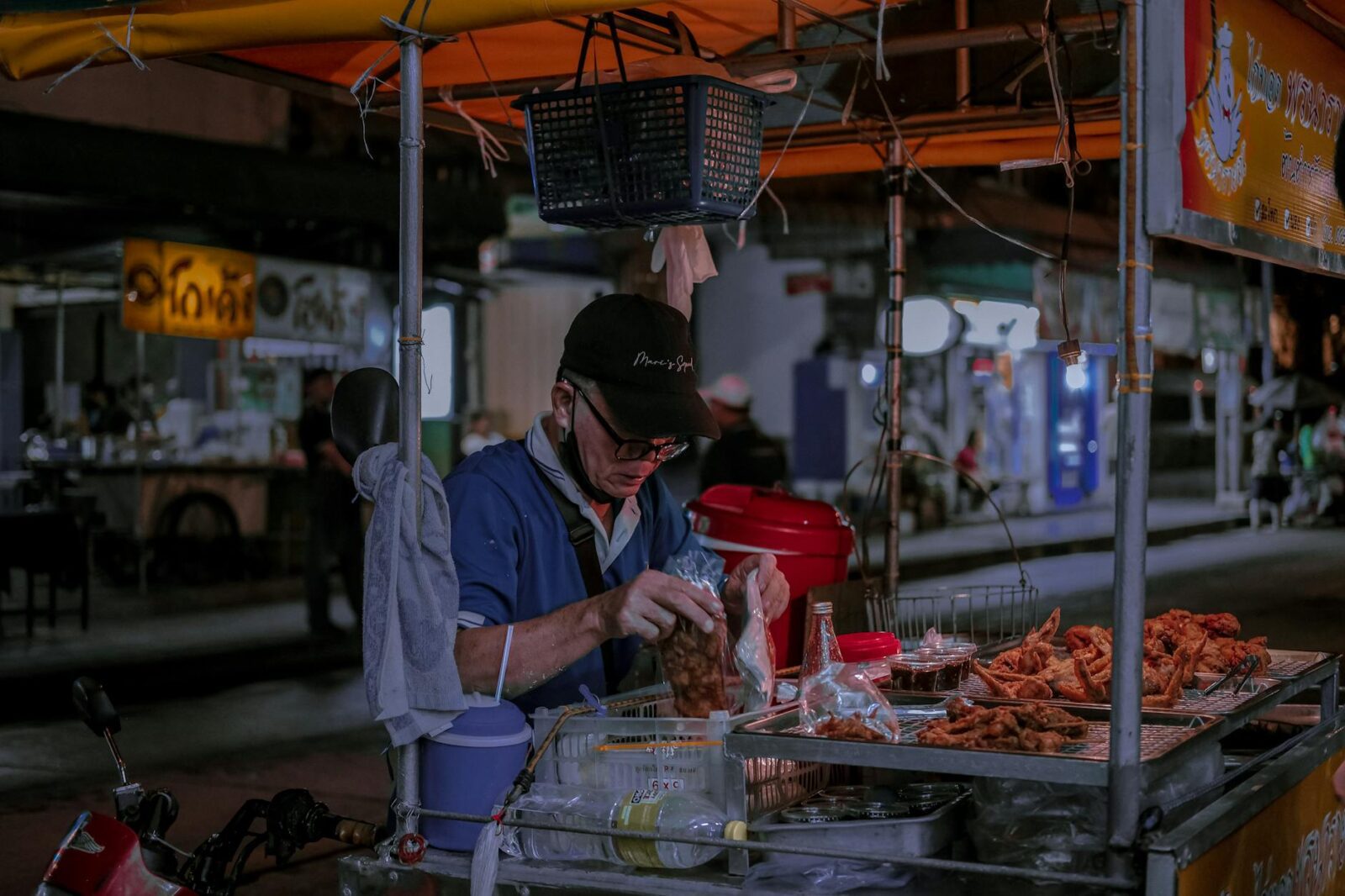
No trip to Singapore is complete without indulging in its world-famous hawker centers. Try Hainanese chicken rice at Maxwell Food Centre for around $4, or dive into a bowl of laksa at Katong for $5. For a sweet treat, don’t miss the durian stalls at Geylang, where you can sample the king of fruits. Singapore’s diverse food scene caters to every palate and budget.
Getting Around Singapore: Practical Tips
Singapore’s MRT system is efficient and affordable, with rides typically costing between $0.80 and $2.50. Taxis are also readily available, with fares starting at $3.50. For a scenic ride, hop on a bumboat along the Singapore River. Visitors from most countries can enter Singapore visa-free for up to 30 days, but always check the latest requirements on official government websites.
Understanding Local Customs and Culture
Singapore is a melting pot of cultures, and respecting local customs is essential. Dress modestly when visiting religious sites, and always remove your shoes before entering homes or temples. Public displays of affection are frowned upon, and chewing gum is prohibited. Understanding these nuances will enrich your experience and help you navigate the city with ease.
FAQs: What Travelers Want to Know
What is the best way to get from Changi Airport to the city center? The MRT is the most economical option, costing around $2.50. Taxis are convenient, with fares ranging from $20-35.
Is Singapore expensive for tourists? While Singapore can be pricey, budget accommodations and affordable street food make it accessible for all travelers.
Are there any free attractions in Singapore? Yes, the Merlion Park and the Botanical Gardens are free to enter and offer beautiful sights.
What languages are spoken in Singapore? English is widely spoken, along with Mandarin, Malay, and Tamil, reflecting the city’s diverse population.
Can you drink tap water in Singapore? Yes, tap water in Singapore is safe to drink, saving you money on bottled water.
Conclusion: Your Singapore Adventure Awaits
With its eclectic blend of sights, sounds, and flavors, Singapore promises an unforgettable experience. Whether you’re exploring its architectural wonders or savoring its culinary delights, this city-state is a testament to innovation and tradition. Share your own Singapore stories and let others know why this destination should be next on their travel list.
Stay informed with the latest travel news, visa updates, and destination guides. Follow HimalayanCrest.com for weekly travel intelligence delivered by our editorial team.