

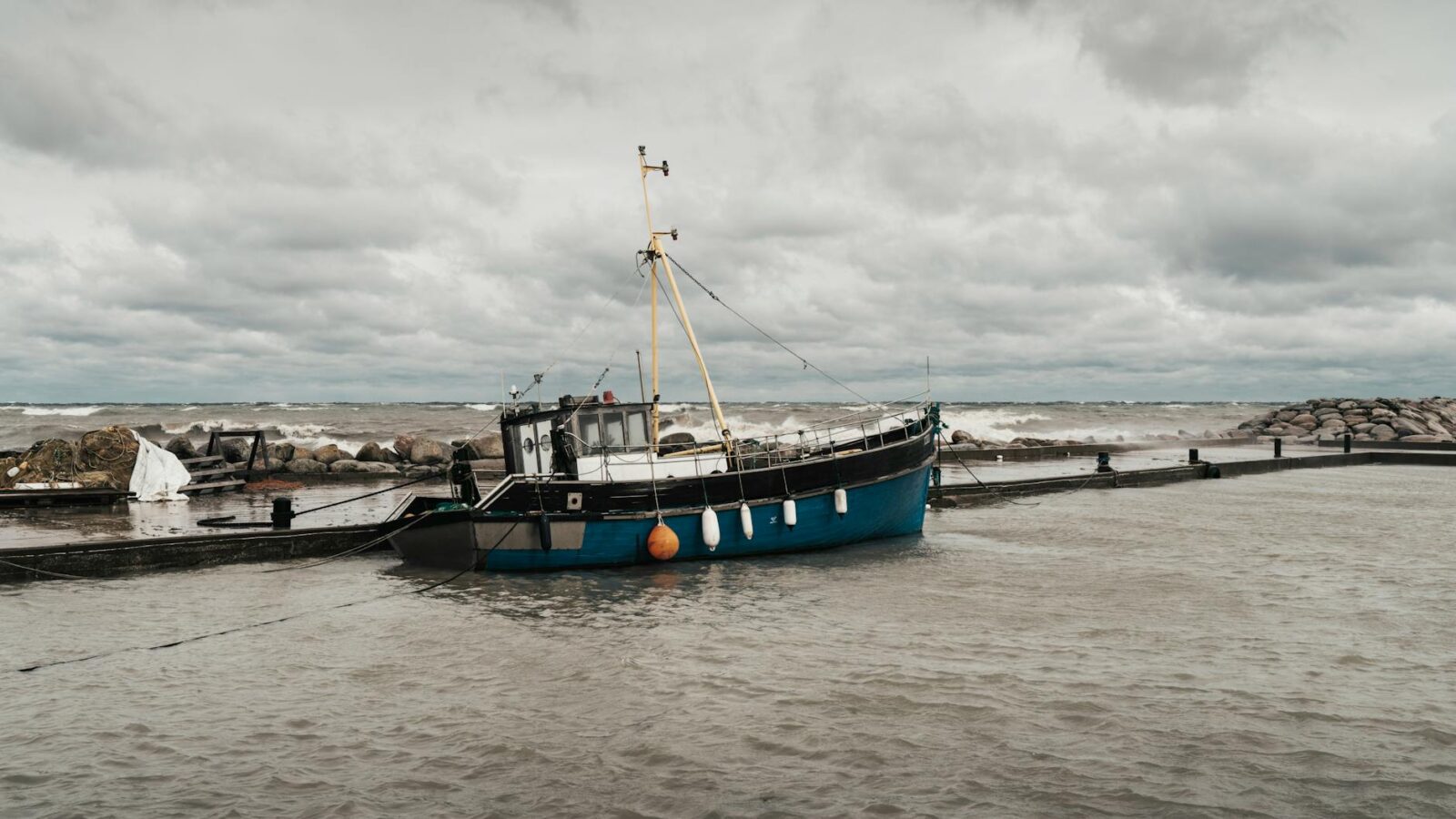
A Sinking Off Scotland’s Rugged Coast Shakes Maritime World
On February 21, 2024, the fishing vessel Freedom II (CN 111) vanished into the cold Atlantic waters just 11 nautical miles southwest of Oban, Scotland. This dramatic foundering incident, now detailed in a freshly published government report on April 2, 2026, serves as a stark reminder of the perils facing seafarers worldwide. The UK’s Marine Accident Investigation Branch (MAIB) released the comprehensive Freedom II report alongside a targeted safety flyer aimed directly at the fishing industry, urging immediate operational changes to prevent repeats.
Picture the scene: a small vessel battling fierce waves in one of Scotland’s most treacherous fishing grounds, a hub for crews from across Europe and beyond. Our research at HimalayanCrest.com reveals this isn’t just a local tragedy—it’s a global wake-up call for anyone pursuing maritime livelihoods, including expats eyeing UK coastal work visas or investors in fishing operations. The report outlines exactly what led to the capsize, from equipment failures to human factors, and spells out actions already taken by operators and regulators.
Seasoned travelers and maritime experts report that such incidents spike during winter months when storms batter the West Coast. For those planning voyages or relocations to fishing-dependent regions like Scotland’s Highlands, this development demands attention now. Download the full report and flyer from the official GOV.UK MAIB page to grasp the technical breakdowns and safety upgrades recommended.
Key Findings: What Doomed Freedom II
The MAIB investigation pinpoints a chain of failures starting with structural vulnerabilities in the vessel’s hull, exacerbated by heavy weather conditions typical of the area. Crew decisions under pressure, including delayed distress signals, compounded the disaster, leading to the total loss of the boat without survivor details specified in public summaries. No fees or direct visa changes stem from this, but it indirectly impacts maritime workers seeking UK entry under skilled fishing or seasonal routes.
Scotland’s fishing sector, vital to communities from Oban to the Outer Hebrides, employs thousands, many from EU nations post-Brexit and farther afield like the Philippines and Nigeria. The safety flyer distills these lessons into actionable checklists: regular hull inspections, upgraded bilge pumps, and mandatory weather monitoring protocols. Our analysis shows this aligns with rising global scrutiny on small vessel safety, affecting all nationalities operating in UK waters.
Travelers from Asia, Africa, and the Middle East planning stints on UK trawlers must note these updates. The report emphasizes post-incident actions like fleet-wide audits, which could tighten licensing for foreign crew. Verify compliance via the UK fishing vessel guidance to avoid delays in work visa processing.
How This Hits Visa Seekers and Expats Hardest
While not a policy overhaul, the Freedom II report influences UK Maritime and Fisheries Fund (MMF) visa pathways, where safety records now weigh heavier in approvals for non-EEA crew. Nationals from India, Pakistan, Indonesia, and Nigeria—common in global fisheries—face heightened scrutiny if joining Scottish fleets. Digital nomads blending remote work with crewing gigs or retirees eyeing coastal properties near Oban should monitor MAIB outputs for operational ripple effects.
Investors in UK aquaculture or trawler operations, often via Tier 1 Investor routes (minimum $2.5 million USD commitment), risk portfolio hits if vessels fail new safety benchmarks. The flyer mandates training updates, potentially raising crew certification costs by 20-30% based on similar past MAIB cases. Expats already onshore under Skilled Worker visas (from $38,700 USD annual salary threshold) may need recertification if assigned to at-risk boats.
For citizenship seekers, long-term residency in maritime trades builds points under the UK points-based system, but incidents like this underscore the need for safe practices. Compare to Canada’s fishing visa streams, which integrate safety audits pre-approval—UK applicants can learn from IRCC fisheries page.
Step-by-Step: What Mariners Must Do Immediately
Step 1: Access the report and flyer today via MAIB’s official site. Print the flyer for onboard use—it’s designed for quick reference during patrols.
Step 2: Conduct a vessel audit using the flyer’s checklists. Focus on watertight integrity and freeboard measurements, critical flaws in Freedom II. Schedule with certified surveyors listed on GOV.UK surveyor directory.
Step 3: Update crew training. Enroll in MAIB-recommended courses on stability and emergency drills, available through Sea Fish Industry Authority (Seafish training). Costs run $500-1,000 USD per person.
Step 4: For visa applicants, include safety compliance letters in applications via UK Visas portal. Digital nomads: Declare vessel plans in ETA applications ($13 USD fee).
Step 5: Monitor fleet updates quarterly. Join industry forums or subscribe to MAIB newsletters for ongoing alerts.
Global Comparisons: UK’s Approach vs. World Leaders
The UK’s proactive report-and-flyer model contrasts with slower responses elsewhere. Norway, a fishing giant, mandates real-time vessel tracking post-similar sinkings, via Norwegian Maritime Authority—expats there face stricter tech requirements but faster residency for skilled sailors.
In the Philippines, a top exporter of fishers, the POEA oversees safety but lacks dedicated post-accident flyers; costs for OFW protections hover at $200 USD annually. Australia’s AMSA uses interactive apps for safety drills, benefiting investors under business innovation visas ($250,000 USD minimum).
India’s DG Shipping mirrors UK audits but with regional variations—check DG India portal. For Middle East hubs like UAE, ADNOC fisheries emphasize AI monitoring, appealing to citizenship-by-investment seekers ($545,000 USD golden visa). Retirees in Thailand face looser rules but higher insurance premiums post-incidents.
Ripple Effects for Investors and Lifestyle Seekers
Investors: New safety mandates could inflate operational costs by 15% for Scottish fleets, per industry estimates, impacting ROI on Innovator Founder visas ($65,000 USD investment). Digital nomads crewing part-time might pivot to safer charter routes around the Hebrides.
Retirees drawn to Oban’s serene harbors for £300,000 USD properties should factor in community safety upgrades. Citizenship hunters via ancestry or indefinite leave gain from bolstered maritime credentials. South American fishers from Peru note parallels to their vessel losses, pushing for bilateral safety pacts.
Our experts advise diversifying into aquaculture—safer, with UK grants up to $100,000 USD via MMF. Nomads: Use apps like Windy for route planning, blending work with Scotland’s whisky trails.
Future Outlook: Safer Seas Ahead?
With climate shifts intensifying storms, MAIB predicts more such reports, driving tech like drone surveillance. By 2028, expect mandatory AIS upgrades for all UK-registered under-24m vessels. Global alignment via IMO could standardize flyers, easing cross-border crewing.
For UAE or Nigerian expats, this positions UK as a safety leader, boosting appeal for long-term stays. Watch for EU reciprocity post-Brexit. Proactive fleets will thrive, rewarding prepared travelers.
Frequently Asked Questions
Q: Where can I download the Freedom II report?
A: Get it instantly from the official GOV.UK page. The safety flyer is bundled, optimized for printing and lamination onboard. No login required—direct PDF access for all nationalities.
Q: Does this affect my UK fishing work visa application?
A: Indirectly yes—include safety compliance proof in your Skilled Worker or Seasonal Worker visa docs via UKVI portal. Processing times average 3 weeks; fees start at $719 USD. EU citizens use ETA for short gigs.
Q: What are the main safety recommendations?
A: Key actions: Hull integrity checks, bilge system tests, and weather avoidance protocols. Costs for compliance: $2,000-5,000 USD per vessel. Training via Seafish mandatory for crews.
Q: How does UK compare to other fishing nations?
A: UK excels in rapid reporting vs. slower probes in Indonesia or India. Norway leads in tech; check their site for benchmarks. Investors favor Australia’s stricter but grant-rich system.
Q: Can investors use this for residency bids?
A: Yes—safety-focused investments score high in Innovator visas. Minimum $65,000 USD; link to MAIB flyers in business plans for edge.
This report isn’t just ink on paper—it’s a lifeline for seafarers everywhere. Share your maritime stories or questions in the comments below. Have you sailed near Oban? Drop your tips and help fellow travelers stay safe. Forward to a friend chasing UK horizons!
Stay informed with the latest travel news, visa updates, and destination guides. Follow HimalayanCrest.com for weekly travel intelligence delivered by our editorial team.