

One Year After Royal Assent, Martyn’s Law Reshapes UK Safety
On April 3, 2025, the Terrorism (Protection of Premises) Act 2025—known as Martyn’s Law—received Royal Assent, marking a turning point in UK public safety measures. Today, exactly one year later on April 3, 2026, the Security Industry Authority (SIA) reflects on steady progress toward full implementation, with statutory guidance, an online notification portal, and dedicated teams in development. This law mandates better preparedness at public venues and events, directly impacting travelers, expats, and investors who frequent stadiums, theaters, hotels, and large gatherings across England, Scotland, Wales, and Northern Ireland.
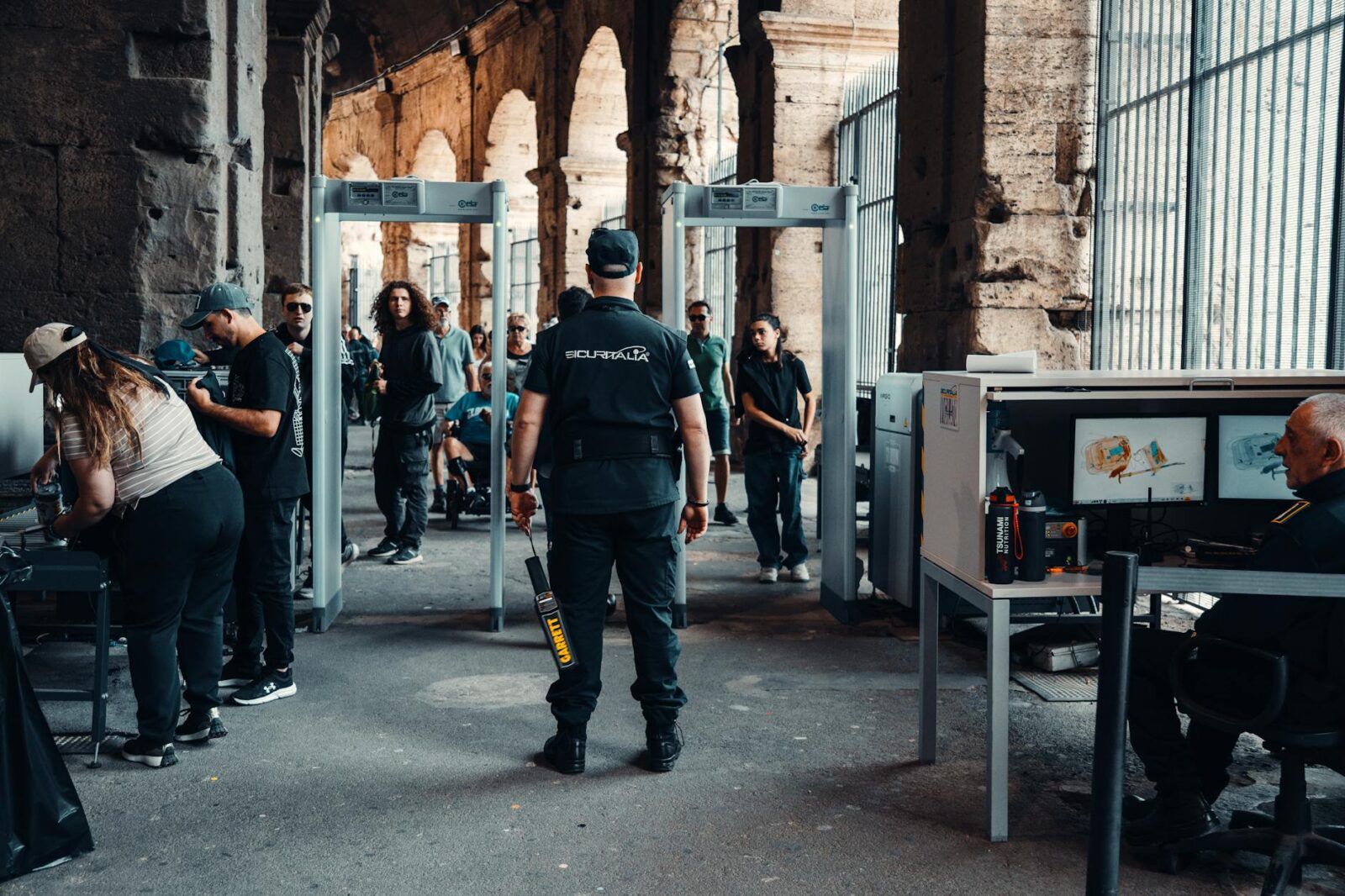
The legislation stems from lessons learned after the 2017 Manchester Arena attack, pushing for consistent security standards nationwide. Premises owners and event organizers must now plan protections “so far as reasonably practicable” against terrorism, affecting anyone attending public spaces with 200 or more people. For global visitors, this means enhanced bag checks, emergency drills, and clearer evacuation routes at familiar spots like Wembley Stadium or Edinburgh Festival venues—changes that build confidence without disrupting the welcome UK hospitality is famous for.
Seasoned travelers report that early preparations are already visible at major sites, with SIA committing to a supportive yet firm regulatory approach. As the second year of a minimum 24-month rollout begins, international audiences from India to Nigeria should note how this elevates the UK as a secure destination. Our research shows venues gearing up proactively, ensuring smoother experiences for tourists exploring London’s West End or Glasgow’s concert halls.
Core Changes: What Martyn’s Law Demands from Venues
Martyn’s Law targets premises where 200 or more individuals may gather, requiring operators to implement protective security measures and organizational preparedness plans. This includes risk assessments, staff training on terror response, physical barriers, and clear communication protocols during incidents. Large-scale events accommodating 800 or more attendees with controlled access fall under the same rules, extending to festivals, sports matches, and conferences.
Two tiers define compliance: standard duties for smaller qualifying sites and enhanced obligations for bigger ones, all proportionate to the threat level. The SIA, as the designated regulator, will oversee notifications via a forthcoming online portal, issue guidance, and enforce penalties for non-compliance after full rollout expected no earlier than April 2027. No direct fees are mentioned yet, but premises may face costs for upgrades like CCTV or access controls, passed indirectly to ticket prices or hotel rates.
This shift standardizes what was previously voluntary advice from ProtectUK, now making it legally binding across the UK. Educational institutions, shopping centers, and nightlife spots must also comply, broadening the net to everyday visitor hubs. Travelers benefit from these upgrades, as venues like Manchester’s AO Arena or Cardiff’s Principality Stadium prioritize life-saving procedures.
Who Faces Impact: Travelers, Expats, and Global Visitors
All nationalities entering the UK for leisure, business, or residency will encounter Martyn’s Law effects at public venues, with no exemptions based on passport—whether from the Philippines, UAE, South Africa, or Brazil. Tourists attending concerts or sports events, digital nomads at co-working spaces in large buildings, and retirees enjoying theater nights are prime groups affected. Expats renewing visas or investors scouting properties near qualifying premises should anticipate heightened security at networking events or property viewings.
Families from Asia or the Middle East vacationing in the UK might notice stricter bag policies at theme parks or markets drawing 200+ crowds. Business travelers from Nigeria or India at conferences in Birmingham’s NEC or London’s ExCeL will experience mandatory drills and checks. Even citizenship seekers attending oath ceremonies in public halls could see procedural tweaks, though private residency processes remain untouched.
Our analysis indicates minimal disruption for short-term visitors, but long-stay expats and investors in hospitality sectors face indirect ripples through venue operation costs. Digital nomads frequenting pop-up events in Manchester or Liverpool should prepare for controlled access at scales over 800 people.

Step-by-Step: Actions for Travelers Planning UK Trips Now
First, check your itinerary against qualifying premises lists once SIA publishes them—focus on arenas, hotels, and festivals via gov.uk updates. Second, review venue websites for security policies; book tickets early for high-demand events to avoid last-minute changes. Third, pack light: expect bag searches and limits at 200+ person sites, similar to airport norms.
- Monitor SIA’s Martyn’s Law page at SIA.gov.uk for guidance rollout expected in 2026.
- Contact event organizers directly for preparedness status—email templates available on ProtectUK resources.
- For expats and investors, audit properties or businesses near public venues for compliance during due diligence.
- Join free webinars from the SIA once announced; register interest via Home Office channels.
- Carry digital ID copies for smoother checks at controlled events.
Fourth, stay informed through official apps like the UK Government’s travel alerts. Fifth, for residency applicants, note that visa processing at UKVI centers follows separate security but aligns with national standards—verify at gov.uk/visas-immigration. These steps ensure seamless travel amid the transition.
How the UK Stacks Up Against Global Security Mandates
The UK’s Martyn’s Law mirrors France’s Vigipirate plan, which mandates threat-level-based measures at public sites post-2015 Paris attacks, including soldier patrols at train stations. Australia’s 2018 counter-terror laws require similar risk assessments for crowded events, with fines up to AUD 500,000 for stadiums. In contrast, India’s post-2008 Mumbai guidelines rely on state-level advisories without national enforcement, leaving venues like Mumbai’s Wankhede Stadium to voluntary upgrades.
Singapore enforces strict rules under its Internal Security Act, with bag scans standard at MRT stations and events, backed by NSmen training—arguably more pervasive than the UK’s proportionate tiers. The UAE’s National Crisis Management System demands drills at malls like Dubai Mall, comparable to Martyn’s focus on preparedness. Canada’s post-2014 Ottawa protocols emphasize intelligence sharing, but lack the UK’s venue-specific mandates.
| Country | Key Policy | Crowd Threshold | Enforcement |
|---|---|---|---|
| UK (Martyn’s) | Tiered security plans | 200+ premises | SIA regulator |
| France | Vigipirate levels | All public sites | Military/police |
| Australia | Event risk mgmt | Large events | Fines up to $500k |
| UAE | Crisis drills | Malls/events | Federal mandates |
This positions the UK as balanced—supportive like Australia, firm like Singapore—appealing to safety-conscious travelers from emerging markets.

Real-World Effects on UK-Bound Expats and Investors
Investors eyeing UK real estate near venues like London’s O2 must factor compliance costs into valuations, potentially raising commercial rents by 5-10% for upgrades. Digital nomads in hubs like Manchester’s Northern Quarter co-working spaces (if scaling to 200+) face event tie-ins with new protocols. Retirees settling in event-rich areas like Brighton’s pier district benefit from safer promenades but note minor fee hikes at social clubs.
Citizenship-by-investment seekers unaffected directly, as processes run through UKVI, but enhanced venue security bolsters the UK’s appeal for families. Expats from Pakistan or Indonesia renewing ILR visas attend public ceremonies with added reassurance. Hospitality investors should budget for SIA notifications and training, consulting SIA.gov.uk early.
Overall, positives outweigh costs: safer environments attract premium tourists, stabilizing yields for property funds.
Looking Ahead: Rollout Timeline and Long-Term Shifts
By late 2026, expect SIA’s statutory guidance and portal launch, with recruitment under Executive Director leadership ramping enforcement teams. Full commencement post-April 2027 allows two years for adaptation, per Home Office plans. Future updates may tier fees based on venue size, with ongoing engagement for premises owners.
Travelers can anticipate normalized security by 2028, akin to EU post-Brexit standards. Geopolitical tensions could accelerate timelines, but SIA pledges proportionality. Global nomads gain from UK’s forward-thinking stance, mirroring trends in secure havens like Portugal or Malta.
Our outlook: Martyn’s Law cements the UK as a resilient destination, with spillover benefits for tourism recovery.
FAQ: Answering Top Searches on Martyn’s Law
What is Martyn’s Law exactly? It’s the Terrorism (Protection of Premises) Act 2025, requiring UK public venues (200+ people) and large events (800+) to have anti-terror plans, risk assessments, and response training, regulated by SIA. Implementation starts after at least 24 months from April 3, 2025.
Does Martyn’s Law affect tourists or visa holders? Indirectly yes—at qualifying venues like stadiums or hotels, expect bag checks and drills, but no visa changes. Verify events via SIA.gov.uk; standard ETA or visitor visas suffice.
When does Martyn’s Law fully start? Minimum 24 months from Royal Assent on April 3, 2025, so no earlier than April 2027, allowing prep time. Watch gov.uk for exact commencement.
Are there fines for venues under Martyn’s Law? Yes, SIA will enforce post-rollout, with penalties for non-compliance, though supportive guidance precedes action. Venues bear costs, potentially raising entry fees slightly.
How to prepare as a UK event organizer or traveler? Organizers: Assess premises now, engage SIA. Travelers: Check venue policies, pack minimally. Resources at ProtectUK.police.uk.
Martyn’s Law stands as a beacon for proactive safety, inviting travelers worldwide to explore the UK with renewed assurance. Share your venue experiences in the comments—what security measures have you noticed lately? Forward this to fellow adventurers planning trips across the pond.
Stay informed with the latest travel news, visa updates, and destination guides. Follow HimalayanCrest.com for weekly travel intelligence delivered by our editorial team.