

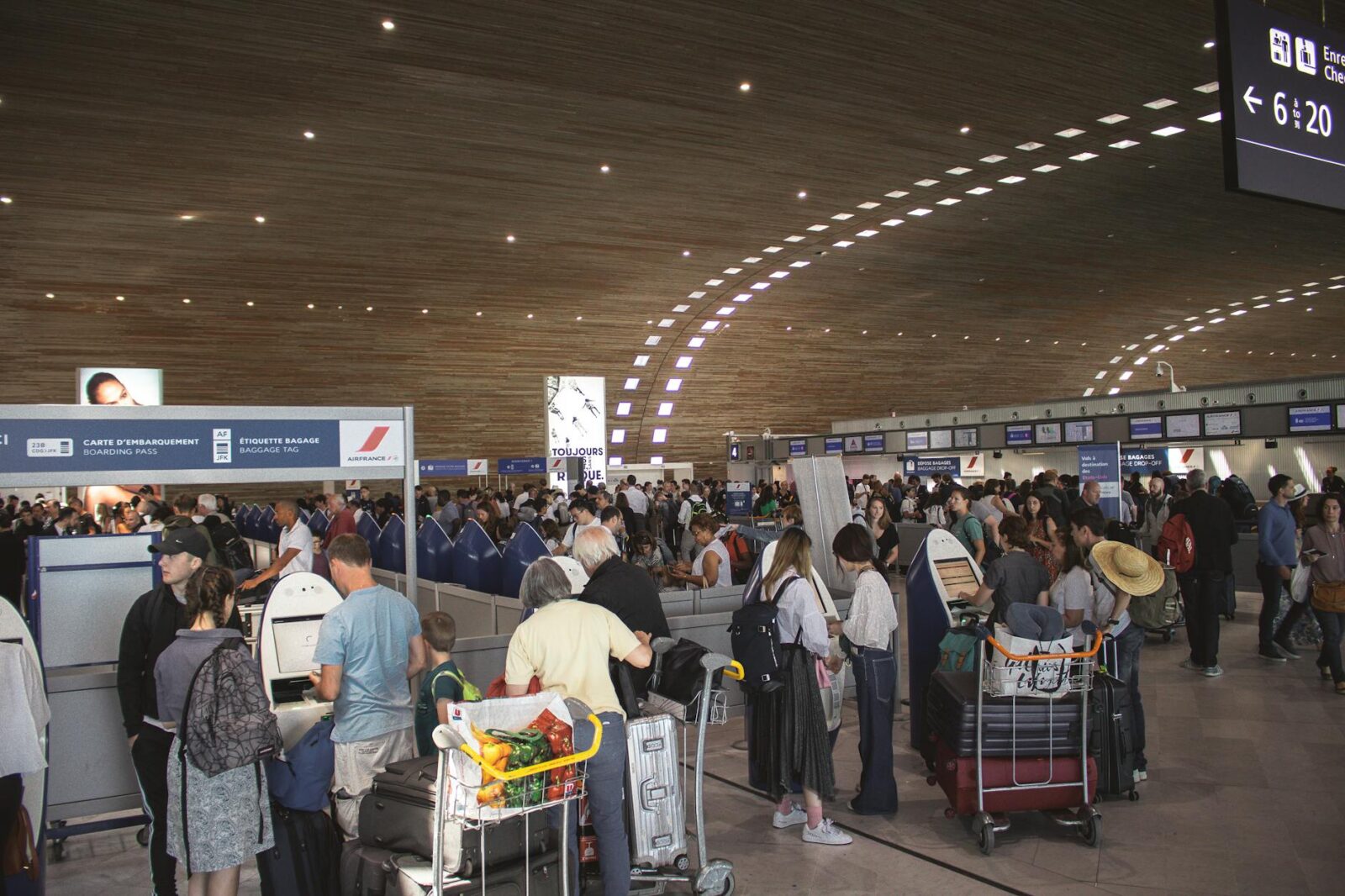
Bag Fees Jump $10 Today as Airlines Battle Skyrocketing Fuel
Imagine arriving at the airport for your long-awaited trip to Cancun or Toronto, only to find your checked bag now costs $45 upfront instead of $35. That’s the reality hitting travelers today as United Airlines rolls out a $10 increase on first and second checked bags, effective immediately for tickets bought on April 3, 2026. JetBlue beat them to it earlier this week, nudging fees up by $4 to $9 depending on your travel dates, all while jet fuel prices in major U.S. hubs like Chicago and New York hit $4.56 per gallon—an 82% surge since early 2026.
This isn’t just a U.S. story; it’s rippling across North America and Latin America routes, affecting anyone flying United or JetBlue from the U.S. to Mexico, Canada, or beyond. Our research at HimalayanCrest shows these hikes stem directly from the Iran war disrupting oil supplies via the Strait of Hormuz closure, pushing Brent crude to $115 per barrel before settling at $107.95. Seasoned travelers from Manila to Mumbai know fuel spikes like this hit hard, forcing airlines to pass costs straight to passengers’ wallets.
With United forecasting an extra $11 billion in fuel expenses this year, expect more pain at check-in counters worldwide. But savvy globetrotters can dodge the worst—prepay online now while old rates linger for existing bookings, or go carry-on only to save hundreds on family trips. This move signals airlines prioritizing ancillary fees over base fares, a trend echoing Europe’s Ryanair and Asia’s AirAsia during past oil crises.
United’s New Fees Hit Hard Starting Today
United Airlines dropped the news Thursday: for tickets purchased from April 3, 2026, first checked bags jump to $45 if prepaid (at least 24 hours before departure) or $50 at the airport, up $10 across the board. Second bags follow suit at $55 prepaid or $60 later, while third bags could soar as high as $200 on some routes—a potential $50 increase. These changes apply to flights within the U.S., Mexico, Canada, and Latin America, sparing transatlantic or transpacific routes for now.
It’s United’s first bag fee hike in two years, last adjusted back in 2024 when fuel was calmer. Travelers from Lagos to Lima planning summer getaways need to check their booking dates—tickets bought before today keep old rates, but changes or new legs trigger the surge. Our team crunched the numbers: a family of four checking two bags each could face an extra $80 per direction, turning a $500 round-trip into a pricier proposition.
United’s statement blames “surging fuel costs,” with jet fuel averaging $4.56/gallon in key cities on Wednesday, up from $2.11 at the year’s start—a 116% leap in spots. This hits economy flyers hardest, but prepaid options still offer a buffer. Pro tip for international readers: if connecting through U.S. hubs like LAX or ORD, these fees apply regardless of your origin in Asia or the Middle East.
JetBlue’s Preemptive Strike Sets the Tone
JetBlue moved first on Monday, raising first checked bag fees to $39 off-peak (up $4 from $35) or $49 peak (up $9 from $40), with seconds at $59 minimum. Add $10 if checking within 24 hours, pushing totals to $49-$69 per bag. These apply to domestic, Caribbean, and Latin America flights, mirroring United’s footprint and catching snowbirds from the Philippines or Nigeria routing through JFK.
JetBlue calls it a measured response to “rising operating costs,” keeping base fares competitive while tweaking optional services. Peak periods—holidays, weekends—bear the brunt, so a Bali-to-Boston layover in July could sting extra. Travelers report this aligns with global patterns; think IndiGo in India hiking fees amid similar crude spikes.
Both carriers echo a playbook: fuel is 20% of operating costs, and with no quick fix from the Middle East, bags become the easiest lever. For budget-conscious families from South America or Southeast Asia, this means rethinking checked luggage for lighter, fee-free carry-ons compliant with 22x14x9 inch limits.
Fuel Crisis Traced to Iran War Disruptions
The culprit? Geopolitical fire in the Middle East, specifically the Iran war closing the Strait of Hormuz, bottlenecking 20% of global oil. Brent crude spiked to $115/barrel Monday, settling at $107.95, while U.S. jet fuel doubled in months. United’s CEO warns of sustained highs, projecting $11 billion extra fuel bills and potential 20% airfare hikes.
This isn’t isolated—global carriers from Emirates to LATAM face the same squeeze, with fuel surcharges popping up in Europe and Asia. Prices jumped 82% in U.S. hubs since the war escalated, outpacing inflation anywhere. HimalayanCrest’s analysis of past crises, like 2022’s Ukraine fallout, shows airlines recover by layering fees, not slashing routes.
For travelers eyeing North America gateways, this means higher costs filtering to connections worldwide. A Delhi-to-Denver flight via United could bake in these extras indirectly through partnerships. Outlook: no reversal soon, as oil experts predict $100+ crude through 2026.
Global Ripples Hit Travelers Everywhere
Beyond U.S. borders, this fee frenzy mirrors worldwide trends. Europe’s easyJet and Wizz Air hiked bags 10-15% last month amid the same oil shock, while Middle Eastern carriers like Flydubai added surcharges. In Asia, Cebu Pacific and VietJet echoed with $5-8 jumps, proving fuel pain knows no continents.
North America-Latin America routes amplify the impact—think São Paulo to Miami or Mexico City to Chicago, where United dominates. Global airfares already rose 15-20% on JetBlue in the past month, per bank research. For readers in the UAE or South Korea, U.S. connections just got costlier, padding trans-Pacific totals.
Our research highlights a silver lining: low-cost carriers in Africa like Fastjet hold steady by design, but majors everywhere prioritize fees. This pushes a shift to ultra-light travel, benefiting backpackers from Indonesia to Peru who master carry-on hacks.
Smart Strategies to Slash Your Trip Costs Now
Act fast: buy tickets today before more hikes, and prepay bags online for $45/$55 on United—cheaper than airport rates. Pack carry-on only; most personal items fit free under seats, saving $90+ round-trip. Weigh bags pre-flight—overages add $200 quick.
- Sign up for loyalty programs: United MileagePlus or JetBlue TrueBlue often waive fees after elite status.
- Bundle with credit cards: Chase Sapphire or Amex Platinum cover checks on partners.
- Choose budget allies: Southwest still flies free bags domestically.
- Travel off-peak: JetBlue’s lower off-peak rates save $10 per bag.
For families from Nigeria or the Philippines, split gear into carry-ons or ship ahead via DHL for $50-70. Track fuel via apps like GasBuddy for airline forecasts—spikes mean fee padding.
Budget Shocks and Long-Term Fare Warnings
A solo round-trip with one check jumps $20; family of four with two each? $160 extra. United eyes 20% base fare rises if fuel stays high, per CEO alerts. JetBlue fares already up 16-24% for April.
Add it up: $500 flight becomes $620 with fees and hikes. Latin America hops from $300 could hit $360. Adjust budgets by 15-25%, prioritizing flexible dates via Google Flights.
Future-proof: lock multi-city itineraries now, hedge with refundable tickets. Global nomads from Pakistan to Portugal know this—diversify to trains or buses where fees lag.
FAQ: Travelers’ Top Questions Answered
Do these fee hikes apply to international flights beyond Latin America? No, United’s changes target U.S., Mexico, Canada, and Latin America routes only; transatlantic or Asia-Pacific keep old rates for now. JetBlue follows suit for its network. Check airline sites for your itinerary.
When exactly do the new United fees kick in? Starting with tickets purchased on April 3, 2026 (today)—existing bookings retain prior rates unless modified. Prepay ASAP online to lock lower if eligible.
Will other airlines like Delta or American follow suit? Likely yes; American already hinted at reviews, and industry-wide fuel at 20% of costs pressures all. Watch for announcements next week.
How can I avoid bag fees entirely? Opt for carry-on (free on both), elite status, or military waivers. Southwest offers two free checks; consider them for U.S. legs.
Are fuel prices expected to drop soon? Unlikely—Strait disruptions and war signal sustained highs through 2026, per forecasts, with $11B hits for majors like United.
Navigate the Surge: Your Next Moves
As fuel fires rage, these hikes are just the start—airlines worldwide will layer costs, but informed travelers thrive. Pack smart, book wisely, and share your fee-dodging tips in comments below. Tag friends planning U.S. trips and spread the word: travel on, fees be damned. What’s your go-to carry-on hack?
Stay informed with the latest travel news, visa updates, and destination guides. Follow HimalayanCrest.com for weekly travel intelligence delivered by our editorial team.