

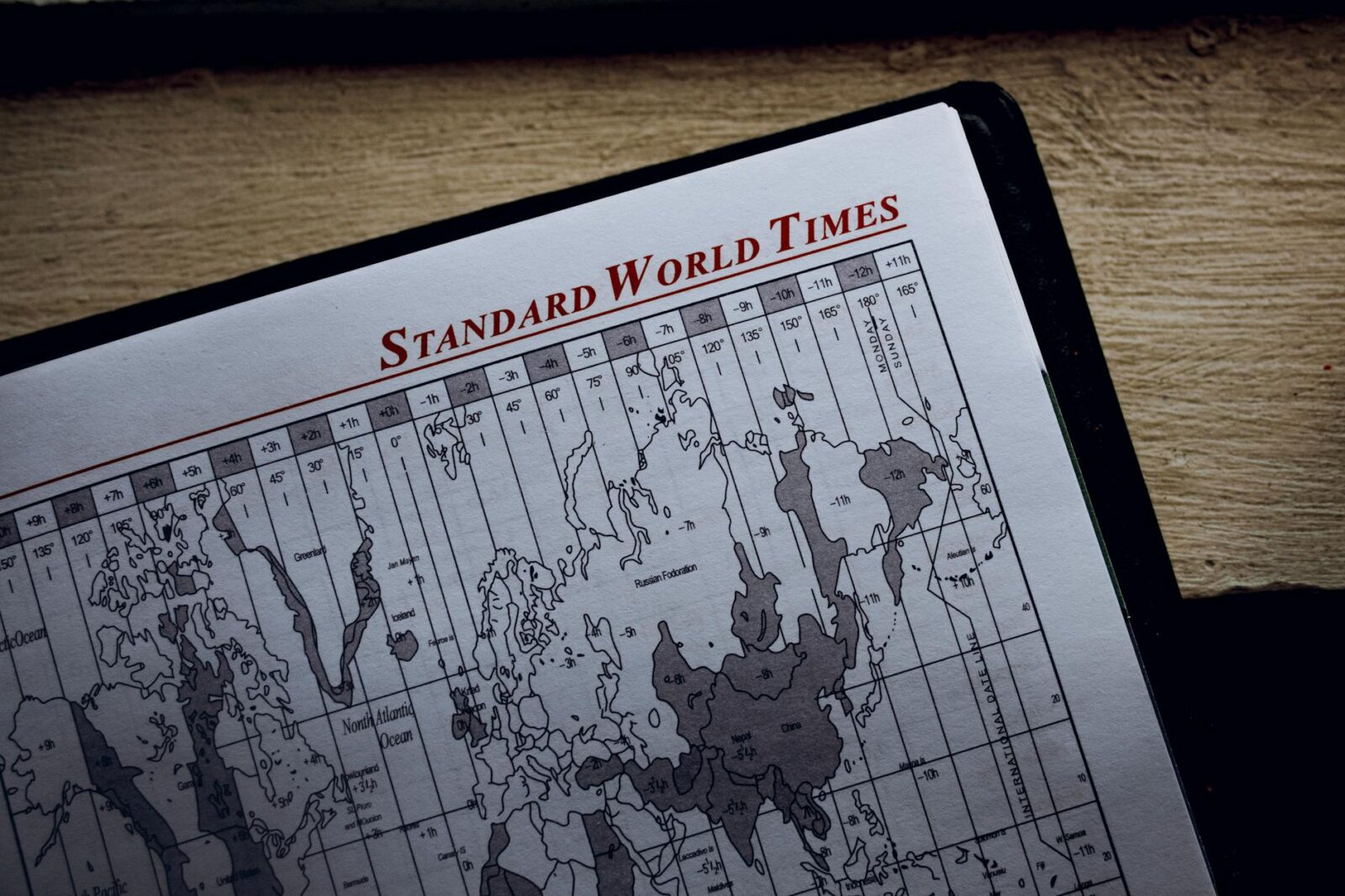
A Global Wake-Up Call for American Travelers
Imagine booking your dream trip to Bali or a business meeting in London, only to find your flights grounded by sudden airspace closures halfway across the world. On March 22, 2026, the US State Department dropped a bombshell: a Worldwide Caution urging all Americans abroad to exercise increased caution everywhere, with a sharp focus on the Middle East. This isn’t a vague warning—it’s tied to real threats like targeted US diplomatic facilities and groups supportive of Iran eyeing American interests globally.
Seasoned travelers know these alerts can upend plans overnight, from canceled connections in Europe to heightened security checks in Asia. Our research at HimalayanCrest.com shows this advisory echoes rising global tensions, including the ongoing US-Israeli strikes against Iran that kicked off on February 28, 2026, now in their fourth week and claiming at least 1,300 lives. For the millions of Americans planning trips—whether to sunny Thai beaches or bustling Nigerian markets—this means rethinking itineraries today.
What sets this apart? It’s not limited to war zones. Even safe havens like parts of Europe or Southeast Asia could see ripple effects from disrupted flight paths. Travelers from India heading to Dubai or Filipinos flying to the US should note how interconnected routes amplify risks for everyone.
Breaking Down the State Department’s Urgent Alert
The advisory landed like a thunderclap on March 22, 2026, advising all US citizens worldwide to stay vigilant, especially in the Middle East. Key triggers include attacks on US diplomatic sites beyond the region and warnings that Iran-aligned groups could strike US-linked spots anywhere—from cafes in Paris to hotels in Manila. Periodic airspace shutdowns are already messing with routes, delaying flights even for those not near hotspots.
Americans abroad get clear marching orders: follow updates from the nearest US embassy or consulate. The State Department stresses enrolling in STEP at step.state.gov for real-time alerts on security, health outbreaks, or weather woes. This affects not just tourists but business folks in Saudi Arabia or families visiting relatives in the Philippines—anyone with a US passport.
Level 4 ‘Do Not Travel’ zones like Lebanon, Iran, Israel, West Bank, and Gaza remain off-limits, but the worldwide tag means no corner of the globe is fully immune. Countries like Turkey (Level 2) and Afghanistan (Level 4) highlight the spectrum of risks. Our team pored over official pages to confirm: this is active as of April 2026, demanding immediate attention.
Roots in Escalating Middle East Conflicts
This caution stems from the fiery US-Israeli strikes on Iran starting February 28, 2026, sparking Tehran’s drone and missile retaliation across Israel, Jordan, Iraq, and Gulf states hosting US forces. The conflict has killed over 1,300 people, including high-profile figures, fueling a cycle of vengeance. Iran-supportive groups now pose threats to American symbols worldwide, from embassies in Africa to businesses in South America.
Beyond the headlines, diplomatic facilities outside the Middle East have faced hits, proving the danger’s reach. Airspace closures—think no-fly zones over the Gulf—snarl global aviation, stranding passengers in hubs like Dubai or Istanbul. Travelers from the UAE or Pakistan feel this pinch, as routes to Europe or Asia detour expensively.
Global patterns show this isn’t isolated. Past alerts during Ukraine tensions or Red Sea disruptions taught us how one region’s fire spreads. HimalayanCrest’s archives reveal similar worldwide cautions in 2024 spiked insurance claims by 25%—a lesson for today’s planners.
How This Fits Into 2026’s Travel Chaos
2026 travel trends scream volatility: regional wars, erratic weather, and cyber threats have made ‘business as usual’ a relic. This advisory layers onto Level 4 no-gos like Afghanistan and high-risk spots in the Middle East, while Level 2 cautions blanket places like Turkey and Algeria. Even stable spots like Hong Kong (Level 2) urge extra care.
Our data shows international flights down 15% in Q1 2026 due to Middle East disruptions, hitting budget carriers hardest. Asia-Pacific routes, popular with Indian and Indonesian travelers, face delays as planes reroute around Gulf closures. In Africa, Nigerian business trips to Europe now contend with these global ripples.
Broader trends? Rising nationalism and proxy conflicts mean more alerts ahead. Compare to South America’s stable vibe or Oceania’s remoteness—yet even New Zealand sees indirect flight hikes. Savvy global nomads from the Philippines to Morocco are already pivoting to intra-regional hops.
Real-World Steps to Protect Your Trip
Don’t cancel yet—this advisory urges caution, not panic. First, check travel.state.gov for your destination’s level: Level 1 is normal, Level 4 is a hard no. Enroll in STEP immediately for tailored alerts via WhatsApp or X (@TravelGov). Download embassy contacts; in the Middle East, dial +1-202-501-4444 from abroad.
Pack smart: extra cash ($500 USD minimum), offline maps, and a burner phone. Monitor flights via apps like FlightAware—airspace closures have added 2-4 hours to Europe-Asia legs lately. Families in the UAE planning US visits should buy flexible tickets now.
- Review insurance: Add $100-300 USD for evacuation coverage, as standard policies exclude war zones.
- Stay low-key: Avoid US-branded gear in tense areas like Jordan or Iraq border zones.
- Local intel: Chat with embassy hotlines or apps like TripIt for real-time updates.
- Backup plans: Book refundsable stays; hostels in Thailand average $30/night versus hotels at $150.
These moves have kept countless travelers safe in past flare-ups, from Yemen borders to Gulf skies.
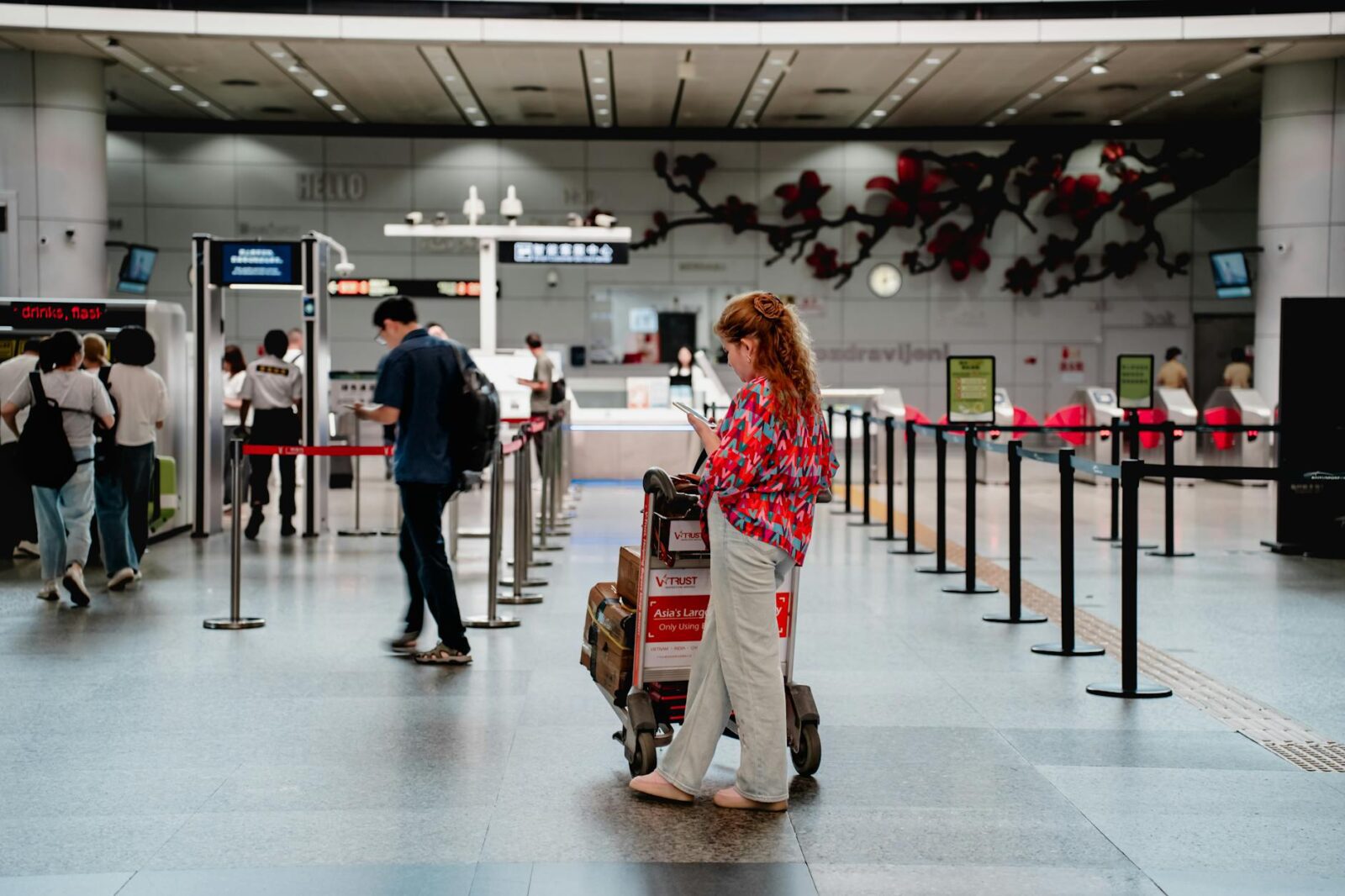
Budget Hits and Smart Money Moves
Expect your wallet to feel this: flight reroutes from Middle East tensions have jacked premiums by 20-30% on long-hauls, turning a $800 USD New York-Delhi ticket into $1,000+. Airspace closures mean fuel surcharges—add $50-150 USD per leg. Insurance jumps too: comprehensive plans with terrorism waivers now cost $200-500 USD for a two-week trip, up from $100 last year.
In Asia, Philippine beachgetaways see hotel rates steady at $80/night, but add $200 for trip interruption coverage. Middle East hops like Dubai? Skip unless essential—visas cost $100 USD, but risks outweigh savings. Pivot to South America: Peru flights from the US hold at $600 USD, with lower alert levels.
Pro tips for savings: Use points for flexible awards; apps like Hopper predict 15% hikes ahead. Families from Nigeria can score intra-Africa deals under $400 USD while avoiding transatlantic mess. Total buffer? Build in 15-25% extra budget—that’s $300 on a $2,000 trip.
What’s Next: Expert Outlook on Evolving Risks
Tensions show no quick end—the Iran conflict’s fourth week hints at months of volatility. Watch for escalated Level 4 expansions into Gulf states or Jordan, per patterns in past alerts. Airspace issues could persist through summer 2026, disrupting 10% of global flights and inflating costs.
Our experts predict a shift: more Level 2 upgrades in Europe and Asia as proxy threats spread. Positive note? Stable regions like Bhutan or Maldives stay Level 1-ish, drawing crowds from risk-weary Americans. Middle East recovery? Not before Q4 2026, if diplomacy kicks in.
Long-term, this accelerates ‘nearshoring’ travel—US folks eyeing Mexico (Level 2) or Canada over far-flung spots. Global audiences take note: similar EU/UK alerts loom, affecting flights from India to Europe.
Frequently Asked Questions
Does this mean I should cancel all international trips? No—the advisory promotes increased caution, not a travel ban. Review your destination’s specific level at travel.state.gov; many places like Thailand or Portugal remain safe with vigilance.
Who does this affect besides Americans? Primarily US citizens and passport holders, but indirect hits like flight delays impact everyone. Travelers from the Philippines or UAE on mixed routes should monitor too.
How do I stay updated while traveling? Enroll in STEP at step.state.gov for alerts, follow @TravelGov on X, and check embassy sites daily. Apps deliver push notifications on airspace changes.
Are there safe alternatives to high-risk areas? Yes—pivot to Level 1 spots like New Zealand or South Korea. In Asia, Nepal’s hills offer peace at $50/day versus Middle East risks.
Will this raise my travel insurance costs? Likely—expect 20-50% hikes for conflict coverage, around $200-500 USD extra. Shop providers like Allianz for waivers covering advisories.
Share your travel tweaks in the comments—have you rerouted plans amid these tensions? Let’s swap insider tips for safer adventures worldwide.
Stay informed with the latest travel news, visa updates, and destination guides. Follow HimalayanCrest.com for weekly travel intelligence delivered by our editorial team.