


Why Alibaba’s Doors Opening to Travel Leaders Signals a Tech Revolution
Imagine stepping into the heart of China’s digital empire, where algorithms predict your next vacation and AI reshapes entire travel industries. That’s exactly what’s happening as the Global Resilience Network (GRN) launches its flagship Future-Proofing Series executive mission, securing rare access to Alibaba’s headquarters in Hangzhou for an invitation-only AI immersion program. This isn’t just a tour—it’s a game-changer for senior leaders in travel, aviation, hospitality, and destinations, set for May 28-30, 2026, across Shanghai and Hangzhou. Seasoned travelers and industry pros will gain hands-on insights into Alibaba’s core digital ecosystem, from cloud computing to predictive analytics that could redefine how we book flights, hotels, and experiences worldwide.
Our research at HimalayanCrest.com reveals this move comes at a pivotal moment, with China’s AI sector booming under government backing. The Chinese Communist Party’s 14th Five-Year Plan lists AI as the top priority among frontier industries through 2035, fueled by strategic funds[web:1]. For travelers from India, Nigeria, or the UAE, this means smarter, more resilient trips ahead—think AI tools spotting disruptions before they hit. GRN’s coup underscores how travel is pivoting from recovery to tech-driven resilience, especially post-pandemic.
Alibaba, Asia’s largest cloud provider with data centers in 29 regions and 87 availability zones, powers this immersion with real-world demos of its vast data on retailers, products, and transport flows[web:2][web:3]. Executives will dive into these systems, learning to future-proof their operations against global shocks like climate events or supply chain breaks. This exclusive access, unprecedented for travel leaders, positions GRN as a bridge between Western travel pros and China’s tech giants.
Unpacking the Mission: Dates, Locations, and Exclusive Access
The mission kicks off in late May 2026, perfectly timed for spring weather in eastern China when Hangzhou’s West Lake blooms and Shanghai’s skyline buzzes with energy. Spanning three days from May 28 to 30, it starts in Shanghai’s futuristic Pudong district before heading to Alibaba’s sprawling Xixi Corporate Campus in Hangzhou. Senior decision-makers—think CEOs from airlines like Emirates or hotel chains in the Maldives—will immerse in AI workshops tailored for travel resilience.
What sets this apart? Direct entry to Alibaba’s HQ, normally off-limits to outsiders due to security protocols. Participants explore Alibaba Cloud’s infrastructure, the backbone for everything from e-commerce to urban planning[web:3]. Our experts note Hangzhou offers a serene contrast to Shanghai’s pace: stroll bamboo-lined paths near the campus, then apply AI lessons to optimize routes avoiding peak-hour traffic. For global travelers, this blueprint shows how to blend business travel with cultural dips.
GRN, focused on building resilient networks, curates this for invitation-only elites, ensuring intimate sessions with Alibaba’s tech teams. Expect demos on AI for demand forecasting—vital as Asia’s tourism rebounds, with China targeting 80 million outbound travelers by 2026. Travelers planning China trips can use this as a model: layer tech visits with authentic eats like Hangzhou’s West Lake vinegar fish.
China’s AI Ascendancy: The Backdrop Fueling This Breakthrough
China isn’t playing catch-up in AI—it’s leading the charge. Government guidance funds pour billions into the sector, ranking it first in national priorities through 2035[web:1]. Alibaba Cloud dominates Asia-Pacific, outpacing rivals per Gartner reports, with global reach that touches travel apps worldwide[web:3]. This mission taps into that momentum, as Beijing discourages its AI execs from U.S. trips over security fears, flipping the script for inbound Western leaders.
For travel pros from the Philippines or South Africa, China’s AI prowess means hyper-personalized journeys: apps predicting weather delays in real-time or suggesting offbeat spots in Bali via Alibaba’s data streams. GRN’s event aligns with broader trends like Boao Forum 2026 discussions on AI and regional connectivity, where APEC leaders eyed digital growth[web:4]. Hangzhou and Shanghai, pilot sites for initiatives like the Global Heat Resilience Service with Alibaba Cloud, showcase practical AI for urban challenges.
Our analysis shows travel’s integration with AI accelerating: Alibaba’s systems track transport flows, enabling seamless itineraries from Dubai to Denpasar. Travelers benefit indirectly—hotels using these tools offer dynamic pricing, saving you 20-30% on shoulder-season stays. This mission spotlights China’s role as tech-travel innovator, urging global audiences to watch closely.

How AI at Alibaba Reshapes Global Travel Trends
Travel isn’t just about planes and passports anymore—it’s data-driven destiny. GRN’s immersion highlights Alibaba’s edge in predictive analytics, processing retailer and logistics data to forecast tourism surges[web:2]. Amid global trends, this counters overtourism: AI routes crowds away from saturated spots like Bali’s beaches toward hidden gems in Lombok. For Middle Eastern travelers, it mirrors Dubai’s smart city vibe but scales it nationally.
Post-2025 recovery, industry leaders face climate volatility and geopolitical shifts. GRN’s Future-Proofing Series equips them with Alibaba tools for scenario planning, much like GEO’s heat risk pilots in Hangzhou. Aviation giants could slash delays by 15% using similar flows, per expert estimates. Hospitality in places like Nepal’s hills gains from AI-optimized supply chains, ensuring fresh ingredients reach remote lodges.
Broader context? Asia leads AI-travel fusion, with events like Boao 2026 emphasizing connectivity[web:4]. Travelers from Nigeria or Pakistan see parallels: affordable AI apps democratizing premium planning. This mission accelerates a shift where resilience trumps volume, promising sustainable adventures worldwide.
Practical Tips for Travelers Eyeing China in 2026
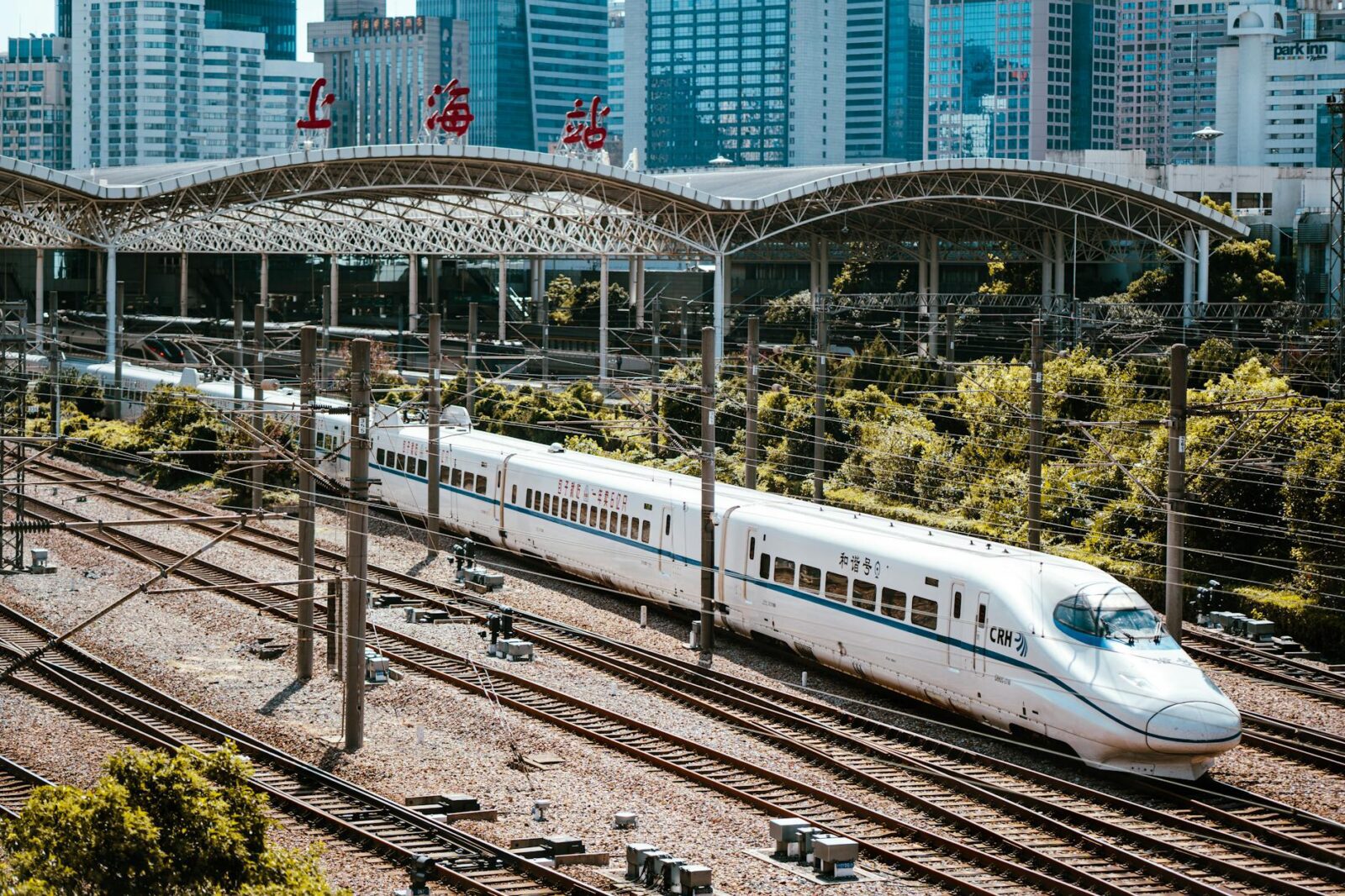
Planning a trip around this buzz? Start with visas: Indians need e-visas via official Chinese sites; UAE citizens get 30-day visa-free. Budget $1,500-2,500 USD for a week blending Shanghai skyscrapers and Hangzhou tranquility (roughly 12,000-20,000 CNY). Fly into Pudong International, then high-speed rail to Hangzhou in 45 minutes for $10 USD.
Book AI-enhanced stays: Alibaba’s Fliggy platform offers dynamic deals, like 4-star Hangzhou hotels from $80/night. Explore Xixi Campus vicinity—rent e-bikes for $5/day to wetland trails. Travelers report seamless Alipay integration for street food; load it via international cards. Avoid May holidays by arriving early, dodging crowds with AI apps like Trip.com.
- Visa prep: Apply 4-6 weeks ahead; check China’s Foreign Ministry.
- Transport hacks: Use Didi rides ($2-5 per trip) over taxis.
- Cultural musts: West Lake cruise ($15), Longjing tea plantations.
- Tech tools: Download Baidu Maps for offline AI navigation.
Post-mission, echo execs by testing Alibaba Cloud apps for personalized itineraries—perfect for families from the Philippines hitting multiple cities.
Cost Breakdown: Budgeting for AI-Inspired China Adventures
Expect $200-400 USD daily for mid-range travel: flights from Southeast Asia average $300 round-trip, trains $20. Hotels near Alibaba HQ run $100-200/night, with AI perks like smart check-ins. Meals? Street dumplings at $3, upscale Hangzhou cuisine $30—total food budget $50/day.
AI immersion vibes extend affordably: free Alibaba demos via global initiatives, plus visitor centers. Factor 10% extra for currency flux (1 USD = 8 CNY). Filipinos save via promo fares; Nigerians via duty-free. Adjust for groups: families cut per-head costs 25% sharing high-speed rail passes.
Long-term? Invest $50 in premium apps for lifetime savings—AI predicts deals, trimming 15% off bookings. Our pros advise $2,000 buffer for luxury add-ons like private West Lake tours ($150). This positions 2026 China trips as high-ROI, blending education and escape.
What’s Next: Expert Outlook on AI-Travel Evolution
Post-May 2026, expect GRN spin-offs: regional missions tapping Alibaba’s 87 zones for localized AI[web:3]. China may host more exec immersions, aligning with APEC’s digital push[web:4]. Watch for travel AI standards emerging, standardizing resilience tools globally.
Challenges? Data privacy hurdles, but Alibaba’s secure ecosystems mitigate. For travelers, 2027 brings consumer versions: AI companions rivaling chatbots, forecasting personalized paths from Morocco to Malaysia. Industry consolidation follows—smaller operators partnering Alibaba for survival.
Our forecast: AI cuts carbon footprints 20% via optimized routes, boosting eco-travel in Himalayas or Thai islands. GRN’s milestone accelerates this, making resilient journeys standard by 2030.
Frequently Asked Questions
Q1: Who can join GRN’s Alibaba AI immersion?
It’s invitation-only for senior travel executives from destinations, airlines, and hospitality. GRN selects based on leadership roles; contact via their site for future series. Travelers can’t join directly but gain insights from public Alibaba Global Initiatives.
Q2: Is China safe for business travel in 2026?
Yes, with low crime in Shanghai/Hangzhou; follow standard advisories from U.S. State Dept or equivalents. AI tools enhance safety via real-time alerts. Millions visit annually without issue.
Q3: How does this affect my personal travel bookings?
Expect smarter apps from Alibaba partners: better predictions, deals. Download Fliggy now for tests—savings up to 25% on Asia routes.
Q4: What’s the cost to replicate this exec experience independently?
$1,200-1,800 USD for 3 days: hotels $300, transport/food $200, tours $100, misc $100. Add $500 for guides mimicking immersion.
Q5: Will AI replace travel agents?
No—agents leverage AI for expertise. This mission empowers them, blending human touch with tech for superior service.
This landmark event at Alibaba HQ isn’t hype—it’s the dawn of unbreakable travel networks. Share your China AI stories in comments; how will you future-proof your next adventure?
Stay informed with the latest travel news, visa updates, and destination guides. Follow HimalayanCrest.com for weekly travel intelligence delivered by our editorial team.