

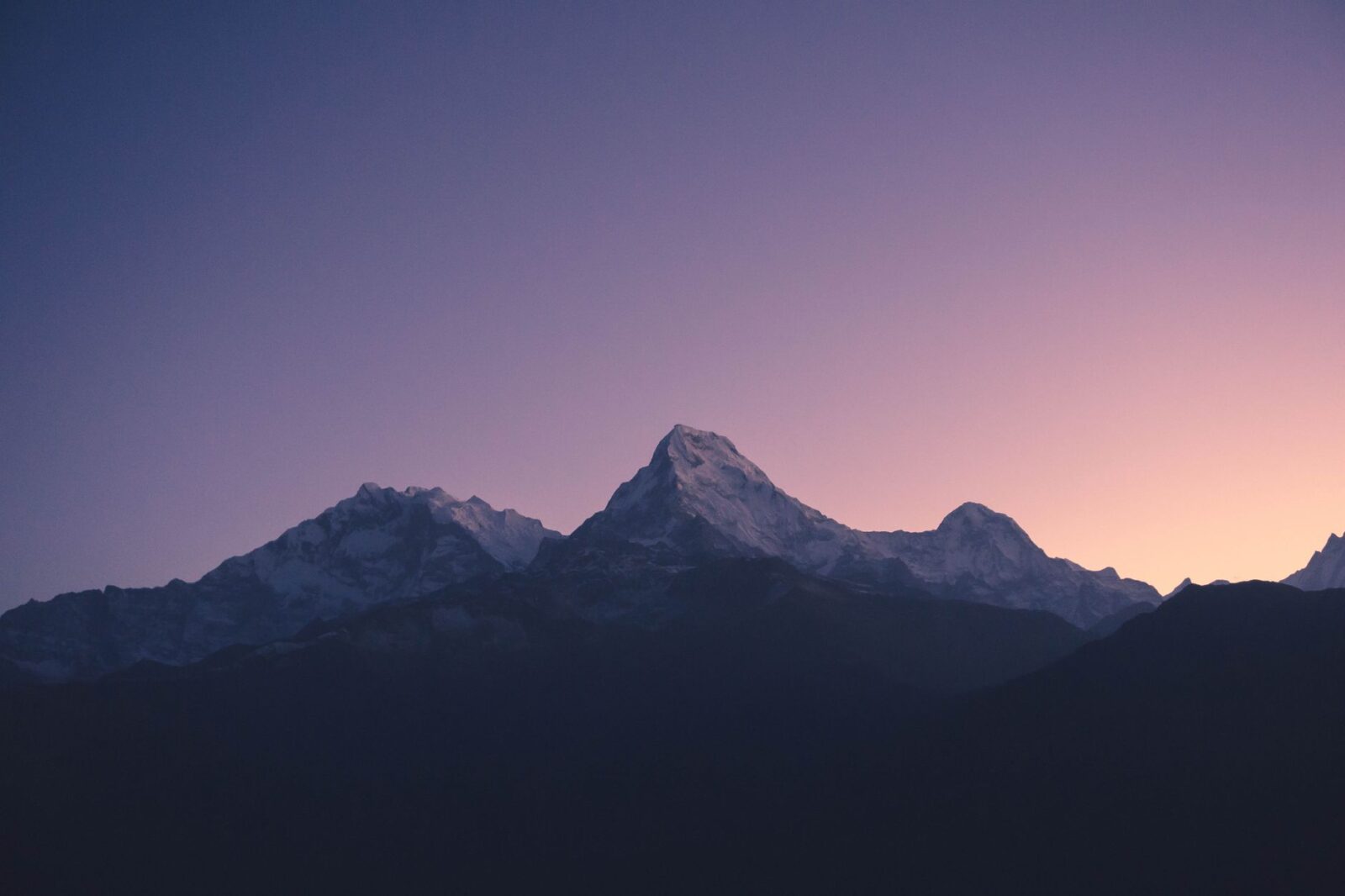
Embarking on a Journey to the Roof of the World
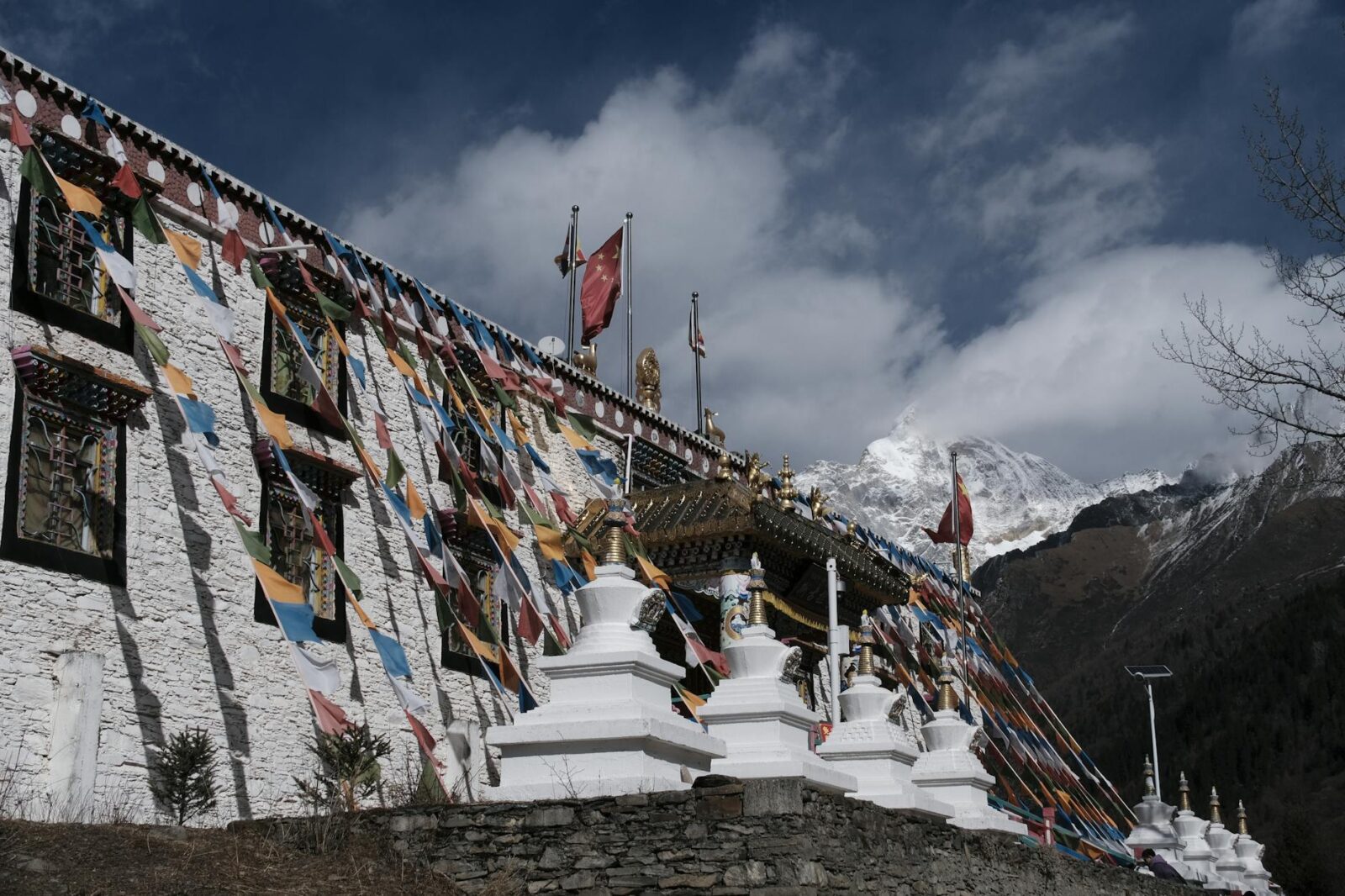
As the first light of dawn spills over the towering peaks of the Himalayas, trekkers gather their gear, excitement mingling with the crisp mountain air. The Everest Base Camp Trek, a pilgrimage for adventurers worldwide, offers an unparalleled glimpse into the majesty of the world’s tallest mountains. Imagine the distant echo of monastery bells, the flutter of prayer flags, and the promise of an unforgettable journey ahead.
Route Overview and Trekking Challenges
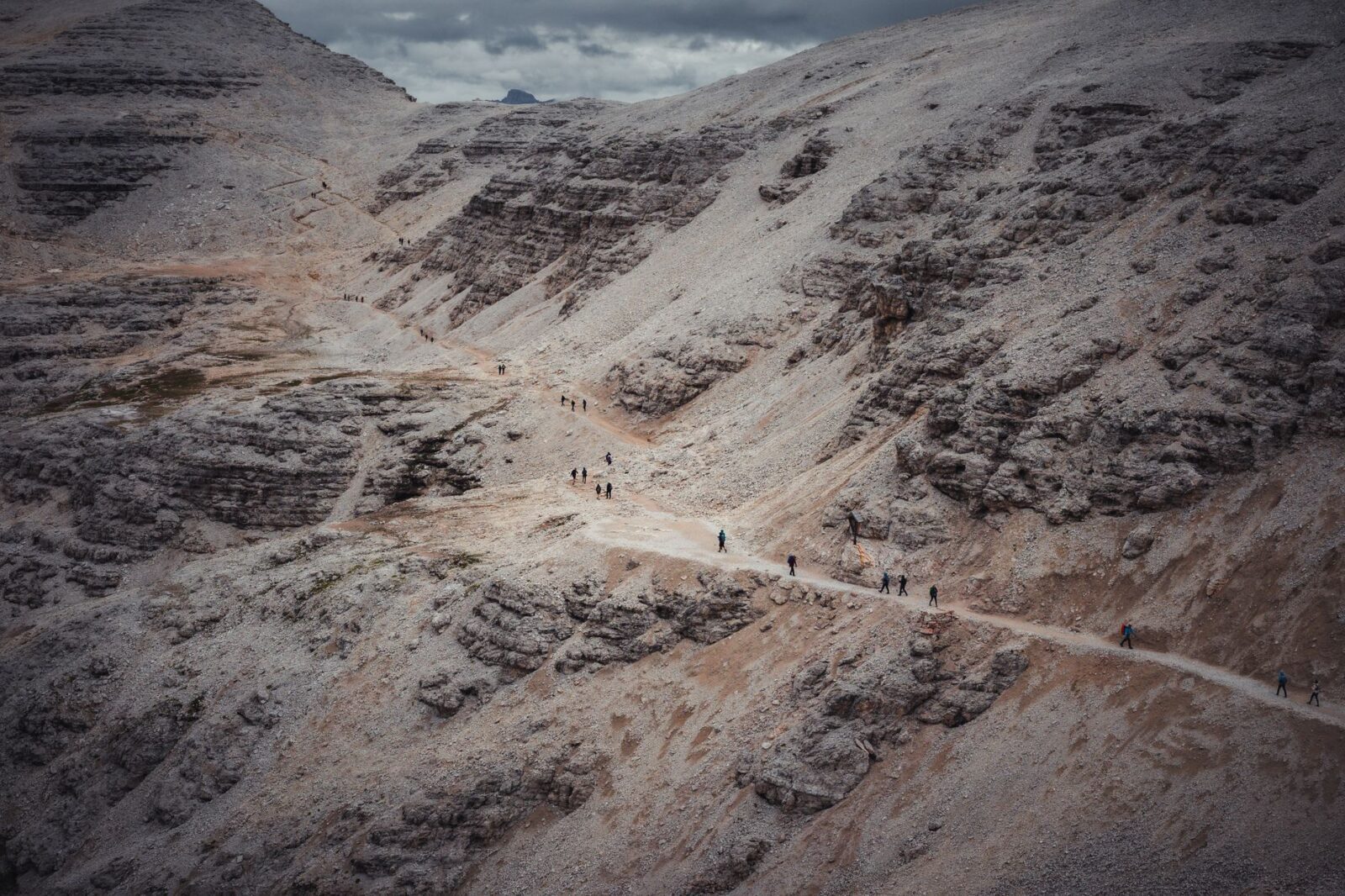
The Everest Base Camp Trek is not for the faint-hearted. Spanning approximately 130 kilometers (80 miles) round trip, this trek challenges even seasoned hikers. With a maximum altitude of 5,364 meters (17,598 feet) at the base camp, trekkers must be prepared for thin air and demanding terrain. Generally, the trek takes between 12 to 16 days, depending on acclimatization needs and personal pace. It’s advisable to have a good level of fitness and some prior trekking experience before embarking on this journey.
Day-by-Day Itinerary
The classic itinerary begins with a flight from Kathmandu to Lukla, a thrilling experience in itself. From Lukla, trekkers move to Phakding on the first day. The following days are spent ascending through Namche Bazaar, Tengboche, Dingboche, and Lobuche, before finally reaching the Everest Base Camp. Each day involves 4 to 8 hours of trekking, with altitude changes ranging from 200 to 600 meters. The return journey follows a similar path, allowing trekkers to absorb the stunning vistas anew.
Best Seasons to Trek: Pros and Cons
The ideal times to trek are pre-monsoon (March to May) and post-monsoon (September to November). These months offer clear skies and moderate temperatures. However, expect crowds during these peak times. Winter trekking (December to February) provides solitude but poses challenges with frigid temperatures and closed teahouses. Monsoon season (June to August) is less crowded but can be hindered by rain and leeches.
Permits and Costs
Trekking to Everest Base Camp requires a TIMS card and a Sagarmatha National Park permit. The TIMS card costs about $20 USD, while the park permit is approximately $30 USD. Ensure you have your documents in order before starting your trek, as checkpoints are frequent.
Essential Gear for the Trek
Pack wisely for Everest. Key items include a high-quality sleeping bag rated for -10°C, a down jacket, sturdy trekking boots, and layers of thermal clothing. A reliable water purification system, such as a filter or tablets, is essential to ensure safe drinking water. Trekking poles can be invaluable for stability on uneven terrain.
Accommodation and Costs Along the Trail
Teahouses are the primary accommodation along the route. Expect to pay around $10 to $20 USD per night for a basic room. Meals are typically $5 to $10 USD each. Hiring a guide costs about $30 to $40 USD per day, while porters charge around $20 to $25 USD. Tipping is customary; consider tipping guides $5 to $10 USD per day, and porters $3 to $5 USD.
Health, Safety, and Cultural Etiquette
Altitude sickness is a significant risk; ascend slowly and stay hydrated. Consider carrying acetazolamide (Diamox) as a precaution. Ensure your travel insurance includes high-altitude trekking and emergency evacuation coverage. Respect local customs by dressing modestly, especially when visiting monasteries. Always ask permission before photographing locals.
FAQs About the Everest Base Camp Trek
How difficult is the Everest Base Camp Trek?
The trek is challenging due to its length, altitude, and variable weather. Proper preparation and acclimatization are crucial.
What is the cost of the Everest Base Camp Trek?
Total costs vary but generally range from $1,000 to $2,500 USD, including permits, guides, accommodation, and food.
When is the best time to trek to Everest Base Camp?
March to May and September to November are the best times, offering stable weather and clear views.
Do I need a guide for the Everest Base Camp Trek?
While it’s possible to trek independently, hiring a guide enhances safety and enriches the experience with local knowledge.
What should I pack for the trek?
Essential items include a warm sleeping bag, down jacket, trekking boots, water purification system, and trekking poles.
Conclusion: Your Everest Adventure Awaits
As you stand at the foot of Everest, surrounded by a panorama of jagged peaks, you’ll understand why this trek is a dream for many. Share your journey with us in the comments, and inspire fellow adventurers to take on the challenge of the Everest Base Camp Trek.
Stay informed with the latest travel news, visa updates, and destination guides. Follow HimalayanCrest.com for weekly travel intelligence delivered by our editorial team.