

The Call of Morocco Beyond the Medina Walls
Stepping away from Marrakech’s bustling Jemaa el-Fna square at dawn reveals a different Morocco. The air still carries traces of last night’s woodsmoke and orange blossom water, but the frantic energy of snake charmers and juice stalls has faded. Instead, the call to prayer echoes from distant minarets, mingling with the clip-clop of donkey carts on empty streets. This is the Morocco that rewards travelers who venture past the postcard views – a land where ancient traditions live in mountain villages, coastal fishing ports, and desert oases rarely touched by mass tourism.
Our research shows that in 2026, Morocco welcomed over 14.5 million international visitors, yet nearly 60 percent concentrated their time in just Marrakech, Fes, and Casablanca. This leaves vast swathes of the country ripe for discovery – from the blue-washed alleys of Chefchaouen in the Rif Mountains to the Roman ruins of Volubilis near Meknes, and the wind-swept beaches of Essaouira where argan trees grow sideways from the sand. Travelers seeking authenticity now prioritize these lesser-known regions, drawn by promises of genuine connection over curated experiences.
What makes Morocco compelling right now is its evolving tourism infrastructure meeting sustained cultural preservation. New luxury desert camps opened in 2025 near Merzouga use solar power and employ exclusively local Berber staff, while community-run cooperatives in the Todra Gorge offer guided hikes that directly fund village schools. Meanwhile, Morocco’s commitment to sustainability shines through initiatives like the ban on single-use plastics in protected areas and expanded rail links connecting Tangier to Marrakech in under five hours. For the conscious traveler, this balance of accessibility and integrity creates rare opportunities to explore deeply without leaving a heavy footprint.
Timing Your Journey: Morocco’s Seasonal Rhythm
Morocco’s diverse geography means weather varies dramatically by region and altitude, making month-by-month planning essential. The ideal window for most travelers spans March to May and September to October, when temperatures hover between 20-28°C (68-82°F) across coastal, mountain, and desert zones. During these shoulder seasons, you’ll avoid both the scorching summer heat that pushes inland temperatures past 45°C (113°F) and the winter chill that brings snow to the High Atlas peaks, blocking mountain passes like Tizi n’Tichka.
Summer (June-August) presents trade-offs: while Marrakech and inland cities swelter, coastal escapes like Essaouira and Asilah remain pleasantly cool thanks to Atlantic breezes, with average highs of 24-26°C (75-79°F). This period also coincides with vibrant cultural festivals – the Gnaoua World Music Festival in Essaouira (late June) fills the air with hypnotic sintir rhythms, while the Festival of World Sacred Music in Fes (early June) transforms ancient medina courtyards into stages for Sufi chants and Andalusian melodies. If visiting during peak heat, smart travelers follow local rhythms: resting during midday, exploring markets at dawn, and dining late into the night when temperatures drop.
Winter (December-February) offers its own rewards, particularly for desert enthusiasts. Nights in the Sahara can plummet to near freezing, but daytime highs of 18-22°C (64-72°F) create perfect conditions for camel treks across Erg Chebbi’s dunes without the risk of heat exhaustion. The Atlas Mountains transform into a skier’s playground at Oukaïmeden, Africa’s highest ski resort, while southern cities like Agadir enjoy mild, sunny days ideal for beach walks. Ramadan timing shifts yearly – in 2026 it falls from March 1 to March 30 – requiring awareness that many restaurants close during daylight hours, though evenings burst with festive iftar meals and night markets.
Where to Rest Your Head: From Riads to Desert Tents
Accommodation choices in Morocco reflect the country’s incredible diversity, with options to suit every budget and travel style. In historic medinas across Fes, Meknes, and Chefchaouen, beautifully restored riads (traditional houses built around interior courtyards) dominate the mid-range scene. Expect to pay $80-120 USD per night for a charming guesthouse featuring intricate zellij tilework, carved cedar doors, and rooftop terraces offering panoramic views of minarets and mountains. Budget travelers find clean, safe dorms in well-run hostels for $25-40 USD, particularly in university towns like Fes where student populations keep prices reasonable.
Luxury seekers have increasingly sophisticated options beyond Marrakech’s palace hotels. In the Sahara Desert, exclusive camps like those near Merzouga offer canvas suites with en-suite bathrooms, private terraces for stargazing, and gourmet tagines served under canvas – all for $250-400 USD per night. Coastal gems like Essaouira and El Jadida feature boutique hotels housed in restored Portuguese forts or 19th-century mansions, averaging $180-250 USD for rooms with sea views and hammam spas. For unique immersion, consider staying in a family-run gîte in the Todra Gorge village of Tissint, where $60 USD buys a home-cooked meal, guided gorge walk, and conversation over mint tea with Amazigh hosts.
Smart booking strategies maximize value: riads in Fes’ medina often offer 20-30% lower rates than comparable Marrakech properties, while desert camps reduce prices by up to 40% during shoulder seasons. Always confirm whether prices include tourist taxes (typically 10-15 dirhams per person per night) and meals – many mid-range riads include breakfast, significantly impacting daily budgets.
Experiences That Stay With You: Beyond the Guidebook Checklist
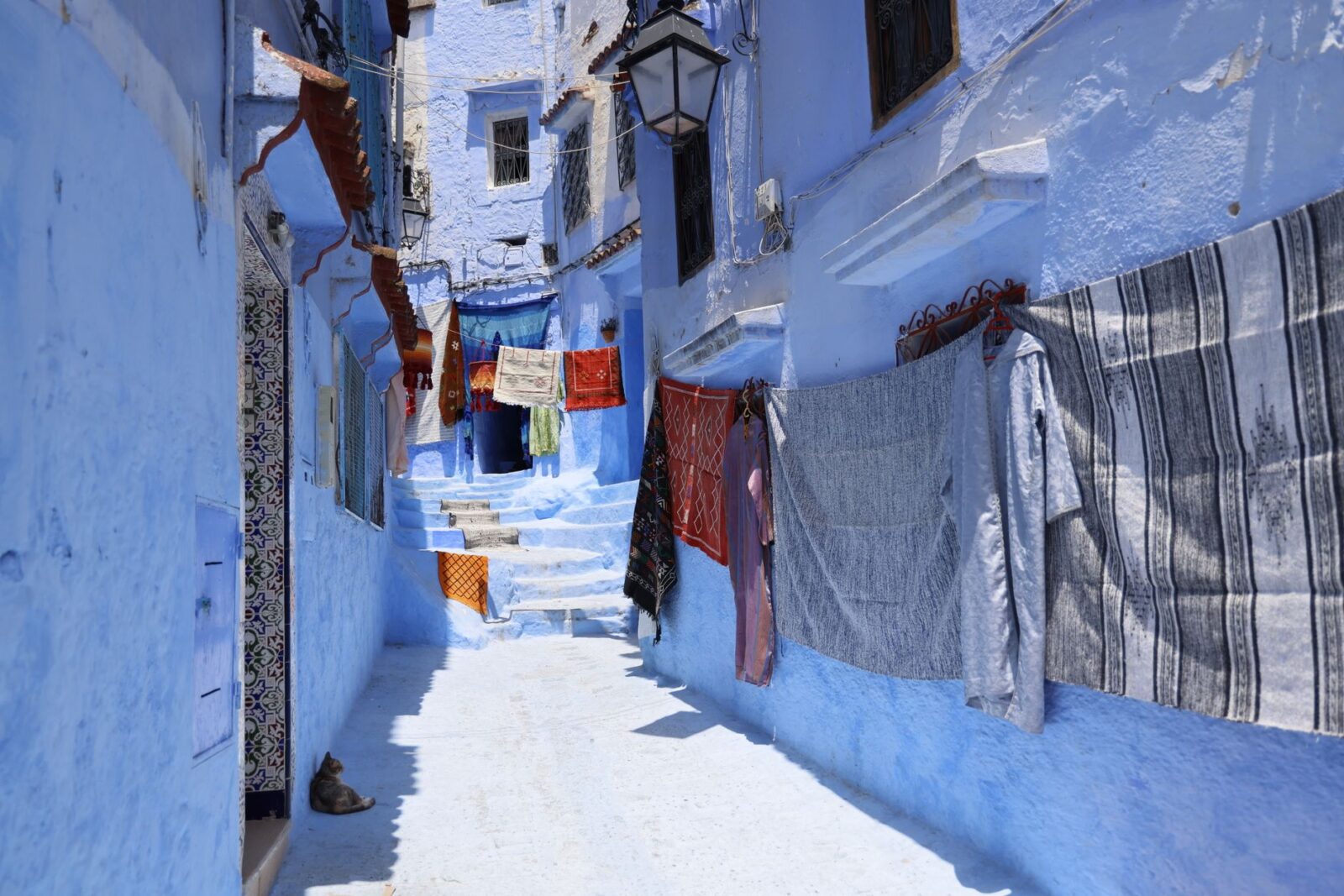
True immersion in Morocco begins when you relinquish rigid itineraries and follow sensory cues. In Chefchaouen’s blue-washed streets, wander until you find a hidden courtyard where women hand-stitch wool blankets while singing Amazigh lullabies – purchase directly from them for 80-120 dirhams ($8-12 USD), knowing your money supports generational craft. Skip the crowded tanneries of Fes and instead visit the cooperative tannery in Chouara where natural dyes from poppy, indigo, and henna create leather goods without harsh chemicals; a small leather pouch costs approximately 150 dirhams ($15 USD) here versus inflated prices in tourist zones.
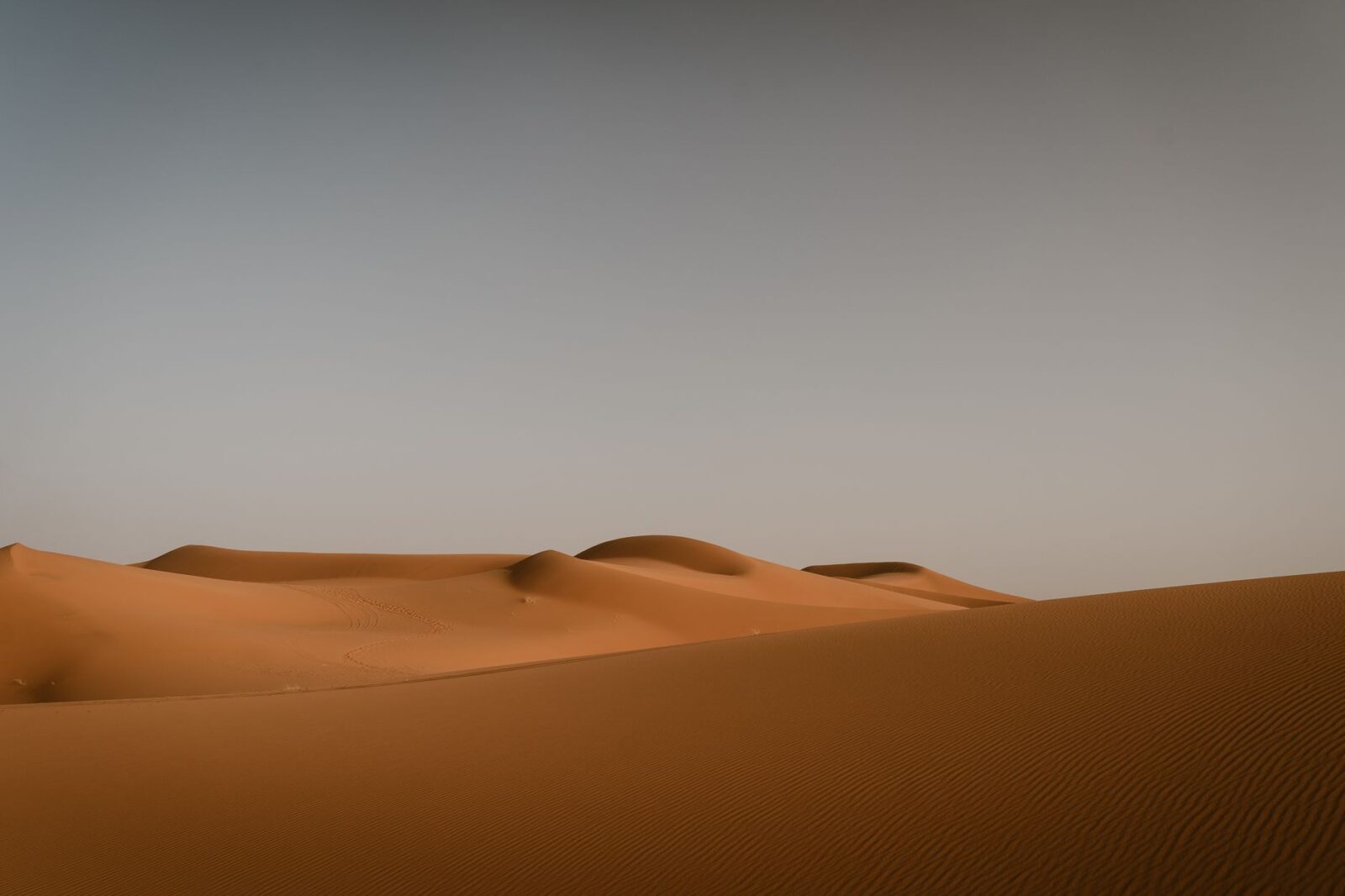
The Sahara Desert demands respect and preparation. Rather than rushing through a sunset camel ride, opt for an overnight trek with Berber guides who share stories of celestial navigation around the campfire. Wake before dawn to watch the dunes shift from purple to gold as temperatures rise – a moment far more profound than any staged photo opportunity. In the mountains, hire a local guide from the village of Imlil to trek Mount Toubkal’s foothills, learning which wild thyme soothes stomach ailments and which cliff paths were used by ancient caravans.
Coastal Morocco reveals its soul through slow observation. Spend an afternoon in Essaouira’s port watching fishermen mend nets with techniques unchanged for centuries, then follow the scent of grilling sardines to a tiny stall where a whole fish costs 25 dirhams ($2.50 USD) and is eaten standing up with bread and cumin. In Tangier’s Kasbah, sit silently in the courtyard of the Dar el Makhzen palace as afternoon light shifts across intricate woodwork – a meditation on centuries of cultural exchange between Africa and Europe.
Flavors of Morocco: Street Food, Spice Markets & Home Cooking
Moroccan cuisine tells the story of its geography – Berber, Arab, Andalusian, and French influences simmering in tagines and couscous dishes that vary dramatically from north to south. Begin your culinary journey in Marrakech’s spice square (Rahba Kedima) where pyramids of saffron, ras el hanout, and preserved lemons fill the air with earthy perfume. Sample msemen (flaky, square-shaped flatbread) stuffed with spiced lentils for just 3-5 dirhams ($0.30-0.50 USD) from street vendors near Kissariat al Kifah, then wash it down with freshly squeezed orange juice for 4 dirhams ($0.40 USD).
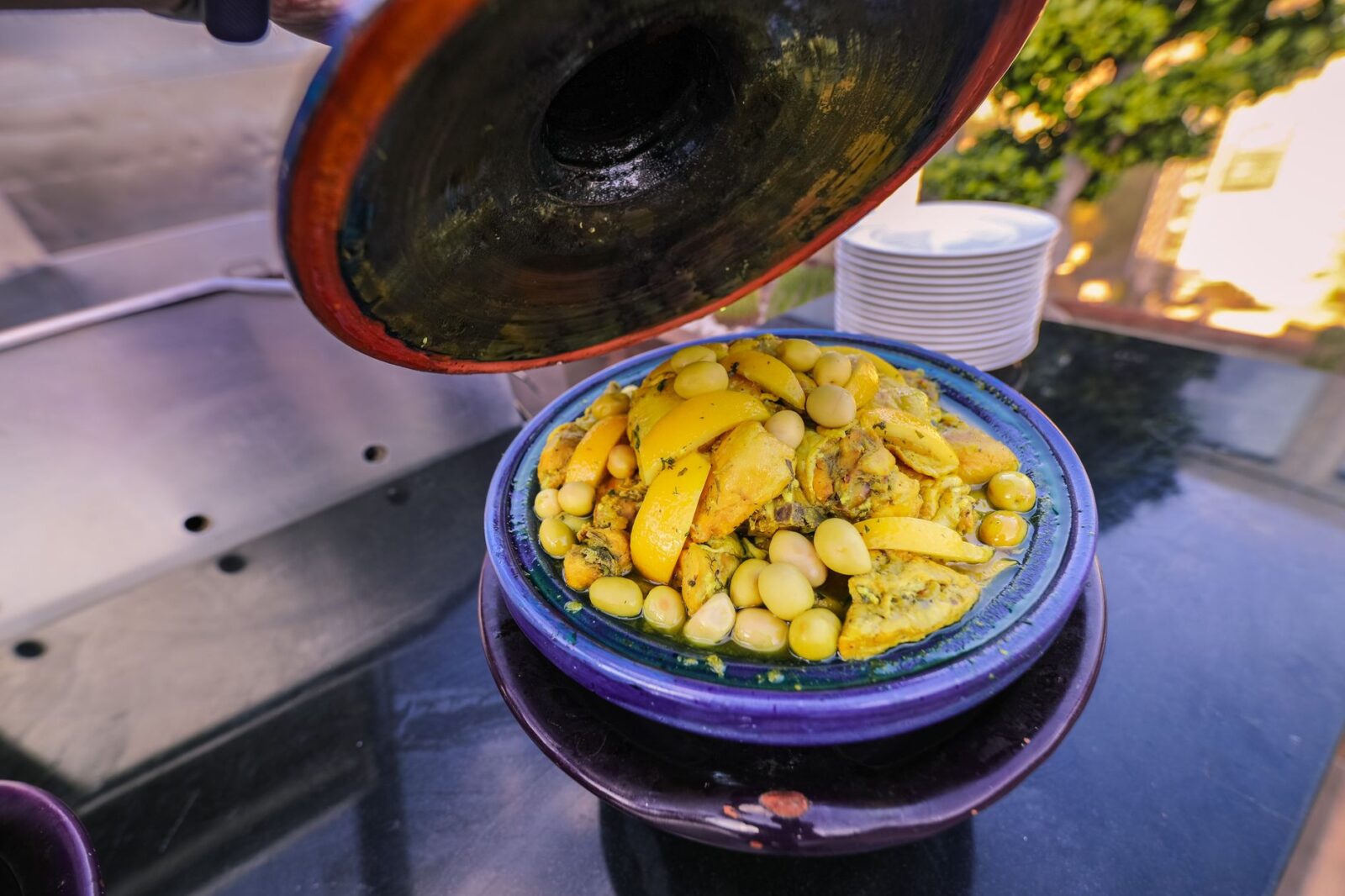
For a true taste of home cooking, seek out family-run restaurants in residential neighborhoods rather than tourist strips. In Fes’ Nouvelle Ville, try Restaurant Al Fassia’s legendary chicken tagine with preserved lemon and olives – slow-cooked for hours in a clay pot until the meat falls off the bone, served with steaming couscous for approximately 120 dirhams ($12 USD). Coastal cities shine with seafood specialties: in Essaouira, indulge in chermoula-marinated grilled sardines or a hearty bowl of harira soup (tomato-based with lentils and chickpeas) for 30-40 dirhams ($3-4 USD) at port-side cafes where fishermen eat after their shift.
No culinary exploration is complete without experiencing Morocco’s sweet traditions. Visit a morning market in Meknes to buy fresh chebakia – sesame cookies fried in honey and orange blossom water, traditionally eaten during Ramadan but available year-round for 2 dirhams ($0.20 USD) each. Pair them with a glass of cold avocado smoothie blended with milk and honey for 6 dirhams ($0.60 USD) from a juice stand in Tetouan. For coffee lovers, order a nous nous (half coffee, half hot milk) in a Tangier café for 8 dirhams ($0.80 USD) and savor it slowly as locals do – never to-go.
Getting There and Around: Practical Navigation
Most international travelers arrive via Mohammed V International Airport in Casablanca (CMN), which offers direct flights from major hubs including Paris, London, Istanbul, and New York. Flight durations average 7-8 hours from Europe and 10-12 hours from North America, with economy fares typically ranging from $450-800 USD round-trip depending on season. Alternative entry points include Marrakech Menara (RAK) for southern itineraries and Tangier Ibn Battuta (TNG) for northern routes, often providing cheaper connections from European budget airlines.
Once on the ground, Morocco’s transportation network surprises visitors with its efficiency and affordability. The state-run ONCF train system connects major cities reliably – a second-class ticket from Casablanca to Marrakech costs approximately 80 dirhams ($8 USD) for the 3.5-hour journey, while first-class upgrades to 120 dirhams ($12 USD) add wider seats and less crowding. For the scenic route to Fes, the train from Tangier takes 4.5 hours and costs roughly 150 dirhams ($15 USD) second-class, offering views of the Rif Mountains that buses miss.
Buses operated by companies like CTM and Supratours provide extensive coverage to smaller towns and rural areas, though journeys take longer than trains. A bus from Marrakech to Essaouira costs about 70 dirhams ($7 USD) for the 2.5-hour trip, while the longer haul to Merzouga (Sahara gateway) runs approximately 200 dirhams ($20 USD) for 12 hours. Within cities, petit taxis (small, usually red) operate on meters – insist the driver uses it, as fares typically start at 7 dirhams ($0.70 USD) and increase by 1.50 dirhams per 200 meters. Grand taxis (larger, often beige Mercedes) serve intercity routes; agree on a price before departing, as they rarely use meters.
Car rental offers flexibility for exploring remote regions like the Sahara or Atlas Mountains, but requires caution. Expect to pay $30-50 USD per day for a basic vehicle, plus insurance and fuel costs. Driving in cities can be challenging due to narrow medina streets and assertive local driving habits – many travelers find hiring a driver for day trips ($40-60 USD) more relaxing than self-navigating. Always carry an International Driving Permit alongside your national license, and note that police checkpoints are common on highways, particularly near provincial borders.
Visas, Budget & Essential Preparation
Visa requirements for Morocco are notably straightforward for many nationalities. Citizens of the United States, Canada, United Kingdom, European Union member states, Australia, New Zealand, and Japan receive visa-free entry for stays up to 90 days – simply present a valid passport (with at least six months remaining validity) and proof of onward travel upon arrival. Travelers from India, South Africa, and many Asian and African nations typically need to apply for a visa in advance at Moroccan consulates, with processing times averaging 5-10 business days and fees ranging from $20-30 USD for single-entry tourist visas.
All visitors should register their stay with local authorities if accommodation doesn’t automatically do so – most reputable hotels and riads handle this, but verify upon check-in. Passport control queues at major airports can stretch to 45-60 minutes during peak arrival times (early mornings and late evenings), so build this buffer into your travel plans. Customs regulations prohibit importing narcotics, pornographic materials, and items deemed offensive to Islam; alcohol and tobacco allowances exist but are strictly limited (one bottle of spirits and 200 cigarettes maximum).
Budget breakdowns help travelers plan realistically. A comfortable mid-range trip averaging $80-120 USD per person per day covers mid-range accommodation ($80-120), meals ($15-25 for two restaurant meals plus snacks), local transport ($10-20), and entrance fees/guide tips ($5-15). Budget travelers can thrive on $40-60 USD daily by choosing hostels ($25-40), street food and market meals ($8-12), and public transport ($5-10). Luxury experiences start at $200+ USD daily, incorporating riad suites ($180-250), private guides ($50-100), fine dining ($40-80), and exclusive activities like hot air ballooning over Marrakech ($250-350).
Always carry small denominations of Moroccan dirhams (MAD) for markets, taxis, and small establishments – while credit cards are accepted in larger hotels and restaurants, many rural businesses operate cash-only. ATMs are widely available in cities and towns, though notify your bank of travel plans to avoid blocks. Exchange rates fluctuate but currently hover around 10 MAD = 1 USD; avoid exchanging money at airports or hotels where rates are unfavorable – instead, use official bureaus de change in city centers or withdraw directly from ATMs for better value.
Culture, Customs & Traveling with Respect
Morocco’s social fabric weaves together Amazigh (Berber), Arab, African, and European threads, creating nuanced customs that reward observant travelers. Greetings matter deeply – a handshake accompanied by “Salam alaykum” (peace be upon you) is standard, though close friends may exchange kisses on both cheeks. When entering homes or certain shops, remove your shoes if you see others’ footwear lined up at the entrance. During Ramadan, avoid eating, drinking, or smoking in public during daylight hours out of respect for those fasting; many restaurants remain closed until sunset, though tourist areas increasingly offer discreet screening areas.
Dress modestly, particularly outside major cities and tourist zones. Women should cover shoulders and knees – lightweight linen pants or long skirts paired with tunics work well, while men avoid sleeveless tops in traditional areas. This isn’t about strict conformity but showing respect for local sensibilities; in return, you’ll often receive warmer invitations to share tea or join family celebrations. Photography requires sensitivity: always ask permission before photographing people, particularly women, and avoid shooting near government buildings, military installations, or mosques during prayer times. A friendly gesture and smile go far when language barriers exist.
Common tourist mistakes stem from misunderstanding Morocco’s pace and social dynamics. Haggling is expected in souks (markets), but approach it as a friendly exchange rather than a battle – start at about 40% of the asking price and meet somewhere in the middle with laughter and tea. Never rush transactions; Moroccans value relationship-building over quick sales. Avoid public displays of affection beyond holding hands, as kissing or embracing in public can cause discomfort. When invited to someone’s home, bring a small gift like pastries or flowers (avoid chrysanthemums, associated with funerals), and accept offers of food and drink – refusing hospitality can be seen as rude.
Learn a few key phrases in Darija (Moroccan Arabic) or Tamazight (Berber) to open doors: “Shukran” (thank you), “La bas” (no problem/welcome), and “Bismillah” (in the name of God, said before eating) show effort that locals appreciate immensely. Remember that time flows differently here – meetings may start late, meals linger for hours, and transportation runs on approximate schedules. Embrace this fluidity rather than fighting it; some of Morocco’s most memorable moments happen in unplanned pauses – sharing mint tea with a carpet weaver in the medina, watching the sun set over the desert dunes, or simply sitting in a courtyard listening to the rhythm of daily life.
Frequently Asked Questions About Exploring Morocco Beyond Marrakech
Is it safe to travel independently in Morocco as a solo female traveler? Morocco ranks among the safer North African destinations for solo female travelers, particularly when exercising standard precautions. Incidents of serious crime against tourists remain rare, though petty theft like bag snatching or pickpocketing can occur in crowded areas such as Marrakech’s medina or Casablanca’s train stations. Seasoned travelers report that dressing modestly, avoiding walking alone at night in poorly lit areas, and using reputable transportation (like registered taxis or trains) significantly reduces risks. Many women find that joining small group tours for specific excursions – like desert camping or mountain trekking – offers both security and opportunities to meet fellow travelers while maintaining independence for other parts of their journey.
How much should I budget for a guided tour versus independent travel? Guided tours in Morocco offer convenience and local insight but come at a premium. A reputable 7-day small-group tour covering Marrakech, the Sahara Desert, and Fes typically costs $1,200-1,800 USD per person (mid-range accommodation, most meals, transport, and guide fees included). Independent travelers can cover similar ground for $600-900 USD by staying in riads or hostels ($30-50/night budget, $80-150 mid-range), eating at local restaurants ($10-15/meal), and using public transport or shared taxis. Luxury private guides charge $50-100 USD per day but provide invaluable context – consider hiring one for complex destinations like Fes’ medina or Sahara navigation while managing other aspects independently.
What’s the best way to experience the Sahara Desert without contributing to overtourism? Responsible Sahara experiences prioritize small group sizes, local employment, and environmental stewardship. Opt for tours operated by Berber cooperatives or locally owned companies that limit groups to 6-8 people, use solar-powered camps, and employ exclusively local staff as guides, cooks, and camel handlers. Avoid large camel caravans with dozens of tourists; instead, seek smaller treks (2-4 people) that venture deeper into Erg Chebbi or Erg Chigaga dunes where crowds thin. Consider visiting during shoulder seasons (April-May or September-October) when temperatures are milder and visitor numbers lower. Always follow Leave No Trace principles: pack out all waste, respect fragile desert vegetation, and support communities by purchasing handicrafts directly from artisans in villages like Khamlia or M’hamid.
Are credit cards widely accepted, or should I carry cash? Credit cards (Visa and Mastercard) are accepted in mid-to-high-end hotels, larger restaurants, and modern shopping malls in cities like Marrakech, Casablanca, and Rabat. However, in traditional medinas, rural areas, souks, and smaller establishments – including many riads, street food stalls, and local transport – cash in Moroccan dirhams (MAD) is essential. ATMs are readily available in urban centers and towns, though notify your bank of travel plans to prevent blocks. Exchange rates are generally fair at official bureaus de change and bank ATMs; avoid airport or hotel exchanges where rates can be 5-10% worse. Carry small bills (20, 50, 100 MAD) for markets and taxis, as vendors often lack change for larger denominations.
How do I respectfully visit religious sites like mosques and zaouias? Non-Muslim visitors cannot enter active mosques in Morocco except for a few specific exceptions like the Hassan II Mosque in Casablanca (which offers guided tours for non-Muslims at set times) and the Tin Mal Mosque in the High Atlas (a historical site no longer used for worship). When visiting permitted sites, dress conservatively: women should cover heads, shoulders, and knees; men should wear long pants and sleeves. Remove shoes before entering, and maintain silence inside. For zaouias (Sufi religious schools), access varies – some welcome respectful visitors during non-prayer times, while others are private. Always ask permission before entering any religious compound, and never photograph inside without explicit consent. During prayer times, avoid walking in front of those praying; wait patiently to the side.
Stay informed with the latest travel news, visa updates, and destination guides. Follow HimalayanCrest.com for weekly travel intelligence delivered by our editorial team.