

Duck Embryos Boiled Alive: The Philippines’ Most Daring Delicacy
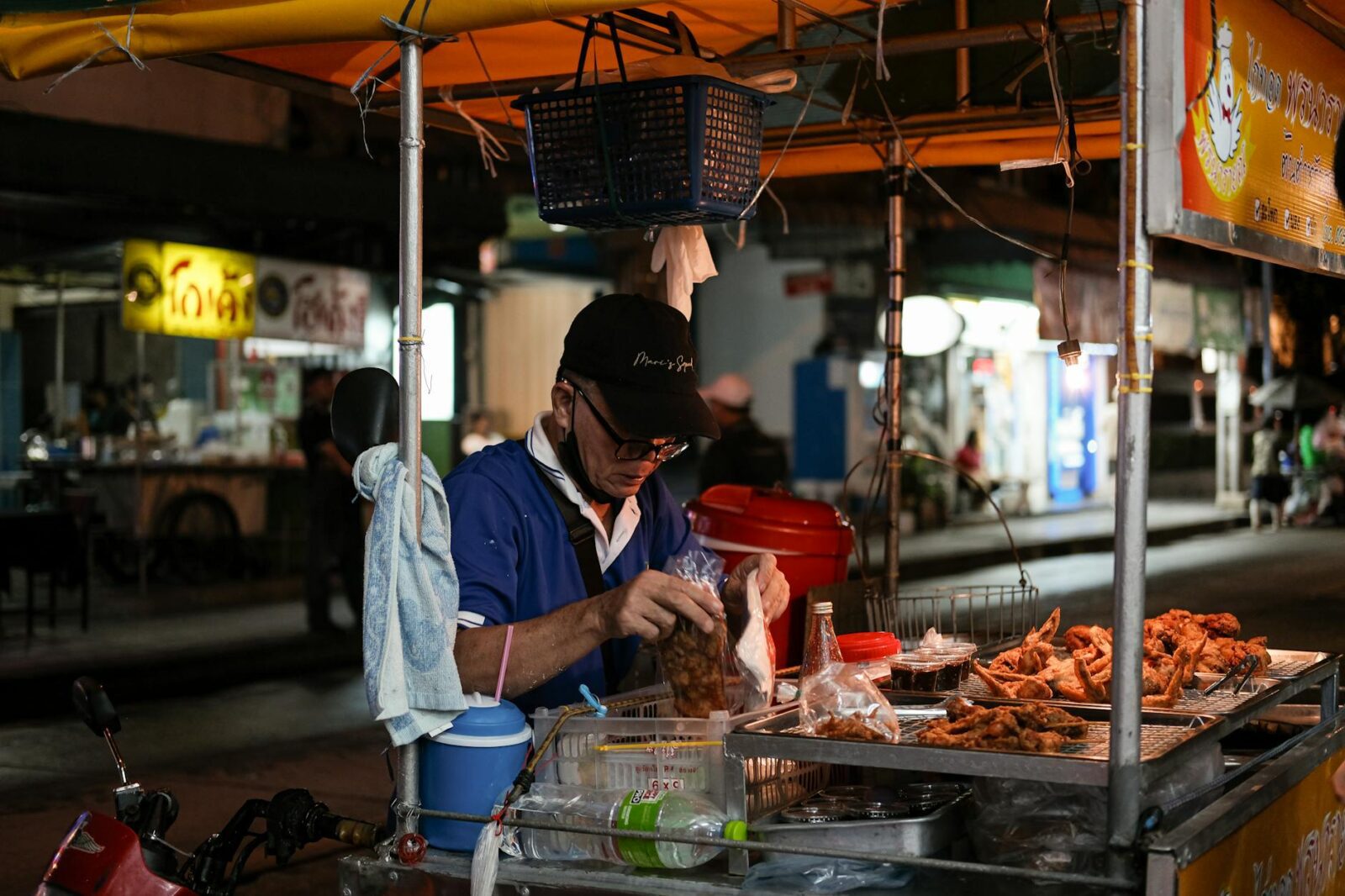
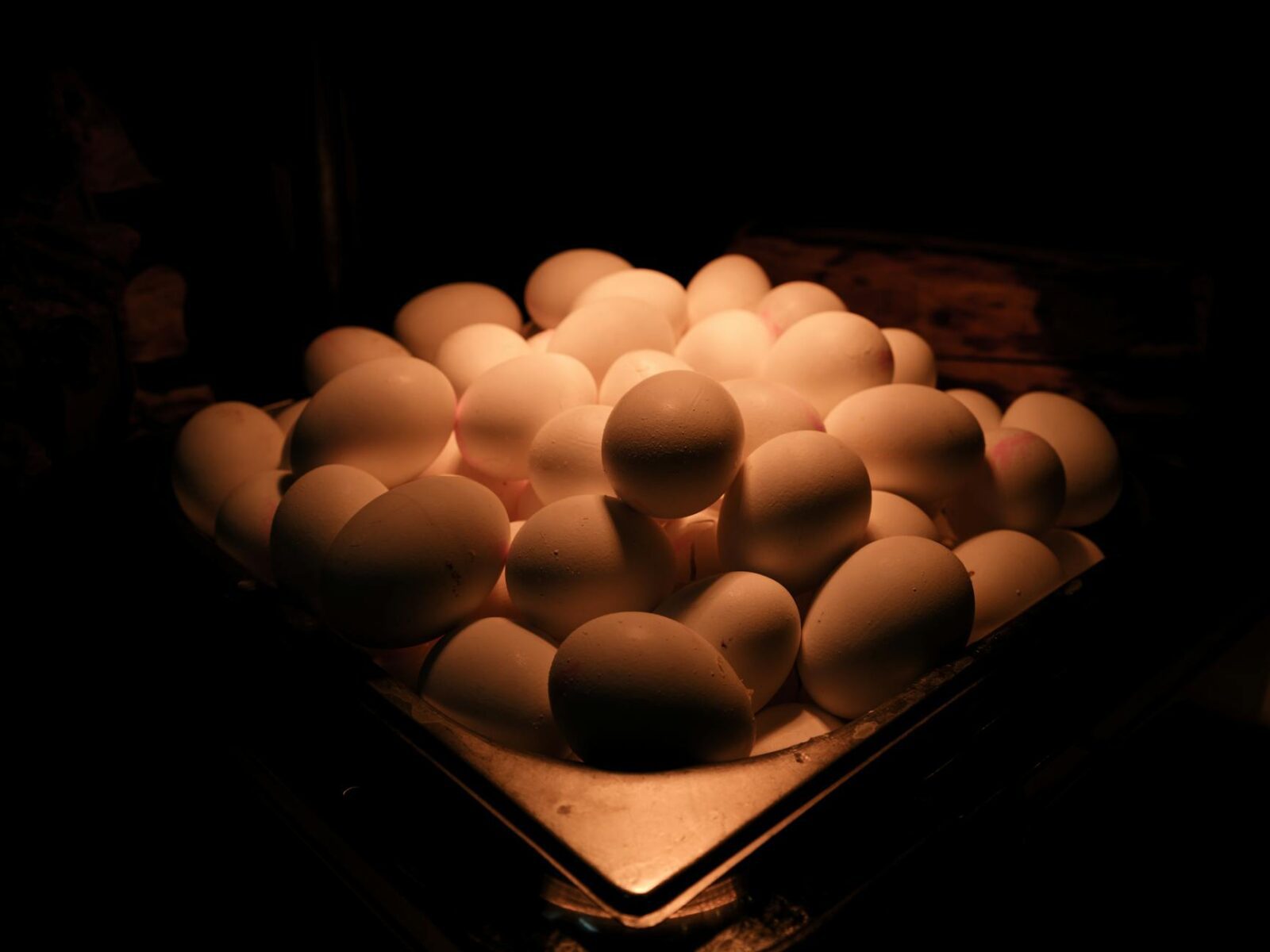
In the Philippines, balut represents the ultimate test of culinary courage—a fertilized duck or chicken embryo that is boiled alive and eaten directly from its shell. Street vendors across Manila and provincial towns sell this finger food seasoned with salt, chili, garlic, and vinegar, treating it as casually as hot dogs are sold elsewhere. The experience involves cracking open the shell to reveal a fully-formed duckling inside, complete with bones, feathers, and beak, making it perhaps the most visually confronting meal in all of Southeast Asia.
What makes balut fascinating isn’t just its appearance—it’s the cultural reverence surrounding it. Filipinos consider balut high in protein and rich in vitamins, and it has been consumed for generations as both a street snack and a protein source in rural communities. The dish has spread beyond the Philippines; you’ll find it in Vietnam, Cambodia, and Laos as well, though it remains most iconic in its birthplace. For travelers brave enough to try it, balut is typically dipped in either vinegar or salt, and locals insist the taste—described as a richer, more complex version of a boiled egg—justifies the initial shock factor.
Tarantulas Fried Crispy: Cambodia’s Spider Snack with Dark Historical Roots
In the small market town of Skuon in Kampong Cham province, Cambodia, fried tarantulas are a celebrated delicacy that draws curious travelers and locals alike. These spiders are bred in small underground holes, then fried in oil until their legs become crispy while the abdomen remains soft and gooey. People describe the flavor as a surprising mix of chicken and cod—far more appetizing than the appearance suggests.
The history behind this dish carries weight. Tarantulas became a popular food source during Cambodia’s Khmer Rouge regime when the country faced severe food shortages and people were forced to harvest whatever they could find to survive. What began as desperate survival food has transformed into a regional specialty that tourists now seek out intentionally. The spiders are not poisonous when cooked, and locals assure visitors they won’t come back to life in your stomach—a reassurance that’s somehow both comforting and unsettling at once.
Shipworms Marinated in Lime: The Philippines’ Mollusk Mystery
Tamilok, also known as shipworms, represents one of Southeast Asia’s most unusual proteins—a delicacy found primarily in the Philippines, especially in Palawan and Aklan provinces. Despite their name, these creatures aren’t actually worms at all, but rather a type of mollusk from the clam family that burrows into submerged wood on docks and piers, earning them the nickname “sea termites.” They’re prepared by marinating in lime juice, chilies, onions, and other seasonings, creating a dish that adventurous eaters describe as having flesh resembling anything from milk to oysters.
Finding tamilok is part of the adventure itself. These creatures are notoriously difficult to harvest and are considered a real treat for the truly adventurous foodie willing to seek them out in remote coastal areas. Variations of this dish have spread as far as Thailand and Papua New Guinea, though they remain most authentic and accessible in the Philippines. For travelers visiting Palawan’s pristine beaches, tamilok represents a connection to local fishing traditions and the resourcefulness of island communities that have long turned the ocean’s unusual inhabitants into culinary treasures.
Grub Curry: Thailand’s Insect-Powered Protein Revolution
Throughout Thailand, insect restaurants are popping up with increasing frequency, and grub curry has emerged as one of the most popular dishes on their menus. This curry literally substitutes fat larvae for traditional protein sources like chicken or shrimp, creating a dish that’s both environmentally sustainable and deeply rooted in regional food culture. The creamy, protein-rich larvae blend seamlessly into curry sauces, and many diners report they wouldn’t even notice the ingredient swap if they weren’t told in advance.
The rise of insect cuisine in Thailand reflects broader trends in sustainable eating and resource efficiency. Beyond grub curry, regional bugs are being incorporated into salads, served as main proteins on their own, and used in countless other dishes across the country. What was once considered survival food or curiosity cuisine has become trendy among environmentally conscious travelers and locals alike. Bangkok’s food scene now celebrates insects not as bizarre novelties but as legitimate culinary ingredients—a shift that’s gradually changing how the world thinks about sustainable protein sources.
Bamboo Worms Deep-Fried: North Thailand’s Crunchy Crowd-Pleaser
In North Thailand, where giant bamboo grows abundantly, bamboo worms have become a beloved street snack that appeals even to the most hesitant adventurous eaters. Deep-fried and lightly dressed with soy sauce, these worms are described as tasting like “Wotsits without the cheesy”—meaning they’re crunchy, savory, and surprisingly addictive. The worms are harvested from the giant bamboo plants native to the region, making this a truly local food that connects directly to the environment.
What makes bamboo worms special is their universal appeal. Unlike some extreme foods that divide opinion sharply, bamboo worms tend to win over even skeptics with their satisfying crunch and mild flavor. Travelers who’ve tried them often report that they actually enjoyed the experience and would happily eat them again—a rarity in the world of extreme foods. You can boast to friends back home that you ate worms, but here’s the secret: you’ll actually enjoy them too, which makes the story even better when you’re telling it later.
Red Ants as Beer Snack: Thailand’s Lemony Insect Appetizer
In Thailand, red ants—specifically the large, winged variety—are fried with lemongrass, chili, and shallots to create a delicate, tangy beer snack that locals enjoy with cold drinks. The formic acid in the ants provides a natural lemony flavor that complements the spices perfectly, creating a surprisingly sophisticated snack experience. This isn’t random experimentation; it’s a carefully developed flavor combination that has been refined over generations.
Beyond Thailand, ants appear in various forms across Southeast Asia. In Cambodia, spicy beef in black ant sauce is served at restaurants like Phnom Penh’s ’54 Cafe’, where it’s become a signature dish that draws both locals and tourists. What’s remarkable is how versatile ants prove to be as an ingredient—they’re surprisingly tasty when correctly prepared, and their use reflects the resourcefulness of Southeast Asian cuisines in finding nutrition and flavor in unexpected places. For travelers, ordering ant-based dishes offers a genuinely local experience that goes far deeper than typical tourist food.
White Ant Egg Soup: Laos’ Protein-Packed Delicacy
White ant egg soup is a beloved dish throughout the Indochina region, particularly in Laos, where white ants are harvested and added to broths along with their embryos and baby ants. The eggs themselves taste slightly sour and provide a tangy, caviar-like texture that food lovers compare to the luxury ingredient—making this the “Asian version of caviar” for those seeking a unique umami experience. The soup is crunchy, protein-rich, and deeply embedded in local food traditions that stretch back generations.
The preparation of white ant egg soup showcases the resourcefulness of Laotian cuisine. Rather than viewing insects as last-resort protein, Laotian cooks have elevated them to celebrated ingredients worthy of special occasions and honored guests. The sourness of the eggs pairs beautifully with other traditional Laotian flavors, and the soup represents a direct connection to the forests and agricultural practices that have sustained communities for centuries. Travelers visiting Laos will find this soup in local markets and family-run restaurants, offering an authentic taste of regional food culture that few international visitors ever experience.
Scorpions Served Crispy: Thailand’s Venomous Snack Paradox
Deep-fried scorpions are a popular street snack across Thailand, Laos, Vietnam, and China, yet they raise an obvious question: aren’t scorpions deadly venomous? The answer is yes—but the venom becomes harmless when the scorpion is properly cooked, and the sharp shells, while a nuisance for your teeth, pose no actual danger. Vendors describe the flavor as tasting like chicken, though some insist it’s more similar to crab, and the crunchy texture makes them an irresistible beer companion or late-night snack.
Finding scorpion snacks is straightforward in major Thai cities. Night markets, street food stalls, and tourist areas like Khao San Road in Bangkok feature vendors selling these crispy delicacies under bright lights, often surrounded by curious backpackers taking photos. The appeal combines genuine flavor with the thrill factor—you’re eating something that looks dangerous, even if it’s completely safe. For travelers seeking authentic local experiences that push their comfort zones, scorpions represent an accessible entry point into insect cuisine without requiring a trip to remote villages.
Silkworm Pupae: Korea’s Beondegi and Its Southeast Asian Cousins
Silkworm pupae, known locally as beondegi in Korea, have become one of the most popular street foods in South Korea and are increasingly common throughout Southeast Asia, including Vietnam, Thailand, China, and Japan. These pupae are generally boiled or steamed and then seasoned with spices, creating a snack that’s protein-rich and surprisingly palatable to those willing to try them. You can even buy beondegi in cans from Korean supermarkets, making them accessible to anyone curious enough to experiment at home.
What’s remarkable about silkworm pupae is their mainstream acceptance in multiple Asian countries. They’re not relegated to exotic food challenges or tourist gimmicks—they’re legitimate snacks that locals genuinely enjoy and purchase regularly. Travelers report that beondegi make surprisingly good camping snacks due to their portability and protein content, and they’re far less intimidating than many other insect foods because the cooking process transforms them into something that looks less obviously like what they are. The fact that they’re available in convenience stores across Korea and Southeast Asia speaks to how normalized insect protein has become in these regions.
Blood Soup: Southeast Asia’s Iron-Rich Tradition
Blood soup is popular across Thailand, Laos, the Philippines, and Vietnam, made from exactly what its name suggests—animal blood sourced from ducks, chickens, pigs, or goats depending on the region and availability. The blood can be freshly drained from the animal or comes in congealed chunks, typically appearing in Thai noodle soups served in the northern regions where the dish is most traditional. While the concept horrifies many Western travelers initially, blood soup is actually a highly nutritious dish rich in iron and protein, representing an efficient use of animal resources in traditional cuisines.
The prevalence of blood soup across multiple Southeast Asian countries reflects its deep cultural roots and practical value. In regions where nothing goes to waste, using blood as a cooking ingredient represents both resourcefulness and respect for the animal. The soup is usually seasoned with traditional spices and herbs that complement the rich, metallic flavor of blood, creating a complex dish that’s far more sophisticated than its ingredients suggest. For adventurous travelers, trying blood soup in a proper restaurant setting—rather than from a street vendor of unknown hygiene standards—offers a safe introduction to this traditional cuisine while supporting local food culture.
Sun-Dried Squirrels: Laos’ Rustic Mountain Delicacy
In Laos, sun-dried squirrels represent a rustic, traditional food passed down through generations, particularly in mountain communities where hunting has long been a way of life. The recipe is simple: take a medium-sized squirrel, kill it, and dry it in the sun—a preservation method that has sustained Laotian families for centuries and remains common throughout the country today. While sun-dried squirrels may not be photogenic enough to feature prominently in travel guides, they represent genuine local cuisine that reflects the resourcefulness of mountain communities.
The dish embodies a food culture radically different from urban, industrialized eating. In rural Laos, hunting squirrels and preserving them through sun-drying represents a direct connection to the land and traditional survival skills. Travelers visiting remote Laotian villages might encounter sun-dried squirrels in family meals or local markets, offering an authentic glimpse into how people in mountainous regions have sustained themselves for generations. While it’s not a dish most tourists actively seek out, encountering it during travels provides valuable context for understanding how diverse and locally-rooted Southeast Asian food cultures truly are.
Crickets and Grasshoppers: Bangkok’s Ubiquitous Street Snack
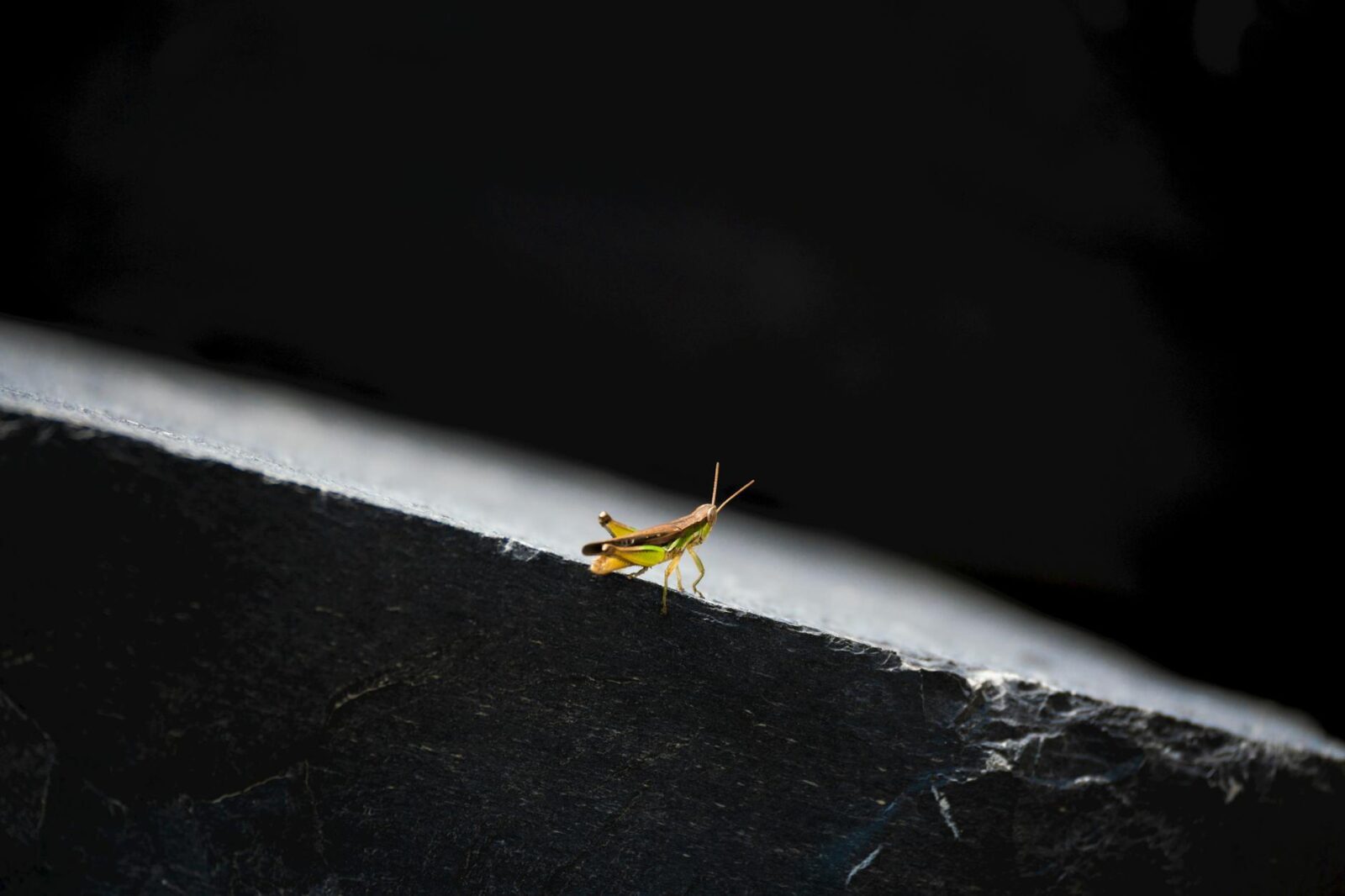
On Khao San Road in Bangkok and throughout Thailand, fried crickets and grasshoppers sit glistening under bright lights, surrounded by curious backpackers pointing and taking photos but few brave enough to actually taste them. Yet eating insects isn’t merely a tourist novelty or extreme food challenge—it’s a legitimate part of Thai food culture that locals have enjoyed for generations. These insects are seasoned with salt, garlic, and oil, creating a crunchy snack that’s become iconic in Thai street food scenes.
What makes crickets and grasshoppers particularly interesting is their accessibility and relatively mild flavor profile compared to other insect foods. They’re easy to find, reasonably priced, and the eating experience is straightforward—just pop them in your mouth and crunch. Unlike some extreme foods that require mental preparation and courage, crickets feel almost approachable, making them an ideal starting point for travelers new to insect cuisine. The fact that they’re ubiquitous in major tourist areas means you don’t need to venture into remote villages to try them—they’re available whenever you’re ready to overcome your hesitation.
The Economics and Future of Southeast Asia’s Unusual Foods
Southeast Asia’s embrace of insect and unusual protein sources reflects both historical necessity and forward-thinking sustainability. In rural areas, insects and small game have always provided crucial nutrition for communities with limited access to conventional livestock farming. Today, as the world grapples with climate change and sustainable food production, these traditional foods are gaining renewed attention from environmental scientists and food innovators who recognize insects as an efficient, low-impact protein source.
For travelers, understanding the context behind these foods transforms the eating experience from novelty to cultural appreciation. When you try balut in the Philippines, you’re connecting with a food that has sustained communities for generations. When you eat fried tarantulas in Cambodia, you’re acknowledging both the resourcefulness of a people who survived unimaginable hardship and the culinary traditions that emerged from that survival. When you sample bamboo worms in Thailand or blood soup in Laos, you’re participating in food cultures that reflect deep connections to local environments and time-tested cooking traditions. This perspective shift—from “weird food challenge” to “cultural heritage”—makes the experience infinitely more meaningful and shareable.
Practical Tips for Trying Southeast Asian Unusual Foods
Start small and build tolerance gradually. Don’t attempt balut as your first insect food. Begin with bamboo worms or crickets, which have milder flavors and less visually shocking presentations. Your palate and psychology will thank you, and you’ll be more likely to enjoy the experience rather than regret it immediately.
Eat where locals eat. Tourist traps on Khao San Road mark up prices and sometimes serve lower-quality versions of traditional foods. Seek out local markets, family-run restaurants, and neighborhood food stalls where you’ll find authentic preparations, better prices, and the genuine article rather than food designed specifically for shock value.
Ask questions before ordering. Don’t assume you know what you’re getting. Ask vendors and restaurant staff about ingredients, preparation methods, and sourcing. This shows respect for the food culture, helps you avoid any genuine health risks, and often leads to fascinating conversations about local traditions.
Bring a friend and share the experience. Trying unusual foods is far more enjoyable—and far more shareable on social media—when you have someone to react with in real time. The shared experience creates memories and stories that last far longer than the meal itself.
FAQ: Your Southeast Asian Unusual Foods Questions Answered
Q: Are these foods actually safe to eat?
A: Yes, when prepared properly by reputable vendors. Insects and small game have been safely consumed in Southeast Asia for centuries. The key is eating at established restaurants, local markets, or street vendors with good reputations rather than random stalls of unknown hygiene standards. Balut, tarantulas, and blood soup are all safe when cooked thoroughly. If you have specific allergies or health concerns, ask vendors about ingredients and preparation methods before ordering.
Q: Where’s the best place to try each of these foods?
A: Balut is most authentic in the Philippines, particularly Manila and provincial towns. Fried tarantulas are best experienced in Skuon, Cambodia. Tamilok is found in Palawan and Aklan in the Philippines. Bamboo worms are a North Thailand specialty. Bangkok’s night markets and Khao San Road feature crickets, grasshoppers, and scorpions. Blood soup is common in northern Thailand. Silkworm pupae are easiest to find in Korea but also available throughout Southeast Asia.
Q: Will I actually enjoy these foods or am I just doing it for the story?
A: Many travelers are genuinely surprised by how much they enjoy unusual Southeast Asian foods. Bamboo worms, crickets, and grub curry receive consistent praise for flavor. Balut and tamilok divide opinion more sharply, but those who enjoy them often become enthusiastic advocates. The key is approaching these foods with genuine curiosity rather than just seeking a shock story. If you’re open-minded about flavor and texture, you’ll likely discover at least a few dishes you genuinely enjoy.
Q: Are these foods becoming more or less common in Southeast Asia?
A: Insect-based foods are actually becoming more common and more mainstream, not less. Insect restaurants are opening throughout Thailand, and governments are increasingly recognizing insects as sustainable protein sources. Traditional foods like balut remain popular in their home countries. These aren’t dying traditions—they’re evolving and gaining new appreciation both locally and internationally.
Q: Can I buy these foods to take home?
A: Some yes, some no. Silkworm pupae are available in Korean supermarkets in cans. Dried insects can sometimes be purchased in markets and brought home if customs allows. However, balut, fresh tamilok, and other perishable items are best enjoyed fresh in their home countries. Check your home country’s customs regulations before attempting to bring any food items across borders.
Stay informed with the latest travel news, visa updates, and destination guides. Follow HimalayanCrest.com for weekly travel intelligence delivered by our editorial team.