

Dust-Swirled Alleys and Desert Whispers Beckon
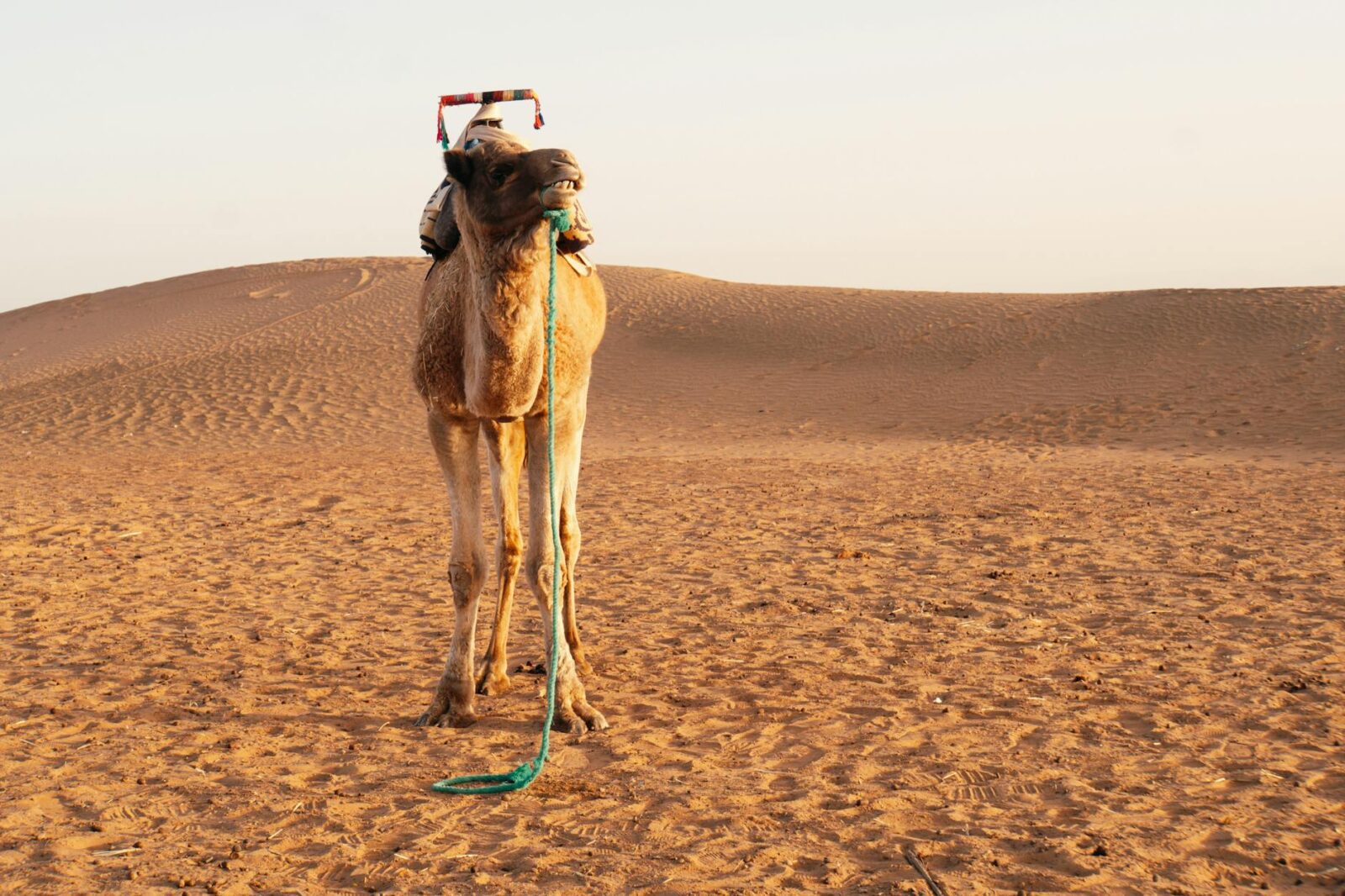
Imagine the sharp tang of cumin and cinnamon hanging heavy in the air as you weave through a labyrinth of sun-baked stalls, the distant call to prayer echoing off ancient walls while merchants hawk shimmering textiles in a symphony of haggling voices. That’s the pulse of Morocco beyond Marrakech—a land where snow-capped Atlas peaks pierce the sky, golden Sahara dunes shift under camel hooves at dawn, and forgotten coastal fortresses whisper tales of Portuguese traders. Our team at HimalayanCrest has crisscrossed these routes for weeks, from the medina’s chaotic buzz to remote Berber villages, uncovering layers of culture that Marrakech’s frenzy only hints at. This guide pulls back the curtain on Morocco’s true soul, blending raw adventure with serene escapes that linger in your senses long after the flight home.
Why chase these hidden paths now? In 2026, Morocco’s tourism surges with fresh infrastructure like upgraded desert camps and high-speed trains linking Fes to Casablanca, making offbeat spots more accessible without the crowds. Seasoned travelers report transformative encounters with Berber hospitality in the High Atlas, where shared tagine meals under starlit skies forge bonds across cultures. Yet, overtourism in Marrakech pushes savvy explorers outward, revealing authentic gems like Merzouga’s towering dunes or El Jadida’s cannon-lined beaches—experiences that deliver profound depth amid Morocco’s evolving global appeal.
These destinations shine because they contrast Marrakech’s intensity: cooler mountain air revives weary souls, endless sands instill awe, and coastal breezes carry salty freedom. Our research highlights a 2026 trend toward sustainable desert tours and cultural immersions, ensuring your journey supports local communities while dodging cookie-cutter itineraries. Pack your senses for aromas of mint tea brewing over coals, the crunch of fresh argan nuts, and vistas that redefine wanderlust.
Timing Your Moroccan Odyssey Perfectly
Spring (March to May) and fall (September to November) rule as prime windows, with daytime highs of 68-77°F (20-25°C) perfect for hiking Atlas trails or exploring Fes medinas without the summer scorch. Nights dip to a crisp 50°F (10°C), ideal for rooftop stargazing in the Sahara. Avoid July-August peaks when mercury soars to 104°F (40°C) in the desert, turning camel treks into sweaty ordeals—though savvy visitors hit coastal Essaouira for breezy 77°F (25°C) relief.
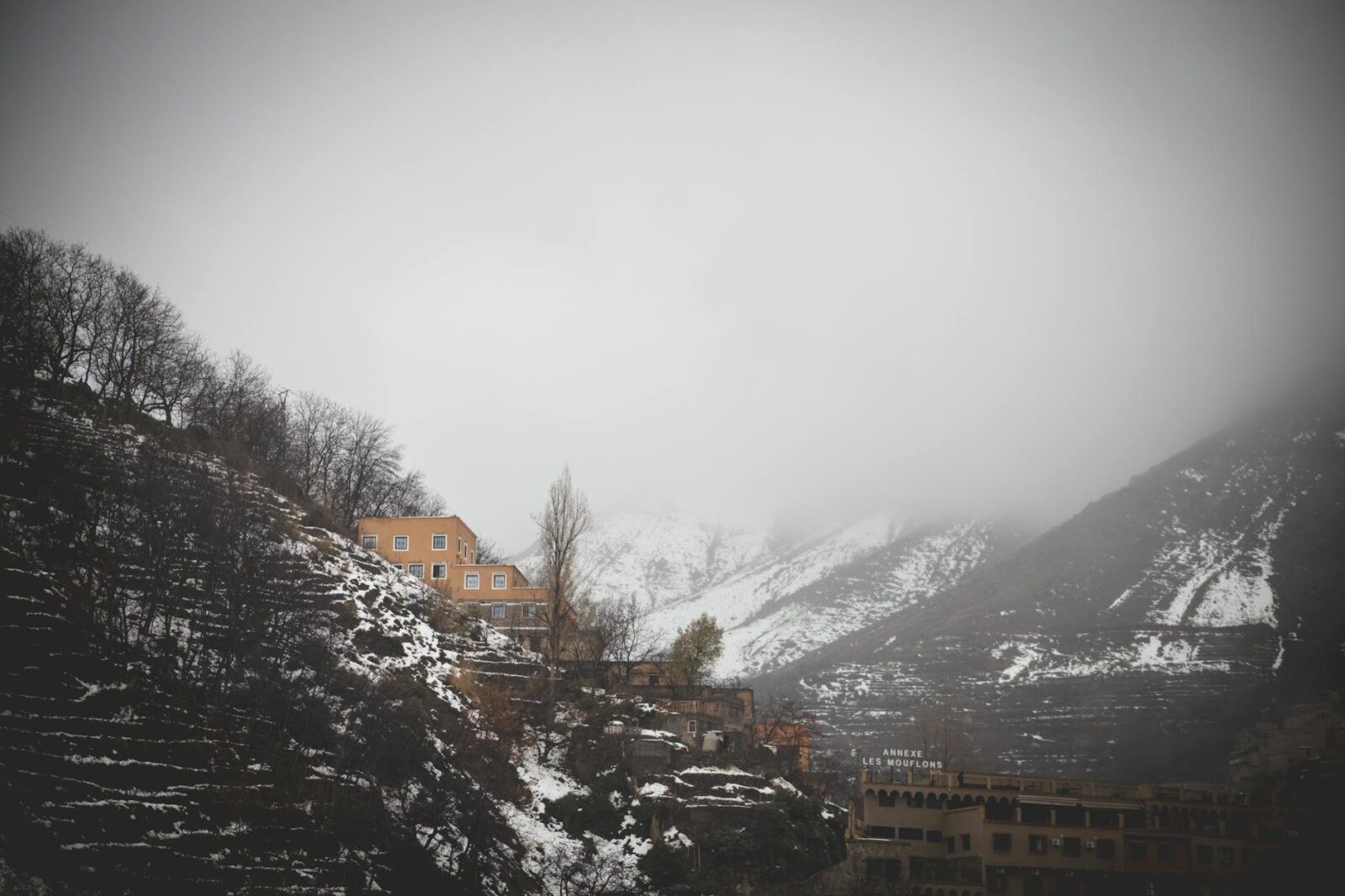
Month-by-month: March brings wildflowers blanketing the Ourika Valley, April’s mild rains greening the High Atlas for lush hikes, while May offers clear skies for Merzouga sunrises. October mirrors this with golden light bathing Ait Benhaddou’s clay kasbahs, November’s cooler temps suiting Meknes’ hilltop medina wanders. Winter (December-February) tempts with snow in Imlil for rare ski-treks up Toubkal, but pack layers as desert nights plummet to 32°F (0°C). Ramadan (dates shift yearly; check 2026 calendar) slows paces in cities—embrace it for soulful iftar feasts, but plan flexible desert escapes.
Honest caveat: Shoulder seasons mean occasional showers in the north, yet they thin crowds and slash prices by 20-30%. Track weather via official apps from Morocco’s tourism board for real-time shifts, ensuring your adventure aligns with nature’s rhythm rather than fighting it.
Prime Neighborhoods and Stays for Every Wallet
In Fes el-Bali, burrow into the ancient medina’s heart at budget riads like those near Bab Boujloud gate—think $30-50/night for tiled courtyards with mint tea service and shared hammams. Mid-range ($80-150) gems in Meknes’ Ville Nouvelle offer pools and medina views, steps from royal palaces. Luxury seekers claim High Atlas retreats in Imlil, where $200+ kasbahs like eco-lodges provide infinity pools framing snow peaks and Berber-guided dinners.
Merzouga’s desert fringes host glamping camps at $100-200/night mid-range, with private tents, en-suite bathrooms, and camel sunrise returns—budget options ($40-60) share communal firesides. Essaouira’s medina buzzes with beachfront hostels at $35-55, while Taroudant’s mud-walled old town delivers mid-range palmeries ($90-140) with hammam spas. Ouarzazate gateways feature kasbah hotels ($70-120) overlooking film-set studios, blending history with modern comforts.
Pro tip: Book riads via official sites for authentic hosts; our stays confirmed rooftop terraces yield unbeatable sunsets. Budget total: $50-250/night scales with shared vs. private vibes—prioritize locations near souks for immersion without taxis.
Unmissable Adventures That Reshape Your Worldview
Merzouga’s Erg Chebbi dunes demand a night in luxury camps—our camel trek at dusk painted horizons in fiery oranges, followed by Berber drums and lamb tagine under a Milky Way blaze. Honest take: It’s magical, not gimmicky, though quad-biking adds thrill for adrenaline chasers; skip if motion-sensitive. Ait Benhaddou’s UNESCO ksar stuns with Gladiator-era clay towers—wander mazes at dawn to evade day-trippers, feeling history’s weight in every sun-warmed wall.
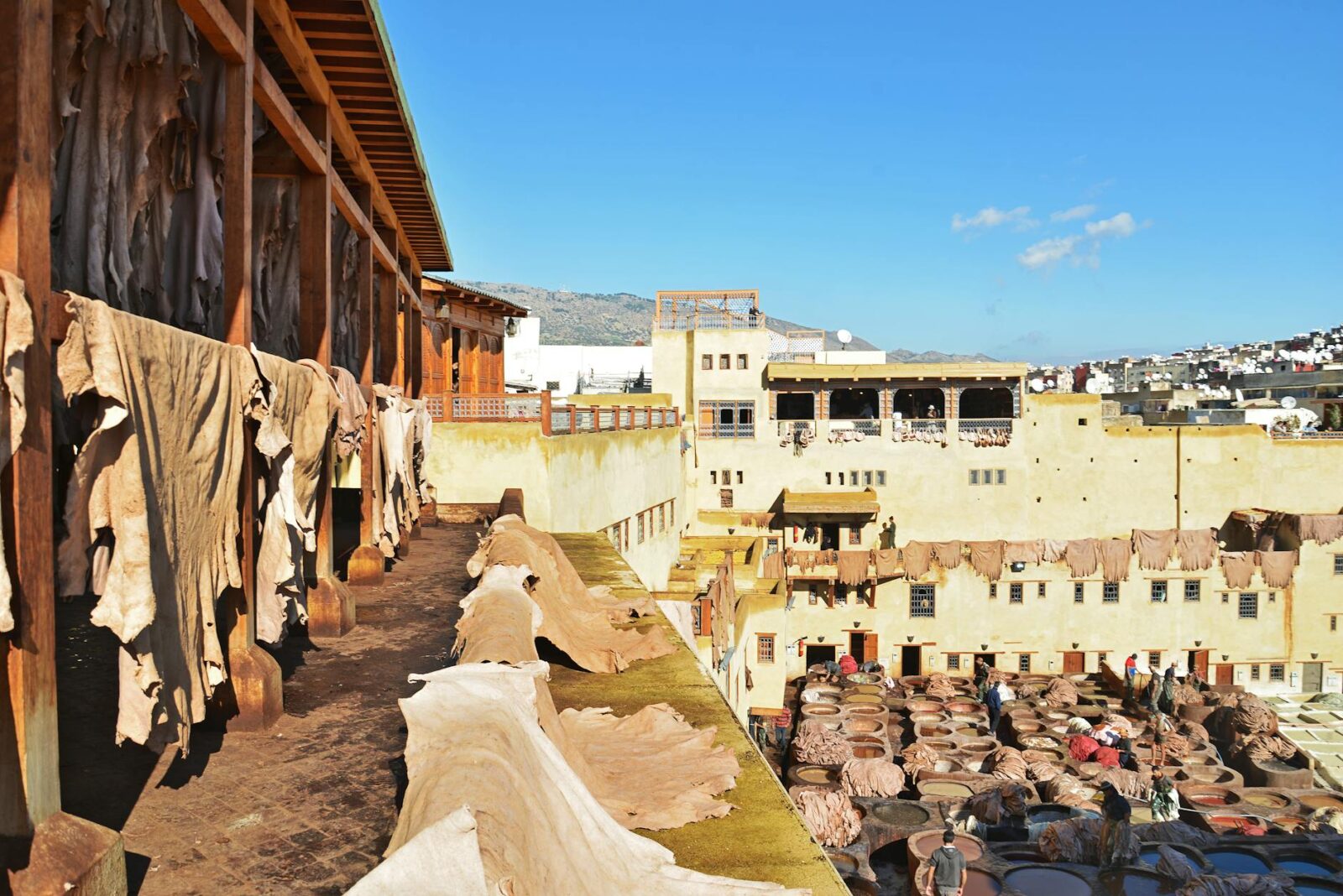
High Atlas hikes from Imlil to Berber villages reveal terraced walnut groves and free-spirited locals sharing argan oil secrets—rewarding for moderate fitness, with guides essential for hidden waterfalls. Fes’ Chouara Tannery offers visceral leather-curing views, pungent dyes assaulting senses; commission custom bags for $50-100, a tangible memory. El Jadida’s Portuguese cistern and fortress beaches provide serene wanders—less crowded than Essaouira, with cannon views sparking pirate fantasies.
Meknes’ 15-meter walls encircle mosques and palaces—less hectic than Fes, it’s a peaceful imperial dive. Ourika Valley’s Anima Garden blends art amid cascades, a wellness reset. These aren’t checklists; they’re soul-stirrers, blending exertion with epiphanies—pace yourself to savor the quiet after Marrakech’s roar.
Savoring Morocco’s Spice-Laden Soul on a Plate
Tagine reigns supreme: slow-cooked lamb with prunes and almonds in conical clay pots, bursting with cinnamon warmth—$8-15/plate in Fes medina stalls. Pair with harira soup, a tomato-lentil Ramadan starter redolent of ginger, for $3-5. Street carts in Taroudant sling msemen pancakes stuffed with goat cheese and honey, crispy edges yielding to molten fillings at $2 a pop, aromas luring you from afar.
Essaouira’s port neighborhoods buzz with fresh seafood pastilla—flaky pastry layered with pigeon, almonds, and cinnamon dust—$12-20 at oceanfront spots. Merzouga camps serve mechoui, whole roasted lamb melting off bones, shared family-style post-dune treks. Don’t miss bastilla in Meknes, savory-sweet seafood pie echoing imperial feasts. Wash down with mint tea ($1-2), hyper-sweet and invigorating, or bissap hibiscus cooler in coastal haunts.
Food hubs: Jemaa el-Fna edges for variety, though venture to Fes’ spice alleys for saffron hunts. Prices stay wallet-friendly—$20-40/day feeds adventurously. Vegetarians thrive on zaalouk eggplant dip and bissara fava bean stew; always ask for halal assurances.
Seamless Arrival, Navigation, and Smart Budgeting
Fly into Casablanca’s Mohammed V Airport (CMN) or Marrakech (RAK), with direct routes from Europe, Dubai, and major US hubs—fares $400-800 round-trip in shoulder seasons. Trains via ONCF link Casablanca-Fes-Marrakech efficiently ($20-50 first-class); grands taxis shared vans zip to Ouarzazate for $10-20/person. Rent cars ($30/day) for Atlas flexibility, but medinas demand walking or calèches.
Visas: Most nationalities (US, EU, UAE, India) get 90-day visa-free entry; check official Moroccan consulate sites like consulat.ma. Budget breakdown for 10 days: flights $600, stays $500-1500, food $250, transport $200, activities $300—total $1850-2850/person mid-range. ATMs dispense dirhams (1 USD ≈ 10 MAD); haggle souks to 50% starting prices.
Apps like Trainline and Google Maps offline ease plotting; CTM buses ($5-15) connect cities reliably.
Unlocking Cultural Codes and Dodging Pitfalls
Moroccans prize hospitality—accept three mint tea refusals before sipping, signaling respect; remove shoes entering riads, right hand for eating. Women: Modest dress (shoulders-knees) eases interactions, especially solo; groups amplify safety. Berbers in Atlas share bread-breaking rituals—reciprocate with smiles, not tips unless requested.
Avoid: Photographing people without permission (fines lurk), ignoring “no entry” mosque signs, or trusting unmarked taxis—insist on meters. Common traps: Overpaying souk guides (fixed $20 tours via agencies), eating unpeeled street fruit, or rushing Ramadan fasts. Learn basic Darija phrases like “Shnu smiytek?” (What’s your name?) to melt ice; our weeks afield showed warmth follows curiosity.
Embrace haggling as sport—start low, laugh often. Tipping 10% at eateries, $1-2 porters builds goodwill without excess.
FAQs: Answering What Travelers Really Search
Is Morocco safe for solo female travelers beyond Marrakech? Yes, with precautions—stick to daylight medina walks, join group desert tours, and use women-only hammams. Our research and traveler reports confirm Fes and Essaouira feel secure; apps like TripWhistle add peace of mind.
What’s the best 7-day itinerary skipping Marrakech crowds? Days 1-2: Fes medina and tanneries. 3-4: High Atlas hikes from Imlil. 5-6: Merzouga Sahara camp with camel trek. Day 7: Essaouira beaches. Total ~$800-1200.
How to visit Sahara Desert affordably? Opt for shared 2-day Merzouga tours ($100-150 incl. camp, meals, transport from Ouarzazate). Avoid luxury add-ons; book via reputable operators like those listed on Morocco’s tourism portal.
Visa for Indians/Philippinos to Morocco? 90 days visa-free for Indians with onward ticket; Filipinos need e-visa via official portal. Confirm at diplomatie.ma.
Best budget food in Fes or Meknes? Medina stalls for tagine $5-10; hit night markets for kefta skewers and fresh juices.
Why Morocco’s Horizons Call You Home Again
Beyond Marrakech’s spell, Morocco unfolds as a tapestry of dunes that swallow worries, mountains that humble the spirit, and medinas that echo humanity’s shared pulse. These adventures—sipping tea with Berbers, tracing kasbah shadows, tasting spice symphonies—don’t just fill itineraries; they refill souls. Whether chasing Sahara sunrises or coastal canons, this North African jewel proves exploration’s deepest rewards lie off the map’s edge. Share your Moroccan tales in comments below—what hidden gem calls you next? Tag friends dreaming of dust and dunes; let’s keep the wanderlust alive together.
Stay informed with the latest travel news, visa updates, and destination guides. Follow HimalayanCrest.com for weekly travel intelligence delivered by our editorial team.