


Revitalizing River Trent: A $2.1 Million Infusion
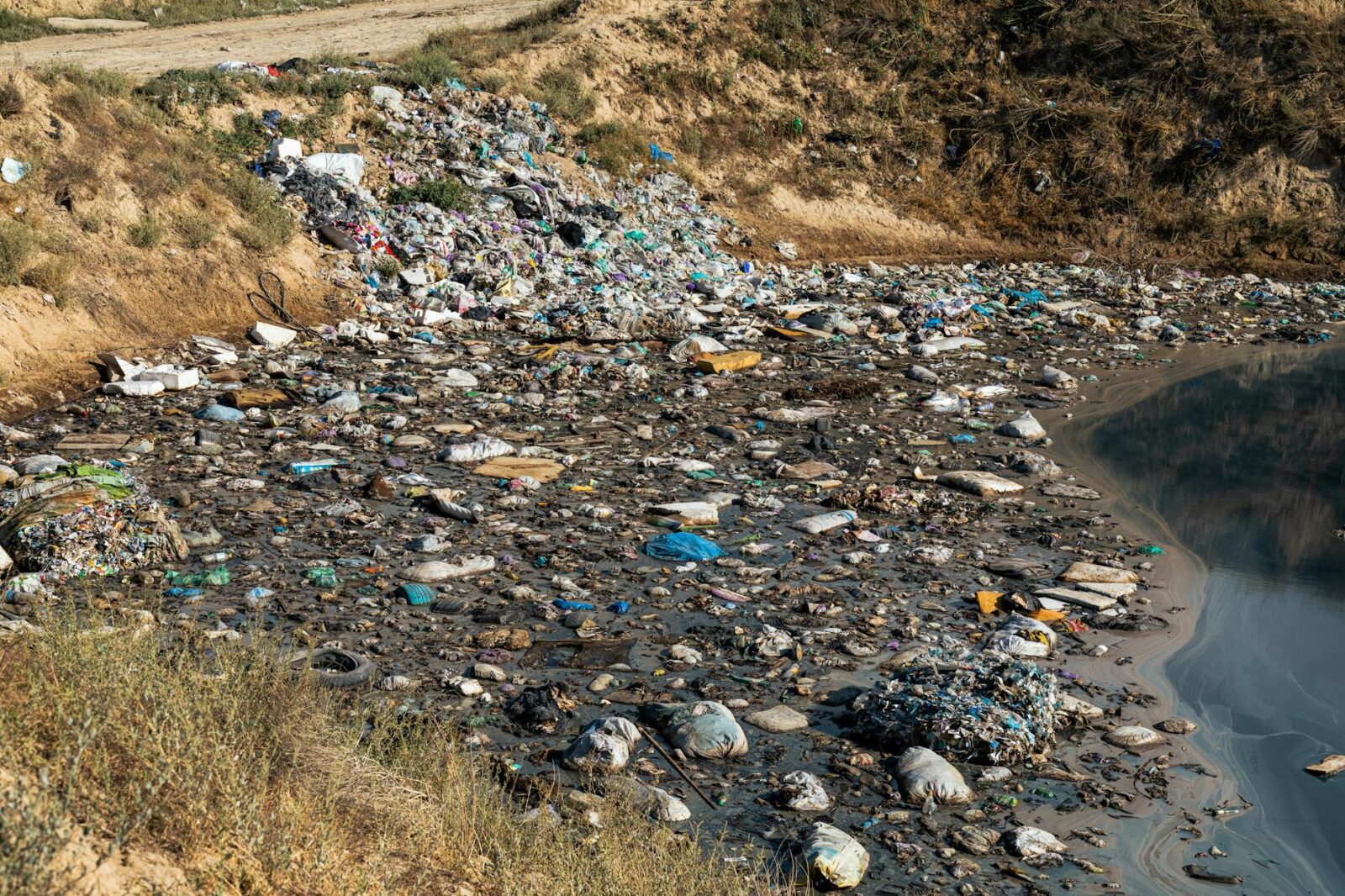
Amidst growing environmental concerns, a significant development has unfolded in the heart of the UK. The Environment Agency has secured a substantial $2.1 million contribution from Severn Trent Water Limited, marking a pivotal moment for the River Trent catchment area. This monetary injection, resulting from enforcement actions against water pollution, is set to rejuvenate the ecological health of this vital waterway. The funds, allocated to the Trent Rivers Trust, will spearhead a series of environmental projects aimed at restoring the river’s natural beauty and functionality.
Behind the Numbers: The Source of the Funds
The genesis of this environmental windfall lies in the scrutiny of water pollution incidents by the Environment Agency. Three specific cases of pollution, involving sewage spills and permit violations, prompted the enforcement undertakings that culminated in this financial settlement. Notably, incidents such as the discharge of substandard effluent from the Sutton-in-Ashfield sewage treatment works in Nottinghamshire contributed significantly to the sum.
The Mechanism of Enforcement Undertakings
Enforcement Undertakings (EUs) serve as a crucial tool for the Environment Agency in addressing environmental infractions. These are legally binding agreements offered as an alternative to prosecution, allowing organizations to rectify their environmental breaches through tangible contributions. In the case of Severn Trent Water, the $2.1 million payment not only addresses past pollution but also commits to future ecological improvements.
Impact on Local Communities and Ecosystems
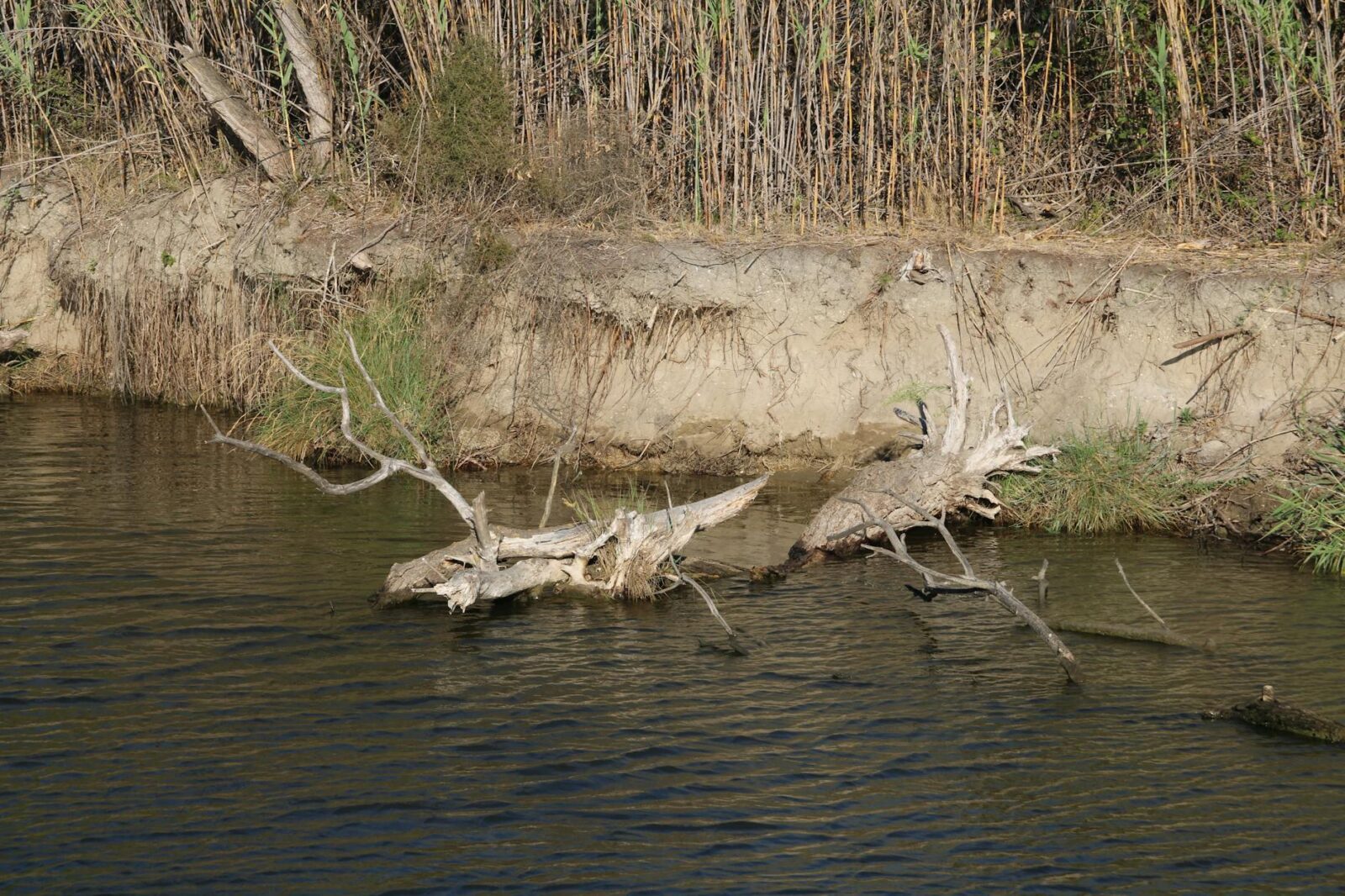
The infusion of funds is poised to bring about transformative changes in the River Trent region. Local communities, often the frontline witnesses to environmental degradation, stand to benefit immensely. The restoration projects, led by the Trent Rivers Trust, will focus on habitat restoration, water quality enhancements, and barrier removal. These initiatives are not just about ecological repair but also about empowering communities to engage with and protect their natural surroundings.
A Comparative View: How Other Nations Tackle Water Pollution
Globally, water pollution is a pressing issue, and countries employ various strategies to combat it. For instance, in the Netherlands, the ‘Polluter Pays’ principle ensures that those responsible for pollution bear the cost of cleanup. Similarly, Singapore’s strict regulatory framework mandates that industries comply with high water quality standards, significantly reducing pollution incidents. The UK’s approach, exemplified by this enforcement undertaking, underscores the importance of accountability and restitution in environmental governance.
Guidance for Environmental Stakeholders
For individuals and organizations involved in environmental conservation, this development offers valuable insights. It underscores the necessity of compliance with environmental regulations and the potential financial and reputational repercussions of negligence. Furthermore, it highlights the proactive role that community and environmental groups can play in advocating for and facilitating ecological restoration projects.
Future Outlook: Sustaining the Gains
Looking ahead, the success of the River Trent projects could serve as a blueprint for similar initiatives across the UK and beyond. The collaboration between regulatory bodies, corporations, and local charities exemplifies a model of collective action necessary to tackle environmental challenges. Sustaining these efforts will require ongoing commitment, monitoring, and adaptation to emerging environmental threats.
Frequently Asked Questions
What prompted the $2.1 million contribution from Severn Trent Water?
The contribution resulted from enforcement actions by the Environment Agency in response to pollution incidents in the River Trent catchment area.
How will the funds be used?
The funds will support various environmental projects led by the Trent Rivers Trust, focusing on habitat restoration and water quality improvements.
What are Enforcement Undertakings?
Enforcement Undertakings are legally binding agreements that allow organizations to rectify environmental breaches through contributions to restoration efforts.
How does this initiative compare to other countries’ approaches?
Similar to the UK’s use of Enforcement Undertakings, countries like the Netherlands and Singapore implement stringent regulations and the ‘Polluter Pays’ principle to manage water pollution.
Who benefits from these environmental projects?
Local communities, ecosystems, and future generations stand to gain from the restoration and improved water quality in the River Trent region.
Stay informed with the latest travel news, visa updates, and destination guides. Follow HimalayanCrest.com for weekly travel intelligence delivered by our editorial team.