


Understanding the Current Travel Advisory for Mexico
As travelers increasingly look towards Mexico for its vibrant culture, stunning beaches, and rich history, understanding the nuanced travel advisories has never been more critical. The U.S. Department of State’s current advisory, updated in April 2026, highlights varying levels of risk across the country. Notably, the Yucatán and Campeche states are rated as Level 1, indicating normal precautions are sufficient. However, areas such as Jalisco and Michoacán are at Level 4, advising travelers not to visit due to heightened security concerns following recent cartel activities.
Regional Safety Insights: Where to Visit and Avoid
Mexico’s safety landscape varies significantly by region. Popular tourist destinations like Cancun, Tulum, and Puerto Vallarta remain relatively safe with a Level 2 advisory, suggesting increased caution. In contrast, cities like Culiacán and Tepic are currently flagged as high-risk areas. For those planning a trip, it’s essential to focus on these advisories, particularly when traveling beyond major resort towns where local safety measures are robust.
Practical Travel Tips for a Safe Journey
When planning your Mexican adventure, consider enrolling in the Smart Traveler Enrollment Program (STEP) to receive real-time updates and make it easier for the U.S. Embassy to contact you in case of an emergency. Additionally, purchasing travel insurance that covers security incidents and cancellations is a prudent step. On-the-ground, seasoned travelers suggest sticking to well-traveled routes, using reputable transportation services, and avoiding displaying valuables in public.
Budgeting for Your Mexican Getaway
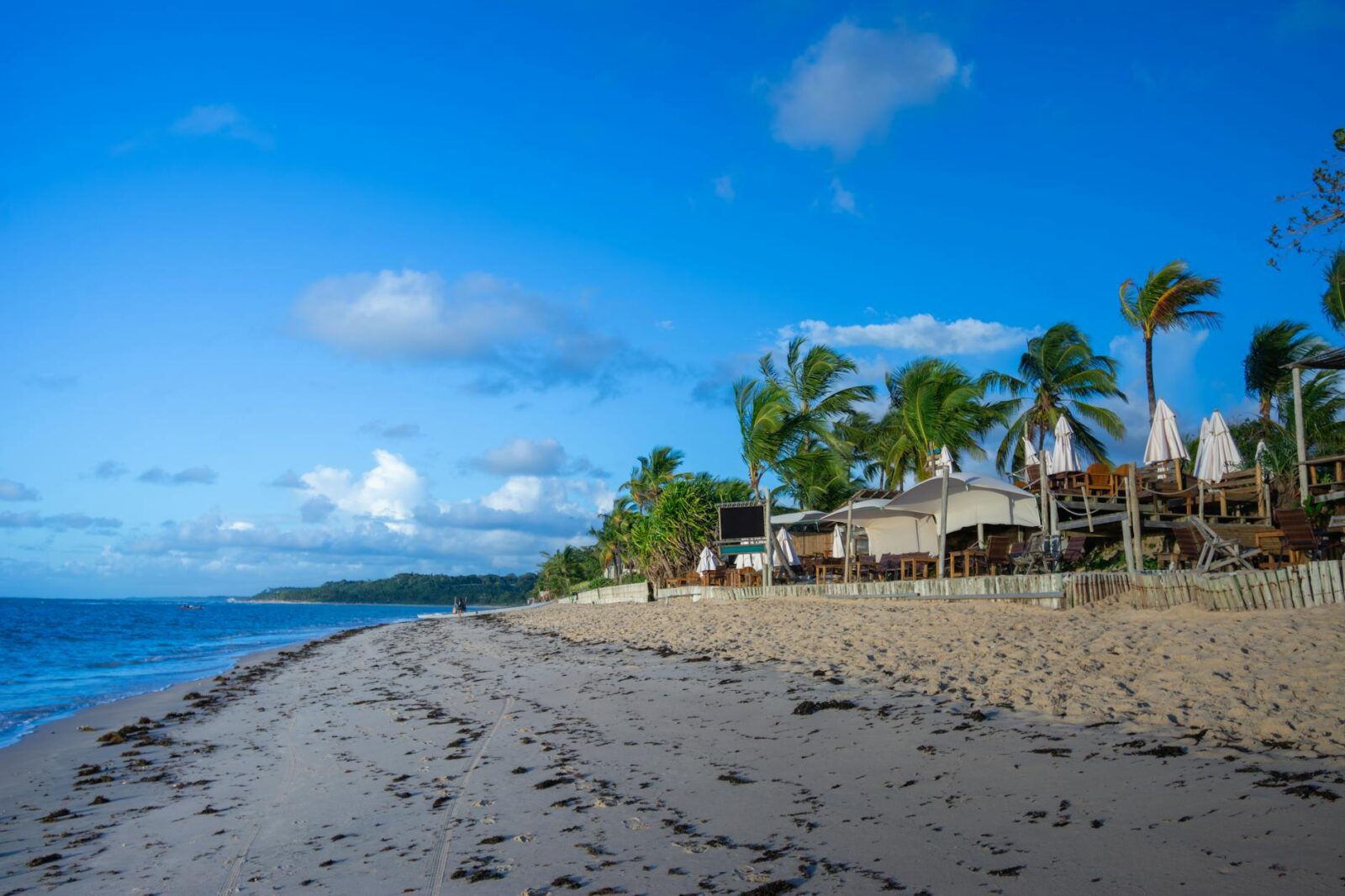
Traveling to Mexico can be surprisingly affordable. For instance, a week-long stay in Cancun might cost around $1,200 USD per person, including mid-range accommodations, meals, and activities. Conversely, a luxury experience in Los Cabos could easily exceed $3,000 USD. Regardless of your budget, always allocate extra for unforeseen expenses, especially in light of the current travel advisories which may necessitate changes to your itinerary.
Visa and Entry Requirements
Most travelers from the U.S., Canada, and the EU do not require a visa for stays under 180 days. However, you must have a valid passport and may be asked to present a return ticket upon arrival. It’s wise to verify entry requirements on official government websites, as policies can change rapidly, particularly in response to the current global security environment.
Alternative Destinations for a Safer Experience
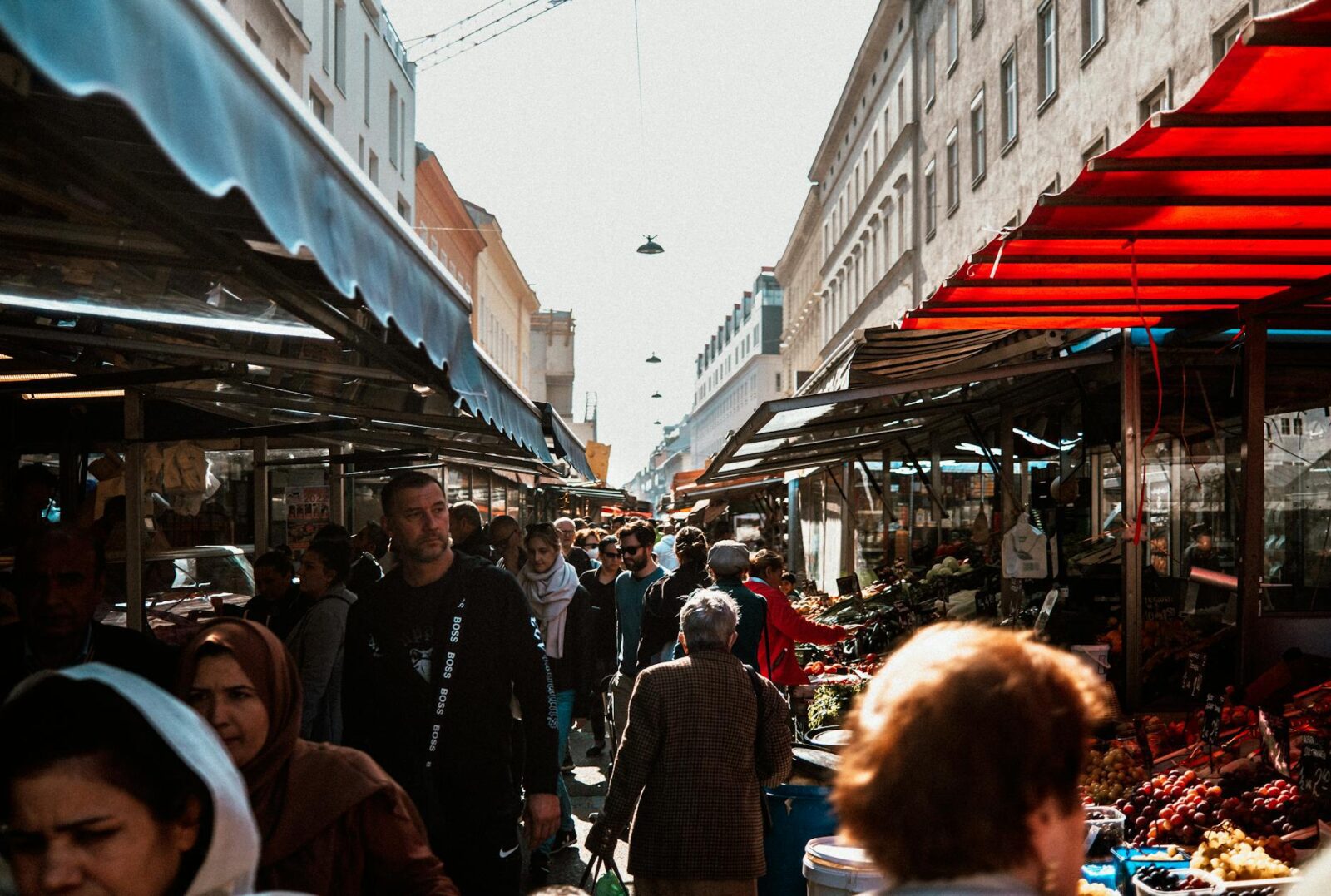
If you’re hesitant about Mexico due to safety concerns, consider other Latin American destinations such as Costa Rica, renowned for its eco-tourism and stable security environment. Alternatively, the Caribbean offers stunning beaches with relatively lower risk levels, such as in the Dominican Republic or Jamaica. Each of these locations provides a unique cultural experience with excellent hospitality.
A Traveler’s Safety Checklist
To ensure a secure trip, follow this checklist:
- Review state-specific advisories at travel.state.gov.
- Enroll in the STEP program for updates.
- Purchase comprehensive travel insurance.
- Stay informed about local news and events.
- Use trusted transportation and accommodation services.
Frequently Asked Questions
Is it safe to travel to Mexico in 2026?
Yes, many parts of Mexico are safe for tourists, particularly well-known resort areas. However, travelers should stay informed about regional advisories and exercise caution.
What areas in Mexico should I avoid?
High-risk areas include states like Jalisco and Michoacán. It’s advisable to avoid these regions unless absolutely necessary.
Do I need a visa to visit Mexico?
Visitors from many countries, including the U.S. and Canada, do not need a visa for stays of up to 180 days. A valid passport is required.
How much does a trip to Mexico cost?
Costs vary widely, but a moderate budget trip can range from $1,200 to $2,000 USD per person for a week, depending on the region and activities.
What should I do in case of an emergency in Mexico?
Contact your country’s embassy immediately and follow local authority guidelines. Having travel insurance can assist in covering unexpected costs during emergencies.
In conclusion, while travel advisories can initially seem daunting, they provide essential information for a safe and enjoyable trip. By staying informed and prepared, travelers can experience the best of what Mexico has to offer. We invite you to share your thoughts and experiences in the comments below and help fellow travelers plan their perfect getaway.
Stay informed with the latest travel news, visa updates, and destination guides. Follow HimalayanCrest.com for weekly travel intelligence delivered by our editorial team.